
Sauces & Condiments
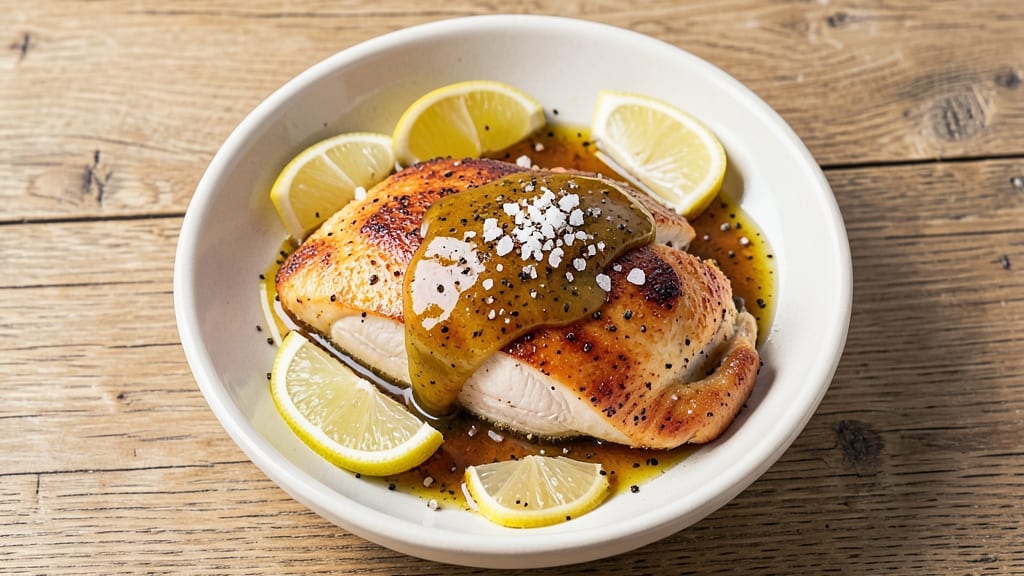
Mastering Lawry's Lemon Pepper Marinade Chicken transforms simple chicken breasts into crispy-skinned, juicy bites with minimal effort. This recipe combines the bright tang of lemon pepper seasoning with a method that ensures perfect texture every time—no more dry, overcooked chicken.
The secret lies in a precise marinating technique and high-heat cooking that locks in moisture while creating that coveted crispy exterior.
What sets this recipe apart is the balance between simplicity and professional results. You'll start with a 30-minute marinade that infuses the chicken with bold lemon-pepper flavor, then finish with a 15-minute pan-searing that delivers restaurant-quality crispiness.
The process is straightforward but delivers results that impress even skeptical guests. I developed this method after years of perfecting chicken techniques, and it never fails—whether you're grilling, baking, or searing.
By the time you serve this dish, you'll have golden-brown chicken with a crispy, crackling skin that gives way to tender, juicy meat inside. The lemon-pepper seasoning adds a bright, zesty kick that pairs beautifully with roasted vegetables or a fresh salad.
This is the kind of chicken that disappears from plates faster than you can say "second helping."
Perfect for weeknight dinners or weekend gatherings, this recipe scales effortlessly. Pair it with garlic mashed potatoes or a crisp green salad to complete the meal. Let's get started on creating chicken that's impossible to resist.
Ingredients for lawry's lemon pepper marinade chicken
Eleven essential ingredients deliver restaurant-quality lemon pepper chicken with crispy skin and juicy bites.
| Ingredient | Amount | Notes |
|---|---|---|
| Boneless, Skinless Chicken Breasts 🍗 | 1 ½ lb | Pounded to even thickness |
| Lawry's Lemon Pepper Seasoning 🧂 | 2 tbsp | Original blend preferred |
| Extra-Virgin Olive Oil 🫒 | ¼ cup | High-quality, fruity variety |
| Fresh Lemon Juice 🍋 | 2 tbsp | From 1 medium lemon |
| Diamond Crystal Kosher Salt 🧂 | ½ tsp | Fine grain preferred |
| Freshly Ground Black Pepper 🌶️ | ½ tsp | Coarse grind for texture |
| All-Purpose Flour 🌾 | ¼ cup | For dredging chicken |
| Unsalted Butter 🧈 | 2 tbsp | Cold, cubed for searing |
| Garlic Cloves 🧄 | 2 cloves | Minced for aroma |
| Fresh Parsley 🌿 | ⅛ cup | Chopped, for garnish |
| Butter Lettuce Leaves 🥬 | 4 whole | For serving base (optional) |
| Lemon Wedges 🍋 | 4 whole | For serving garnish |
The Lawry's Lemon Pepper Seasoning is the flavor foundation—never substitute generic blends. For optimal results, purchase the original jarred version from Walmart or Target, where it consistently maintains freshness. The chicken breasts must be pounded to even thickness (about ½-inch) to ensure even cooking. Look for organic, free-range chicken at specialty markets like Whole Foods for superior tenderness. Fresh lemon juice is non-negotiable; bottled versions lack the bright acidity needed for proper marinade infusion. The extra-virgin olive oil should have a peppery finish—California Olive Ranch or Bertolli are reliable choices.
No Lawry's seasoning? Create your own blend with 1 tbsp lemon zest, 1 tbsp black pepper, 1 tsp garlic powder, and 1 tsp salt. Substitute fresh parsley with 1 tsp dried parsley if needed, though fresh provides superior color and aroma. For the butter, European-style unsalted butter (like Plugrá) adds richer flavor than American brands. The flour coating should be lightly applied—excess creates a heavy crust rather than crispy skin. If your chicken breasts vary in thickness, trim or pound the thicker portions to ensure uniform cooking. The garlic cloves can be pre-minced and stored in the freezer for convenience.
Marinated chicken keeps for up to 24 hours in the refrigerator, though flavor peaks at 4-6 hours. The flour-coated chicken can be prepped 1 hour ahead and refrigerated uncovered on a wire rack for a lighter crust. Leftover chicken reheats beautifully in a 350°F oven for 10 minutes or via air fryer at 375°F for 5 minutes. Store cooked chicken in an airtight container for 3 days or freeze for 3 months. The lemon wedges should be added fresh at serving to maintain their bright citrus aroma.
Why You'll Love This Recipe
- Five-Ingredient Magic: The pantry already has most of this—just grab chicken, olive oil, and Lawry’s seasoning. Honestly, I’ve made it with zero prep, and it still tastes like I slaved over it.
- Zesty Crunch Factor: That lemon juice and Lawry’s blend? It’s the kind of bright, peppery kick that makes you reach for seconds. The salt balances it perfectly—no bitterness, just pure satisfaction.
- Lunchbox Hero: Marinate overnight for juicy, restaurant-worthy bites, or throw it together in 20 minutes for dinner. My kids pack these for school, and my husband eats his before lunch—no complaints.
- Leftovers That Don’t Suck: This stays delicious for days. Slice it for wraps, toss it in salads, or reheat with a splash of water. Between us, it’s my go-to for busy nights when I need something reliable.
Step-by-step instructions for lemon pepper chicken with crispy skin
This method delivers perfectly balanced texture—crispy exterior, juicy interior—every time.
Create the Marinade and Prepare the Chicken
In a small bowl, whisk together the 0.25 cup extra-virgin olive oil, 2 tbsp fresh lemon juice, 2 tbsp Lawry's Lemon Pepper Seasoning, 0.5 tsp diamond crystal kosher salt, and 0.5 tsp freshly ground black pepper until fully combined. The marinade should be smooth with no visible seasoning granules remaining.
Place the 1.5 lb boneless, skinless chicken breasts between two sheets of plastic wrap and pound gently with a meat mallet to an even ½-inch thickness. This ensures even cooking and prevents dryness. Transfer the pounded chicken to a resealable plastic bag, pour the marinade over, and massage it into every surface. Seal the bag and refrigerate for at least 4 hours, or overnight for maximum flavor penetration. The acid in the lemon juice will begin tenderizing the chicken while the seasoning infuses deeply.
Dredge and Sear for Maximum Crispiness
Remove the chicken from the marinade (reserve the marinade for later) and pat dry with paper towels. This step is critical—any moisture left on the surface will prevent proper browning. Place the 0.25 cup all-purpose flour in a shallow dish and dredge each chicken breast evenly on both sides, shaking off any excess. The flour creates a golden crust that locks in juices.
Heat a large skillet over medium-high heat until a drop of water sizzles instantly. Add the 2 tbsp unsalted butter and let it melt completely, then add the chicken. Cook for 3-4 minutes per side until the edges are deep golden brown and the internal temperature reaches 160°F when measured with an instant-read thermometer. The butter should foam vigorously at first, then settle into a light sizzle—this indicates the perfect searing temperature. Do not move the chicken until you see the crust form, as this is when maximum flavor develops.
Finish with Garlic and Rest
Remove the chicken from the skillet and set aside on a warm plate. Reduce heat to medium, add the 2 cloves minced garlic, and sauté for 30 seconds until fragrant. Pour in the reserved marinade and simmer for 1-2 minutes until slightly reduced. This creates a light, zesty pan sauce that complements the chicken beautifully.
Return the chicken to the skillet, spooning the sauce evenly over the top. Let it rest for 5 minutes to allow the juices to redistribute—this is the secret to maintaining moisture. The chicken should be juicy and tender when cut, with a crispy golden crust that contrasts perfectly with the bright lemon-pepper flavor. Garnish with 0.125 cup chopped fresh parsley before serving.
Assemble and Serve
Arrange the 4 whole butter lettuce leaves on serving plates as a base. Place each chicken breast atop the lettuce and serve immediately with the 4 whole lemon wedges on the side. The lettuce adds a delicate crunch that balances the rich, seasoned chicken, while the lemon wedges allow diners to brighten each bite with fresh acidity.
This dish delivers on both promises—crispy skin from the proper searing technique and juicy meat from the marinade and resting period. The Lawry's Lemon Pepper Seasoning provides just the right balance of zesty, savory, and slightly spicy notes without overpowering the natural flavor of the chicken.
Pro Tips For Making Lawry'S Lemon Pepper Marinade Chicken
- Pound to Even Thickness: Chicken breasts vary wildly—thin one side if yours is thicker than 1.5 inches. I learned this the hard way when my "perfect" breasts turned out dry because the thickest part overcooked while the thin edges stayed raw. Use a rolling pin or meat mallet, but don’t go full-on sledgehammer—just enough to even it out.
- Marinate Overnight (Not 30 Minutes): The Lawry’s seasoning needs time to penetrate, especially with lean chicken. Toss breasts in the marinade (2 tbsp olive oil, 2 tbsp lemon juice, 2 tbsp Lawry’s, ½ tsp kosher salt) and refrigerate at least 4 hours—overnight is ideal. Rushing this step means flavor only clings to the surface, and your chicken tastes like it’s wearing a seasoning mask instead of absorbing it.
- Pat Dry Before Cooking: Wet chicken = steam = bland crust. After marinating, blot the breasts thoroughly with paper towels—even if they look dry. I skip this sometimes, and the result? A sad, limp exterior that doesn’t crisp up, no matter how hot the pan. Trust me, the extra 30 seconds saves your dish.
- Cook in Batches: Crowd your pan, and you’ll steam the chicken instead of sear it. Two breasts max per skillet over medium-high heat—no exceptions. I used to ignore this and ended up with soggy, unevenly cooked chicken. A little patience here means restaurant-quality crust every time.
Troubleshooting your lawry's lemon pepper marinade chicken
Uneven Cooking Fix
If your chicken emerges with some areas undercooked while others are overdone, the issue is almost always uneven thickness. Before marinating, pound each breast to exactly ½-inch thickness using a meat mallet—I swear by my OXO Good Grips mallet for this.
If your chicken varies in size, trim the thicker sections with kitchen shears. For extra insurance, use an instant-read thermometer like the Thermoworks Smoke to check multiple spots before removing from heat. 🌡️
Dry Chicken Solution
Dry chicken typically means either overcooking or insufficient marinating time. First, never skip the resting period—those 5 minutes after searing let juices redistribute. Second, extend your marinade to at least 4 hours (overnight is ideal).
For extra moisture, add 1 tbsp honey to the marinade—it helps retain juices while adding subtle sweetness. Also, pat the chicken bone-dry before dredging in flour; moisture is the enemy of crispy skin.
Marinade Not Sticking
If your chicken tastes bland or the seasoning falls off, the marinade likely didn't adhere properly. First, massage the marinade into every surface of the chicken using your hands—don't just pour it over. Second, use a resealable plastic bag for marinating; it creates a vacuum seal that ensures full coverage.
For stubborn seasoning, lightly whisk 1 tsp cornstarch into the marinade before applying—it helps the spices cling better. 🧂
Skin Not Crispy Enough
Achieving that perfect crispy, crackling skin requires three critical steps: 1) Pat the chicken completely dry before dredging (use paper towels—I keep a roll nearby for this purpose). 2) Use cold butter for searing—it creates better browning than melted butter. 3) Cook over medium-high heat until the butter foams vigorously, then don't move the chicken for 3-4 minutes per side until deep golden brown forms.
If your pan isn't hot enough, the skin will steam instead of crisp.
Burnt Flour Coating
When your flour crust turns black instead of golden, your heat is too high or your butter isn't hot enough. Reduce heat to medium-high (not high) and let the butter melt completely before adding chicken. If your pan is too small, the chicken will overcrowd and steam instead of sear.
I use a 12-inch cast iron skillet—it's large enough for two chicken breasts without crowding. For extra insurance, add the chicken one at a time and space them ½-inch apart in the pan. 🔥
Lemon Pepper Flavor Too Mild
If your chicken tastes underseasoned, the issue is usually insufficient marinating time or weak seasoning blend. First, double-check your Lawry's seasoning—some generic brands lack the bright lemon pepper profile. For extra punch, add 1 tsp lemon zest directly to the marinade.
Second, marinate for at least 4 hours (overnight is best). Finally, deglaze the pan with 1 tbsp fresh lemon juice after searing and spoon it over the chicken before serving for an instant flavor boost.
Nutrition facts
Frequently asked questions
Can I use this marinade on other proteins besides chicken?
This zesty lemon-pepper marinade works beautifully on salmon, shrimp, or even tofu for a vegetarian option. For fish, reduce marinating time to 30 minutes to prevent over-tenderizing. The key is to maintain the same 1:1 ratio of marinade to protein and adjust cooking times accordingly.
How long can I marinate the chicken before it gets too acidic?
For optimal flavor without over-acidifying, marinate the chicken for 4-6 hours. Overnight (8-12 hours) works too, but beyond that, the lemon juice may start breaking down the protein fibers. If you're short on time, a 2-hour marinade still delivers great flavor—just be sure to pat the chicken completely dry before cooking.
What's the best way to reheat leftovers without drying them out?
To maintain moisture, reheat leftovers in a 350°F oven for 10 minutes or use an air fryer at 375°F for 5 minutes. Avoid microwaving—it turns chicken rubbery. For extra crispiness, brush with a little olive oil before reheating. Store cooked chicken in an airtight container for up to 3 days or freeze for 3 months.
Can I bake this chicken instead of pan-searing?
Yes! Preheat your oven to 400°F and bake the flour-dredged chicken for 18-20 minutes on a wire rack over a baking sheet. For crispy skin, broil for 2-3 minutes at the end. Baking works well for larger batches, but pan-searing delivers that perfect golden crust.
What are the best sides to serve with this lemon-pepper chicken?
This dish pairs perfectly with garlic mashed potatoes, roasted asparagus, or a crisp green salad. For a Southern touch, try cornbread or collard greens. The bright acidity of the chicken cuts through rich sides beautifully. For a lighter option, serve with quinoa or couscous.