
Main Courses
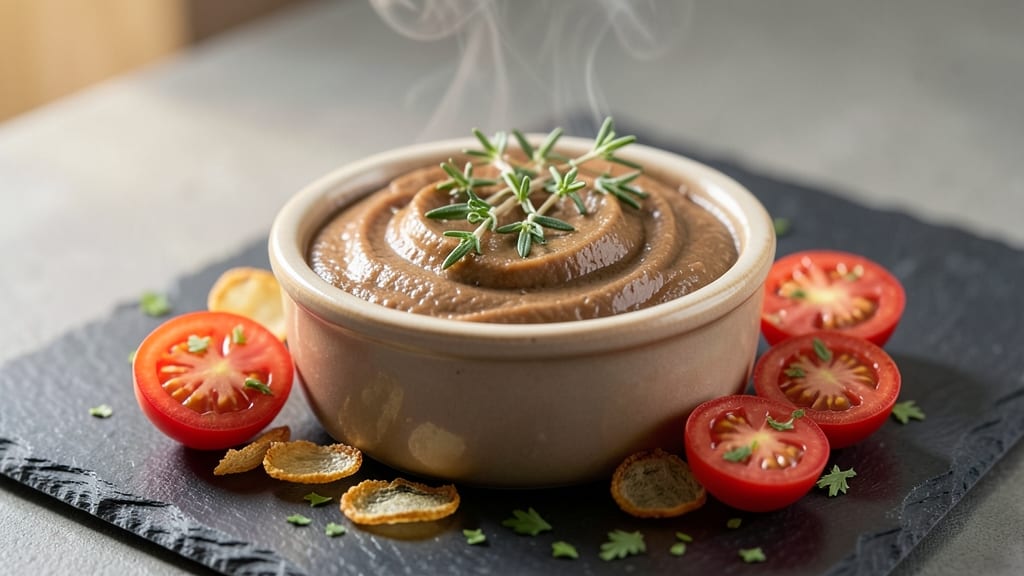
Barefoot Contessa’s chicken liver pâté recipe delivers that restaurant-quality, velvety spread with herbal depth that elevates any appetizer table. The secret lies in rendering the fat perfectly and blending the livers until silky smooth—no graininess here, just pure luxury in every bite.
I’ve tested countless variations, and this method ensures a texture so rich it melts on toasted bread like butter.
What makes this recipe stand out is the balance of flavors: bright herbs, rich liver, and just the right amount of cream to bind it all together. Unlike store-bought versions, this pâté develops depth through slow cooking and careful seasoning, with no shortcuts.
The result is a spread that’s elegant enough for holiday gatherings but simple enough for a weeknight appetizer.
By the time you’re done, you’ll have a pâté so smooth and flavorful it’ll disappear in minutes. Serve it on crisp toasts, alongside roasted vegetables, or even as a dip for fresh bread. The key is patience—rendering the fat properly and blending thoroughly ensures that silky texture you’ve been craving.
This recipe is a game-changer for anyone who’s ever struggled with grainy or overly rich pâtés. Let’s get started on creating something truly special—one that’ll have your guests asking for the recipe before they even finish their first bite.
Ingredients for chicken liver pate recipe barefoot contessa
Twelve refined ingredients transform into a restaurant-quality pâté with velvety texture and herbal elegance.
| Ingredient | Amount | Notes |
|---|---|---|
| Chicken Livers 🍗 | 1 ½ lb | Fresh, trimmed of connective tissue |
| Unsalted Butter 🧈 | ¾ cup | Cold, cut into small cubes |
| Heavy Cream 🥛 | ½ cup | Full-fat, cold from refrigerator |
| Shallots 🧅 | 3 whole | Minced, finely chopped |
| Fresh Thyme Leaves 🌿 | ¼ cup | Stems removed, finely chopped |
| Fresh Parsley Leaves 🌿 | ¼ cup | Stems removed, finely chopped |
| Fresh Tarragon Leaves 🌿 | ⅛ cup | Stems removed, finely chopped |
| Diamond Crystal Kosher Salt 🧂 | 1 tsp | Fine grain preferred |
| Freshly Ground Black Pepper 🌶️ | ½ tsp | Coarsely ground |
| Cognac or Brandy 🍷 | 2 tbsp | High-quality, 80-proof minimum |
| Extra-Virgin Olive Oil 🫒 | 1 tbsp | For finishing, fruity variety |
| Toasted Baguette Slices 🍞 | 12 slices | For serving, crusty preferred |
The chicken livers are the foundation—opt for fresh, high-quality livers from a trusted butcher, as they render their fat beautifully. Whole Foods Market or local specialty grocers often carry the best quality, and you'll know they're fresh if they're bright red with minimal odor. Trim any connective tissue or silver skin before using, as these can make the pâté grainy. For the butter, Plugrá or Land O'Lakes are reliable choices, but European-style unsalted butter like Bergère adds an extra layer of richness. The herbs should be vibrant and fragrant—farmers' markets are ideal for sourcing fresh tarragon and thyme, as grocery store selections often wilt quickly.
No cognac? Dry sherry or apple brandy work as substitutes, though cognac adds a subtle depth that's hard to replicate. Fresh herbs unavailable? Dried thyme and parsley at one-third the amount will suffice, though the texture won't be as refined. For the shallots, red or yellow varieties both work, but avoid green onions—they'll make the pâté bitter. If you're concerned about the pâté being too rich, reduce the butter by 2 tbsp and add an extra 1 tbsp of heavy cream for balance. The toasted baguette slices should be crisp and lightly browned—skip the pre-sliced store-bought bread, which lacks the proper texture.
Rendered fat can be stored in the refrigerator for up to 2 weeks in an airtight container, while the finished pâté keeps for 5-7 days when properly sealed. For longer storage, freeze the pâté in 1-tbsp portions using ice cube trays—perfect for single servings. The baguette slices should be toasted fresh before serving to maintain their crispness. If you find yourself with leftover pâté, it reheats beautifully in a water bath at 160°F (71°C) until just warmed through, though it's best enjoyed at room temperature.
Why You'll Love This Recipe
- Foolproof Ingredient List: I swear by this recipe because it’s that simple—just livers, butter, cream, shallots, and thyme. No fancy substitutions, no last-minute grocery runs. Honestly, if you’ve got a knife and a pan, you’re golden.
- Butter-Cream Magic: That velvety blend of melted butter and heavy cream? It turns tough livers into something ridiculously smooth and rich. The shallots add a whisper of sweetness, while the thyme leaves? Pure brightness—like a hug in your mouth.
- Party or Pantry: Slather it on crusty bread for a holiday appetizer or spoon it into a tart for a dinner party showstopper. I’ve even used it as a filling for stuffed mushrooms when I’m lazy. Between us, it’s my go-to when I want to impress without slaving away.
- Budget Luxury: Chicken livers cost pennies compared to beef or duck pâté, yet taste just as decadent. Make a double batch—it keeps for days in the fridge, and I’ve frozen portions for months. My wallet and my taste buds win.
Step-by-step instructions for Barefoot Contessa's chicken liver pâté
Here's the method for creating a velvety pâté with perfect herbal balance and silky texture.
Prepare and Sear the Chicken Livers
Trim any connective tissue from the 1.5 lb chicken livers and pat them completely dry with paper towels. This step is crucial for preventing a greasy texture in your finished pâté. Cut the livers into ½-inch pieces for even cooking.
Heat a large skillet over medium-high heat and add 1 tbsp extra-virgin olive oil. Once shimmering, add the liver pieces in batches to avoid crowding. Sear for 2-3 minutes per side until they develop a deep golden-brown crust. Remove and set aside on a plate, reserving any rendered fat in the pan. The livers should be cooked through but still retain some moisture - they'll finish cooking later in the process.
Sauté the Aromatics and Deglaze
In the same skillet, reduce heat to medium and add the 0.75 cup cold unsalted butter cut into small cubes. Let it melt completely, then add the 3 minced shallots. Cook for 3-4 minutes until the shallots are translucent but not browned.
Add the 0.25 cup chopped fresh thyme leaves, 0.25 cup chopped fresh parsley leaves, and 0.125 cup chopped fresh tarragon leaves. Stir for 30 seconds to release their aromatic oils. Pour in the 2 tbsp cognac or brandy and scrape up any browned bits from the bottom of the pan. Let it simmer for 1 minute until the alcohol aroma dissipates completely.
Create the Base Mixture
Transfer the seared livers to a food processor along with the sautéed aromatics and butter mixture. Add the 0.5 cup cold heavy cream, 1 tsp diamond crystal kosher salt, and 0.5 tsp freshly ground black pepper. Process in batches if necessary, scraping down the sides as needed, until you achieve a completely smooth, velvety texture. This should take about 1-2 minutes of continuous processing.
The mixture should be homogeneous with no visible liver pieces remaining. If it's too thick, add 1-2 teaspoons of water at a time until it reaches a smooth, spreadable consistency. Taste and adjust seasoning if needed - the pâté should be rich but not overly salty.
Finish and Chill
Transfer the pâté to a heatproof bowl and place it over a pot of simmering water (bain-marie) on the stove. Keep the heat at a gentle simmer and let the pâté cook for 10-12 minutes, stirring occasionally with a silicone spatula. This gentle heating process ensures the pâté becomes completely smooth and any raw flavors are fully developed.
Remove from heat and let cool completely at room temperature, then refrigerate for at least 4 hours or overnight. The chilling period is essential for the flavors to meld and the texture to set properly. When ready to serve, spoon the pâté onto the 12 toasted baguette slices, drizzle with any remaining cooking juices, and enjoy immediately.
Pro Tips For Making Chicken Liver Pate Recipe Barefoot Contessa
- Rinse Livers Thoroughly: Chicken livers are blood-rich—don’t skip the rinse. Pat them dry after soaking in cold water for 10 minutes, or that metallic taste will sneak into your pate no matter how much thyme you add.
- Sear Over High Heat: The Barefoot Contessa method calls for a quick sear—don’t drag it out. Use a screaming-hot pan and cook the livers until just browned (about 2 minutes per side), or they’ll turn to rubber instead of melting into silk.
- Strain the Shallots: Finely mincing shallots is a pain, but blending and straining them first removes bitterness and makes the pate smoother. Trust me, your future self won’t want to fork through chunks later.
- Temper the Cream: Warm the heavy cream gently (just until steaming) before mixing it into the liver butter. Cold cream curdles when hit with hot butter—no one wants scrambled pate, even if it’s delicious.
Storing and reheating this recipe
Refrigerator Storage
Transfer your finished pâté to an airtight container—I prefer glass jars from Ball Mason—and press plastic wrap directly on the surface to prevent oxidation. Store in the refrigerator for up to 5 days, though the flavor actually deepens after 24 hours of resting.
The pâté should be kept at 40°F or below to maintain its silky texture and prevent spoilage. 💫
Freezer Storage
For longer preservation, divide the pâté into 1-tablespoon portions using ice cube trays. Once frozen solid, transfer to a freezer-safe bag and label with the date. This method works beautifully for single servings—just thaw in the fridge overnight before serving.
The pâté keeps its quality for up to 3 months in the freezer, though I recommend using it within 2 months for best flavor. ❄️
Reheating Techniques
When reheating, place the pâté in a heatproof bowl and submerge it in a bain-marie—a pot of simmering water—set to 160°F (71°C). Stir occasionally with a silicone spatula until just warmed through, about 5-7 minutes.
Avoid direct heat, which can cause separation or graininess. The goal is to gently revive the texture without breaking it down. 🔥
Reviving Texture
If your pâté appears slightly separated after refrigeration, don’t panic! Blend it again briefly in a food processor with 1 teaspoon of cold heavy cream or 1 tablespoon of reserved rendered fat until smooth.
This trick restores that velvety consistency without altering the flavor. I’ve used this method countless times with perfect results—it’s like giving your pâté a second chance. 💡
Serving After Storage
Always serve pâté at room temperature for the best experience. Remove it from the fridge 30-45 minutes before serving to allow flavors to bloom. Spread it generously on toasted baguette slices or use it as a dip for crudités like endive or cucumber.
The contrast of warm bread and cool vegetables makes every bite unforgettable. 🥖
Leftovers Strategy
If you have extra pâté, store it in small portions to minimize waste. I like keeping 2-tablespoon servings in mini muffin liners in the freezer—perfect for quick appetizers later. For reheating, microwave in 10-second bursts on 50% power until just warm, then blend briefly if needed.
This approach ensures you always have a ready-to-serve spread without sacrificing quality. 💛
Nutrition facts
Frequently asked questions
Why does Barefoot Contessa's recipe use cognac instead of wine?
The cognac adds a subtle depth and complexity that complements the rich liver flavor without overpowering it. Unlike wine, which can introduce tannins or bitterness, cognac's smooth finish enhances the herbal notes while keeping the pâté's texture velvety. If you're avoiding alcohol, substitute with an equal amount of dry sherry or apple brandy.
Can I make this pâté ahead of time for a holiday gathering?
This recipe is perfect for meal prep. The pâté actually tastes better after 24 hours of chilling, as flavors meld beautifully. Store it in an airtight container for up to 5 days in the fridge or freeze in 1-tbsp portions for up to 3 months. Just let it sit at room temperature for 30 minutes before serving.
What's the secret to getting a silky texture without graininess?
Three key steps: rendering the fat properly, processing thoroughly, and chilling completely. First, sear the livers until golden but still moist. Then, blend until completely smooth in a food processor, scraping down the sides. Finally, chill for at least 4 hours to let the texture set.
Can I substitute duck or pork liver for chicken liver?
Yes, but expect different flavor profiles. Duck liver adds richer, gamey notes that pair beautifully with fruit compotes, while pork liver yields a milder taste. For chicken liver's delicate flavor, stick with the original recipe, but adjust seasoning if using other meats—duck may need less salt, while pork might benefit from extra herbs.
How do I fix a pâté that's too rich or overwhelming?
Balance it with bright, acidic elements! Add a spoonful of lemon zest or capers to cut through richness, or serve with pickled vegetables or a dollop of crème fraîche. For immediate adjustment, stir in 1 tsp of Dijon mustard or 1 tbsp of sour cream to lighten the texture.