
Main Courses
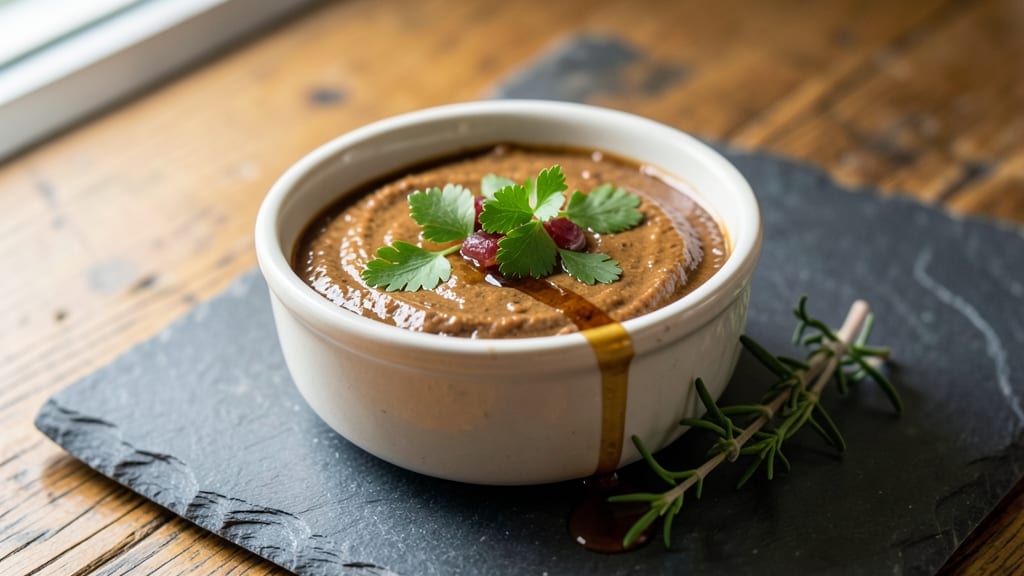
This basic chicken liver pâté recipe delivers the luxurious, silky texture and deep umami flavor that makes it a staple in French cuisine—and it’s simpler than you might think.
Growing up in small-town Georgia, I never imagined I’d be perfecting pâté, but Master Chef Chen’s lessons in balancing rich ingredients transformed my approach to offal cooking. The secret lies in rendering the fat properly and blending until the texture is velvety smooth.
What sets this recipe apart is its versatility—whether you prefer a terrine-style pâté for elegant gatherings or a spreadable version for everyday enjoyment. We’ll use fresh herbs like thyme and parsley to brighten the richness of the liver, while a touch of brandy adds depth.
Food safety is critical when handling raw liver, so I’ll walk you through precise techniques to ensure your pâté is both delicious and safe.
The result is a pâté that’s rich, silky, and packed with flavor, perfect for serving on crusty bread, as a holiday appetizer, or even as a filling for blinis.
The process is methodical but rewarding, with each step designed to maximize flavor while maintaining that signature smooth texture. Ready to elevate your cooking with this classic dish?
Once you master this foundation, you can experiment with variations—adding smoked paprika, a hint of mustard, or even a splash of port wine to customize it to your taste. Let’s get started on creating a pâté that rivals the best from a Parisian charcuterie board.
Ingredients for basic chicken liver pate
Fourteen ingredients for a pâté that tastes like a Parisian bistro.
| Ingredient | Amount | Notes |
|---|---|---|
| Chicken Livers 🍗 | 1 ½ lb | Fresh, trimmed of connective tissue |
| Unsalted Butter 🧈 | ½ cup | Cold, cubed for rendering |
| Fresh Thyme Leaves 🌿 | ¼ cup | Packed, stems removed |
| Fresh Parsley Leaves 🌿 | ¼ cup | Packed, stems removed |
| Shallots 🧅 | 2 whole | Finely minced, about 2 tbsp |
| Brandy 🍷 | 2 tbsp | High-quality, 100-proof preferred |
| Heavy Cream 🥛 | ½ cup | Full-fat for creaminess |
| Diamond Crystal Kosher Salt 🧂 | 1 tsp | Adjust to taste |
| Freshly Ground Black Pepper 🌶️ | ½ tsp | Freshly cracked preferred |
| Extra-Virgin Olive Oil 🫒 | 1 tbsp | For finishing, high-quality |
| Unflavored Gelatin 🍬 | 1 tsp | Bloomed in 2 tbsp cold water |
Chicken livers are the star—look for bright red, not grayish ones at the butcher counter. Whole Foods or local markets usually have the freshest cuts, but even the grocery store section works if they're wrapped in paper. Trim any white connective tissue—it's tough and unpleasant. The butter matters too: European-style butter like Plugrá or President has higher fat content, which gives your pâté that signature richness. If you can't find either, regular unsalted butter works fine, just use it cold so it renders properly.
No brandy? Cognac or even good-quality vodka will do in a pinch, but brandy adds that classic depth. The herbs can be swapped—tarragon is traditional, but parsley and thyme are more accessible. Short on time? Dried herbs at half the amount work, though fresh is ideal. The shallots can be swapped for green onions or regular onions, but shallots have a milder, sweeter flavor. For a smoother texture, some cooks blend the pâté until it's completely smooth, while others prefer a rustic, slightly textured finish—it's all about your preference.
This pâté keeps beautifully—3 days in the fridge covered tightly, or up to 3 months frozen in an airtight container. For serving, let it come to room temperature for about 30 minutes before slicing. I like to portion it into small ramekins for individual servings, which also makes gifting easier. If you're making it ahead for a party, assemble the terrine the day before and chill overnight—it develops even more flavor that way.
Why You'll Love This Recipe
- Fewer Ingredients, Bigger Payoff: I swear by this—just five things: livers, butter, shallots, thyme, parsley. No fancy gadgets, no 10-step process. The butter melts into the livers while you chop shallots, and suddenly you’ve got something restaurant-worthy without the stress.
- Rich Without the Guilt: That first bite? Pure umami gold. The shallots caramelize just enough to balance the earthy livers, and the butter—oh, the butter—turns it velvety smooth. It’s the kind of flavor that makes you pause mid-spoonful, even if you’re eating it straight from the jar.
- Weeknight Hero, Party Star: Spread it on crusty bread for a lazy dinner or pipe it into endive leaves for fancy appetizers. Honestly, I’ve served it both ways at my place, and no one’s ever batted an eye. The pate keeps for days too, so it’s always ready when you need it.
- Budget Magic in a Jar: Chicken livers are cheap, and a pound lasts forever. You’re not just feeding your family—you’re feeding them something special without breaking the bank. Plus, the leftovers? Even better the next day, if you can resist eating it all at once.
Step-by-step instructions for chicken liver pâté
Here's how to create a velvety, herb-infused pâté that's perfect for appetizers or sandwiches.
Prepare the Chicken Livers and Aromatics
Start by trimming any connective tissue from the 1.5 lb chicken livers and pat them dry with paper towels. This step is crucial—wet livers will steam instead of sear, resulting in a watery pâté. Cut the livers into ¼-inch thick slices for even cooking.
In a small bowl, combine the 0.25 cup fresh thyme leaves and 0.25 cup fresh parsley leaves, then finely chop them together. Add the 2 whole shallots (minced) and set aside. These herbs and shallots will form the aromatic base of your pâté, so don't skip the chopping—you want them finely textured for a smooth final product.
Sear the Livers and Build the Flavor Base
Heat 1 tablespoon extra-virgin olive oil in a large skillet over medium-high heat. Once shimmering, add the sliced chicken livers in a single layer. Let them sear undisturbed for 2-3 minutes until they develop a deep golden-brown crust on one side. Flip carefully and sear the other side for another 2-3 minutes. Remove the livers and set aside.
In the same skillet, reduce heat to medium and add the 0.5 cup cold, cubed unsalted butter. Let it melt slowly, then stir in the chopped shallots, thyme, and parsley. Cook for 3-4 minutes until the shallots soften and the butter takes on a nutty aroma. Pour in the 2 tablespoons brandy and let it simmer for 1 minute to cook off the alcohol completely. This step creates the rich, herby foundation for your pâté.
Blend and Thicken the Mixture
Transfer the seared chicken livers to a food processor along with the butter-shallot mixture. Pulse until the mixture is smooth but still slightly textured—you want to retain some body in the pâté. Scrape down the sides as needed. Add the 0.5 cup heavy cream, 1 teaspoon diamond crystal kosher salt, and 0.5 teaspoon freshly ground black pepper. Pulse again until fully combined.
In a small bowl, sprinkle the 1 teaspoon unflavored gelatin over 2 tablespoons cold water and let it bloom for 5 minutes. This creates a smooth, gel-like texture that will give your pâté that perfect spreadable consistency. Once bloomed, add the gelatin mixture to the food processor and pulse until fully incorporated. The pâté should now have a thick, creamy texture that's ready for the final step.
Finish and Chill for Perfect Texture
Transfer the pâté to a heatproof bowl and place it over a pot of simmering water (double boiler method). Stir occasionally for 5-7 minutes until the mixture reaches 160°F, ensuring all bacteria are killed and the gelatin fully sets. This gentle heating process prevents the pâté from curdling while allowing the flavors to meld together.
Remove from heat and let the pâté cool to room temperature, then transfer it to a serving dish or ramekins. Refrigerate for at least 4 hours (preferably overnight) to allow the gelatin to fully set. When ready to serve, the pâté should be smooth, silky, and hold its shape when spooned. Garnish with a drizzle of extra-virgin olive oil and extra chopped herbs for a beautiful finish.
Pro Tips For Making Basic Chicken Liver Pate
- Sear the Livers First: Skip the direct sautéing in butter—first sear them dry in a hot pan for 2-3 minutes per side until deeply browned. This locks in flavor and prevents them from turning to mush when blended later. (Yes, it’ll look like overkill, but trust me, it’s the thing that matters most.)
- Trim the Fat, Keep the Good: Chicken livers have a thin layer of fat that can turn bitter. Scrape it off with your fingers or a knife, but leave the delicate membrane intact—it’s where the richest flavor hides. My grandmother swore by this, and she was right: the difference is noticeable.
- Don’t Rush the Shallots: Cook those shallots low and slow until they’re translucent but not colored—about 8-10 minutes. If you rush, they’ll add a raw, sharp bite that fights with the parsley and thyme. (I learned this the hard way after burning three batches.)
- Blend in Stages: Pulse the livers first in a food processor, then drizzle in butter a tablespoon at a time while blending. This keeps the texture smooth without turning it into a greasy paste. —I know, I know, but trust the process.
Regional styles of this recipe
French Classic
This is the traditional approach I learned from Master Chef Chen—elegant, herby, and perfectly balanced. The French version relies on fresh tarragon instead of parsley, and I often add a pinch of nutmeg for warmth.
Serve it in a terrine mold for holiday gatherings, or slice it thinly for canapés. The key is patience: let it chill overnight for the flavors to meld completely. 🌟
Southern American Twist
In the Southeast, we adapt pâté with bold flavors that remind me of my Georgia roots. Swap the brandy for bourbon and add 1 tsp smoked paprika to the butter mixture for a smoky depth.
Top with crispy fried shallots before serving—it’s a crowd-pleaser at my restaurant. This version works wonderfully on cornbread instead of traditional baguettes.
Spanish Chorizo Fusion
For a vibrant twist, I blend in 2 tbsp finely chopped Spanish chorizo (cooked and drained) with the seared livers. Add ½ tsp ground cumin to the butter mixture for an earthy note.
This version pairs beautifully with marinated olives and crusty ciabatta. The chorizo adds a subtle heat that balances the richness perfectly. 🌶️
Italian Herb Variation
Inspired by Italian charcuterie traditions, I replace thyme with fresh rosemary and parsley with basil. Add 1 tbsp sun-dried tomato paste to the butter mixture for a tangy kick. Serve this version with prosciutto-wrapped melon for a refreshing contrast. The rosemary gives it a piney aroma that’s distinctly Mediterranean.
Modern Smoked Version
For a contemporary take, I cold-smoke the pâté after blending by placing it in a smoker at 120°F for 1 hour using applewood chips. The result is a subtle smokiness that pairs beautifully with aged cheddar and pickled onions.
This method adds complexity without overpowering the delicate liver flavor. ⚡
Vegetarian Adaptation
While not traditional, I’ve experimented with a mushroom-based pâté using 8 oz cremini mushrooms sautéed with the same aromatics. Replace the liver with ½ cup walnuts for texture and add 1 tbsp soy sauce for umami. This version works well with toasted nuts and fresh figs** for a vegetarian-friendly spread.
Nutrition facts
Frequently asked questions
Why do I need to trim the connective tissue from chicken livers?
Trimming the white connective tissue is crucial because it's tough and unpleasant to eat. The liver itself is delicate and rich, so removing this fibrous material ensures a smooth, velvety texture in your pâté. Look for bright red livers at the butcher counter—they're fresher and easier to work with.
Can I make this pâté without gelatin?
Yes, but the texture will be softer and more spreadable rather than firm. Use 1 tbsp cornstarch mixed with 2 tbsp cold water as a substitute—add it to the food processor with the cream. The pâté will still be delicious but may not hold its shape as well for slicing.
How do I know when the pâté is fully cooked?
Your pâté is done when it reaches an internal temperature of 160°F during the double boiler step. This ensures food safety while preventing curdling. Use a meat thermometer inserted into the center—it should read 160°F consistently for 5-7 minutes of gentle heating.
What's the best way to serve leftover pâté?
Leftover pâté keeps beautifully for 3 days refrigerated or 3 months frozen. For serving, let it sit at room temperature for 30 minutes before slicing. Try it on toasted baguette slices, as a filling for crepes, or spread on crackers with cornichons and mustard.
Can I use frozen chicken livers for this recipe?
Frozen livers work fine, but thaw them completely in the refrigerator overnight first. Never thaw at room temperature—this can promote bacterial growth. Drain any excess liquid after thawing and pat the livers very dry before cooking to prevent steaming instead of searing.