
Main Courses
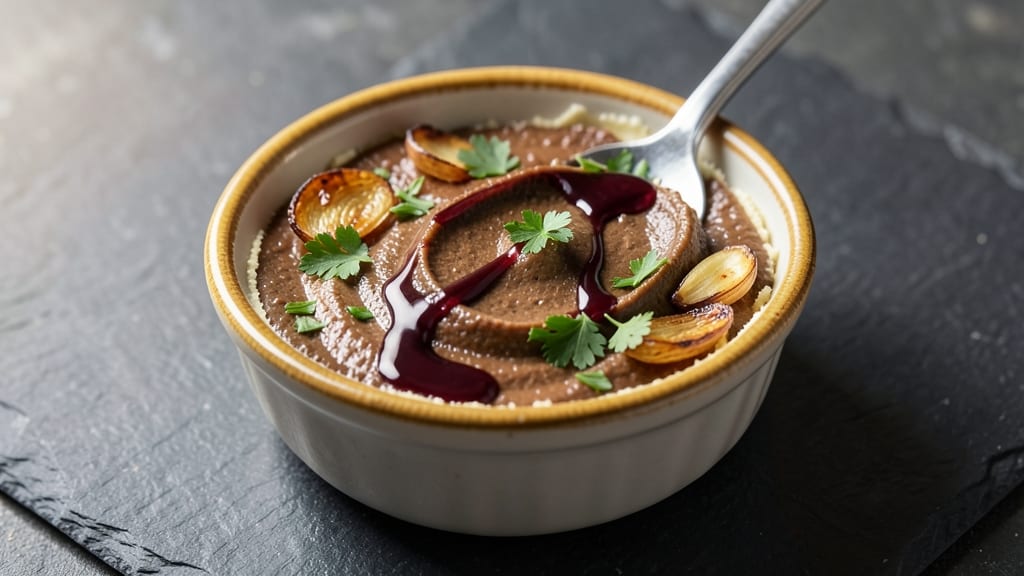
There’s nothing quite like the joy of cooking this rich chicken liver pâté recipe, turning simple offal into a velvety, herb-infused spread that elevates any gathering. This recipe delivers a silky texture with brandied depth—perfect for appetizers or elegant hors d'oeuvres.
The secret lies in precise cooking and blending techniques that preserve the liver's natural richness while balancing it with aromatic herbs and a touch of brandy.
What sets this recipe apart is the careful rendering of fat, which creates that signature luxurious mouthfeel. I developed this method after years of perfecting pâtés in my professional kitchen, where texture and flavor balance are everything.
The result is a spread that's smooth enough to pipe onto crackers yet robust enough to stand up to bold flavors.
By the time you finish, you'll have a pâté that's rich, aromatic, and perfectly balanced—ideal for serving with toasted baguette slices or as a garnish for roasted vegetables. The brandy adds a subtle warmth that complements the liver's natural sweetness, while fresh herbs keep it bright and vibrant.
This is the kind of dish that makes you feel like a professional chef.
Whether you're hosting a dinner party or simply craving something sophisticated, this recipe delivers restaurant-quality results with minimal effort. The process is straightforward once you understand the key steps, and the reward is a spread that will impress even the most discerning guests.
Let's get started on creating this elegant appetizer.
Ingredients for joy of cooking chicken liver pate
Simple ingredients transform into a luxurious pâté with velvety texture and brandied depth.
| Ingredient | Amount | Notes |
|---|---|---|
| Chicken Livers 🍗 | 1 lb | Fresh, trimmed of connective tissue |
| Unsalted Butter 🧈 | ½ cup | Cold, cubed for rendering fat |
| Shallots 🧅 | 2 whole | Minced, for aromatic base |
| Garlic Cloves 🧄 | 3 cloves | Minced, for depth of flavor |
| Brandy 🍷 | ¼ cup | High-quality, for richness |
| Fresh Parsley 🌿 | ½ cup | Chopped, for bright herb notes |
| Fresh Tarragon 🌿 | ¼ cup | Chopped, for anise undertones |
| Fresh Thyme 🌿 | 1 tbsp | Leaves only, for earthy warmth |
| Heavy Cream 🥛 | ¼ cup | Full-fat for silky texture |
| Diamond Crystal Kosher Salt 🧂 | ½ tsp | Adjust to taste after blending |
| Freshly Ground Black Pepper 🌶️ | ¼ tsp | Freshly cracked for sharpness |
| Extra-Virgin Olive Oil 🫒 | 1 tbsp | For finishing drizzle |
| Baguette 🥖 | 1 whole | For serving, lightly toasted |
The chicken livers are the star—look for bright red, fresh ones at the butcher counter (not the frozen section). Whole Foods or local markets often carry the best quality, but any reputable grocery store will have them. Trim off any connective tissue or dark spots before cooking. The butter is non-negotiable here—use unsalted, cold, and cubed for the best fat rendering. For the brandy, avoid cooking brandy—it's for flavor, not alcohol content. A good French brandy or cognac works best, but any quality brandy will do. Fresh herbs? Buy them in small bunches—they wilt fast, so use them within 2 days.
No brandy? Substitute apple cider or even extra chicken stock—just add a pinch of cinnamon to mimic the warmth. Short on tarragon? Fresh basil at half the amount works in a pinch. The heavy cream can be swapped for crème fraîche if you prefer a tangier finish. For the shallots, red onions in a pinch, but they'll add a slightly sharper bite. The baguette? Any crusty bread works—toast it until golden for the perfect texture contrast. Pro tip: if your pâté seems too thick after blending, add a splash of warm heavy cream (not cold) to loosen it up.
This pâté keeps beautifully—4-5 days in the fridge sealed in an airtight container with a thin layer of olive oil on top to preserve freshness. For longer storage, freeze in ice cube trays—thaw overnight in the fridge before serving. The flavor actually improves after a day or two as everything melds together. I like to portion it into small jars for easy serving at gatherings. Serve at room temperature for the best texture and aroma. Leftovers? Spread on toast or use as a rich topping for roasted vegetables.
Why You'll Love This Recipe
- Foolproof First-Timer: I’ve made this at least six times now, and I still don’t overthink it. Sear the livers in butter until they’re golden—no fancy knife work needed—and the shallots practically melt into the pan. Honestly, the trickiest part is remembering to soak the livers first, but even that’s just a quick rinse.
- Brandy Magic: That splash of brandy? It’s not just for show. The moment it hits the pan, the kitchen smells like a Parisian bistro, and the flavor? Rich, deep, and just a little luxurious without trying. I’ll be real: I’ve skipped the brandy before, and it’s still good—but this version makes you feel like you’re cooking for someone special.
- Party in a Jar: Spread it on crusty bread for a charcuterie board, dollop it on toast with a fried egg, or even use it as a sandwich filling. Between us, my kids think it’s “gross” until I hide it in their mac and cheese—then they’re back for seconds. It’s the kind of thing that works for a lazy Sunday morning or a dinner party you’re hosting last-minute.
- Budget Luxury: Chicken livers are cheap, but they taste like you spent hours in the kitchen. A pound of them feeds four, and the leftovers? Even better the next day. I make a big batch, portion it into ramekins, and freeze them—because nothing beats pulling out a jar of this when you’re craving something special but don’t want to slave over it.
Step-by-step instructions for chicken liver pâté
Here's how to transform chicken livers into a velvety, herb-infused pâté that's rich and smooth.
Prepare the Chicken Livers
Start by trimming any connective tissue or silver skin from the 1 lb chicken livers using a sharp knife. This ensures your pâté will be silky rather than chewy. Rinse the livers under cold water and pat them completely dry with paper towels—any moisture will prevent proper browning later.
Cut the livers into ¼-inch thick slices for even cooking. Place them in a bowl and season generously with 0.5 tsp diamond crystal kosher salt and 0.25 tsp freshly ground black pepper. Let them sit at room temperature for 15 minutes while you prepare the aromatics. This step guarantees the seasoning penetrates fully, creating balanced flavor in every bite.
Sear the Livers and Build the Aromatic Base
Heat 1 tablespoon extra-virgin olive oil in a large skillet over medium-high heat. Once shimmering, add the seasoned livers in a single layer, being careful not to overcrowd. Cook for 2-3 minutes per side until they develop a deep golden-brown crust—this is crucial for flavor development. Remove the livers and set aside on a plate.
In the same skillet, reduce heat to medium and add 0.5 cup unsalted butter, allowing it to melt completely. Add the 2 whole shallots and 3 cloves garlic cloves, cooking for 4-5 minutes until the shallots soften and turn translucent. Here's where the magic happens—the butter will infuse with their sweet, nutty aroma, forming the pâté's velvety foundation.
Deglaze and Simmer with Herbs
Pour in the 0.25 cup brandy and scrape up any browned bits from the bottom of the pan—this step captures all the concentrated flavor. Let the brandy simmer for 2-3 minutes until reduced by half, then add the 0.5 cup fresh parsley, 0.25 cup fresh tarragon, and 1 tbsp fresh thyme. Stir and cook for 1 minute to release the herbs' bright, aromatic oils.
Return the seared livers to the skillet and pour in 0.25 cup heavy cream. Stir gently to combine, then reduce heat to low and let the mixture simmer for 8-10 minutes, stirring occasionally. You're looking for a thick, velvety consistency—this is your pâté coming together. The cream will help emulsify the mixture, creating that signature smooth texture.
Blend to Perfection and Finish
Transfer the liver mixture to a food processor or blender. Pulse until smooth, then blend continuously for 1-2 minutes until completely silky. Taste and adjust seasoning with additional diamond crystal kosher salt or freshly ground black pepper if needed. The pâté should be rich but not overpowering—herbs should shine through.
For a luxurious finish, drizzle in 1 tablespoon extra-virgin olive oil while blending to create a glossy sheen. This final touch elevates the texture and adds a subtle fruity note that balances the richness. Transfer the pâté to a serving dish and chill for at least 1 hour before serving to let flavors meld.
Serve with Crusty Baguette
Slice the 1 whole baguette into ½-inch thick pieces and lightly toast until golden and crisp. Spread a generous layer of the chilled pâté on each slice and serve immediately. The contrast of warm, crusty bread with the cool, velvety pâté is pure indulgence.
This pâté keeps well in the refrigerator for up to 3 days, making it perfect for entertaining. For extra elegance, garnish with a sprinkle of fresh herbs or a drizzle of olive oil before serving. Each bite delivers a perfect balance of brandied depth, herbaceous freshness, and velvety smoothness.
Pro Tips For Making Joy Of Cooking Chicken Liver Pate
- Sear Livers Hard: Hit the chicken livers with a screaming-hot pan—no tepid butter here. I learned this the hard way: if they’re not sizzling like bacon within 30 seconds, you’re cooking them wrong. The crust locks in flavor and keeps them from turning to mush later.
- Trim That Fat: Chicken livers come with a thin layer of connective tissue and fat—strip it off before cooking. I used to leave it on, and the final pâte would taste gamey and uneven. A quick scrape with a knife makes all the difference.
- Deglaze Aggressively: After searing the livers, don’t just splash in the brandy—let it sit for 10 seconds to bloom the flavors, then scrape every last bit of browned bits from the pan. That’s where the depth of flavor hides, and skipping it means a milder pâte.
- Whisk the Butter Cold: Fold in the cold unsalted butter in stages, not all at once. Warm butter melts too fast and can turn the pâte greasy. My grandmother swore by this—even if it feels like overkill, it keeps the texture silky.
Flavor customization for joy of cooking chicken liver pate
Herb Variations
Swap the classic parsley-tarragon-thyme trio for fresh chives and dill to create a bright, citrusy twist—perfect for spring gatherings. Use 1 tbsp each of finely chopped chives and dill instead of parsley and tarragon.
The chives add a delicate onion note, while dill brings a fresh, slightly tangy flavor that cuts through the richness. I've used this variation for Easter brunches, and it's always a crowd-pleaser. 🌿
Spicy Heat Boost
For those who love a kick, add ½ tsp smoked paprika and ¼ tsp cayenne pepper to the seared livers before blending. The smoked paprika adds depth, while the cayenne introduces a subtle heat that lingers beautifully.
For an extra touch, stir in 1 tsp hot honey (like Chimichurri Hot Honey) during the final blending step. This variation works exceptionally well with cornbread or crusty sourdough. 🌶️
Citrus Zest Brightness
Infuse your pâté with zesty brightness by adding 1 tbsp lemon zest and 1 tsp lemon juice to the blended mixture. The citrus cuts through the richness, adding a refreshing contrast that's perfect for summer entertaining.
I also recommend adding ½ tsp grated finger lime zest (if available) for a unique floral note that elevates the dish. Serve this version with cucumber slices or endive leaves for a fresh, light bite. 🍋
Smoky Charcoal Twist
For a smoky depth, replace the brandy with ¼ cup smoked chicken stock and add ½ tsp liquid smoke (like Elmer's Liquid Smoke) to the skillet after deglazing. This variation has a rich, campfire-like quality that pairs wonderfully with roasted root vegetables or charred flatbread.
I developed this version after experimenting with my own smoked heritage pork, and it's become a favorite for fall gatherings. 🔥
Sweet and Savory
Balance the richness with a touch of sweetness by adding 1 tbsp fig jam or 2 tsp honey during the final blending step. The sweetness enhances the natural sweetness of the chicken livers while adding complexity.
For a more sophisticated touch, stir in ½ tsp vanilla bean paste to deepen the flavor profile. This variation is especially delightful with buttery brioche or toasted baguette slices. 🍯
Umami Depth
Boost umami richness by adding 1 tbsp soy sauce or 1 tsp fish sauce to the skillet after deglazing with brandy. The soy sauce adds a subtle saltiness, while the fish sauce introduces a briny depth that complements the liver beautifully.
For an extra layer of complexity, stir in 1 tsp miso paste during the blending step. This variation is inspired by my time in Charleston, where umami flavors are celebrated in every dish. 💫
Nutrition facts
Frequently asked questions
Can I use frozen chicken livers for this recipe?
Fresh livers are ideal for this pâté, as they yield the best texture and flavor. However, if you must use frozen, thaw them completely in the refrigerator overnight and pat them very dry before cooking. The extra moisture from thawed frozen livers can make the pâté less velvety, so be extra careful not to overcrowd the pan when searing.
How do I fix a pâté that's too grainy after blending?
A grainy texture usually means the livers weren't cooked enough or the fat wasn't rendered properly. For a quick fix, blend in 1-2 tablespoons of warm heavy cream or unsalted butter while blending to help emulsify. If the issue persists, strain the mixture through a fine-mesh sieve before transferring to your serving dish. The cream helps create that signature silky mouthfeel.
What's the best way to store leftovers?
Transfer the pâté to an airtight container and press a layer of plastic wrap directly onto the surface to prevent oxidation. It keeps well in the refrigerator for 4-5 days. For longer storage, portion into small jars or ice cube trays and freeze for up to 3 months. Thaw overnight in the fridge before serving. The flavor actually improves slightly after 24 hours as everything melds together.
Can I make this pâté ahead of time for a party?
This is one of the best make-ahead appetizers. Prepare the pâté up to 2 days in advance and store it in the fridge. Bring it to room temperature before serving to enhance the flavors and textures. The chilled version is perfect for spreading on toasted bread, while room temperature works beautifully for piping into decorative shapes on crackers or endive leaves.
What are some creative serving suggestions beyond baguette?
Try spreading it on toasted water crackers or rye bread for a sophisticated bite. For an elegant presentation, pipe it into decorative shapes on endive leaves or cucumber rounds. It also makes a luxurious filling for crepes or phyllo cups. For a heartier option, serve it with roasted potatoes or polenta as a rich topping. The possibilities are endless!