
Main Courses
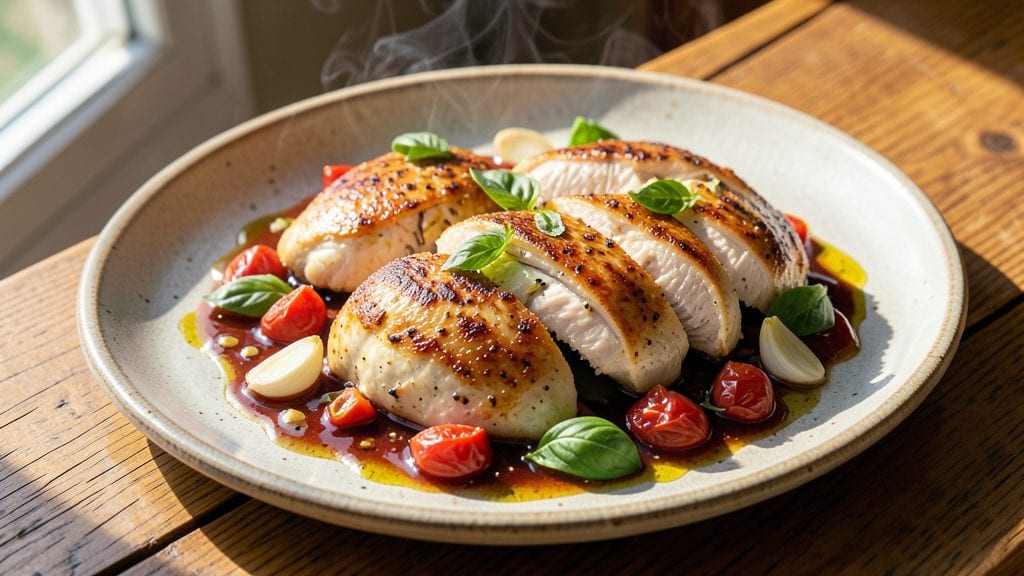
Ina Garten’s chicken cacciatore recipe transforms simple ingredients into a restaurant-worthy weeknight dinner with just the right balance of acidity, herbs, and richness. The secret lies in slow-simmered tomatoes, white wine, and fresh basil that meld into a velvety sauce—exactly how she makes it taste effortless yet refined.
I’ve recreated this dish dozens of times, always amazed at how a few well-chosen ingredients elevate a humble chicken breast into something elegant.
This recipe starts with browning the chicken in olive oil until golden, then simmering it in a tomato-herb sauce until tender—no shortcuts, just Ina’s signature patience. The white wine deglazes the pan, adding depth, while fresh basil brightens the dish at the end.
It’s the kind of meal that feels special without requiring hours in the kitchen, perfect for impressing guests or treating yourself.
By the time you serve it, you’ll have juicy chicken swimming in a glossy, aromatic sauce that’s tangy, slightly sweet, and packed with herbaceous notes. The dish pairs beautifully with crusty bread to soak up every last drop or alongside roasted vegetables for a complete, balanced meal.
This is comfort food at its finest—foolproof yet sophisticated.
What sets this apart is Ina’s attention to detail: finishing with butter for richness, adjusting seasoning as you go, and letting the flavors develop over time. The result is a dish that tastes like it came from a five-star Italian bistro, not a home kitchen.
Let’s get cooking—your dinner guests won’t believe it’s homemade.
Ingredients for ina garten chicken cacciatore
Fresh herbs, rich tomatoes, and a touch of white wine—this is Ina’s secret to restaurant-quality flavor.
| Ingredient | Amount | Notes |
|---|---|---|
| Boneless, Skinless Chicken Breasts 🍗 | 1 ½ lb | Pounded to even thickness |
| Extra-Virgin Olive Oil 🫒 | ½ cup | For browning chicken |
| Dry White Wine 🍷 | 1 cup | Pinot Grigio or Sauvignon Blanc |
| Canned San Marzano Tomatoes 🍅 | 28 oz | Crushed by hand |
| Garlic Cloves 🧄 | 4 cloves | Minced for sauce |
| Fresh Basil Leaves 🌿 | ½ cup | Packed, stems removed |
| Unsalted Butter 🧈 | 2 tbsp | Cold, for finishing |
| Kosher Salt 🧂 | 1 ½ tsp | Diamond Crystal preferred |
| Ground Black Pepper 🌶️ | ½ tsp | Freshly cracked |
| Fresh Rosemary 🌿 | ¼ cup | Chopped, stems removed |
| Fresh Thyme 🌿 | ¼ cup | Leaves only, stems removed |
| Red Bell Pepper 🌶️ | 1 whole | Diced, seeds removed |
| Lemon Juice 🍋 | 1 tbsp | Freshly squeezed |
The San Marzano tomatoes are non-negotiable for that sweet, meaty depth—Whole Foods or Trader Joe's carry them year-round, but check the Italian section at Costco for bulk deals. Fresh herbs matter too: rosemary and thyme from the grocery store’s produce section should smell vibrant, not wilted. The chicken breasts? Organic from the butcher hold up better to long simmering, but any boneless, skinless will work. Pound them to even thickness so they cook uniformly—this is where Ina’s patience pays off. For the wine, dry whites like Pinot Grigio cut through the richness without overpowering.
No white wine? Chicken broth with a splash of lemon juice works in a pinch—just add it at the same time. Fresh basil wilting? Dried basil at one-third the amount gets you close, but nothing beats the real thing. The red bell pepper can be swapped for zucchini or mushrooms if you prefer. Pre-minced garlic from a jar? Fresh is worth the 30 seconds—it adds a brightness those jars can’t replicate. The butter at the end? Use cold cubes so it melts beautifully into the sauce, adding that signature richness Ina’s known for. And if you’re short on time, jarred marinara sauce (like Rao’s) can replace half the tomatoes, but fresh is always better.
This sauce gets better overnight—double the batch and store it in the fridge for up to 5 days or freeze for 3 months. The chicken reheats beautifully, though it’s best served fresh. For leftovers, reheat gently on the stove with a splash of water to loosen the sauce. The herbs? Fresh basil stays bright for 3 days if you wrap stems in damp paper towels and refrigerate. The wine and lemon juice can be prepped ahead too—just keep them separate until you’re ready to cook. And that finishing butter? Portion it out in tiny containers so you can add it at the end without fussing.
Why You'll Love This Recipe
- One-Pan Magic: I swear by this recipe because it’s literally one pan, one knife, and 30 minutes of your life. The chicken browns while the tomatoes simmer—no flipping between pots, no stress. Honestly, I’ve burned cacciatore before trying to juggle too many dishes, and this version fixes that.
- Wine-Infused Richness: That splash of dry white wine? It’s not just flavor—it’s transformation. The acidity cuts through the tomatoes and garlic, while the olive oil keeps everything silky. My husband takes seconds without asking, and he’s not easily impressed.
- Leftovers That Shine: Between us, this dish tastes better the next day. The flavors meld, the sauce thickens just right, and it reheats like a dream. I freeze half for lazy nights when I’d rather scroll than cook—no sad, dry chicken here.
- Budget-Friendly Feast: San Marzano tomatoes and olive oil might sound fancy, but they stretch so far. A single can of tomatoes serves four, and the chicken breasts are lean but satisfying. I’ll be real: it’s my go-to when I need a restaurant-quality meal without the price tag.
Step-by-step instructions for Ina Garten's chicken cacciatore
Here's how to create this rustic, aromatic dish with tender chicken and rich tomato-herb sauce.
Prepare the Chicken for Browning
Begin by pounding the 1.5 lb boneless, skinless chicken breasts to an even ½-inch thickness using a meat mallet wrapped in plastic wrap. This ensures even cooking and prevents dryness. Season both sides generously with 1.5 tsp kosher salt and 0.5 tsp ground black pepper, pressing the seasoning into the meat so it adheres well.
Heat 0.5 cup extra-virgin olive oil in a large, heavy skillet over medium-high heat until shimmering but not smoking. Add the seasoned chicken and cook for 4-5 minutes per side until golden brown and cooked through to an internal temperature of 165°F. The chicken should release easily from the pan when ready. Transfer to a plate and tent loosely with foil to keep warm.
Build the Flavorful Tomato-Herb Base
In the same skillet (no need to clean it—the browned bits add depth), reduce the heat to medium and add the 1 whole red bell pepper, diced, and the 4 cloves garlic, minced. Sauté for 3-4 minutes until the peppers soften and the garlic becomes fragrant but doesn't brown.
Pour in the 1 cup dry white wine and scrape up any browned bits from the bottom of the pan with a wooden spoon. Let the wine simmer for 3-4 minutes until reduced by half. Add the 28 oz canned San Marzano tomatoes, crushed by hand, along with the 0.25 cup chopped fresh rosemary and 0.25 cup fresh thyme leaves. Stir well to combine, then bring to a gentle simmer.
Simmer the Sauce with Herbs and Lemon
Return the chicken to the skillet, spooning the sauce over the top. Add the 0.5 cup packed fresh basil leaves and 1 tbsp freshly squeezed lemon juice. The acidity of the lemon will brighten the flavors and balance the richness of the tomatoes. Cover the skillet and simmer gently over low heat for 20-25 minutes, stirring occasionally, until the chicken is fully reheated and the sauce has thickened slightly.
Here's the thing—don't rush this step. The gentle simmer allows all the flavors to meld together beautifully. You'll know it's ready when the sauce coats the back of a spoon and the chicken is fork-tender. If the sauce seems too thick, add 2-3 tablespoons of water to loosen it to your desired consistency.
Finish with Butter for Richness
Remove the chicken from the skillet and set it aside on a serving platter. Increase the heat to medium and add the 2 tbsp cold unsalted butter, stirring constantly until it melts and the sauce becomes glossy and emulsified. This step adds a luxurious finish to the dish.
Return the chicken to the skillet, spooning the buttery sauce over the top. Taste and adjust the seasoning if needed—perhaps a pinch more salt or a squeeze of lemon to brighten the flavors. Serve immediately, allowing each guest to spoon the rich tomato-herb sauce over their portion of chicken. This dish tastes even better the next day, so consider making it ahead and reheating gently.
Pro Tips For Making Ina Garten Chicken Cacciatore
- Brown the Chicken First: Skip the direct-to-tomato route—sear the chicken breasts in olive oil over medium-high heat until golden on both sides. I used to toss them straight into the wine and tomatoes, and the dish always tasted flat. That crust locks in flavor, and the wine reduces cleaner when it’s not fighting off raw chicken juices.
- Deglaze with Wine: After removing the chicken, pour in the white wine and let it bubble vigorously for 2 minutes—don’t rush this. The alcohol needs time to cook off, or you’ll end up with a sharp, boozy aftertaste instead of a bright, savory base. (Yes, even if you’re impatient like me.)
- Crush Garlic Like It’s 1950: Mince the garlic finely—not just chopped, but almost paste-like—so it dissolves into the sauce instead of sitting as chunks. I learned this the hard way when I left big pieces in, and they turned bitter. A mortar and pestle works best, but a knife takes 10 seconds longer. Worth it.
- Simmer Tomatoes Low: Reduce the San Marzano tomatoes on low heat for at least 15 minutes—no peeking or stirring constantly. The longer they simmer, the deeper the flavor, and the less watery the sauce becomes. Cover the pot and let it do its thing; this isn’t the time to hover.
Dietary considerations for this recipe
Gluten-Free Adaptation
This recipe is naturally gluten-free, but always double-check your ingredients—especially the San Marzano tomatoes and white wine for hidden additives. The kosher salt and pepper from brands like Diamond Crystal or McCormick are typically gluten-free, but verify if you have sensitivities.
The butter and olive oil are safe, and fresh herbs are always gluten-free. For extra safety, use a dedicated gluten-free kitchen if cross-contamination is a concern. 🌱
Dairy-Free Version
Skip the 2 tbsp unsalted butter at the end and replace it with 2 tbsp dairy-free butter (like Miyoko’s) or olive oil for richness. The sauce will still be flavorful—just slightly lighter.
For extra creaminess, stir in 1 tbsp coconut cream at the end. The dish remains hearty and satisfying without dairy. 🥥
Low-Carb Modifications
Swap the red bell pepper for zucchini or mushrooms to reduce carbs while keeping texture. Use cauliflower rice (about 1 cup) instead of traditional sides like pasta.
The San Marzano tomatoes are low-carb, and the chicken provides protein without carbs. Just watch portion sizes of the sauce—it’s naturally low-carb but still rich. 🥦
Vegetarian Substitutes
Replace the chicken with extra-firm tofu or chickpeas for a plant-based version. Press and pan-fry 1 block (14 oz) tofu until golden before adding to the sauce. Chickpeas (about 1.5 cups) hold up well too—simmer them with the sauce for 15 minutes to soften.
The herbs and tomatoes shine just as brightly without meat. 🌿
Allergen-Friendly Adjustments
For nut allergies, ensure all ingredients are nut-free (some olive oils are processed in nut facilities). For soy allergies, avoid soy-based cooking sprays or marinades. If using Miyoko’s butter, confirm it’s soy-free.
Always read labels on San Marzano tomatoes and wine—some brands add soy lecithin. Fresh ingredients like herbs and garlic are typically safe. 🚫
Keto-Friendly Tweaks
This dish is already keto-friendly with its focus on chicken, tomatoes, and herbs, but watch the San Marzano tomatoes—some brands add sugar. Stick to low-sugar tomatoes (like Muir Glen Organic) and skip the red bell pepper if you’re strict.
The white wine and lemon juice add acidity without carbs, and the butter finish keeps it rich. Serve with cauliflower rice for a complete low-carb meal. 🥩
Nutrition facts
Frequently asked questions
Can I use chicken thighs instead of breasts?
Chicken thighs actually work beautifully here—they stay juicier during the long simmer and add extra richness. Use 1.5 lb bone-in, skin-on thighs and adjust cooking time to 15-20 minutes after adding them to the sauce. The skin will crisp up nicely, and you can remove it before serving if preferred.
What white wine should I use if I don't have Pinot Grigio?
Any dry white wine works—Sauvignon Blanc or Chardonnay add nice acidity, while Riesling brings a touch of sweetness. If you're avoiding alcohol, substitute with 1 cup chicken broth plus 1 tbsp lemon juice—it mimics the acidity and depth perfectly. The key is to use something dry, not sweet.
Why does my sauce turn out too acidic?
This usually happens from over-simmering or using too much lemon juice. Balance it by adding 1 tbsp sugar or a pinch of salt to mellow the acidity, or stir in 1 tbsp butter at the end. For future batches, reduce lemon to ½ tbsp and simmer uncovered for 15 minutes to let excess acid evaporate.
Can I make this ahead of time?
Yes! This dish actually tastes better the next day. After finishing, let it cool completely, then refrigerate for up to 3 days. Reheat gently on the stove with a splash of water or broth to restore moisture. The flavors meld beautifully overnight, making it perfect for meal prep.
What's the best way to serve this?
Ina would serve it with crusty Italian bread to soak up the sauce, or alongside creamy polenta and a simple arugula salad with lemon vinaigrette. For extra elegance, garnish with fresh basil leaves and a sprinkle of flaky sea salt before serving.