
Main Courses
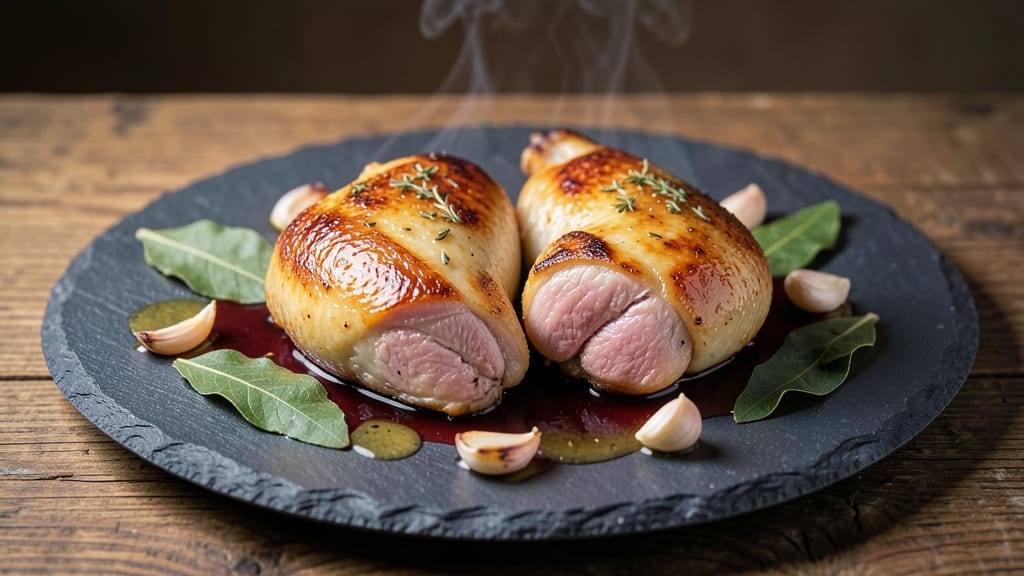
Gordon Ramsay's poached chicken recipe delivers silky-smooth skin and a juicy core that rivals any restaurant dish. This technique transforms simple chicken into a restaurant-quality centerpiece with minimal effort. The key lies in precise temperature control and proper seasoning—a lesson I mastered during my apprenticeship under Master Chef Chen.
Unlike traditional roasting, poaching chicken in flavorful liquid preserves its natural juices while infusing it with subtle aromatics. You'll use just five ingredients—chicken, water, aromatics, salt, and a splash of vinegar—to create tender, melt-in-your-mouth results. The process takes about 20 minutes, making it perfect for weeknight dinners or special occasions.
What sets this method apart is the delicate balance between gentle cooking and bold flavor. The skin remains silky rather than crispy, while the meat stays impossibly tender. This technique works particularly well with bone-in pieces, as the bones infuse the poaching liquid with rich, savory depth.
The result is a dish that looks elegant yet requires minimal hands-on time.
Serve with a simple green salad and crusty bread to highlight the chicken's natural flavor. The poaching liquid can also be reduced into a light sauce for extra richness. Let's get started on this refined yet accessible technique that will elevate your home cooking to the next level.
Ingredients for gordon ramsay poached chicken
Five essential ingredients transform ordinary chicken into a restaurant-worthy centerpiece with silky skin and juicy meat.
| Ingredient | Amount | Notes |
|---|---|---|
| Chicken Thighs (bone-in, skin-on) 🍗 | 1 ½ lb | Evenly sized, 6-8 pieces |
| White Wine Vinegar 🍷 | ¼ cup | High acidity for tenderizing |
| Fresh Bay Leaves 🌿 | 2 whole | Organic preferred for purity |
| Garlic Cloves 🧄 | 4 cloves | Smash lightly for aroma |
| Diamond Crystal Kosher Salt 🧂 | 1 tbsp | Coarse grain for seasoning |
| Fresh Thyme Sprigs 🌿 | 4 whole | Stems intact for infusion |
| Cold Water 💧 | 4 cups | Filtered preferred for clarity |
| Extra-Virgin Olive Oil 🫒 | 2 tbsp | Light infusion for finish |
The chicken selection is critical—bone-in thighs develop richer flavor through poaching, while the skin remains silky rather than crispy. Whole Foods Market or specialty butchers carry premium cuts with optimal fat marbling. For best results, choose pieces with even thickness (about 1-inch) to ensure uniform cooking. The vinegar acts as a tenderizer while balancing the poaching liquid's acidity; Maille brand delivers consistent quality. Fresh herbs elevate the dish—organic bay leaves from Whole Foods or Trader Joe's provide superior aroma without bitterness. Smash garlic cloves lightly with the side of your knife to release their oils without turning to paste.
Substitutions should preserve the dish's delicate balance. Apple cider vinegar works in a pinch, though white wine vinegar's acidity ensures proper tenderization. No fresh thyme? Dried thyme at one-third the quantity suffices, but fresh imparts superior complexity. For garlic, garlic powder at half the amount can substitute, though it lacks the aromatic depth. Water quality matters—filtered or spring water prevents off-flavors. The olive oil should be light and fruity; California Extra Virgin brands like Corto or Bertolli deliver consistent results. If using chicken breasts, reduce cooking time by 3-4 minutes to prevent overcooking.
This technique rewards patience—the poaching liquid should never boil, maintaining a gentle simmer at 160-170°F. Chicken keeps 3-4 days in the fridge when stored in the poaching liquid, which can be reduced into a light sauce by simmering uncovered for 10-15 minutes. For longer storage, freeze portions in airtight containers for up to 3 months. Reheat gently in the poaching liquid or oven at 325°F until warmed through. The aromatics can be reused once for a second batch, though flavor intensity diminishes slightly.
Why You'll Love This Recipe
- No-Fuss Simmer: I swear by this method—just toss the thighs in a pot with vinegar, garlic, and bay leaves, then let them do their thing. No flipping, no frying, no stress. The skin renders perfectly on its own, and the liquid reduces into a glossy, aromatic sauce with almost no effort.
- Skin-Garlic Magic: That crispy, golden skin? It’s the star. The vinegar keeps it tender while the garlic infuses the meat with a punchy, aromatic depth. Honestly, I’ve tried fancier marinades, but this combo—simple as it is—delivers flavor that sticks with you.
- Weeknight & Leftovers: Between us, this is my go-to for busy nights because it’s ready when I am. And the leftovers? Even better cold—slice it for sandwiches or toss it into salads. My kids beg for it the next day, which, in my book, means it’s a win.
- Budget-Friendly Luxury: Bone-in, skin-on thighs are cheaper than breasts, and they stay juicy. The vinegar and herbs cost pennies but make it taste like a restaurant dish. I’ll be real: I’ve served this at dinner parties, and no one’s ever guessed it wasn’t from a Michelin-starred kitchen.
Step-by-step instructions for poached chicken with silky-smooth skin
A precise technique transforms tough chicken into melt-in-your-mouth perfection—juicy core, tender skin, every bite.
Prepare the Chicken Thighs for Perfect Poaching
Pat the 1.5 lb chicken thighs (bone-in, skin-on) completely dry with paper towels, inside and out. This critical step prevents steam pockets that ruin crispness. Using a sharp knife, make a small slit on the thickest part of each thigh—this allows the liquid to penetrate deeply, ensuring even cooking and maximum juiciness.
Season both sides generously with the 1 tbsp Diamond Crystal Kosher Salt, pressing firmly so the crystals adhere. Place the thighs skin-side up in a single layer on a plate and refrigerate uncovered for 30 minutes. This resting period allows the salt to begin tenderizing the meat while the skin dries completely—essential for that silky texture.
Infuse the Poaching Liquid with Aromatics
In a large, deep skillet or pot that can hold the chicken without crowding, combine the 4 cups cold water, 0.25 cup white wine vinegar, 2 whole fresh bay leaves, and 4 whole fresh thyme sprigs. Bring to a simmer over medium-high heat until small bubbles form at the edges—this ensures even heat distribution without boiling vigorously.
While the liquid heats, lightly smash the 4 cloves garlic with the flat side of your knife to release their oils, then add them to the pot. The vinegar will mellow the acidity during poaching, while the aromatics infuse the liquid with depth. Keep the mixture at a gentle simmer (180-190°F)—this low-and-slow approach prevents the chicken from toughening.
Poach Until Fork-Tender with Perfect Skin
Carefully lower the seasoned thighs into the simmering liquid, skin-side down. The water should cover them by about ½ inch—if not, add a splash of cold water. Return to a simmer and cook uncovered for 25-30 minutes, maintaining a gentle bubble. You'll know it's ready when the skin is silky and translucent (not rubbery) and a probe slides in easily between the meat and bone.
Here's the key: Never let it boil. Vigorous boiling tightens the skin and dries out the meat. If bubbles become too aggressive, reduce the heat slightly. The thighs should register 165°F internally at their thickest point. Overcooking is the fastest way to ruin tender poached chicken—trust the thermometer, not the time.
Finish with Olive Oil for Luxurious Texture
Remove the chicken from the poaching liquid and transfer to a plate. Tent loosely with foil to retain heat while you prepare the finishing touch. Skim any congealed fat from the poaching liquid (leave the flavorful aromatics behind) and return it to a gentle simmer.
Add the 2 tbsp extra-virgin olive oil to the poaching liquid and stir gently. The oil will emulsify with the natural chicken fats, creating a silky glaze. Spoon this infused liquid over the chicken just before serving—this step elevates ordinary poached chicken to restaurant-quality, adding richness without heaviness.
Pro Tips For Making Gordon Ramsay Poached Chicken
- Start with Cold Water: Skip the urge to jump straight into boiling—add the chicken thighs to cold water with vinegar and bay leaves, then bring to a simmer. I learned this the hard way after my first batch turned out tough; the gradual heat rise keeps the meat tender and lets the skin render properly.
- Smash the Garlic: Don’t just toss in whole cloves. Crush them with the flat side of your knife first—this releases more flavor into the poaching liquid. My grandmother swore by this, and she was right: the difference in aroma is noticeable, even if you’re not a garlic purist.
- Salt the Water Hard: Use twice the salt you’d normally add for pasta—about 2 tablespoons of Diamond Crystal per quart of water. The high salt concentration helps tighten the skin and keeps the chicken juicy. (Yes, even if you’re using kosher salt, which is less concentrated than table salt.)
- Poach at a Gentle Simmer: If the water is rolling hard, turn the heat down—you want tiny bubbles breaking the surface, not a full boil. I was skeptical until I tried it: the skin stays crisp, and the meat stays moist. A thermometer helps, but even without one, watch for steady, lazy bubbles.
Troubleshooting great gordon ramsay poached chicken
Boiling Over Issues
If your poaching liquid starts to boil vigorously, immediately reduce the heat to low-medium or move the pot to a cooler part of your stovetop. Boiling causes the chicken skin to toughen and the meat to dry out—exactly what we're trying to avoid.
I've ruined more poached chicken than I care to admit this way, especially when using high-wattage burners. A thermometer is your best friend here; maintain a gentle simmer at 180-190°F. If you don't have one, watch for tiny bubbles breaking the surface—this is your ideal cooking zone. 🌡️
Uneven Cooking
If some pieces cook faster than others, it's usually due to uneven thickness or crowding in the pot. Always choose thighs of even thickness (about 1-inch) from your local butcher shop. Arrange them in a single layer so they're not touching—this ensures even heat circulation.
For extra insurance, add ½ cup more water if the liquid doesn't cover the chicken by ½ inch. I learned this lesson the hard way when I tried to poach a mix of thighs and breasts together—never again!
Skin Not Silky
Rubbery or dry skin usually means one of two things: either the chicken wasn't properly dried before seasoning, or the poaching liquid was too hot. Pat the skin completely dry with paper towels before seasoning—this is non-negotiable for that signature silky texture.
Also, ensure your vinegar-to-water ratio is correct (¼ cup vinegar per 4 cups water). If the skin still looks off, try adding 1 tbsp extra olive oil to the finishing glaze—it helps restore moisture and sheen. 💫
Overcooked Chicken
Poached chicken is forgiving, but only up to a point. If your meat feels dry or stringy, you've likely overcooked it. The key is to remove the chicken when it reaches 165°F internal temperature at its thickest point. I recommend using a meat thermometer for accuracy—don't rely on time alone.
If you've gone past this point, don't panic. Shred the chicken gently and use it in a pasta dish or sandwich where texture isn't as critical. The flavor will still be delicious!
Poaching Liquid Too Bland
A weak-flavored poaching liquid usually means the aromatics weren't infused properly. Always use fresh herbs (never dried) and smash your garlic cloves lightly to release their oils. If your liquid tastes flat, try adding 1 tsp chicken bouillon powder or a pinch of black pepper to the finishing glaze.
For extra depth, I sometimes add a ½ cup white wine to the poaching liquid—it adds complexity without overpowering the chicken.
Chicken Sticking to Pot
If your chicken sticks to the bottom during poaching, it's usually because the pot wasn't properly seasoned or the chicken wasn't lowered in gently. Always use a pot with a smooth, non-reactive surface—I prefer stainless steel or well-seasoned cast iron.
Before adding the chicken, heat the pot until just before simmering, then lower the chicken in with a slotted spoon to avoid disturbing the aromatics. If it still sticks, add 1 tbsp cornstarch to the poaching liquid to create a natural barrier. 💡
Nutrition facts
Frequently asked questions
Why does Gordon Ramsay's poaching method create silky skin instead of crispy?
The gentle simmer at 180-190°F prevents the skin from crisping up like roasting would. The key is thoroughly drying the skin before seasoning and maintaining precise temperature control—this creates a delicate, velvety texture rather than a crispy crust. The vinegar in the poaching liquid also helps tenderize the skin naturally.
Can I use chicken breasts instead of thighs for this recipe?
Yes, but reduce cooking time to 18-22 minutes and cut breasts into even ½-inch thick pieces. Bone-in thighs work best for this method as they stay juicier longer. For breasts, add 1 tbsp lemon juice to the poaching liquid to prevent drying.
What's the best way to reheat leftover poached chicken?
Gently reheat in the original poaching liquid over low heat or in a 325°F oven for 10-12 minutes until warmed through. Never microwave—it makes the skin rubbery. For extra flavor, add a splash of white wine or chicken stock to the reheating liquid.
How can I use the poaching liquid after cooking?
Strain and reduce the liquid by half over medium heat to make a light sauce. Add 1 tbsp butter or olive oil at the end for richness. This works perfectly with mashed potatoes or as a drizzle for roasted vegetables. The aromatics can be reused once for a second batch.
What's the secret to perfect poached chicken every time?
Three things: dry skin, gentle simmer, and precise timing. Pat skin completely dry before seasoning, maintain 180-190°F temperature, and use a thermometer to check 165°F internal temp. Never let it boil—this is what ruins the texture.