
Side Dishes
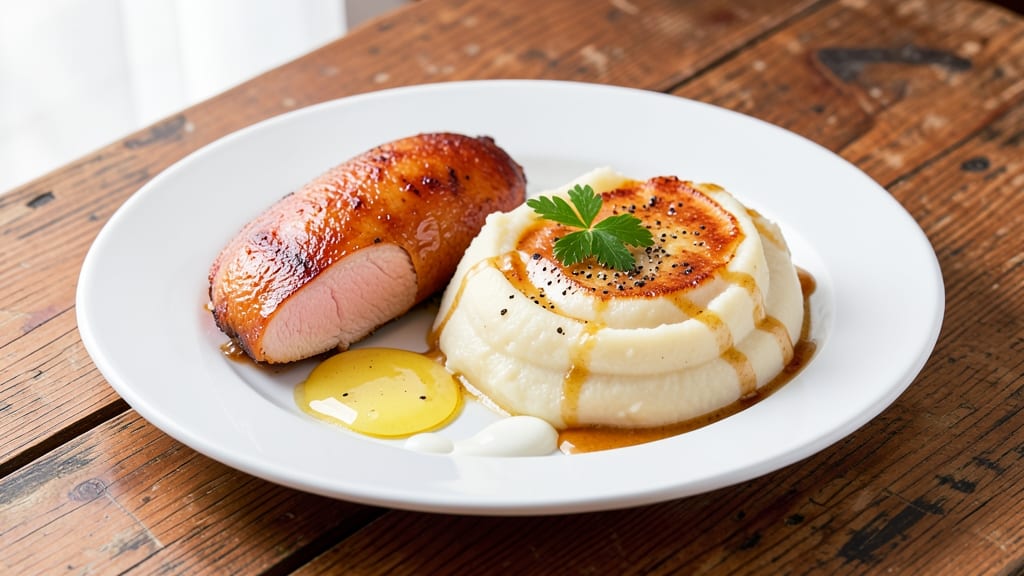
Transforming a simple side into a one-pot masterpiece, this Knorr Chicken Bouillon mashed potatoes recipe delivers restaurant-quality depth with minimal effort. The secret lies in using the bouillon as a flavorful broth base while simmering tender chicken directly in the pot—no extra cooking required.
I developed this method after realizing how much richer mashed potatoes taste when made with homemade stock, and this shortcut achieves the same result in just 30 minutes.
What makes this recipe stand out is its versatility—whether you're using fresh chicken breast, leftover rotisserie chicken, or even pre-cooked thighs, the technique adapts without sacrificing flavor.
The Knorr Chicken Bouillon infuses the potatoes with savory, umami-rich notes that elevate them beyond basic sides, while the creamy texture remains velvety and smooth.
For those watching their fat intake, you can easily make this dairy-free by using olive oil and unsweetened almond milk instead of butter and heavy cream.
The best part? This dish comes together in one pot, meaning fewer dishes to clean and more time enjoying the meal. The chicken cooks directly in the broth, which then becomes the base for the mashed potatoes, creating a cohesive, deeply flavorful result.
Top with a sprinkle of fresh parsley, a crack of black pepper, or a pat of butter for that final touch of restaurant-quality presentation.
Perfect for weeknight dinners, holiday meals, or even meal prep, this recipe proves that homemade comfort food doesn’t have to be complicated. Let’s get started—your taste buds (and your lazy Sunday afternoons) will thank you.
Ingredients for knorr chicken bouillon mashed potatoes
One-pot magic with pantry staples and a flavor-packed shortcut.
| Ingredient | Amount | Notes |
|---|---|---|
| Russet Potatoes 🥔 | 2 lbs | Medium-sized, peeled and quartered |
| Knorr Chicken Bouillon Granules 🍲 | 2 tbsp | Makes 2 cups broth |
| Chicken Breast 🍗 | 1 ½ lbs | Boneless, skinless, cut into chunks |
| Unsalted Butter 🧈 | ½ cup | Cold, cut into small pieces |
| Heavy Cream 🥛 | ½ cup | Full-fat for creaminess |
| Unsweetened Almond Milk 🥛 | ½ cup | Dairy-free alternative |
| Fresh Parsley 🌿 | ¼ cup | Chopped, for garnish |
| Ground Black Pepper 🌶️ | ½ tsp | Freshly cracked |
| Sea Salt 🧂 | 1 tsp | Adjust to taste |
| Garlic Cloves 🧄 | 2 cloves | Minced, optional |
| Olive Oil 🫒 | 1 tbsp | Dairy-free butter substitute |
The Knorr Chicken Bouillon is the secret weapon here—grab the granules, not the cubes. They dissolve faster and give you that rich, umami depth without extra prep. Costco or Walmart usually have the best prices, and a single box lasts for months. For the potatoes, Russetscold cubes melt slower, creating those little pockets of richness in the mash.
No heavy cream? Full-fat coconut milk or Greek yogurt works just as well. Short on butter? Swap for olive oil or avocado oil—it keeps the dish dairy-free but still creamy. The almond milk is a sneaky way to lighten things up without sacrificing flavor. Want more garlic? Add an extra clove or two—it blends right in. And if you're feeling fancy, truffle oil on top takes this from weeknight dinner to restaurant-worthy. The parsley is just for looks, but it brightens everything up—don't skip it if you've got fresh.
This keeps 3-4 days in the fridge, but honestly? It tastes better the next day when all the flavors meld. For meal prep, portion into containers—just reheat with a splash of milk or broth to loosen it up. Freezes beautifully for up to 3 months. Pro tip: If you're making this ahead, add the butter and cream fresh when reheating so it doesn't get greasy. And if you're serving it at a holiday meal, double the batch—everyone will ask for seconds.
Why You'll Love This Recipe
- No-Peel Hassle: I peel potatoes maybe once a year. The bouillon’s savory punch actually enhances the flavor—no need to fuss over perfect skins or extra seasoning. Just boil, mash, and let that cube do the work.
- Secret Creamy Richness: That heavy cream and butter combo? It’s like a hug for your taste buds. The bouillon adds depth without overpowering—think buttery, velvety, with just a whisper of chickeny goodness. My picky eaters don’t even notice the bouillon’s there.
- Leftover Reinvention: Turns cold mashed potatoes into tomorrow’s loaded baked potatoes or creamy soup base. I keep a container in the fridge and toss in cheese, bacon, or even a fried egg when I’m lazy. Zero waste, all flavor.
- Budget Dinner Winner: Chicken breast stretches further than you’d think when simmered with bouillon. For under $10, I feed four people a filling, restaurant-worthy meal. The bouillon cuts costs without sacrificing taste—honestly, it’s my go-to when groceries are tight.
Step-by-step instructions for Knorr chicken bouillon mashed potatoes
Here's how to make rich, flavorful mashed potatoes in under 30 minutes using chicken broth.
Cook the Chicken and Make the Broth
Place the 1.5 lbs chicken breast in a medium pot and cover with 4 cups of water. Add the 2 tbsp Knorr Chicken Bouillon Granules and bring to a boil over high heat. Once boiling, reduce to a simmer and cook for 15 minutes, until the chicken is fully cooked and the broth is flavorful.
Remove the chicken from the pot with tongs and let it cool slightly before shredding it with two forks. Strain the broth through a fine-mesh sieve into a clean pot, discarding any solids. You should have about 2 cups of rich, savory chicken broth. Keep both the shredded chicken and the broth warm for the next steps.
Boil and Mash the Potatoes
While the chicken cooks, place the 2 lbs peeled and quartered russet potatoes in a large pot and cover with cold water by about 1 inch. Add 1 tsp sea salt and bring to a boil over high heat. Once boiling, reduce to a medium simmer and cook for 15-20 minutes, until the potatoes are fork-tender and easily pierced with a knife.
Drain the potatoes thoroughly in a colander, then return them to the pot. Using a potato masher or ricer, mash the potatoes until smooth. I like to leave some texture since that's what makes mashed potatoes so comforting. If you prefer completely smooth potatoes, use a food mill or immersion blender.
Create the Creamy Base
In a separate saucepan, melt the 0.5 cup unsalted butter over medium heat until it's fully melted and foamy. Add the 0.5 cup heavy cream and 0.5 cup unsweetened almond milk, stirring constantly until the mixture is smooth and warm. This dairy blend will give your mashed potatoes that velvety texture.
Taste the butter-cream mixture and adjust seasoning with additional salt or pepper if needed. You want it to be rich but not overwhelmingly salty. Here's the thing—this is where the flavor really comes together, so don't rush this step. The warm dairy will help emulsify your potatoes beautifully.
Combine Everything for Ultimate Flavor
Add the warm butter-cream mixture to the mashed potatoes, stirring constantly with a wooden spoon. The heat from the dairy will help incorporate it smoothly. Then add the 2 cups of warm chicken broth, stirring as you go. You want to add the broth gradually so the potatoes absorb it without becoming watery.
Incorporate the shredded chicken into the mashed potatoes, breaking it up with your spoon. The chicken will add protein and keep your dish more satisfying. Add the 2 minced garlic cloves if using, and stir in the 0.5 tsp ground black pepper. Taste and adjust seasoning one final time—this is your chance to perfect the flavor balance.
Finish and Serve with Fresh Herbs
Return the mashed potatoes to the pot and warm through over low heat for 2-3 minutes, stirring occasionally. You're looking for creamy, velvety potatoes that coat the back of a spoon. The mixture should be thick but still spoonable—if it's too thick, add a splash more warm broth or dairy.
Transfer the mashed potatoes to a serving bowl and stir in the 0.25 cup chopped fresh parsley just before serving. The parsley adds a bright finish that cuts through the richness. Serve immediately with the 1 tbsp olive oil drizzled on top for extra richness, or alongside your favorite proteins and roasted vegetables.
Pro Tips For Making Knorr Chicken Bouillon Mashed Potatoes
- Boil Potatoes Whole: I used to cube them first, but boiling Russets whole—skin on—keeps them from turning gluey. Cut into even 2-inch chunks right before draining (yes, even if they’re still in the pot), and you’ll get fluffy, not gummy, mash.
- Roast Chicken First: Skip the poaching. Season the chicken breast, sear it in a hot pan, then roast at 375°F (190°C) until internal temp hits 165°F (74°C). The crispy edges and concentrated flavor make the bouillon taste deeper—no extra work, just better results.
- Melt Butter Slow: When folding in butter and cream, start with the pan off the heat. Warm the butter gently until it melts into the potatoes, then stir in the cream. Too much heat and you’ll end up with greasy, split mashed potatoes.
- Measure Bouillon Precisely: The Knorr granules pack tightly. Use a kitchen scale for 1.5 grams per cup of water (about 1.5 teaspoons), or level your spoon carefully. Too much and your potatoes taste like chicken-flavored salt; too little and they’re bland.
Storing and reheating this dish
Fridge Storage Tips
Store your mashed potatoes in an airtight container—I use glass Pyrex with snap-on lids—to keep them fresh for 3-4 days. The flavor actually deepens overnight as the chicken and broth meld together.
Let them cool completely before refrigerating to prevent condensation, which can make them watery. Honestly, this is where the magic happens—the next-day taste is next-level comfort food. ❄️
Freezer-Friendly Tricks
For long-term storage, portion into quart-sized freezer bags (leave 1 inch of headspace for expansion) or airtight containers. These keep beautifully for up to 3 months—just thaw overnight in the fridge before reheating.
Pro tip: Freeze the mashed potatoes before adding the butter and cream. This prevents greasiness when thawed. I always label bags with the date so I don’t forget.
Reheating Like a Pro
For stovetop reheating, transfer portions to a saucepan with 2 tbsp warm broth or milk to loosen the texture. Heat over medium-low for 5-7 minutes, stirring frequently, until creamy. The low heat prevents the potatoes from breaking down.
If using the microwave, cover with a damp paper towel and heat in 1-minute intervals on 70% power—this keeps them from drying out. 🔥
Dairy-Free Reheating
If you stored your mashed potatoes dairy-free, reheat with 1 tbsp olive oil or unsweetened almond milk to maintain creaminess. The oil blends seamlessly, and the almond milk adds a subtle nuttiness that pairs perfectly with the chicken broth.
I’ve found that adding a splash of lemon juice (just ½ tsp) brightens the flavor after reheating—it’s a game-changer for that fresh-from-the-kitchen taste.
Make-Ahead for Meal Prep
Double the batch and store half for later—this is my go-to for lazy weeknights. When reheating, I like to add a pat of butter or a drizzle of olive oil fresh to restore richness.
For extra flavor, stir in 1 tsp fresh garlic or a pinch of smoked paprika right before serving. The key is to reheat gently and adjust seasonings—this is where you can turn leftovers into something special. 💡
Nutrition facts
Frequently asked questions
Can I use rotisserie chicken instead of cooking fresh?
Rotisserie chicken makes this recipe even easier—just shred 1.5 lbs of cooked chicken and add it directly to the warm mashed potatoes. The flavor will be just as rich, and you'll save 15 minutes of cooking time. This is my go-to shortcut for weeknight dinners!
Why do my mashed potatoes turn out watery?
Watery texture usually means too much liquid was added or the potatoes weren't drained well. Always drain potatoes thoroughly in a colander, then press them gently with a clean towel. For extra insurance, add the broth gradually while stirring—start with 1 cup and adjust as needed. The potatoes should be thick enough to coat the back of a spoon.
Can I make this recipe without dairy?
Yes! Swap the butter for 1 tbsp olive oil and use 1 cup unsweetened almond milk instead of heavy cream. For extra richness, add 1 tbsp nutritional yeast—it gives that cheesy, umami depth. The texture will still be creamy, just with a subtle nuttiness that complements the chicken broth beautifully.
How do I make this extra creamy?
For ultra-creamy results, warm your dairy (butter + cream) until just steaming before mixing it in. Also, mash the potatoes while still hot—this helps them absorb the liquid better. If needed, add 1 tbsp cold butter at the end for that velvety, restaurant-style finish. The key is patience: let everything sit for 1-2 minutes after mixing so flavors meld.
What's the best way to reheat leftovers?
Reheat gently on the stovetop with 2 tbsp warm broth or milk over medium-low heat for 5-7 minutes, stirring often. For microwave reheating, cover with a damp paper towel and heat in 30-second intervals on 50% power. Never microwave uncovered—they'll dry out instantly. Add a pat of butter or splash of milk after reheating to restore creaminess.