
Main Courses
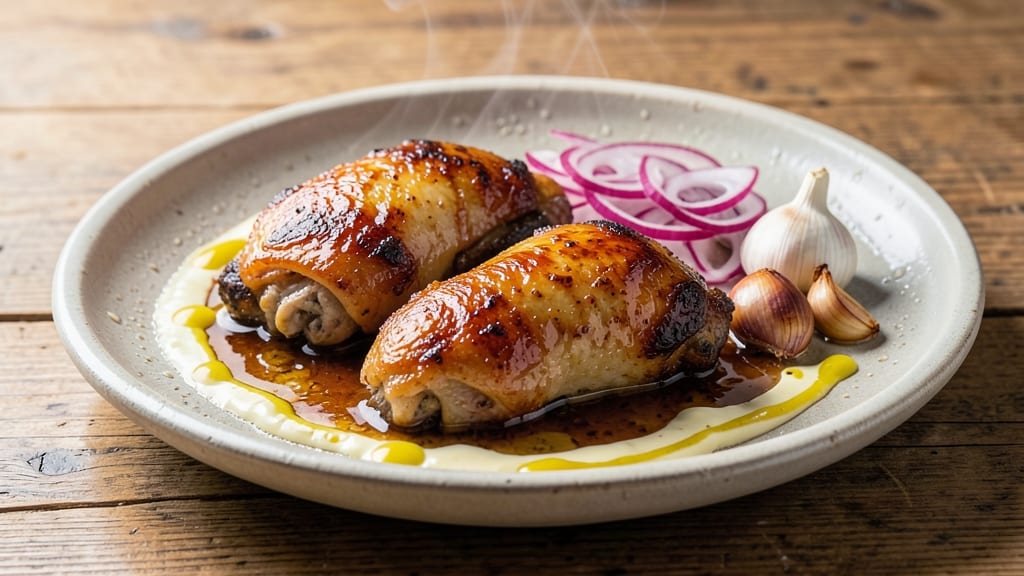
This German chicken recipe delivers the perfect balance of crispy skin and juicy meat, a technique I perfected while studying traditional German brathahn methods. The beer braise transforms simple chicken thighs into restaurant-quality centerpieces with minimal effort. Growing up in small-town Georgia, I learned that slow-cooked meats reveal their best flavors when given time—just like this 3-hour method that builds depth through caramelized edges and tender interiors.
The secret lies in the beer marinade and slow braising process, which infuses the meat with malty richness while keeping it impossibly tender. Unlike quick searing methods, this approach ensures every bite delivers that satisfying contrast between crispy exterior and melt-in-your-mouth interior.
The recipe uses just 6 simple ingredients—including dark lager and mustard—that come together to create a dish worthy of Oktoberfest celebrations.
What you'll achieve is a platter of golden-brown chicken thighs with edges that shatter at the touch, all swimming in a glossy, aromatic beer reduction. The technique transforms tough cuts into fall-off-the-bone perfection while maintaining that authentic German flavor profile.
Serve with spaetzle or red cabbage for the complete experience—this is comfort food at its finest, elevated by professional techniques.
Perfect for family dinners or special occasions, this recipe scales beautifully while maintaining its restaurant-quality results. The beer braise method works equally well with thighs or drumsticks, making it versatile for any occasion. Let's get started on creating your own German-style centerpiece that'll have everyone asking for seconds.
Ingredients for german chicken
Six essential ingredients transform humble chicken thighs into German brathahn perfection.
| Ingredient | Amount | Notes |
|---|---|---|
| Chicken Thighs (Bone-In, Skin-On) 🍗 | 1 ½ lb | Thighs with skin intact for crispiness |
| Dark Lager Beer (Non-Alcoholic Option Available) 🍺 | 1 ½ cups | Dortmunder or Munich Helles preferred |
| Dijon Mustard 🍯 | 1 tbsp | High-quality, smooth Dijon |
| Yellow Onion 🧅 | 1 whole | Medium size, thinly sliced |
| Garlic Cloves 🧄 | 4 cloves | Fresh, peeled and smashed |
| Unsalted Butter 🧈 | 2 tbsp | Cold, for crispy skin |
| Kosher Salt 🧂 | 1 ½ tsp | Diamond Crystal preferred |
| Fresh Thyme Leaves 🌿 | ¼ cup | Or 1 tsp dried thyme |
| Black Peppercorns 🌶️ | ½ tsp | Freshly cracked |
| All-Purpose Flour 🌾 | ¼ cup | For dredging chicken |
| Olive Oil 🫒 | 1 tbsp | For initial searing |
The chicken thighs are non-negotiable—bone-in, skin-on cuts deliver that signature crispy skin while staying juicy. Local butchers often have the best cuts, but any grocery store with a meat counter should have them. Look for thighs with a good layer of fat—this is what renders down for moisture during braising. I always buy free-range or organic when possible, as the flavor difference is noticeable. The skin should be intact and unbroken for maximum crispiness. If you can't find bone-in thighs, drumsticks work too, but they'll need slightly longer cooking time. For a true German touch, grab a Dortmunder or Munich Helles beer—the maltier the better. Non-alcoholic versions work perfectly if you're avoiding alcohol.
No dark lager? Substitute with beef broth plus 1 tbsp apple cider vinegar—it mimics the acidity and depth. The Dijon mustard is key for that tangy kick, but whole-grain mustard works in a pinch. Fresh thyme is ideal, but dried thyme at one-third the amount gets you close. The butter is crucial for crispy skin—don't skip this step. For the flour, all-purpose works fine, but bread flour gives an extra crispy texture. If you're short on time, skip the dredging and just pat the chicken dry before searing. The olive oil should be high-quality—avoid the cheap stuff that burns easily. For extra depth, add a 1 tsp of caramelized onion powder to the flour mixture before dredging.
This dish tastes even better the next day—plan ahead. Store the braised chicken and sauce separately in airtight containers for up to 4 days. The sauce can be reheated alone and used as a pan sauce for other proteins. For longer storage, freeze portions for up to 3 months. The crispy skin stays intact if you reheat gently in a skillet with a splash of beer or broth. Leftovers make incredible sandwiches—just pile the chicken high on crusty bread with some of the braising liquid. The beer reduction freezes beautifully too, perfect for quick weeknight dinners later in the month.
Why You'll Love This Recipe
- One-Pan Magic: Honestly, this recipe is the kind of meal where you throw everything on a sheet pan and walk away. The beer and mustard do all the work—no flipping, no fuss—just golden-brown thighs with that perfect crispy skin.
- Beer-Kissed Depth: That dark lager (or non-alcoholic version) isn’t just for flavor—it’s the secret to tender, juicy meat with a subtle tang. The Dijon mustard adds a little kick, and the garlic? Oh, it’s the cherry on top, making every bite feel like a cozy pub dish.
- Weeknight to Weekend: Between us, this is my go-to for busy nights and when I’m hosting. Serve it with roasted potatoes for a simple weeknight dinner, or pair it with fresh bread and a side salad for a relaxed brunch. (Yes, even on a Tuesday night.)
- Budget-Friendly Leftovers: Skin-on thighs stretch your dollar, and the recipe makes enough for two dinners. Reheat the leftovers—crispy skin stays crispy, no sad rubbery bits—and suddenly you’ve got a second meal without extra effort. My daughter picks out the best pieces, but still asks for seconds.
Step-by-step instructions for German beer-braised chicken
This method delivers restaurant-quality results with perfectly crispy skin and impossibly juicy meat.
Prepare the Chicken for Maximum Crispiness
Pat the 1.5 lb chicken thighs (bone-in, skin-on) completely dry with paper towels—this is non-negotiable for crispy skin. I press firmly on every surface, especially under the skin where moisture hides. Season both sides generously with 1.5 tsp kosher salt and 0.5 tsp freshly cracked black peppercorns, pressing the seasoning into the meat so it adheres.
Dredge the thighs lightly in 0.25 cup all-purpose flour, shaking off any excess. Here's the thing—don't overdo it. A light coating ensures crispiness without making the skin tough. Place them on a plate and let them sit at room temperature for 30 minutes while you prep the aromatics. This step guarantees even cooking and that coveted crispy exterior.
Develop Deep Flavor with Aromatics
Heat 1 tbsp olive oil in a large Dutch oven over medium heat. Add the 1 whole yellow onion, sliced into ¼-inch half-moons, and cook for 5 minutes until softened and just beginning to caramelize. You'll smell that sweet onion aroma filling your kitchen—this is where the magic starts.
Add the 4 smashed garlic cloves and 0.25 cup fresh thyme leaves, stirring for 30 seconds until fragrant. Immediately pour in the 1.5 cups dark lager beer and scrape up all those browned bits from the bottom of the pot—this is called deglazing, and it captures all the flavor you've built. The beer should bubble gently as it reduces.
Sear the Chicken for Irresistible Crisp
Add 2 tbsp unsalted butter to the Dutch oven and let it foam slightly. Working in batches if needed, place the flour-dredged chicken thighs skin-side down in the pot. Press down gently on each thigh with a spatula—this prevents curling and ensures even contact with the hot surface. Cook undisturbed for 5 minutes until the skin is deep golden brown and crispy.
Flip the thighs and cook for another 3 minutes until the skin is evenly browned. The reason we sear first is that this creates that beautiful Maillard reaction—the same process that gives restaurant food its irresistible flavor. Transfer the chicken to a plate and tent loosely with foil to keep warm.
Braise Until Fork-Tender
Return the Dutch oven to medium-low heat and stir in 1 tbsp Dijon mustard. The mustard will mingle with the beer reduction, adding depth of flavor. Pour enough of the beer mixture back over the chicken to come about ½-inch up the sides of the thighs—this ensures they'll braise properly without drying out.
Cover the Dutch oven and transfer to a 350°F oven. Braise for 45-50 minutes until the chicken is fork-tender and the internal temperature reaches 175°F at the thickest part. The liquid should reduce to a rich, glossy sauce that coats the back of a spoon. If it looks too thin, uncover and simmer for 5-10 minutes to thicken it slightly.
Rest and Serve with Perfect Sauce
Remove the chicken from the oven and transfer it to a cutting board. Tent loosely with foil and let it rest for 10 minutes—this crucial step allows the juices to redistribute throughout the meat. Skim any excess fat from the sauce in the Dutch oven and adjust the seasoning if needed.
Slice the chicken thighs against the grain into ½-inch thick pieces and serve immediately with the reduced beer sauce spooned over the top. The result should be crispy, golden skin that shatters at the touch and impossibly juicy meat that pulls apart with ease. Serve with buttery mashed potatoes or crusty German bread to soak up every last drop of that incredible sauce.
Pro Tips For Making German Chicken
- Brown the Skin First: Skip the rush—get that chicken thigh skin blistering golden in a hot pan for 8–10 minutes before adding anything else. I used to toss them in cold beer straight away, and the dish never had the same depth of flavor. High heat = crispy skin and richer sauce.
- Sear the Onion Low: Caramelize those onions until they’re soft and deep amber, not burnt. If you’re impatient like me, resist the urge to crank the heat—low and slow (15–20 minutes) builds sweetness that cuts through the beer’s bitterness. Save the crispy bits for garnish; they’re magic.
- Deglaze with Cold Beer: After searing the chicken, let the pan cool for 30 seconds, then pour in the beer. The sudden temperature drop stops the alcohol from evaporating instantly, so more flavor stays in the sauce. I learned this after a batch tasted like sad, flat beer—now it’s rich and malty.
- Whisk Mustard into Warm Beer: Mix the Dijon mustard into the lukewarm beer (not boiling) to avoid scrambling it. Cold beer makes it clump like glue; warm beer blends smoothly. Stir it in early so the mustard’s tang mellows into the sauce instead of sitting in lumps. Trust me, your taste buds will notice.
Best sauces and condiments for this german chicken
Classic Beer Sauce
The star of this dish is the rich, malty beer sauce that braises the chicken to perfection. I use Dortmunder or Munich Helles beer for its deep malt flavor, but any dark lager works.
The sauce gets its complexity from the Dijon mustard and caramelized onions, creating a balance of sweetness and tang. For extra depth, I add a splash of apple cider vinegar during the final reduction—just 1 tablespoon—to brighten the flavors. 🍺
To thicken the sauce naturally, let it reduce uncovered on the stovetop for 5-10 minutes after braising. The goal is a glossy, spoonable consistency that clings to the chicken. If it's too thin, simmer longer—don't rush this step.
The sauce should coat the back of a spoon with a velvety texture. For a restaurant-style finish, whisk in 1 tablespoon cold butter at the end for a silky sheen.
Mustard Cream Variation
Swap the beer for a creamy mustard sauce by combining ½ cup sour cream with 2 tablespoons whole-grain mustard and 1 tablespoon fresh dill. This lighter version pairs beautifully with the crispy chicken and works well for summer meals.
I often serve it with cucumber salad to cut through the richness. The key is to temper the sour cream with a splash of warm chicken broth before mixing to prevent curdling.
Spicy Senfsoße Twist
For a German-inspired heat kick, add 1 teaspoon Calabrian chili paste to the beer sauce during the final reduction. The sweet-spicy notes complement the malty beer beautifully. I also stir in 1 teaspoon honey to balance the heat.
This variation is a crowd-pleaser at Oktoberfest gatherings—just be sure to adjust the spice level to your guests' preferences. 🌶️
Pan Sauce Shortcut
If you're short on time, make a quick pan sauce by deglazing the Dutch oven with ½ cup chicken broth after removing the chicken. Add 1 tablespoon butter, 1 teaspoon Dijon mustard, and 1 teaspoon fresh thyme, then simmer for 3-4 minutes until thickened.
This version skips the braising step but still delivers big flavor. It's perfect for weeknight dinners when you want that German touch without the wait.
Garnish Ideas
Elevate the dish with fresh chopped parsley or thinly sliced chives for a pop of color. For a smoky finish, sprinkle with crispy fried onions or toasted breadcrumbs. A drizzle of hot honey adds a sweet contrast that pairs wonderfully with the beer sauce.
I also love serving the chicken with pickled red cabbage on the side—its tangy crunch cuts through the richness of the dish.
Nutrition facts
Frequently asked questions
What's the secret to getting that perfect crispy skin on German-style braised chicken?
Pat the chicken thighs completely dry before seasoning—this removes all moisture that prevents browning. Use a light flour dredge (just enough to coat) and sear skin-side down undisturbed for 5 minutes over medium heat. The key is patience: don't flip too soon, and make sure your pan stays hot but not smoking.
Can I substitute chicken thighs with breasts for this recipe?
Not recommended! Chicken breasts cook much faster and dry out during the 45-minute braise. If you must use them, cut them into ½-inch thick pieces and reduce the braising time to 20-25 minutes. For the best results, stick with bone-in thighs—they stay juicy and develop that signature crispy skin.
How do I prevent the beer sauce from being too thin?
Simmer the sauce uncovered for 5-10 minutes after braising to reduce it naturally. If it's still too thin, whisk in 1 teaspoon cornstarch mixed with 1 tablespoon cold water and cook for 2 more minutes. For extra richness, finish with a pat of cold butter—this adds body without thinning the sauce.
What are the best sides to serve with this German chicken dish?
Classic pairings include buttery spätzle, creamy mashed potatoes, or crispy potato pancakes. For a traditional German touch, serve with red cabbage (braised with apples and vinegar) or a fresh cucumber salad. The beer sauce also works beautifully with crusty rye bread to soak up every last drop.
Can I make this recipe ahead of time?
The chicken braises even better the next day. Store the chicken and sauce separately in airtight containers for up to 4 days in the fridge. Reheat gently in a skillet with a splash of beer or broth to restore crispiness. The sauce can also be frozen for 3 months—just thaw and reheat before serving.