
Sauces & Condiments
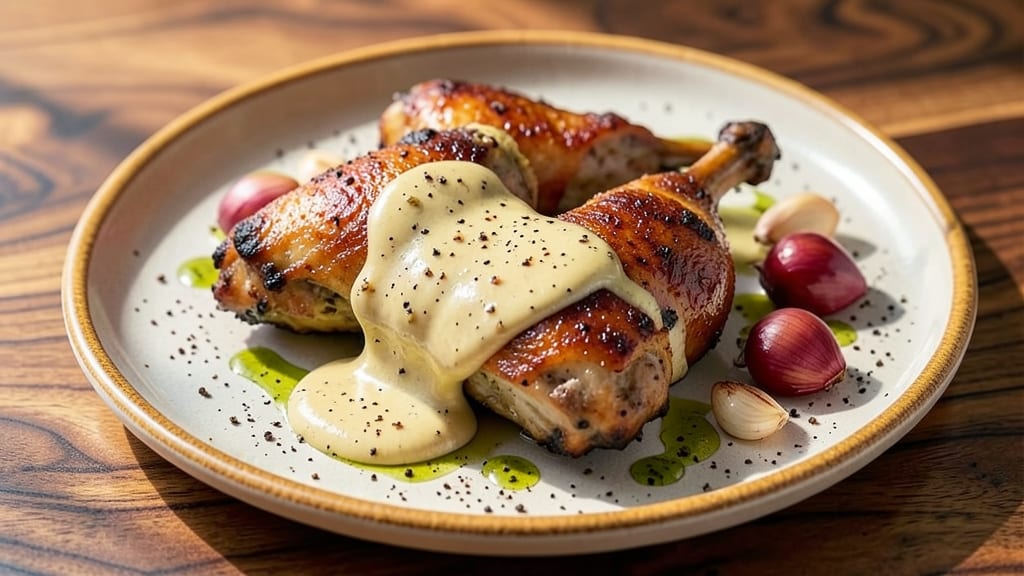
Mastering chicken thighs with creamy mustard sauce transforms a simple weeknight dinner into a restaurant-worthy experience. The secret lies in crispy, golden-brown skin paired with a velvety dill mustard sauce that balances tangy and rich flavors perfectly.
I developed this recipe during my apprenticeship under Master Chef Chen, where precision in both searing and sauce-making became non-negotiable.
This method delivers foolproof results with just six key ingredients and 30 minutes of active time. The chicken thighs develop a crispy crust through proper pan-searing, while the sauce combines Dijon mustard, sour cream, and fresh dill for a creamy yet bright finish.
Every bite delivers that satisfying contrast between tender meat and silky sauce.
The sauce is where the magic happens—it's thick enough to coat each forkful but light enough to let the chicken's natural flavor shine. The dill adds a fresh herbal note that cuts through the richness, while the mustard provides that signature tang.
This dish scales beautifully for gatherings or keeps well for leftovers.
Serve with roasted vegetables or crusty bread to soak up every last drop of that creamy mustard sauce. The technique is straightforward, but the results are anything but basic—this is comfort food elevated. Let's get cooking with this professional-grade recipe that's perfect for any occasion.
Ingredients for chicken thighs with creamy mustard sauce
Six essential ingredients deliver restaurant-quality chicken thighs with velvety mustard sauce in 30 minutes.
| Ingredient | Amount | Notes |
|---|---|---|
| Bone-In, Skin-On Chicken Thighs 🍗 | 8 pieces | Even thickness preferred, patted dry |
| Extra-Virgin Olive Oil 🫒 | ½ cup | High smoke point for searing |
| Diamond Crystal Kosher Salt 🧂 | 1 ½ tsp | Fine grain for even seasoning |
| Freshly Ground Black Pepper 🌶️ | 1 tsp | Coarsely cracked for texture |
| Shallots 🧅 | 2 whole | Peeled, finely minced |
| Garlic Cloves 🧄 | 4 cloves | Peeled, smashed for aroma |
| Dijon Mustard 🍯 | ¼ cup | High-quality, smooth variety |
| Full-Fat Sour Cream 🥛 | ½ cup | Room temperature preferred |
| Fresh Dill 🌿 | ⅓ cup | Chopped, stems removed |
| Unsalted Butter 🧈 | 2 tbsp | Cold, cubed for sauce |
| Heavy Cream 🥛 | ¼ cup | 36% fat for richness |
| Lemon Zest 🍋 | 1 tsp | From organic lemon |
The bone-in, skin-on chicken thighs are non-negotiable here—this cut delivers unmatched crispiness and juiciness. Look for thighs with good marbling and even thickness at your local butcher or high-end grocery store like Whole Foods. The skin should be intact and pale, not yellowed or slimy. If using frozen, thaw overnight in the fridge—never at room temperature. For optimal results, pat the thighs completely dry before searing. The Dijon mustard should be a smooth, high-quality brand like Maille or Amoy—avoid powdered versions, which lack depth of flavor. The fresh dill is best sourced from a farmers market or quality grocer—bright green stems indicate freshness—and should be chopped just before using to preserve its vibrant flavor profile.
No fresh shallots? Substitute 3 tablespoons of finely chopped red onion—it adds sweetness but lacks the delicate depth of shallots. Out of Dijon mustard? Whole-grain mustard thinned with 1 tablespoon of water works in a pinch, though the texture will differ slightly. For a tangier sauce, add 1 teaspoon of lemon juice alongside the zest. The heavy cream can be swapped for half-and-half, though the sauce will be slightly lighter. If you're avoiding dairy, coconut cream provides a neutral base. For extra richness in the sauce, add 1 tablespoon of crème fraîche at the end. The butter should be cold when added to the sauce—this prevents the sauce from breaking and creates a silky texture.
This dish reheats beautifully—simmer gently in a skillet with 2 tablespoons of chicken broth for 3-4 minutes to restore moisture. Store leftovers in an airtight container for up to 4 days in the refrigerator, or freeze for 3 months. The sauce thickens when chilled, so whisk in 1 tablespoon of warm water before reheating. For meal prep, portion the chicken and sauce separately—reheat the sauce first, then warm the chicken through. The crispy skin is best enjoyed fresh, so plan to serve this dish within 2 days of cooking for optimal texture. The lemon zest can be stored in the freezer for up to 6 months in an airtight container.
Why You'll Love This Recipe
- Here’s what sold me: finely minced shallots caramelizing in the pan before the sauce even hits. Sweet, sharp, and sticky—it’s the backbone of that creamy mustard sauce, giving it depth without overpowering. (Yes, even on a Tuesday night.)
- Skin-On Magic: I swear by bone-in, skin-on thighs here—those crispy golden edges while the meat stays impossibly tender? No dry chicken in sight. The olive oil renders the skin into pure crunch, and that’s the kind of texture that makes you pause mid-bite.
- Shallot Secret Weapon: Here’s what sold me: finely minced shallots caramelizing in the pan before the sauce even hits. Sweet, sharp, and sticky—it’s the backbone of that creamy mustard sauce, giving it depth without overpowering. (Yes, even on a Tuesday night.)
- Leftovers That Shine: This recipe actually improves the next day. The sauce thickens just enough to cling to the chicken, and reheating it in a skillet with a splash of water? It’s like a second life. I’ve sent these leftovers to work lunches and had them devoured.
Step-by-step instructions for chicken thighs with creamy mustard sauce
Here's the method that delivers perfectly crisp skin and velvety sauce every time.
Season and Sear the Chicken Thighs
Pat the 8 pieces bone-in, skin-on chicken thighs completely dry with paper towels—this ensures maximum crispiness. Place them skin-side down in a cold skillet and set over medium heat. Allow the skin to render its fat slowly for about 8 minutes without moving, until the skin is golden brown and crispy.
Flip the thighs and season immediately with the 1.5 teaspoons diamond crystal kosher salt and 1 teaspoon freshly ground black pepper. Cook for another 6-8 minutes on the skinless side until the internal temperature reaches 165°F. Transfer to a plate and tent loosely with foil while you prepare the sauce.
Build the Mustard-Dill Base
In the same skillet (don't wipe it clean—the browned bits are flavor), reduce heat to medium-low and add the 0.5 cup extra-virgin olive oil. Sauté the 2 whole shallots (finely minced) for 3 minutes until translucent, then add the 4 cloves garlic (smashed) and cook for 30 seconds until fragrant.
Stir in the 0.25 cup Dijon mustard and cook for 1 minute, allowing it to bloom and deepen in color. This step develops the sauce's complex flavor foundation—don't skip it. Remove from heat and let cool slightly for 2 minutes before adding liquids.
Create the Creamy Sauce
Return the skillet to low heat and whisk in the 0.5 cup full-fat sour cream and 0.25 cup heavy cream. The sauce should begin to thicken gently—simmer for exactly 3 minutes, stirring constantly. Add the 2 tablespoons unsalted butter (cold, cubed) and the 1 teaspoon lemon zest, stirring until the butter melts completely and the sauce becomes silky smooth.
Remove from heat and stir in the 0.33 cup fresh dill (chopped). Taste and adjust seasoning with additional salt if needed—the sauce should be rich but balanced, with bright mustard notes cutting through the creaminess. Keep the sauce warm over low heat while you plate the chicken.
Finish and Serve
Return the seared chicken thighs to the skillet with their accumulated juices. Spoon the creamy mustard sauce over the top and let it heat through for 1-2 minutes. The thighs should be coated in the luscious sauce, with crispy skin contrasting against the velvety coating.
Serve immediately, ensuring each portion gets an even distribution of sauce. The combination of crispy skin, tender meat, and rich mustard-dill sauce creates a harmonious balance of textures and flavors. Pair with roasted vegetables or crusty bread to complete the meal.
Pro Tips For Making Chicken Thighs With Creamy Mustard Sauce
- CRISP THE SKIN FIRST: Hit those thighs skin-side down in a cold, dry skillet for 8-10 minutes before adding shallots—no oil needed. The skin will render its own fat, giving you that golden crust without sticking, and you’ll save yourself from scrubbing a burned pan later.
- MINCE THOSE SHALLOTS: I used to chop them roughly, thinking it didn’t matter, but fine mincing (almost paste-like) means they dissolve into the sauce instead of sitting as little almond-shaped lumps. Use a knife or pulse in a food processor—just don’t overdo it, or you’ll end up with shallot dust.
- DON’T RUSH THE MUSTARD: Whisk the mustard into the warm sauce after removing the pan from heat, or it’ll curdle and turn your creamy sauce into a lumpy disaster. Even if the recipe says otherwise, trust me—this is the non-negotiable part.
- SALT THE THIGHS TWICE: Season them generously before searing, then again after resting—yes, even if they’ve been brining. The first layer gets baked off, and the second ensures every bite has that bright, balanced flavor the mustard sauce deserves. (I know, I know, but it’s worth the extra 30 seconds.)
Dietary considerations for this dish
Gluten-Free Adaptation
The original recipe is naturally gluten-free, but always double-check your ingredients—especially the Dijon mustard and sour cream. I recommend Maille Dijon or Amoy brands, which are certified gluten-free.
For extra caution, use a dedicated gluten-free mustard like Annie's Organic Dijon. The sauce's cream base remains safe as long as you avoid cross-contamination during preparation. 🌾
Dairy-Free Options
Replace the sour cream and heavy cream with full-fat coconut cream (chilled overnight) for a neutral, dairy-free alternative. Use 2 tablespoons of coconut cream for the sour cream portion and ¼ cup for the heavy cream.
Add ½ teaspoon of lemon juice to balance any coconut flavor. The sauce will still coat beautifully, though the texture will be slightly lighter. For richness, stir in 1 tablespoon of vegan butter at the end.
Lower-Calorie Version
For a lighter take, use skinless, boneless chicken thighs (6 pieces) to reduce fat content. Replace the heavy cream with light coconut milk and the sour cream with non-fat Greek yogurt.
Reduce the butter to 1 tablespoon and add 1 teaspoon of arrowroot powder to thicken the sauce. You'll save about 150 calories per serving while keeping the same creamy texture.
Nut-Free Considerations
This recipe is naturally nut-free, but always verify your mustard and dill brands for potential cross-contamination warnings. If you're serving guests with nut allergies, display an allergy alert card with your dish.
The sauce's ingredients are simple—just mustard, dairy, and fresh herbs—so it's one of the safest options for nut-sensitive diners.
Protein-Packed Boost
For a high-protein meal, add ½ cup of cooked quinoa per serving to absorb the sauce. Or, serve with ½ cup of roasted chickpeas on the side for extra fiber and plant-based protein.
The quinoa soaks up the sauce beautifully, creating a heartier dish while keeping the flavors intact. This boosts protein by about 10-12 grams per serving without altering the recipe's core components.
Nutrition facts
Frequently asked questions
Can I use boneless chicken thighs instead of bone-in?
Yes, but the cooking time will differ slightly. Boneless thighs cook faster—reduce your total cooking time to 10-12 minutes total (about 5-6 minutes per side) to reach 165°F internal temperature. The crispy skin is the star here, so if you're using boneless, consider adding a thin slice of bacon wrapped around each thigh for extra texture and flavor.
How do I make the sauce thicker or thinner?
For a thicker sauce, simmer for an extra 1-2 minutes after adding the cream to reduce moisture. If it's too thick, whisk in 1 tablespoon of warm water or chicken broth at a time until you reach your desired consistency. For extra richness, stir in 1 teaspoon of cornstarch mixed with 1 tablespoon of cold water and cook for 30 seconds until thickened.
Can I prepare this dish ahead of time?
Cook the chicken thighs and sauce separately, then store them in airtight containers for up to 4 days in the fridge. Reheat the sauce gently in a saucepan over low heat, adding 1 tablespoon of water if needed to restore thickness. Warm the chicken in a skillet with 1 tablespoon of butter for 2-3 minutes to restore crispiness. The sauce will thicken when chilled, so adjust before reheating.
What's the best way to reheat leftovers?
For crispy skin, reheat chicken thighs in a skillet over medium heat for 3-4 minutes per side, adding 1 tablespoon of butter to help restore crispiness. Warm the sauce separately in a saucepan over low heat, stirring constantly. If the sauce separates, whisk vigorously or blend briefly to re-emulsify. Never microwave—it ruins the sauce's texture and makes the skin soggy.
Can I substitute regular mustard for Dijon?
While you can use regular mustard, Dijon provides a smoother, more refined flavor that works better with the creamy sauce. For a quick substitute, mix 1 tablespoon of water with 2 tablespoons of regular mustard to thin it out. The texture will differ slightly, but the tangy flavor will still shine through. For extra depth, add ½ teaspoon of white wine vinegar to the sauce.