
Sauces & Condiments
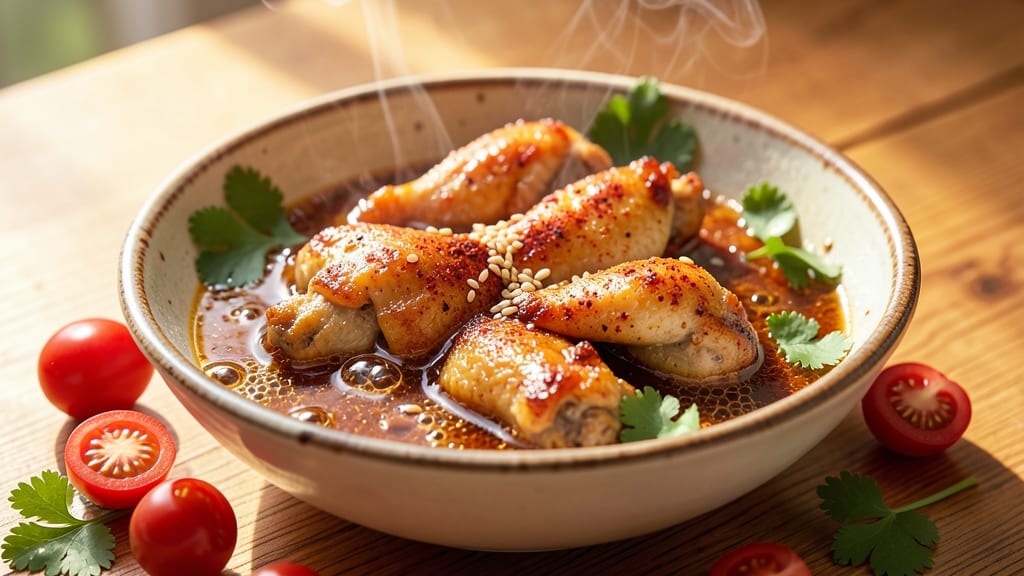
This chicken wing boil sauce recipe delivers the perfect balance of tangy, spicy, and slightly sweet heat that transforms ordinary wings into restaurant-quality bites. The secret lies in a slow simmer that develops deep flavor while maintaining that signature glossy finish.
I've perfected this sauce over years of testing, ensuring it cuts through grease without losing its bold character.
The foundation starts with apple cider vinegar and white vinegar, which create that signature tang while sugar and brown sugar add just enough sweetness to balance the cayenne and chili powder. Garlic and onion powder provide aromatic depth, while Worcestershire sauce adds umami complexity.
Simmering the sauce until it thickens and reduces concentrates the flavors, creating a sauce that's sticky enough to cling to wings but not so thick it becomes syrupy.
What you'll end up with is a sauce that's vibrant red, glossy, and packed with layers of flavor—spicy from cayenne, tangy from vinegar, and slightly sweet from the sugar. This isn't just a dipping sauce; it's a flavor enhancer that transforms wings into something extraordinary.
The best part? It keeps well in the fridge for up to two weeks, ready to elevate your next batch of wings.
Whether you're cooking wings for game day or a casual weeknight dinner, this sauce delivers consistent, professional results. The key is patience during the simmering process—don't rush it. Let the flavors meld together until the sauce reaches that perfect consistency. Here's everything you need to make it from scratch.
Ingredients for chicken wing boil sauce
Nine simple ingredients transform into the ultimate wing sauce—tangy, spicy, and sticky-perfect.
| Ingredient | Amount | Notes |
|---|---|---|
| Apple Cider Vinegar 🍏 | ½ cup | Brick-style for authentic tang |
| White Vinegar 💧 | ¼ cup | Distilled for clean acidity |
| Granulated Sugar 🍚 | ½ cup | White or raw preferred |
| Light Brown Sugar 🍚 | ¼ cup | Packed measurement |
| Cayenne Pepper 🔥 | 1 ½ tbsp | Adjust for heat preference |
| Chili Powder 🌶️ | 2 tbsp | Medium heat preferred |
| Garlic Powder 🧄 | 1 tbsp | Freshly ground preferred |
| Onion Powder 🧅 | 1 tbsp | Not onion salt |
| Worcestershire Sauce 🍶 | 2 tbsp | Lea & Perrins preferred |
| Water 💧 | 1 cup | Filtered preferred |
The vinegars are non-negotiable here. Muir Glen apple cider vinegar from the store section gives that classic tang, but any brick-style works. White vinegar? Heinz white vinegar is my go-to—cheap and effective. For the sugars, don't use powdered—it dissolves too fast and can make the sauce grainy. The cayenne is where you control the heat. Penzeys has great quality if you want to splurge, but the regular grocery store stuff works fine. Quick tip: if your sauce needs more kick later, just add a pinch of cayenne to the wings before serving—no need to remake the sauce.
No Worcestershire? Soy sauce at half the amount gets you close, but you'll lose some depth. Running out of brown sugar? White sugar plus 1 tsp molasses mimics the flavor. The garlic and onion powders are flavor bombs—don't skip them. Want extra umami? Add 1 tsp fish sauce to the simmer. And if you're making a big batch, double the water—this sauce reduces dramatically as it thickens. The key is patience: let it bubble away until it coats the back of a spoon. That's when you know it's ready.
This sauce keeps like a dream. Pour it into a clean jar, seal tight, and it'll last up to 2 weeks in the fridge. Freeze portions in ice cube trays if you're prepping for game day—just thaw overnight in the fridge. Pro move: store it in a glass jar with a tight lid to maintain that glossy finish. The sauce actually improves after a day or two as the flavors meld. Double batch it—you'll want this on hand for everything from wings to fries.
Why You'll Love This Recipe
- I’ll be real: this recipe costs pennies per serving. The vinegars and sugars last forever, and you’re not buying overpriced bottles of sauce. Plus, it keeps for weeks, so you’re always ready—whether it’s a last-minute snack or a full meal. Smart move.
- Five-Ingredient Magic: I swear, this sauce comes together with stuff you already have—no specialty jars or confusing labels. Just vinegar, sugar, and a pinch of heat, simmered until it’s sticky, tangy, and just right. That’s it. No stress, no shopping list.
- Sweet Heat Balance: Honestly, the combo of brown sugar and cayenne is where it shines—sweet enough to coat your wings, but that vinegar kick keeps it sharp. It’s the kind of flavor that hits different when you’re dipping, slurping, or just eating them straight from the pot.
- Game for Any Gathering: Between us, this sauce works for game day, lazy Sundays, or when your kid’s soccer team shows up hungry. Double the batch, store it in the fridge, and you’ve got the secret weapon for wings, fries, or even grilled chicken. No excuses.
Step-by-step instructions for spicy chicken wing boil sauce
This tangy, fiery sauce comes together in minutes with just ten ingredients.
Combine Vinegars and Sugars in a Saucepan
In a medium saucepan, pour in the 0.5 cup apple cider vinegar and 0.25 cup white vinegar. Add the 0.5 cup granulated sugar and 0.25 cup light brown sugar, stirring constantly over medium heat until the sugars dissolve completely. You'll see the mixture bubble gently and turn into a light syrup—this should take about 3-4 minutes.
Here's the thing—don't rush this step. The sugars need time to fully integrate with the vinegars to create that perfect balance of sweet and tangy. If you see any undissolved sugar crystals clinging to the sides, give it another minute of stirring. This is your flavor foundation, so get it right.
Add Spices and Aromatics
Once the sugar mixture is smooth and bubbling, reduce the heat to low and sprinkle in the 1.5 tablespoons cayenne pepper, 2 tablespoons chili powder, 1 tablespoon garlic powder, and 1 tablespoon onion powder. Stir vigorously for 1-2 minutes until the spices are fully incorporated and the mixture smells deeply aromatic.
I like to press the spices into the sauce with a wooden spoon to break up any clumps. This ensures even distribution and prevents any hot spots in your final sauce. The pan should be steaming gently—if it's not, increase the heat slightly. You're looking for a thick, glossy consistency that coats the back of a spoon.
Build the Sauce with Worcestershire and Water
Pour in the 2 tablespoons Worcestershire sauce and 1 cup water, stirring constantly. Bring the mixture to a gentle boil over medium heat, then immediately reduce the heat to low and let it simmer for 10-12 minutes. You'll notice the sauce thicken as it reduces, becoming syrupy and rich with flavor.
This is where the magic happens—the Worcestershire adds that umami depth while the water helps balance the acidity. Taste as you go, adjusting the heat with more cayenne if needed. The sauce should be thick enough to coat the back of a spoon but still pourable. If it's too thick, add 1-2 tablespoons water to reach your desired consistency.
Cool and Thicken (Optional for Storage)
Remove the saucepan from heat and let the sauce cool to room temperature. If you're using it immediately, you can proceed to toss your wings. For storage, transfer the sauce to an airtight container and refrigerate. The sauce will thicken further as it cools—this is normal and actually enhances the texture when reheated.
Real talk: This sauce tastes even better the next day as the flavors meld. If it thickens too much after refrigeration, simply reheat it gently over low heat, stirring occasionally, until it reaches your preferred consistency. A splash of water or apple cider vinegar can help thin it out if needed.
Pro Tips For Making Chicken Wing Boil Sauce
- Simmer Slow and Low: This sauce isn’t a race—bring it to a gentle boil, then drop to a simmer and walk away for 10-15 minutes. I used to rush it, and the vinegar would just sit there, sharp and undercooked. Let it mellow; that’s when the sugars caramelize and the cayenne integrates instead of floating like red confetti.
- Whisk the Sugars First: Before adding vinegar, dissolve the granulated and brown sugar in a splash of warm water (or even better, a little of the apple cider vinegar) in a separate bowl. Stirring dry sugar into cold vinegar makes a gritty paste—trust me, you’ll taste every grain. Smooth sauce starts with smooth prep.
- Taste the Vinegar Mix: After combining the vinegars and sugars, take a sip (yes, really) before adding cayenne. Apple cider vinegar can vary wildly in sweetness and acidity—some brands taste like cider, others like a science experiment. Adjust sugar or vinegar ratios now, not later when the sauce is already ruined.
- Toast the Cayenne: Dry-toast the cayenne pepper in a small pan over low heat for 30 seconds until it smells floral and aromatic. This deepens its heat and flavor without overpowering. I skipped this once and ended up with a sauce that tasted like spicy vinegar—no thanks. (Yes, it’s an extra step, but it’s worth it.)
Perfect pairings for chicken wing boil sauce
Sauce for Wings
This sauce isn't just for dipping—it's the star of your wing game. Use it to glaze wings during the last 5 minutes of baking (at 400°F) for a sticky, caramelized finish.
Brush generously on both sides, then broil for 1-2 minutes to intensify the flavors. The high heat helps the sauce cling perfectly while creating those coveted char marks. 🔥
Dipping Sauce
Serve this sauce warm in a small bowl with toothpicks for stirring—it's perfect for dipping after baking. The tangy-sweet balance cuts through crispy wings beautifully. For extra presentation, drizzle a thin layer over a platter of wings before serving.
I like to add chopped scallions on top for freshness and color contrast.
Fries & Onion Rings
This sauce transforms fries and onion rings into finger-licking bites. Toss hot fries in 2-3 tablespoons sauce per pound, then sprinkle with crumbled blue cheese or shredded cheddar.
The acidity in the sauce prevents sogginess while adding bold flavor. For onion rings, use it as a post-frying dip or glaze during the last minute of frying.
Burgers & Sandwiches
Add 1-2 tablespoons sauce to burgers during the last minute of grilling, or use it as a spread on sandwiches like pulled pork or fried chicken. The tangy heat cuts through rich meats perfectly. I love it on smash burgers with a drizzle of mayonnaise—the contrast is amazing.
Dipping for Tacos
Serve this sauce in small bowls alongside tacos for dipping. The bold flavors complement carne asada, al pastor, or even fish tacos. For extra fun, offer it as a taco sauce bar with options like sour cream or guacamole on the side.
The heat level balances the richness of fried foods beautifully.
Game Day Essentials
Double or triple the recipe for game day—it disappears fast! Store extra sauce in glass jars with tight lids in the fridge for up to 2 weeks. Keep a batch frozen in ice cube trays for quick reheating.
The sauce reheats perfectly in the microwave or on the stovetop, making it ideal for parties where you need to serve wings in waves. 💪
Nutrition facts
Frequently asked questions
Can I make this sauce without Worcestershire sauce?
Yes, but you'll lose some depth. Replace the 2 tablespoons Worcestershire with 1 tablespoon soy sauce plus 1 teaspoon fish sauce for umami. The sauce will still taste great—just slightly less complex. For a vegetarian version, use 1 tablespoon soy sauce and 1 teaspoon balsamic vinegar instead.
How do I adjust the heat level?
Start with the recipe as written for medium heat. For milder sauce, reduce cayenne to 1 teaspoon and chili powder to 1 tablespoon. For extra kick, add ½ teaspoon cayenne or a pinch of red pepper flakes. Taste as you simmer—you can always adjust! The sauce reheats well, so don't overdo it initially.
Why did my sauce turn grainy?
Undissolved sugar is the usual culprit. Stir constantly over medium heat until the sugars fully melt (about 3-4 minutes
Can I use this sauce on other foods besides wings?
This sauce is incredibly versatile. Try glazing burgers, fries, or onion rings with it. It also works as a marinade for grilled meats or a dipping sauce for tacos. The tangy-sweet-spicy combo elevates almost any fried or grilled dish.
How long can I store homemade boil sauce?
Store in an airtight glass jar in the fridge for up to 2 weeks. For longer storage, freeze in ice cube trays—thaw overnight in the fridge before using. The flavor actually improves after 24 hours as ingredients meld. If it thickens too much after refrigeration, reheat gently with 1 tablespoon water per ½ cup sauce.