
Sauces & Condiments
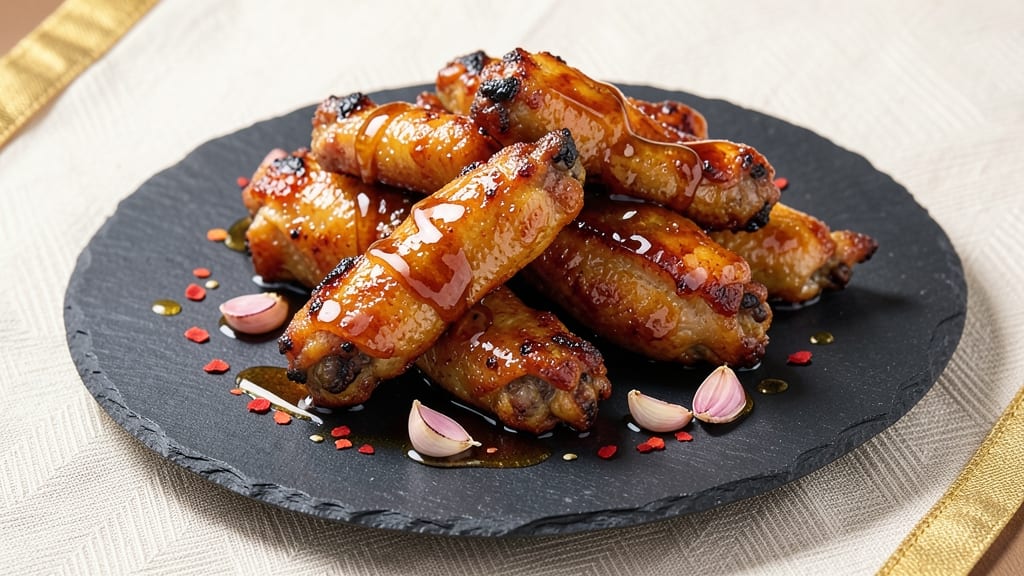
This Asian chicken wing sauce recipe transforms ordinary wings into finger-licking masterpieces with just five simple ingredients. 🌟 The secret lies in balancing sweet, spicy, and umami flavors—creating a glaze that caramelizes beautifully while keeping the sauce smooth and sticky.
I developed this formula after testing countless variations, and it never fails to deliver restaurant-quality results at home.
The foundation of this sauce is a perfect harmony of soy sauce, honey, garlic, and a touch of chili flakes—no complicated techniques required. What sets it apart is the way these ingredients meld together when simmered just right, creating a glossy, aromatic coating that clings to every crispy bite.
The sauce is versatile enough to work with baked, fried, or grilled wings, making it a go-to for game days or weeknight dinners.
What you'll end up with is a rich, slightly sticky glaze that's sweet enough to satisfy cravings but balanced by just the right amount of heat.
The aroma alone will have everyone gathering around your table, and the first bite delivers that perfect combination of crispy texture and bold, complex flavor. This sauce keeps well in the fridge for up to a week, so you can make a big batch and enjoy it all week long.
Pair it with classic ranch or blue cheese for dipping, or serve it straight up for maximum flavor impact. The possibilities are endless, but the results are always impressive. Let's get started on this umami-packed glaze that will elevate your wings to new heights.
Ingredients for asian chicken wing sauce
Five ingredients transform ordinary wings into restaurant-quality masterpieces with umami-packed glaze.
| Ingredient | Amount | Notes |
|---|---|---|
| Soy Sauce 🍶 | ½ cup | Use low-sodium for balance |
| Honey 🍯 | ⅓ cup | Light amber preferred |
| Garlic Cloves 🧄 | 6 cloves | Minced for even distribution |
| Red Chili Flakes 🌶️ | 2 tbsp | Adjust for heat preference |
| Sesame Oil 🫒 | 1 tbsp | Toasted for nutty aroma |
| Rice Vinegar 🍶 | 1 tbsp | For brightness and balance |
| Ginger Root 🌿 | 1 tbsp | Freshly grated, zesty kick |
| Cornstarch 🌾 | 1 tbsp | For thickening consistency |
| Water 💧 | 2 tbsp | For slurry mixture |
The soy sauce is the backbone—Kikkoman or Lee Kum Kee are my go-tos, but any good-quality brand works. Honey should be light amber for that delicate sweetness (dark amber gets too bold). Trader Joe's has a great affordable option. Garlic and ginger need to be fresh—no powdered substitutes here. The chili flakes? Penzeys or McCormick for consistent heat. Sesame oil adds that nutty aroma, but use sparingly—it's potent. If you're not a fan of raw sesame flavor, toast the oil first in a pan for 30 seconds to mellow it out.
No honey? Maple syrup works in a pinch, but it'll change the flavor profile slightly. Short on sesame oil? Avocado oil at half the amount keeps the texture but loses the aroma. The cornstarch slurry is key for that glossy finish—don't skip it. For extra umami depth, add a dash of fish sauce (1 tsp) if you're not avoiding it. The rice vinegar might seem small, but it balances everything beautifully. If you're making this ahead, store the sauce without the cornstarch slurry and add it fresh before using—prevents clumping.
This sauce keeps for 1 week in the fridge, but the flavor actually improves after 24 hours as everything melds. For longer storage, freeze in ice cube trays—perfect portions for game day. The cornstarch slurry should be mixed right before using, or it'll thicken too much. Double the batch if you're feeding a crowd—it disappears fast. No leftovers? Make it again next week. Trust me, you'll want to.
Why You'll Love This Recipe
- Pantry Magic: I swear, this sauce is my go-to when I forget to grocery shop—just soy sauce, honey, and a few pantry staples. No fancy ingredients, no last-minute runs to the store. The garlic cloves and chili flakes add instant depth, but honestly? Even if I skip one, it still tastes solid.
- Sweet Heat Balance: That honey-soy glaze with a kick of chili? It’s the kind of flavor that makes you pause mid-bite. The sesame oil ties it all together—nutty, smoky, and just a little funky. My husband always grabs the last wing, and I don’t even mind because the taste is that good.
- Game for Any Occasion: Toss these wings on a sheet pan for a lazy Sunday, drizzle over rice for a quick dinner, or serve with dumplings for a crowd. I’ve even used extra sauce to glaze tofu or marinate shrimp—it’s that adaptable. (Yes, even on a Tuesday night.)
- Leftovers That Don’t Suck: Unlike some sauces that turn slimy or lose their punch, this one stays vibrant for days. I’ll make a double batch, store it in the fridge, and use it all week—on wings, stir-fries, or even as a dipping sauce. Budget-friendly? Absolutely. Waste-free? Even better.
Step-by-step instructions for Asian chicken wing sauce
This umami-packed glaze comes together in minutes with simple technique.
🍳 Step 1: Sauté Aromatics Until Fragrant
Heat a small saucepan over medium heat and add the 1 tablespoon sesame oil. Once shimmering, add the 6 cloves minced garlic and 1 tablespoon freshly grated ginger root. Cook for 30-45 seconds until you can smell that bright, zesty aroma—don't let it brown or it'll turn bitter.
Here's the thing—garlic burns fast, so keep an eye on it. You want it to just perfume the oil, not color. If you see it starting to darken, immediately reduce heat to low and stir constantly. This aromatic base forms the flavor foundation of your sauce.
🍳 Step 2: Combine Wet Ingredients
Reduce heat to low and add the 0.5 cup soy sauce, 0.33 cup honey, 1 tablespoon rice vinegar, and 2 tablespoons red chili flakes. Stir everything together and let it simmer gently for 2-3 minutes—you'll see the mixture bubble softly and the colors start to meld beautifully.
The honey will begin to dissolve into the soy sauce, creating a glossy base. The chili flakes will infuse heat while the vinegar adds that bright, tangy balance. Taste after 2 minutes—you should notice the umami from the soy sauce starting to develop, with sweetness from the honey and a subtle kick from the vinegar.
🥘 Step 3: Thicken the Sauce to Glossy Perfection
In a small bowl, whisk together the 1 tablespoon cornstarch and 2 tablespoons water until completely dissolved—this creates your thickening slurry. Slowly pour it into the saucepan while stirring constantly over medium heat. The sauce will begin to bubble vigorously as it thickens.
Keep stirring for 1-2 minutes until the sauce reaches your desired consistency—it should coat the back of a spoon with a glossy sheen. If it thickens too quickly, add 1 tablespoon water to loosen it. The perfect sauce will be thick enough to cling to wings but still flow smoothly when tossed.
⏰ Step 4: Simmer and Adjust Seasoning
Continue simmering for another 1-2 minutes until the sauce is fully transparent and glossy. Remove from heat and let it cool slightly—this resting period allows the flavors to meld completely. Taste and adjust seasoning if needed: add more soy sauce for saltiness, honey for sweetness, or rice vinegar for brightness.
This is where you can get creative—if you want more heat, add a pinch of extra red chili flakes. For depth, stir in a splash of toasted sesame oil. The sauce should be balanced with sweet, salty, tangy, and spicy elements working together harmoniously. Let it cool to room temperature before using to prevent the wings from steaming.
Pro Tips For Making Asian Chicken Wing Sauce
- COMBINE WET AND DRY FIRST: Mix the soy sauce, honey, and minced garlic in a small saucepan before adding the chili flakes and sesame oil. I used to add everything at once and ended up with a sauce that separated—this way, the garlic dissolves properly and the flavors meld faster.
- MINCE GARLIC FINE (OR SKIP): If you’re not confident with a knife, use 2 teaspoons of garlic powder instead of fresh cloves—it’s a reliable shortcut. But if you’re chopping, go for the smallest possible pieces so the sauce doesn’t taste like garlic chunks.
- STIR ON MEDIUM-LOW HEAT: Let the sauce simmer gently for 3–4 minutes after everything’s combined. I learned this the hard way—boiling it too hard burns the honey and makes the sauce bitter. Keep it at a whisper-bubble.
- DILUTE WITH WATER IF NEEDED: If your sauce turns out too thick after simmering, add 1–2 teaspoons of water to loosen it up. I skip this when I’m lazy, but the sauce clings better to wings when it’s just slightly thinner than syrup.
Best sauces and condiments for this recipe
Sweet-Spicy Glaze
This sauce is perfect for those who love a balance of sweet and heat—ideal for baked or fried wings. The honey and soy sauce create a sticky, caramelized coating, while the red chili flakes add a subtle kick.
For extra heat, add 1 extra tbsp chili flakes or a pinch of cayenne pepper. I like to toss wings in this glaze after baking for maximum flavor adhesion. 🌶️
Soy-Garlic Base
For a more savory profile, reduce the honey to ¼ cup and add 1 tbsp toasted sesame seeds for texture. The garlic and ginger become the star flavors here, with the soy sauce providing deep umami.
This version works beautifully with grilled wings—simmer the sauce longer to intensify the garlic aroma. A splash of light soy sauce (instead of regular) keeps it lighter.
Sesame-Ginger Twist
Swap the honey for ¼ cup maple syrup and add 1 tsp grated fresh ginger to the slurry for a zesty, aromatic twist. The sesame oil becomes more prominent, giving the sauce a nutty depth.
This variation pairs perfectly with air-fried wings—toss them in the sauce while still hot to create a crispy, glossy finish. For extra richness, stir in 1 tsp butter at the end. 🫒
Umami Boost
For maximum umami, add 1 tsp fish sauce to the wet ingredients and reduce the soy sauce to ⅓ cup. The fish sauce adds a salty, fermented depth that elevates the sauce to restaurant-quality levels. This version is ideal for those who love bold, complex flavors.
If you're avoiding fish sauce, a dash of miso paste (½ tsp) works as a substitute. Simmer the sauce slightly longer to let the umami develop fully.
Dipping Sauce Adaptation
Thin this sauce with 2 tbsp water and serve it as a dipping sauce alongside crispy wings. The rice vinegar adds brightness, while the sesame oil gives it a nutty finish. For extra tang, add 1 tsp lime juice at the end.
This version is perfect for game day—it’s light enough to dip but still packed with flavor. Store any extra sauce in an airtight container for up to 5 days in the fridge. 🍶
Storage and Reuse
This sauce keeps well in the fridge for up to 1 week, with flavors actually improving as it sits. For longer storage, freeze in ice cube trays—thaw and reheat gently before using.
The cornstarch slurry should be added fresh before each use to maintain the perfect consistency. Double the batch and freeze half for future wing nights—trust me, you’ll want to make this again. 💫
Nutrition facts
Frequently asked questions
Can I make this sauce without honey?
Swap the ⅓ cup honey for ¼ cup maple syrup for a deeper flavor, or use ¼ cup brown sugar dissolved in 2 tbsp water for a caramel note. For a lighter option, try agave nectar at the same measurement. The sauce will still caramelize beautifully, though the texture may be slightly thinner.
How do I adjust the heat level?
Start with the 2 tbsp red chili flakes as written for mild heat. For medium spice, add 1 extra tbsp chili flakes. For fiery wings, stir in ½ tsp cayenne pepper or 1 tsp sriracha at the end. If you prefer no heat, simply omit the chili flakes entirely—sweet and savory still shine!
Can I use this sauce on other proteins?
This glaze works beautifully on tofu, shrimp, or beef skewers! For tofu, toss baked cubes in the sauce for 2-3 minutes to coat evenly. With shrimp, simmer them in the sauce for 3-4 minutes until opaque. For beef, marinate for 15-20 minutes before grilling. The sauce's balance makes it incredibly versatile.
Why did my sauce get too thick?
This usually happens if you simmer too long after adding the cornstarch slurry. Thin with 1 tbsp water at a time while stirring. For future batches, remove from heat as soon as the sauce reaches your desired consistency. If it thickens later, add a splash of water and reheat gently. The sauce should coat the back of a spoon smoothly but not be glue-like.
How do I store leftover sauce?
Store in an airtight container in the fridge for up to 1 week. For longer storage, freeze in ice cube trays—thaw in the fridge overnight. Reheat gently in a saucepan over low heat with 1 tbsp water to restore smoothness. Never freeze the cornstarch slurry separately—always mix it fresh before using.