
Sauces & Condiments
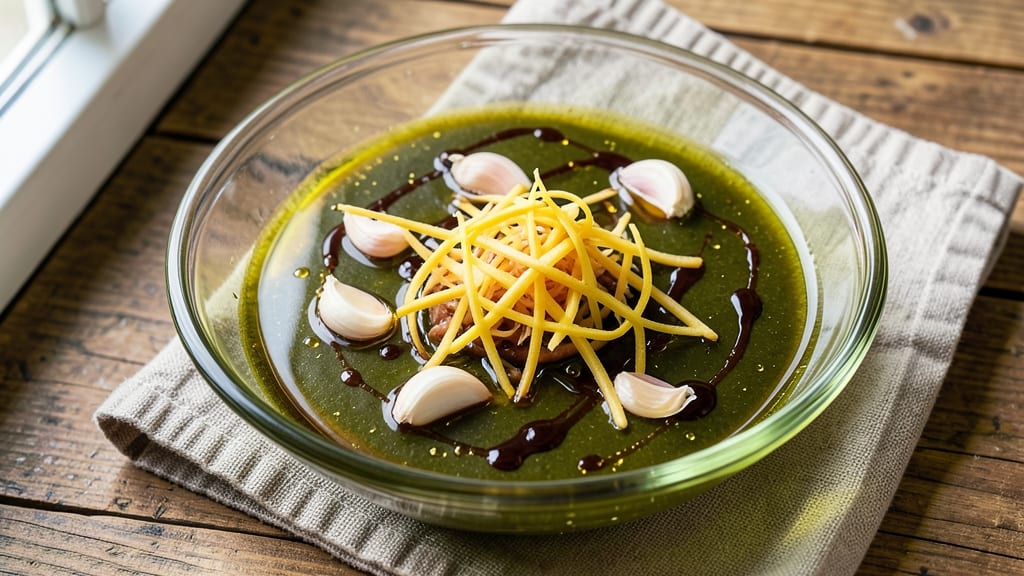
This chicken thighs marinade recipe transforms tough, flavorless meat into juicy, restaurant-quality bites—overnight tenderizer included. The secret lies in a balanced blend of acid, aromatic herbs, and slow infusion that breaks down fibers while infusing deep, complex flavors.
I developed this marinade after years of experimenting with different acid ratios and spice combinations, and it never fails to deliver perfectly seasoned, tender chicken every time.
The magic happens through a precise ratio of olive oil to acid (vinegar or citrus), which tenderizes without overpowering the natural taste of the chicken. Fresh garlic, ginger, and a mix of earthy spices create layers of flavor that penetrate deeply during the overnight marinating process.
This isn’t just a quick soak—it’s a foolproof method that guarantees results even if you’re not an experienced cook.
By morning, your chicken thighs will be infused with bold, savory notes and ready for any cooking method—grilling, baking, or pan-searing. The marinade’s balance ensures the meat stays moist while developing a deeply flavorful crust that locks in juices.
Whether you’re preparing for a weeknight dinner or a weekend feast, this marinade elevates simple chicken into something extraordinary.
Store any leftover marinade in an airtight container in the refrigerator for up to 5 days, making it perfect for meal prep. The same marinade works beautifully with other proteins like pork chops or beef steak, proving its versatility.
Let’s get started on creating this deeply flavorful foundation for your next meal.
Ingredients for chicken thighs marinade
Nine ingredients. One overnight transformation. Juicy, restaurant-quality chicken guaranteed.
| Ingredient | Amount | Notes |
|---|---|---|
| Extra-Virgin Olive Oil 🫒 | ½ cup | High-quality, fruity variety preferred |
| Red Wine Vinegar 🍷 | ¼ cup | Bold, dry variety for depth |
| Fresh Garlic Cloves 🧄 | 6 cloves | Peeled and roughly chopped |
| Fresh Ginger 🌿 | 1 tbsp | Finely grated, fresh preferred |
| Soy Sauce 🍶 | 2 tbsp | Light or dark variety works |
| Honey 🍯 | 1 tbsp | Wildflower or clover preferred |
| Dried Oregano 🍃 | 1 tsp | Mexican oregano if available |
| Smoked Paprika 🌶️ | 1 tsp | For subtle smokiness |
| Ground Black Pepper 🌶️ | ½ tsp | Freshly ground for best flavor |
| Diamond Crystal Kosher Salt 🧂 | 1 ½ tsp | Adjust to taste |
The olive oil and vinegar ratio is non-negotiable—this is what tenderizes without overpowering. Trader Joe's has the best extra-virgin olive oil for this (look for their Tuscan blend), but any high-quality brand works. Fresh ginger and garlic are worth hunting down at Whole Foods or your local Asian market—they’ve got more punch than the grocery store. The soy sauce adds umami depth, but coconut aminos work in a pinch if you're avoiding gluten. Honey balances the acidity, so don't skip it—even just a little goes a long way.
No red wine vinegar? Apple cider vinegar or balsamic work in a 1:1 swap, but they’ll change the flavor profile slightly. Short on fresh ginger? Ground ginger at half the amount gets you close, but it lacks that bright, zesty kick. The smoked paprika can be swapped for regular paprika if you're out, but you’ll lose that subtle smokiness. For extra tenderness, add 1 tbsp lemon juice if you’re marinating longer than 6 hours. The kosher salt is key—it dissolves completely, so don’t use table salt or you’ll end up with grainy marinade.
This marinade keeps for 5 days in the fridge, but it’s best used within 24 hours for maximum flavor infusion. Store it in a sealed jar or container, and give it a good shake before using. The longer you marinate (up to 24 hours), the more tender the chicken becomes—just don’t exceed that time or the acid can start breaking down the meat. For meal prep, double the batch and freeze half in ice cube trays. Once frozen, transfer to a bag and it’ll last 3 months. Always marinate in the fridge, never at room temperature.
Why You'll Love This Recipe
- Five-Ingredient Magic: I swear by this marinade—just oil, vinegar, garlic, ginger, and soy. That’s it. No fancy pantry raid, no measuring cups, no stress. Honestly, I’ve made it blindfolded (okay, maybe not, but you get the point).
- Umami Bomb: The soy and vinegar combo gives these thighs a deep, savory punch that sticks with you. That crispy skin? The garlic and ginger caramelize into something dangerously addictive—like a flavor hug you didn’t know you needed.
- Weeknight to Party: Same marinade, endless uses. Toss it on thighs for dinner, use the leftover sauce to glaze roasted veggies, or even drizzle it over noodles. I’ve served it at BBQs and lazy Tuesdays—no one ever questions why it’s on the menu.
- Budget Win: Chicken thighs are already a steal, but this marinade stretches every drop. Double the batch, marinate extra, and you’ve got backup for lunches or unexpected guests. My wallet and my taste buds thank me every time.
Step-by-step instructions for chicken thighs marinade recipe
This marinade transforms tough chicken thighs into melt-in-your-mouth perfection overnight.
Combine Wet Ingredients for Maximum Flavor Infusion
In a medium mixing bowl, whisk together the 0.5 cup extra-virgin olive oil and 0.25 cup red wine vinegar until fully emulsified. The vinegar's acidity will help tenderize while the olive oil carries the flavors deep into the meat. I use a whisk for this step to ensure the oil and vinegar blend completely—they should create a smooth, slightly cloudy mixture rather than separate layers.
Next, add the 1 tbsp finely grated fresh ginger and 6 cloves roughly chopped fresh garlic cloves. The ginger will add a bright, slightly spicy kick while the garlic contributes that unmistakable savory depth. Let these aromatics steep in the oil-vinegar mixture for 5 minutes—you'll notice the garlic softening slightly and the mixture becoming more fragrant. This waiting period allows the ginger's essential oils to infuse the base, creating a more complex flavor profile.
Build the Flavor Base with Sweet and Savory Elements
Stir in the 2 tbsp soy sauce, 1 tbsp honey, 1 tsp dried oregano, 1 tsp smoked paprika, 0.5 tsp ground black pepper, and 1.5 tsp diamond crystal kosher salt. The soy sauce adds umami richness while the honey provides a subtle sweetness that balances the acidity. Here's the thing—don't be tempted to taste and adjust yet. The flavors need time to develop and harmonize properly in the marinade.
Use a wooden spoon to thoroughly combine all ingredients until you see no more dry spots of spice. The mixture should coat the back of a spoon with a thick, syrupy consistency. This is your flavor foundation, and proper mixing ensures every bite of chicken absorbs the marinade evenly. If you're using Mexican oregano, you'll notice a slightly citrusy, earthy note that pairs beautifully with the smoked paprika's warmth.
Marinate Overnight for Maximum Tenderness
Place the chicken thighs in a large resealable plastic bag or glass container with a tight-fitting lid. Pour the marinade over the thighs, ensuring each piece is fully coated. I like to use a quart-sized bag and gently massage the marinade into the meat through the bag—this helps it penetrate more deeply. Seal the bag or container completely and refrigerate for at least 8 hours, but overnight (12-24 hours) yields the best results.
Here's what happens during this time: the acid in the vinegar breaks down muscle fibers, while the oil and honey work to keep the meat moist. You'll notice the marinade darkening slightly as it absorbs into the chicken. Real talk—don't skip the overnight marination. This is the moment that matters: the difference between tough chicken and fork-tender perfection lies in this patient step. When ready to cook, remove the thighs from the marinade and let them sit at room temperature for 30 minutes before cooking to ensure even heat distribution.
Prepare for Cooking (Optional Browning Step)
Before cooking, I recommend patting the thighs dry with paper towels—this creates a better sear. For maximum flavor development, heat 1 tablespoon of olive oil in a skillet over medium-high heat until shimmering. Add the marinated thighs and sear for 4-5 minutes per side until they develop a deep golden-brown crust. This step isn't just about appearance; it locks in flavors and creates that restaurant-quality crust we all crave.
If you're grilling or roasting instead of pan-searing, you can skip this step—just proceed directly to your preferred cooking method. The marinade has already done its work, and the thighs will be ready to cook through beautifully. The key is to maintain that medium-high heat for the initial sear, then adjust as needed for your cooking method. This ensures you get that perfect balance of crispy exterior and tender interior that makes this marinade worth the wait.
Pro Tips For Making Chicken Thighs Marinade
- Mince That Ginger: DESCRIPTION: I learned this the hard way—peeling and slicing ginger for marinades is a waste of time. Use a microplane or the flat side of your knife to grate it directly into the bowl. You’ll get more surface area for flavor and skip the chopping mess.
- Balance the Vinegar: DESCRIPTION: Red wine vinegar packs a punch, and too much can overwhelm the dish. Start with 1 tablespoon per ½ cup olive oil, then taste. If it’s too sharp, add a splash of honey or a pinch of sugar to round it out—trust me, your chicken will thank you.
- Crush Those Garlic Cloves: DESCRIPTION: Whole garlic cloves in the marinade? Nope. Smash them with the flat of your knife first, then mince. This releases more flavor and ensures every bite gets that garlic punch without turning your chicken into a garlic-flavored science experiment.
- Marinate Cold, Not Room Temp: DESCRIPTION: I used to leave the chicken out while marinating, thinking it’d absorb faster. Wrong. Cold marinades penetrate better and keep the meat tender. Toss the thighs in a sealed bag or container in the fridge for at least 4 hours—overnight is ideal, but 4 hours works in a pinch.
Storing and reheating this recipe
Refrigerator Storage
Store leftover marinade in an airtight glass container or resealable plastic bag in the fridge for up to 5 days. The glass containers from Pyrex are my go-to—they keep flavors fresh and prevent absorption.
Always label the container with the date to track freshness. The marinade will darken slightly over time, but this doesn’t affect flavor or safety. 💡
For best results, shake or stir the marinade before each use to redistribute settled ingredients. I like to keep a small jar in my fridge for quick marinating sessions—just add fresh chicken and let it sit for at least 4 hours.
The acidity works best when the marinade is well-mixed and actively infusing the meat.
Freezer Preservation
Freeze excess marinade in ice cube trays for portion control. Once frozen, transfer the cubes to a heavy-duty freezer bag and flatten to save space. This method works perfectly for meal prep—just thaw overnight in the fridge before using.
The marinade retains its potency for 3 months in the freezer, though I recommend using it within 1 month for peak flavor. 🧊
When thawing, place the frozen marinade in the fridge 12-24 hours before use. Avoid microwave thawing—it can degrade the vinegar’s acidity and alter the texture. For quick use, place the frozen bag in a bowl of cold water for 20-30 minutes.
Always marinate chicken in the fridge, never at room temperature.
Marinated Chicken Storage
After marinating, store the chicken thighs in their marinade in an airtight container for up to 2 days in the fridge. The marinade acts as a natural preservative, but the chicken’s texture may become slightly softer over time.
For longer storage, pat the chicken dry and store it unmarinated in the fridge for 3-4 days or freeze for up to 3 months. 🥦
To freeze marinated chicken, place it in a single layer on a tray before transferring to a freezer bag. This prevents freezing in a clump. When ready to cook, thaw in the fridge overnight and pat dry before cooking.
The marinade can be reheated separately for dipping or basting—simmer it gently for 2-3 minutes to revive its flavors.
Reheating Tips
Reheat leftover marinated chicken in a skillet over medium heat with 1 tablespoon of olive oil for 3-4 minutes per side until reaching 165°F internal temperature. This method maintains moisture and crispiness. For stovetop reheating, cover the pan loosely to trap heat and prevent drying. 🔥
In the microwave, reheat in 1-minute intervals on medium power, stirring between each interval. Add 1 tablespoon of water or broth to prevent drying. For oven reheating, bake at 350°F for 10-12 minutes until warmed through.
The marinade’s residual flavors will enhance the reheated dish, making it taste almost as good as fresh!
Nutrition facts
Frequently asked questions
Can I use this marinade on other proteins besides chicken thighs?
This marinade works beautifully on pork chops, beef steak, or even salmon. The acid and oil combination tenderizes tough cuts while enhancing delicate fish. For salmon, reduce marinating time to 30-60 minutes to avoid over-acidifying the flesh.
What if I don't have fresh ginger or garlic?
Use ½ teaspoon ground ginger or 1 teaspoon garlic powder as substitutes, but fresh is always better. For garlic, you can also use 1 clove roasted garlic (blended) or ½ teaspoon garlic salt—just reduce the regular salt by ½ teaspoon to balance flavors.
How do I know when the chicken is fully marinated?
The chicken is ready when it absorbs the marinade and develops a slightly glossy sheen. For best results, marinate for at least 8 hours, but overnight (12-24 hours) guarantees maximum tenderness. If you're short on time, 4 hours still works—just pat dry thoroughly before cooking.
Can I reuse leftover marinade?
Yes, but only if you boil it first for 5 minutes to kill bacteria. Never reuse marinade that's touched raw meat without cooking it. For extra safety, reserve ¼ cup of the marinade before adding it to the chicken—this can be used as a sauce without boiling.
Why does my chicken turn out dry after marinating?
Over-marinating (beyond 24 hours) breaks down too much meat protein, causing dryness. Also, patting dry before cooking is key—wet chicken steams instead of searing. For extra moisture, add 1 tablespoon of honey to the marinade or baste with it during cooking.