
Main Courses
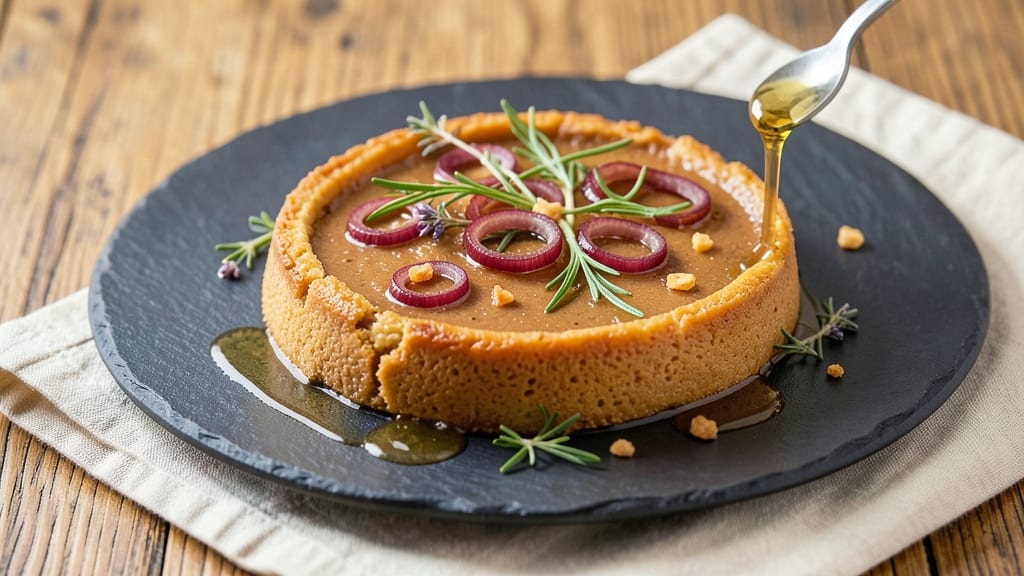
This chicken pâté recipe no liver delivers the same luxurious texture and rich flavor without relying on traditional liver-based fillings. The secret lies in finely ground chicken thighs combined with aromatic herbs and butter, creating a velvety spread that’s both elegant and approachable.
I developed this version after years of perfecting the balance between smoothness and rustic depth—no liver required.
What sets this recipe apart is its silky-smooth consistency, achieved through precise cooking and blending techniques. Ground chicken thighs provide the perfect base, while fresh herbs like thyme and tarragon add complexity without overpowering.
The butter binds everything together, ensuring a spread that’s rich yet refined—ideal for serving on toasted baguette slices or crackers.
By the time you’re done, you’ll have a pâté that’s creamy, flavorful, and restaurant-worthy, with a texture that’s impossibly smooth yet still rustic enough to feel homemade.
The herbal notes shine through, making this dish versatile enough for holiday gatherings or a simple weeknight appetizer. Here’s how to make it.
Serve it chilled for a refined appetizer or warmed slightly for a cozy main course. The possibilities are endless—whether paired with crusty bread, roasted vegetables, or even as a filling for crepes. This recipe proves you don’t need liver to create a pâté that impresses.
Ingredients for chicken pate recipe no liver
Fourteen ingredients for a pâté that rivals the best restaurant versions—no liver needed.
| Ingredient | Amount | Notes |
|---|---|---|
| Chicken Thighs (Boneless, Skinless) 🍗 | 1 ½ lb | Ground finely for smooth texture |
| Unsalted Butter 🧈 | ½ cup | Cold, cubed for even melting |
| Fresh Thyme Leaves 🌿 | ¼ cup | Stems removed, finely chopped |
| Fresh Tarragon Leaves 🌿 | ¼ cup | Stems removed, finely chopped |
| Shallots 🧅 | 2 whole | Peeled, finely minced |
| Garlic Cloves 🧄 | 4 cloves | Peeled, finely minced |
| Fresh Parsley Stems 🌿 | ¼ cup | Tough stems only, chopped fine |
| Diamond Crystal Kosher Salt 🧂 | 1 tsp | Adjust to taste |
| Freshly Ground Black Pepper 🌶️ | ½ tsp | Freshly cracked preferred |
| Dry White Wine 🍷 | ¼ cup | Sauvignon Blanc recommended |
| Heavy Cream 🥛 | ¼ cup | Full-fat for richness |
| Chicken Stock 💧 | ½ cup | Homemade preferred |
| Baguette Slices 🍞 | 8 slices | For serving, lightly toasted |
The chicken thighs are non-negotiable here—they stay juicy and render enough fat to create that signature silky texture. Butcher shops often sell them pre-ground, but if you're doing it yourself, pulse them in the food processor until they're almost paste-like. Trader Joe's carries excellent boneless thighs at a good price, and I always grab an extra pound for other recipes. For the herbs, freshness is everything—farmers markets have the best thyme and tarragon, but grocery store bunches work if you use them within 2 days. The shallots and garlic should be vibrant, not sprouting or soft.
No white wine? Chicken stock plus a splash of lemon juice works in a pinch, though the acidity won't be as bright. Short on tarragon? Fresh dill at half the amount gives a similar herbal punch, though it's not identical. The parsley stems are key—they add body without overpowering, but if you're out, extra parsley leaves will do (just chop them extra fine). For the butter, European-style (like Plugrá) has more flavor, but any good unsalted will work. The heavy cream can be swapped for crème fraîche if you prefer a tangier note. And if you're making this ahead, the wine and stock can be added later—just reduce them first.
This pâté keeps beautifully for 5 days in the fridge, sealed under a thin layer of butter to protect the surface. For longer storage, freeze it in 2-ounce portions—thaw overnight in the fridge before serving. The texture improves after chilling, so make it a day ahead if possible. Serve it at room temperature on those toasted baguette slices, or use it as a filling for mini quiches or crostini. The leftovers? Spread them on crackers with smoked salmon—trust me, it's a game-changer.
Why You'll Love This Recipe
- One-Pan Magic: I swear by this for nights when I don’t want to dirty three pots—just brown the thighs, deglaze with butter and shallots, then let the thyme and tarragon steep right into the sauce. That’s it. No extra bowls, no fuss.
- Herb-Packed Punch: The tarragon and thyme turn this into something special—bright, grassy, and just a little fancy without trying. Honestly, the butter melts into the chicken so it’s creamy but not greasy, and that shallot base? Pure umami gold.
- Weeknight Workhorse: This feeds four but costs less than takeout, and the leftovers? Even better the next day. I’ll pack it for lunch or reheat it for dinner—same rich flavor, zero guilt. (Yes, even on a Tuesday night.)
- Budget-Friendly Luxe: Chicken thighs are forgiving and cheap, and fresh herbs stretch farther than you’d think. I’ll use half a bunch of tarragon and double the thyme—still tastes like a bistro dish, but my wallet stays happy. Not the prettiest, but the taste makes up for it.
Step-by-step instructions for chicken pâté no liver
Here's how to transform simple ingredients into a velvety, herb-infused spread that rivals classic liver pâté.
Render the Chicken and Aromatics Together
In a heavy-bottomed Dutch oven, melt the 0.5 cup unsalted butter over medium-low heat until it foams. Add the 1.5 lb boneless, skinless chicken thighs, cut into ½-inch chunks, and cook undisturbed for 8 minutes until the chicken releases from the pan and turns golden brown. This initial sear builds deep flavor.
Add the 2 whole shallots and 4 cloves garlic cloves, both finely minced, along with the 0.25 cup fresh thyme leaves and 0.25 cup fresh tarragon leaves. Cook for 5-6 minutes until the shallots soften and become translucent but don't brown. Stir occasionally to prevent sticking—this is where the aromatic foundation forms.
Pour in the 0.25 cup dry white wine and scrape up any browned bits from the bottom of the pan. Let it simmer for 3-4 minutes until the wine reduces by half and the alcohol cook-off is complete. This step ensures your pâté develops that bright, herbaceous character without bitterness.
Simmer Until Chicken Is Fork-Tender
Add the 0.5 cup chicken stock and bring the mixture to a gentle simmer. Cover and cook for 45-50 minutes until the chicken is completely tender and falls apart easily when pierced with a fork. You'll know it's ready when the liquid reduces significantly and the texture becomes thick and cohesive.
Here's the thing—don't rush this step. The chicken needs to break down completely for that silky texture. If it's not falling apart, add 2-3 tablespoons of water and continue cooking. The goal is a smooth, velvety consistency that spreads like butter.
Once tender, transfer the chicken mixture to a food processor or high-powered blender. I like to use a food processor because it handles larger chunks better, but a blender works too. Pulse until completely smooth, scraping down the sides as needed. This is where the magic happens—the blending transforms tough chicken into a luxurious spread.
Refine the Texture with Cream and Herbs
Return the blended mixture to the Dutch oven and stir in the 0.25 cup heavy cream and 0.25 cup fresh parsley stems. Simmer over low heat for 10-12 minutes, stirring frequently, until the mixture thickens to a spreadable consistency. It should coat the back of a spoon but still be pourable—this ensures it holds shape when chilled but remains smooth.
Season to taste with 1 tsp diamond crystal kosher salt and 0.5 tsp freshly ground black pepper. Taste as you go—you might need a bit more salt to balance the herbal notes. The pâté should be rich, herb-forward, and perfectly seasoned. If it's too thick, thin with 1 tablespoon of chicken stock at a time until it reaches your desired consistency.
For extra smoothness, strain the mixture through a fine-mesh sieve into a clean bowl. This removes any remaining fibrous bits and gives you that restaurant-quality texture. Let it cool to room temperature before proceeding—this prevents the butter from melting and keeps the texture stable.
Finish and Serve with Crusty Baguette
Transfer the cooled pâté to a serving dish and refrigerate for at least 4 hours, or until completely chilled. This resting period allows the flavors to meld and the texture to set properly. When ready to serve, garnish with a sprinkle of freshly cracked black pepper and a drizzle of melted unsalted butter for extra richness.
Serve with the 8 slices baguette slices, lightly toasted and arranged on a platter. The contrast of crispy baguette and silky pâté is what makes this dish so satisfying. For an elevated touch, pair with a simple green salad or pickled vegetables to cut through the richness. The pâté keeps well in the fridge for up to 5 days, making it perfect for holiday gatherings or meal prep.
Pro Tips For Making Chicken Pate Recipe No Liver
- Brown the Shallots: Don’t rush this step—slow-cook the shallots in butter until they’re deep golden, almost jammy. I used to skip to the next thing, but that buttery flavor is what makes this pâte shine. If they’re still pale, they’ll taste raw and underdeveloped.
- Salt the Chicken Early: Season the thighs with salt before searing, not after. The salt draws out moisture, which helps them crisp up better in the pan. Trust me, your pâte will taste more cohesive if you do this—less dry, more flavorful.
- Deglaze with Wine (or Vinegar): After browning the chicken, hit the pan with a splash of dry white wine or even apple cider vinegar. It lifts all the stuck-on bits and adds brightness—no need for fancy reductions, just let it simmer until it’s mostly gone.
- Strain the Herbs: After cooking the thyme and tarragon with the chicken, strain them out before blending. Whole stems make the texture gritty, and you don’t want that in a smooth pâte. A fine-mesh sieve does the job better than a fork.
Common mistakes when making perfect results
Overcooking the Chicken
One of the biggest mistakes is overcooking the chicken thighs during the simmering phase. When the chicken breaks down too much, it releases excess liquid that can turn your pâté watery.
I’ve seen this happen when people push the cook time beyond 50 minutes—the chicken becomes mushy instead of tender. Always check for doneness by piercing with a fork; it should fall apart easily but still hold some structure.
If it’s falling apart prematurely, reduce the heat slightly and cover the pot to trap moisture. 🌡️
Skipping the Wine Reduction
Many home cooks pour in the wine and immediately add the stock, but this is a critical step I can’t emphasize enough. The wine needs to reduce by half to concentrate its flavors and cook off the alcohol, which prevents a harsh, boozy taste in your pâté.
If you rush this step, your final spread will taste flat and underseasoned. Take those extra 3-4 minutes to let the wine reduce—your taste buds will thank you.
Using Pre-Ground Chicken
Store-bought ground chicken often contains fillers and has a coarse texture that’s impossible to blend smooth. For that luxurious, velvety consistency, you need finely ground chicken thighs. If you’re short on time, ask your butcher to grind them fresh or pulse them in a food processor until they’re almost paste-like.
I’ve tried pre-ground chicken in pâté, and it always ends up grainy no matter how much I blend. The extra effort pays off in texture. 💡
Ignoring the Resting Time
Pâté needs time to set properly after blending, and rushing this step is a common mistake. If you serve it immediately after blending while still warm, the butter will melt and the texture will turn greasy. Always refrigerate the pâté for at least 4 hours—overnight is even better.
This resting period allows the flavors to meld and the texture to firm up just enough to hold its shape on toasted baguette slices.
Overblending or Underblending
Finding the right balance when blending is key. Overblending can turn your pâté greasy, while underblending leaves visible chicken fibers. I like to pulse in short bursts, scraping down the sides between batches, until the mixture is completely smooth but still holds some body.
For extra refinement, strain it through a fine-mesh sieve before serving. This step ensures a restaurant-quality texture that’s silky yet still rustic. 🔥
Neglecting the Butter Layer
When storing pâté, many people forget to seal it with a thin layer of butter. This protective layer prevents the surface from drying out or absorbing fridge odors. Simply press a small piece of cold butter onto the surface and seal the container tightly.
I’ve seen pâté turn out bland or develop off-flavors when stored without this protective layer. It’s a simple trick that makes a big difference in flavor and texture preservation.
Nutrition facts
Frequently asked questions
Can I make this chicken spread without a food processor?
While a food processor creates the smoothest texture, you can achieve great results with a high-powered blender or even a potato masher. For a rustic version, finely chop the cooked chicken by hand and mix it thoroughly with the butter and cream. Just know the texture will be slightly more rustic but still delicious.
How do I adjust this recipe for a vegetarian version?
Replace the chicken thighs with 1.5 lbs of finely ground mushrooms (like cremini or portobello) or 1 can of white beans, drained and rinsed. Add 1 tablespoon of nutritional yeast for depth, and increase the butter to 0.75 cup to compensate for the lack of chicken fat. The herbal blend will still shine through beautifully.
Can I use chicken breast instead of thighs?
Not ideal—chicken breast is much leaner and won't render enough fat for that signature velvety texture. If you must use breast, add an extra 2 tablespoons of butter and cook it slightly longer to prevent dryness. However, thighs are the secret to success—they stay juicy and create the perfect spreadable consistency.
What's the best way to reheat leftover pâté?
Gently warm it in a small saucepan over low heat with a splash of chicken stock or heavy cream to restore moisture. Stir constantly until just heated through—never microwave it, as this can make the texture greasy. For best results, reheat only what you plan to serve immediately.
Can I make this ahead for a party?
This recipe is perfect for meal prep! Make it up to 5 days in advance and store it in an airtight container with a layer of butter on top. Bring to room temperature before serving. For parties, portion it into small ramekins and refrigerate—guests can grab individual servings as needed.