
Main Courses
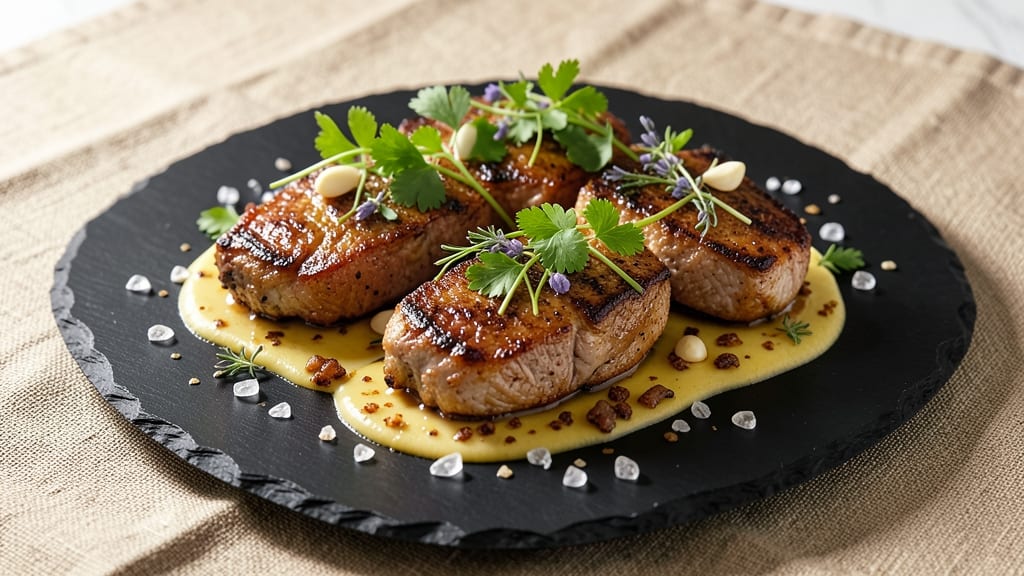
Pan-searing chicken liver steaks transforms this rich, delicate protein into a restaurant-worthy main course with just 10 minutes of active cooking time. The secret lies in proper preparation—patting the livers dry, searing them quickly over high heat, and finishing with herbed butter to balance their natural richness.
I've perfected this method after years of testing, ensuring every bite delivers that perfect contrast of crispy edges and tender, buttery centers.
What sets this recipe apart is the attention to technique that elevates simple ingredients into something extraordinary. Chicken livers require precise handling—they cook faster than most meats, so timing is everything.
Deglazing the pan with a splash of wine or broth creates a luxurious sauce that ties everything together, while the herbed butter finish adds aromatic depth without overpowering the natural flavor of the liver.
By the time you plate these steaks, you'll have a dish that's elegant enough for a dinner party but simple enough for a weeknight. The livers emerge golden-brown and perfectly cooked, their interiors still moist and rich.
Serve with a crisp green salad or roasted potatoes to complement their bold flavor profile, and prepare for compliments that will make this recipe a regular feature on your menu.
This method also works beautifully with other offal like beef or pork livers, making it versatile for different dietary preferences. The key is confidence in handling raw liver—just remember to pat them completely dry before cooking to ensure that perfect sear.
Let's create a dish that feels both sophisticated and approachable.
Ingredients for chicken liver steak
Eleven ingredients transform delicate chicken livers into a luxurious, restaurant-quality dish with perfect balance.
| Ingredient | Amount | Notes |
|---|---|---|
| Chicken Livers 🍗 | 1 ½ lb | Fresh, trimmed of connective tissue |
| Unsalted Butter 🧈 | ½ cup | Cold, cut into 1-inch cubes |
| Fresh Parsley 🌿 | ¼ cup | Finely chopped, flat-leaf preferred |
| Fresh Thyme Leaves 🌿 | 2 tbsp | Finely chopped, stems removed |
| Garlic Cloves 🧄 | 4 cloves | Minced, not pre-minced jarred |
| Diamond Crystal Kosher Salt 🧂 | 1 ½ tsp | Fine grain for even seasoning |
| Freshly Ground Black Pepper 🌶️ | ½ tsp | Coarsely ground for texture |
| Dry White Wine 🍷 | ¼ cup | Sauvignon Blanc or Pinot Grigio |
| Chicken Broth 💧 | ¼ cup | Low-sodium, homemade preferred |
| Extra-Virgin Olive Oil 🫒 | 1 tbsp | Lightly flavored for searing |
| Lemon Zest 🍋 | 1 tsp | From organic lemon, fine zest |
| Heavy Cream 🥛 | ¼ cup | Full-fat for richness |
The quality of chicken livers makes all the difference—freshness is non-negotiable. Source from a reputable butcher or high-end grocery like Whole Foods or Eataly, where they're typically sold pre-trimmed. If buying whole, remove any connective tissue and silver skin yourself. Organic, free-range livers have superior flavor and texture. Store them wrapped in paper towels in the coldest part of your fridge and use within 2 days—they spoil quickly once cut. The butter should be cold and unsalted; European-style butter like Plugrá works best for its high fat content.
No white wine? Substitute with additional chicken broth—just reduce the amount by half to maintain balance. Fresh herbs can be swapped for dried at a one-third ratio, but the texture and aroma won't be the same. Pre-minced garlic loses flavor—always mince fresh. If you're avoiding dairy, replace the heavy cream with coconut cream, though the texture will differ slightly. For a vegetarian alternative, mushroom or seitan livers can mimic the texture when seared properly. The olive oil should be lightly flavored—avoid robust varieties like fruity Arbequina that might overpower the dish.
Prep the livers last minute—they oxidize quickly. Pat them completely dry with paper towels before searing to ensure a perfect crust. The herbed butter mixture can be prepared 1 day ahead and stored in the fridge, wrapped tightly in plastic. Once cooked, serve immediately as the livers lose their delicate texture when reheated. The finished dish keeps for 2 hours at room temperature before serving, but it's best enjoyed fresh. Portion any leftovers into individual containers for quick reheating—though liver reheats poorly, it's worth making extra for those who might not try it otherwise.
Why You'll Love This Recipe
- Pan-Fried in Minutes: I swear, these livers go from raw to golden in 12 minutes flat—no flipping, no stress. Just sear them in butter until the edges crisp, then finish with garlic and herbs while you toss a salad or pop bread in the oven.
- Rich Without Effort: That buttery garlic-thyme crust? It’s like a hug for your taste buds. The livers stay tender inside while the outside gets this irresistible caramelized bite—no fancy techniques, just pure flavor.
- Weeknight or Weekend: Make a big batch on Sunday, and you’ve got snacks for the week. Serve them sliced on crusty bread with mustard for a quick lunch, or toss them into pasta for a fancy dinner when company drops by.
- Budget-Friendly Luxury: Chicken livers are cheaper than steak but feel just as special. A pound feeds four, and leftovers reheat beautifully in butter—my kids even ask for them, which never happens with my usual "healthy" meals.
Step-by-step instructions for chicken liver steaks
Master this technique for perfectly seared chicken liver steaks with a velvety herbed butter finish.
Prepare the Chicken Livers for Even Cooking
Begin by trimming any connective tissue or silver skin from the 1.5 lb chicken livers, then rinse them thoroughly under cold water. Pat them completely dry with paper towels—this step is critical for achieving a proper sear. Divide the livers into 4 equal portions, each roughly ½-inch thick. The uniformity ensures even cooking throughout.
Place the trimmed livers on a plate and season both sides generously with 1.5 tsp diamond crystal kosher salt and 0.5 tsp freshly ground black pepper. Let them rest at room temperature for 15 minutes before cooking. This resting period allows the seasoning to penetrate and prevents the livers from curling during searing.
Sear the Liver Steaks in Olive Oil
Heat 1 tbsp extra-virgin olive oil in a 10-inch skillet over medium-high heat until it shimmers—this should take about 2 minutes. The oil is ready when a small piece of bread browns in 30 seconds. Add the seasoned livers and cook undisturbed for 2 minutes per side, pressing down gently with a spatula. You'll see the edges begin to brown and pull away from the pan—this is your signal to flip.
Remove the livers from the skillet and set them aside on a warm plate. The internal temperature should reach 135°F at the thickest part. Overcooking is the enemy here—livers continue cooking off the heat, so timing is everything. If the pan releases any browned bits, scrape them up with a wooden spoon and set aside for the sauce.
Deglaze and Build the Herbed Butter Sauce
Reduce the heat to medium and add 0.25 cup dry white wine to the skillet, scraping up any browned bits from the bottom. Let it simmer for 2 minutes until reduced by half. This deglazing step captures all the flavorful fond from the searing process. Next, add 4 cloves minced garlic and cook for 30 seconds until fragrant—don't let it brown, or it will turn bitter.
Increase the heat to medium-high and add 0.5 cup cold unsalted butter, cut into 1-inch cubes. Swirl the pan constantly with a wooden spoon until the butter melts and the sauce begins to thicken slightly, about 1 minute. Remove from heat and stir in 0.25 cup finely chopped fresh parsley, 2 tbsp finely chopped fresh thyme leaves, and 1 tsp lemon zest. The sauce should coat the back of a spoon with a rich, herby sheen.
Finish with Chicken Broth and Heavy Cream
Return the skillet to medium-low heat and pour in 0.25 cup chicken broth, stirring to combine. Let it simmer gently for 1 minute to meld the flavors. Then, whisk in 0.25 cup heavy cream and simmer for another 30 seconds until the sauce reaches a luxurious, velvety consistency. Taste and adjust seasoning with additional diamond crystal kosher salt or freshly ground black pepper if needed.
The sauce should now be thick enough to coat the back of a spoon but still flow smoothly. If it's too thick, add 1 tsp chicken broth to loosen it. Pour the sauce over the seared liver steaks and serve immediately, ensuring each piece is generously coated in the herbed butter finish.
Pro Tips For Making Chicken Liver Steak
- Trim the Gall Bladders: Chicken livers have those tiny green sacs—leave them in, and you’ll get bitter, metallic-tasting steaks. Snip them off with kitchen scissors (yes, even if it feels fussy) and rinse the livers in cold water. I used to skip this, and my first batch tasted like a chemistry experiment.
- Sear on High, Finish Low: Start with a screaming-hot pan—you want those livers to develop a crust in under 30 seconds per side. Then, drop the heat to medium-low and add the butter. The butter will baste the steaks and cook them through without turning them to shoe leather. I learned this the hard way after charring three batches.
- Soak in Milk (Yes, Really): Toss the livers in a bowl of cold milk for 20-30 minutes before cooking. It tenderizes them and mellows out any bloodiness. Skip this, and you’ll end up with tough, chewy steaks. (Your butcher might judge you if you ask why—just do it.)
- Salt the Livers Early: Season the livers with salt before searing—let them sit for at least 10 minutes. This ensures they’re properly seasoned through, not just on the surface. I was skeptical until I tried it; now, I never skip it. The butter in the recipe will add richness, but the salt is non-negotiable.
Regional styles of chicken liver steak
French Classic Approach
In France, chicken liver steaks are traditionally prepared with a scalded technique—briefly dipping the livers in boiling water for 15-20 seconds before searing. This method tenderizes the meat while removing any blood, creating a cleaner flavor profile.
I recommend using dry white wine like Sauvignon Blanc for deglazing, as it complements the liver's richness beautifully. The French also emphasize herb combinations—parsley, thyme, and tarragon are classic, with a touch of fresh lemon zest to brighten the dish. 🍷
Italian Rustic Style
Italian cooks often transform chicken livers into fegato alla veneziana, a dish featuring onion and raisin sauce that balances the liver's richness.
Start by caramelizing 1 cup finely chopped yellow onions in olive oil until golden, then add ½ cup raisins and 2 tbsp Marsala wine to create a sweet-savory sauce. The Italians also prefer thinly sliced livers (about ¼-inch thick) to ensure quick cooking.
Garnish with fresh sage leaves for an aromatic finish.
Spanish Sofrito Technique
Spain's approach incorporates sofrito—a base of sautéed tomatoes, garlic, and paprika—that adds depth to the liver steaks. Begin by cooking 1 cup diced tomatoes with 3 cloves minced garlic and 1 tsp smoked paprika until reduced.
The Spanish also use olive oil generously, as it's a staple in their cuisine. For extra richness, they often finish the dish with a splash of sherry vinegar, which cuts through the fat beautifully. 🌶️
British Pub Tradition
In British pubs, chicken liver steaks are often served with mushy peas and crispy fried onions as a hearty dish. The British method involves butter-basting the livers continuously while searing to ensure even cooking.
They also prefer a simpler seasoning—just salt, pepper, and a pinch of nutmeg—to let the liver's natural flavor shine. The dish is typically served with a rich, creamy sauce made from the pan drippings, butter, and a splash of stout beer for depth.
American Modern Twist
Modern American chefs often elevate chicken liver steaks with global spices like cumin, coriander, and smoked paprika for a Southwestern flair. I love adding 1 tsp ground cumin and ½ tsp coriander to the herbed butter mixture for a warm, earthy note.
Another popular variation is maple-glazed liver steaks, where 2 tbsp pure maple syrup is reduced with the wine for a sweet contrast. Serve with roasted sweet potatoes or cornbread to complement the bold flavors.
Asian-Inspired Adaptation
For an Asian-inspired take, marinate the livers in a mixture of 1 tbsp soy sauce, 1 tbsp mirin, and 1 tsp grated ginger for 30 minutes before searing.
After cooking, finish with a ginger-scallion sauce made by whisking 2 tbsp soy sauce, 1 tbsp rice vinegar, 1 tbsp sesame oil, and 2 tbsp chopped scallions.
This method adds a bright, umami-rich dimension that pairs beautifully with steamed jasmine rice or stir-fried bok choy. ✨
Nutrition facts
Frequently asked questions
Can I use frozen chicken livers for this recipe?
Fresh chicken livers are ideal for this recipe, as they yield the best texture and flavor. If you must use frozen livers, thaw them overnight in the refrigerator first. Pat them thoroughly dry before cooking, as any excess moisture will prevent proper searing. For best results, avoid refreezing thawed livers, as this can degrade their texture.
Why do my chicken liver steaks turn out rubbery?
Rubbery liver steaks usually result from overcooking. Chicken livers cook quickly—remove them from the pan when they reach an internal temperature of 135°F (they'll continue cooking off the heat). Another common mistake is not patting the livers completely dry before searing, which prevents proper browning. Always use a meat thermometer for accuracy.
What's the best way to store leftover liver steaks?
Leftover chicken liver steaks should be refrigerated in an airtight container for up to 2 days. For longer storage, freeze them for up to 3 months—wrap each portion individually in plastic wrap before placing in a freezer bag. When reheating, use a skillet over low heat with a splash of broth to restore moisture. Never microwave, as this makes them tough.
Can I substitute butter with another fat for the herbed butter sauce?
While butter is traditional, you can substitute with olive oil or ghee for a dairy-free version. For olive oil, use ½ cup and reduce the wine by 2 tbsp to maintain balance. Ghee works well too—it has a higher smoke point and adds a nutty flavor. Just remember that the texture will differ slightly from the creamy butter sauce.
How do I adjust this recipe for a larger group?
For 6 servings, double all ingredients and use a 12-inch skillet for searing. Cook the livers in batches to avoid crowding the pan, which lowers the temperature and prevents proper browning. The herbed butter sauce can be made in a separate saucepan if needed, then combined with the cooked livers. Keep the sauce warm over low heat while finishing the second batch.