
Main Courses
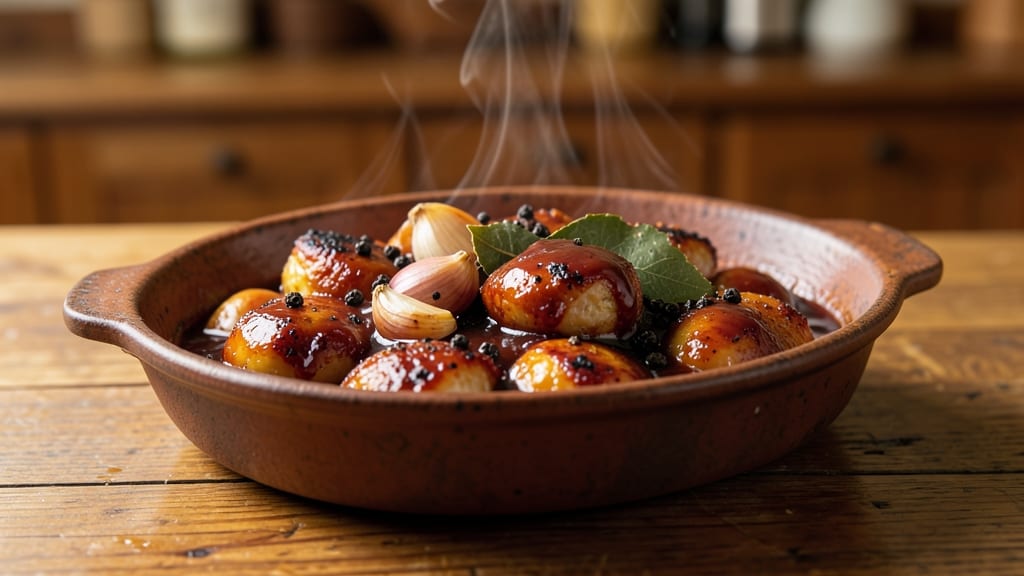
This Filipino-style chicken liver adobo delivers the deep, tangy-savory richness that makes adobo a staple across Filipino tables. The secret lies in balancing soy sauce’s umami with vinegar’s bright acidity, then braising the livers until they’re fork-tender and infused with garlic and black peppercorn.
I perfected this recipe after years of testing—it’s the version my family insists on, even over restaurant plates.
The process begins with marinating the livers in a mix of soy, vinegar, and aromatics, then slow-braising them until the sauce thickens into a glossy, sticky glaze. Unlike many adobo dishes, this recipe focuses on the liver’s natural richness, letting the sauce enhance—not overpower—its earthy flavor.
The result is a dish that’s equally at home as a weeknight dinner or a special occasion centerpiece.
What you’ll end up with is a plate of tender, caramelized livers swimming in a deep amber sauce that’s tangy, savory, and just slightly sweet. The texture is velvety, the aroma intoxicating, and the balance of flavors so precise that every bite feels like a taste of home.
Serve it over steamed rice to soak up every last drop of that complex sauce.
This recipe builds on traditional methods while adapting for home cooks—no need for specialized equipment, just patience and attention to the braising time. The sauce develops its signature depth as it simmers, transforming simple ingredients into something extraordinary. Ready to bring authentic Filipino flavor to your kitchen?
Ingredients for chicken liver adobo
Twelve ingredients transform into a deeply flavorful Filipino classic—rich, tangy, and unforgettable.
| Ingredient | Amount | Notes |
|---|---|---|
| Chicken Livers 🍗 | 1 ½ lb | Fresh, trimmed of connective tissue |
| Dark Soy Sauce 🍶 | ½ cup | High-quality, like Kikkoman |
| White Vinegar 💧 | ½ cup | Distilled or cane vinegar preferred |
| Garlic Cloves 🧄 | 8 cloves | Minced, fresh preferred |
| Black Peppercorns 🌶️ | 1 tbsp | Crushed, not ground |
| Bay Leaves 🍃 | 2 whole | Fresh or dried |
| Onion 🧅 | 1 whole | Yellow or red, sliced |
| Olive Oil 🫒 | 2 tbsp | Extra-virgin for cooking |
| Brown Sugar 🍯 | 2 tbsp | Light or dark |
| Salt 🧂 | 1 tsp | Kosher or sea salt |
| Water 💧 | ½ cup | For deglazing |
| Long-Grain White Rice 🍚 | 2 cups | Uncooked, for serving |
The chicken livers are the heart of this dish, so quality matters. Look for bright red, firm livers at your butcher or grocery store—avoid any with a dull color or grayish tint, as that indicates age. Costco or Whole Foods often carry pre-trimmed livers, saving you time. If you're trimming them yourself, remove any connective tissue or silver skin, then rinse thoroughly under cold water. The garlic and black peppercorns should be freshly crushed—pre-ground pepper loses its punch quickly. For the soy sauce, Filipino brands like Silver Swan or Toyo add an authentic depth, but Kikkoman works in a pinch. The vinegar should be distilled or cane vinegar—apple cider vinegar can introduce unwanted sweetness.
No dark soy sauce? Substitute with a mix of regular soy sauce and a pinch of molasses—about 1 tbsp molasses per 1/4 cup soy sauce—to mimic the deeper color and caramel notes. Running short on vinegar? Lemon juice or white wine vinegar will work, though the flavor profile shifts slightly. Fresh bay leaves can be swapped for dried at a 1:3 ratio, but fresh is always better—they infuse more aroma into the sauce. The brown sugar adds subtle sweetness; if you're avoiding it, honey or maple syrup at half the amount will do. For the rice, jasmine rice is traditional, but long-grain white rice is more widely available and works perfectly. If you're short on time, pre-cooked rice from a microwaveable pouch can be reheated and used, though freshly cooked rice absorbs the sauce better.
This dish tastes even better the next day as the flavors meld. Store leftovers in an airtight container in the fridge for up to 4 days. The sauce thickens further when reheated, so add a splash of water or vinegar if it becomes too stiff. For freezing, portion the livers and sauce separately—freeze the sauce in ice cube trays for easy use in future dishes. The rice reheats beautifully in the microwave with a splash of water. If you're making this ahead for a gathering, reheat gently on the stove to preserve the sauce’s glossy texture. The livers are best served at room temperature, so plan accordingly.
Why You'll Love This Recipe
- One-Pan Magic: I swear by this recipe when I’m too tired to scrub pots—just livers, garlic, and a splash of vinegar in one skillet. The soy sauce caramelizes into a glossy glaze that practically cleans itself.
- Umami Bomb: That dark soy sauce and vinegar combo? It’s like a flavor grenade. The livers stay tender while the edges crisp, and the peppercorns add a little bite—savory, tangy, and impossible to resist.
- Leftover Goldmine: Make a double batch and thank me later. These livers reheat beautifully—toss them in rice, wrap them in tortillas, or just eat them straight from the fridge. My lunchbox has never been happier.
- Budget Powerhouse: Chicken livers are cheap, and this recipe stretches them far. A pound feeds four, and the ingredients cost pennies. Honestly, it’s the kind of meal that makes grocery day feel like a win.
Step-by-step instructions for Filipino-style braised chicken livers
Here's how to transform simple ingredients into a rich, savory adobo with tender chicken livers.
Prepare and Sear the Chicken Livers
Begin by trimming any connective tissue from the 1.5 lb chicken livers and patting them completely dry with paper towels. This step is crucial—moisture will prevent proper browning. Cut the livers into bite-sized pieces, about 1-inch in diameter, for even cooking.
Heat the 2 tbsp olive oil in a large, heavy-bottomed skillet over medium-high heat until shimmering. Add the liver pieces in a single layer, being careful not to overcrowd the pan. Cook undisturbed for 2-3 minutes until the edges develop a deep golden brown crust. This initial sear locks in flavors and prevents the livers from becoming rubbery. Flip the pieces and continue cooking for another 2 minutes, then remove them from the skillet and set aside on a plate.
Build the Adobo Base
In the same skillet, reduce the heat to medium and add the sliced 1 whole onion. Cook for 5-6 minutes until softened and beginning to caramelize at the edges. Add the 8 cloves minced garlic and cook for 30 seconds until fragrant—this releases their full flavor. Stir in the 1 tbsp crushed black peppercorns and 2 whole bay leaves, cooking for another 30 seconds to toast the spices lightly.
Pour in the 0.5 cup dark soy sauce and 0.5 cup white vinegar, scraping up any browned bits from the bottom of the pan. These bits hold concentrated flavor that will enrich your sauce. Bring the mixture to a gentle simmer, then reduce the heat to low and let it cook uncovered for 5 minutes to allow the vinegar's acidity to mellow slightly. This step is where the sauce begins to develop its signature depth.
Braise the Livers in the Sauce
Return the seared chicken livers to the skillet, nestling them into the sauce. Add the 2 tbsp brown sugar and 1 tsp salt, stirring gently to combine. The sugar will help balance the acidity while adding subtle sweetness. Pour in the 0.5 cup water, then increase the heat to medium-high and bring the mixture to a gentle boil.
Once boiling, immediately reduce the heat to low and cover the skillet with a tight-fitting lid. Let the livers braise for 12-15 minutes, stirring occasionally. The livers are done when they're fork-tender and the sauce has thickened to a glossy consistency. The sauce should coat the back of a spoon and cling to the livers. If it reduces too quickly, add 1-2 tablespoons of water to maintain the proper texture.
Finish and Serve with Rice
Remove the 2 whole bay leaves from the sauce and discard them. Taste the mixture and adjust the seasoning if needed—you may need a touch more salt or vinegar to balance the flavors. The sauce should be rich, slightly tangy, and well-seasoned. Transfer the chicken livers and sauce to a serving dish, ensuring they're well-coated.
Serve the chicken liver adobo immediately over 2 cups of steamed long-grain white rice. The rice will soak up the flavorful sauce, creating a complete meal. The livers should be tender with a slightly crisp exterior, and each bite should deliver a perfect balance of savory, sweet, and tangy flavors from the adobo sauce.
Pro Tips For Making Chicken Liver Adobo
- Rinse Livers Thoroughly: Chicken livers hold blood and grit—don’t skip the cold water soak. Toss them in a colander under running water for 20 seconds, then pat very dry with paper towels. Wet livers steam instead of sear, and that ruins the adobo’s deep, caramelized flavor.
- Start with High Heat: After searing the livers in oil, crank the heat to medium-high and walk away for 3 minutes. You’re not looking for perfect doneness yet—just a deep brown crust. I used to turn them too soon, and the adobo ended up tasting like soggy liver stew.
- Balance Vinegar Slowly: Dark soy sauce is salty enough—add vinegar gradually while tasting. Start with half the recipe’s amount, simmer, then adjust. Too much upfront and the garlic turns bitter; too little and the dish lacks brightness. Trust your tongue, not the recipe.
- Crush Peppercorns Coarsely: Whole peppercorns? They’ll sit like decorative rocks. Lightly crush them with the flat side of a knife before adding to the pan. This releases their aroma into the sauce, making the adobo taste like it simmered for hours—not 20 minutes.
Regional styles of this recipe
Visayan-Inspired Version
In the Visayas region, this dish often features a slightly sweeter profile, thanks to the addition of 1 tbsp coconut sugar instead of brown sugar.
I also recommend using 1 cup coconut milk in the braising liquid for a creamier texture—simmer it with the livers for the last 5 minutes to prevent curdling. The result is a richer, more velvety sauce that still maintains the signature tang.
Serve with steamed glutinous rice (malagkit) to complement the coconut notes. 🌴
Bicolano-Style Adaptation
For a Bicolano twist, add ½ cup shrimp paste (bagoong alamang) to the sauce base while building the adobo. This fermented shrimp paste adds a funky, umami depth that’s characteristic of Bicol region dishes.
I also like to include 1 tbsp grated ginger with the garlic for extra warmth. The sauce will have a deeper, more complex flavor profile with hints of the sea. 🦐
Manila Urban Take
In urban Manila, this dish often gets a modern touch with 1 tbsp fish sauce added to the braising liquid for extra umami. I also recommend finishing with 1 tsp toasted sesame oil just before serving to add a nutty aroma.
This version keeps the traditional flavors but adds a sophisticated depth that appeals to city palates. Garnish with chopped scallions for freshness. 🏙️
Northern Luzon Variation
Up in the Cordillera region, this dish might include 1 tbsp fermented rice (bagoong isda) for a tangier, funkier flavor. The sauce also benefits from ½ cup diced tomatoes added during the braising process to brighten the acidity.
This version is heartier and more rustic, perfect for cooler mountain climates. Serve with corned beef hash for a fusion twist. ⛰️
Southern Mindanao Style
In Mindanao, the dish often incorporates 1 tbsp tamarind paste for a fruity, sour note that balances the soy and vinegar. I also like to add 1 tbsp chili flakes for heat.
The sauce becomes more vibrant and slightly sweet, reflecting the region’s love of bold, spicy flavors. Pair with steamed rice with coconut milk for a creamy contrast. 🌶️
Cooking Time Adjustments
Regional adaptations may require slight cooking time changes. In higher-altitude areas like Baguio, reduce braising time by 2-3 minutes since the thinner air can speed up cooking. Conversely, in humid coastal regions like Cebu, extend braising by 5 minutes to ensure the livers absorb all the flavors.
Always check for tenderness with a fork—it should pierce easily. ⏱️
Nutrition facts
Frequently asked questions
Why do I need to trim the chicken livers before cooking?
Trimming removes connective tissue and silver skin, which can make the livers rubbery. The clean pieces also brown more evenly, ensuring a perfect texture. Pat them dry afterward—moisture prevents proper searing and flavor development.
Can I substitute chicken livers with another protein?
While chicken livers are traditional, you can use duck livers (for richer flavor) or chicken thighs (cut into small pieces). The sauce will still work, but adjust cooking time—livers take 12-15 minutes, while thighs need 25-30 minutes to tenderize.
What if the sauce is too thin or too thick?
For a thin sauce, simmer uncovered for 5-10 extra minutes to reduce. Too thick? Add 1-2 tbsp water or vinegar while braising. The ideal consistency coats the back of a spoon but remains glossy. Stir gently to avoid breaking the livers.
How do I store leftovers without drying out the livers?
Store in an airtight container with the sauce—it keeps the livers moist. Reheat on low heat with 1 tbsp water to restore sauce consistency. Leftovers taste better the next day as flavors meld! Freeze for up to 3 months (sauce separately in ice cube trays).
Can I make this recipe in a slow cooker?
Yes! Sear the livers first, then transfer everything (including sauce) to a slow cooker. Cook on low for 3-4 hours, stirring occasionally. The sauce will thicken naturally. For extra richness, add 1 cup coconut milk during the last hour.