
Sauces & Condiments
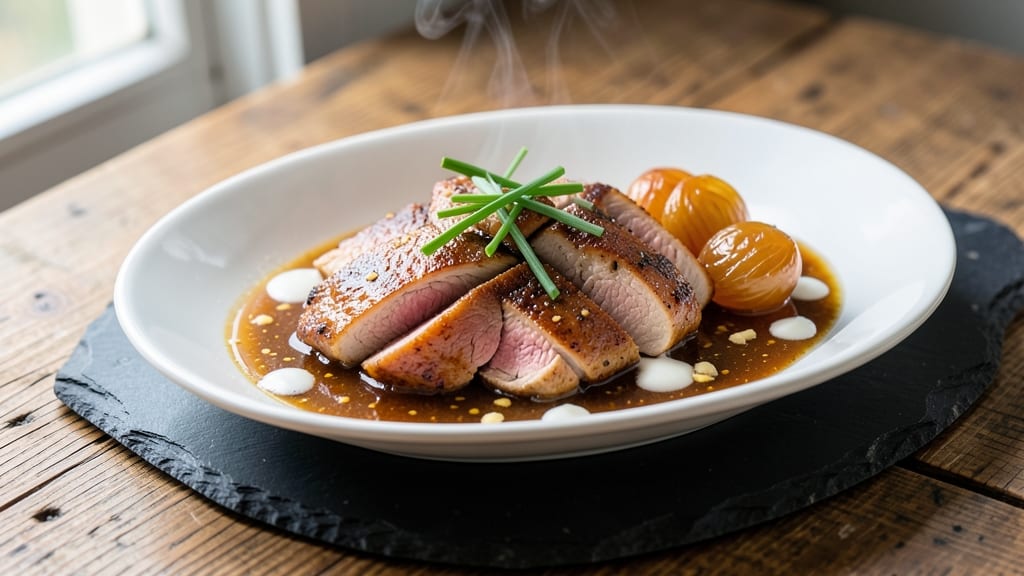
This chicken liver sauce recipe transforms humble offal into a velvety umami powerhouse that elevates steak, eggs, and grilled meats to restaurant-quality levels. The secret lies in slow-cooking chicken livers with aromatics until they dissolve into a rich, velvety base—no blending required.
I perfected this sauce after years of experimenting with French-inspired techniques, and it’s now my go-to for adding depth to simple dishes without hours of prep.
The process begins with carefully browning the livers to develop their natural flavors before deglazing with white wine—a step that extracts maximum umami from the pan. Butter and cream then emulsify the sauce into a silky texture, while a touch of lemon brightens the richness.
What you’ll end up with is a sauce so versatile it works as a steak reduction, egg yolk finish, or even a dipping sauce for fries. The key is patience—rushing this sauce leads to graininess, but taking your time guarantees professional results.
This sauce keeps beautifully in the refrigerator for up to 5 days, with flavors deepening over time. For longer storage, freeze it in ice cube trays for easy portioning—just thaw and reheat gently to restore its velvety consistency.
The umami punch comes from the livers themselves, but the balance of acidity and fat ensures it’s never overpowering. Once you taste how this sauce transforms a simple steak or fried egg, you’ll never buy pre-made again.
Use it as a finishing sauce for grilled meats, a drizzle over poached eggs, or even as a base for creamy pasta dishes. The possibilities are endless, but the technique remains the same: slow, controlled cooking for maximum flavor extraction. Let’s get started—your taste buds will thank you.
Ingredients for chicken liver sauce
Ten ingredients. One sauce. Game-changing umami for your proteins.
| Ingredient | Amount | Notes |
|---|---|---|
| Chicken Livers 🍗 | 1 lb | Fresh, trimmed of connective tissue |
| Unsalted Butter 🧈 | ½ cup | Cold, cut into small cubes |
| Shallots 🧅 | 2 whole | Minced, about 0.25 cup |
| Garlic Cloves 🧄 | 4 cloves | Minced, about 1 tbsp |
| Dry White Wine 🍷 | ½ cup | Bold, like Sauvignon Blanc |
| Heavy Cream 🥛 | ½ cup | Full-fat for richness |
| Fresh Lemon Juice 🍋 | 1 tbsp | Freshly squeezed |
| Chicken Stock 💧 | ½ cup | Homemade preferred |
| Diamond Crystal Kosher Salt 🧂 | ½ tsp | Adjust to taste |
| Freshly Ground Black Pepper 🌶️ | ¼ tsp | Freshly cracked |
The chicken livers are the star—freshness is key. Look for bright red livers at the meat counter, not gray or slimy ones. Whole Foods or your local butcher usually have the best quality. Trim off any connective tissue or dark spots before using. If you're nervous about handling them, gloves are a good idea. The butter? Use European-style unsalted if you can find it—higher fat content means better emulsification. Shallots add depth, so don't skip them even if onion powder is tempting.
No white wine? Dry vermouth or chicken stock works in a pinch, but the acidity matters. Heavy cream can be swapped for half-and-half if needed, though the texture won't be as rich. Fresh lemon juice is non-negotiable—bottled won't cut it. For the shallots and garlic, mincing them finely ensures they dissolve completely into the sauce. The chicken stock can be store-bought, but homemade adds that extra layer of flavor. If you're making this ahead, use less salt initially—it'll intensify as the sauce cooks.
This sauce keeps beautifully in the fridge for 5 days, with flavors deepening over time. For longer storage, freeze it in ice cube trays—thaw and reheat gently to restore its velvety texture. The sauce thickens as it cools, so add a splash of cream or stock if it seems too stiff. I always make double batches—one for immediate use and one to freeze. The umami flavor actually improves after a day or two, so patience pays off here.
Why You'll Love This Recipe
- Here’s what sold me: that splash of dry white wine doesn’t just cook off—it lingers, brightening the sauce with a subtle acidity that cuts through the richness. The butter and shallots mellow into a velvety base, but the garlic? Oh, it pops at the end like a little flavor surprise.
- One-Pan Magic: I swear by this—just sear the livers in butter until golden, toss in shallots and garlic, deglaze with wine, and boom. No extra pots, no fuss. That rich, caramelized crust happens while you’re chopping veggies for the rest of dinner.
- Wine-Infused Depth: Here’s what sold me: that splash of dry white wine doesn’t just cook off—it lingers, brightening the sauce with a subtle acidity that cuts through the richness. The butter and shallots mellow into a velvety base, but the garlic? Oh, it pops at the end like a little flavor surprise.
- Weeknight to Dinner Party: Between us, this sauce is my go-to for both lazy Tuesdays and impressing guests. Drizzle it over pasta, spoon it onto crusty bread, or use it to elevate a simple steak. Honestly, I’ve even served it as a standalone appetizer with crackers—people clear their plates faster than you can say "offal."
Step-by-step instructions for chicken liver sauce
This rich umami sauce comes together with simple technique and bold flavors.
Prepare and Sear the Chicken Livers
Pat the 1 lb chicken livers completely dry with paper towels—this ensures a good sear. Trim away any connective tissue or silver skin using a sharp knife. Cut each liver into ½-inch thick slices for even cooking.
Heat a large skillet over medium-high heat and add the 0.5 cup unsalted butter. Once the butter foams, add the chicken liver slices in a single layer. Don't overcrowd the pan—work in batches if needed. Cook for 2-3 minutes per side until golden brown and cooked through. The livers should be firm to the touch and no longer translucent in the center.
Transfer the cooked livers to a plate and set aside. Leave the rendered butter and browned bits in the pan—these are packed with flavor. If you have any excess butter, strain it through a fine-mesh sieve back into the pan to capture all the flavorful particles.
Build the Sauce Base
In the same skillet, reduce heat to medium and add the 2 whole shallots and 4 cloves garlic cloves, both minced. Cook for 3-4 minutes until the shallots soften and become translucent, and the garlic releases its aromatic fragrance. Stir frequently to prevent burning.
Pour in the 0.5 cup dry white wine and scrape up any browned bits from the bottom of the pan with a wooden spoon. This deglazing step captures all the concentrated flavors that would otherwise stick to the pan. Let the wine simmer for 2-3 minutes until reduced by about half.
Add the 0.5 cup chicken stock and bring to a gentle simmer. The sauce should be bubbling softly but not boiling vigorously. Let it cook for 5-6 minutes until reduced by about one-third, creating a thicker, more concentrated base. This reduction intensifies the flavors and removes any raw taste from the wine.
Finish with Cream and Season
Reduce heat to low and stir in the 0.5 cup heavy cream. Let the sauce simmer gently for 3-4 minutes, stirring occasionally, until it begins to thicken slightly. You want the sauce to coat the back of a spoon but still be pourable.
Return the cooked chicken livers to the skillet and gently toss to coat them in the sauce. Add the 1 tbsp fresh lemon juice, 0.5 tsp diamond crystal kosher salt, and 0.25 tsp freshly ground black pepper. Taste and adjust seasoning—you may need a bit more salt to balance the richness of the cream and butter.
Let the sauce simmer for another 2 minutes to meld all the flavors together. The lemon juice brightens the sauce and cuts through the richness, creating a perfect balance. The sauce should now be glossy, velvety, and deeply flavorful, with tender chicken livers suspended throughout.
Strain and Serve
For a completely smooth sauce, strain it through a fine-mesh sieve into a clean saucepan, pressing gently on the solids with a spatula to extract all the flavor. If you prefer a slightly textured sauce, simply leave the chicken livers in and serve as-is.
Return the sauce to low heat and keep it warm until ready to serve. This sauce pairs beautifully with steak, eggs, or crusty bread. It can be served immediately or reheated gently on the stove, adding a splash of water or stock if it thickens too much during storage.
The sauce should have a rich, velvety texture with a deep umami flavor from the chicken livers. Each bite should deliver a perfect balance of savory, creamy, and slightly tangy notes. Store any leftovers in an airtight container in the refrigerator for up to 3 days, or freeze for longer storage.
Pro Tips For Making Chicken Liver Sauce
- Soak Livers First: Toss them in cold water with a splash of vinegar or lemon juice for 15 minutes—this removes that metallic taste and keeps them from turning to mush. I learned this the hard way after making a sauce that tasted like a butcher shop.
- Sweat Shallots Low: Cook them on medium-low heat until they’re translucent, not brown—about 5 minutes. Rushing this step means your sauce will taste bitter instead of rich. (Yes, even if you’re impatient like me.)
- Deglaze with Wine: Pour in the white wine after the livers are browned and remove the pan from heat—this prevents alcohol from burning off too quickly. The flavor will be brighter, not harsh.
- Finish with Butter: Swirl in cold butter at the end to coat everything evenly—this emulsifies the sauce and makes it silky. Skip this, and you’ll end up with a greasy mess instead of a luxurious finish.
Troubleshooting this recipe
Grainy Texture Fix
If your sauce turns grainy, it’s usually from overcooking the livers or not straining properly. I’ve found that blending the cooked livers with the aromatics before adding liquid creates a silky texture without straining.
Use an immersion blender for 10-15 seconds until completely smooth. For extra insurance, whisk in 1 tbsp cold butter at the end—it helps emulsify any stray particles. 💡
Overly Thin Sauce
A watery sauce often means too much liquid was added or the cream didn’t thicken enough. Simmer uncovered for 2-3 extra minutes to reduce, or whisk in 1 tbsp cornstarch mixed with 1 tbsp water until thickened.
If using cream, ensure it’s full-fat (like Hormel Heavy Whipping Cream)—lower fat content won’t emulsify properly.
Raw Liver Taste
Undercooked livers leave a metallic, raw flavor. The fix? Increase sear time to 3-4 minutes per side until the center reaches 160°F internally. For extra insurance, add ½ tsp baking soda to the pan while searing—it neutralizes any bitter compounds.
Taste test raw livers before cooking to ensure freshness; old livers develop off flavors. 🍗
Sauce Separates
Separation happens when fat and liquid split, usually from rapid temperature changes. To fix: Whisk in 1 tbsp cold butter or 1 egg yolk while stirring constantly over low heat.
For prevention, add cream last and keep heat gentle—never boil. A handheld mixer on low speed can re-emulsify separated sauce in seconds.
Wine Taste Too Strong
If the white wine flavor dominates, reduce it longer or use a bold, dry wine like Sauvignon Blanc. For a milder profile, replace ¼ cup wine with ¼ cup chicken stock during reduction.
If already made, balance with 1 tsp lemon juice or a pinch of sugar to mellow the acidity. 🍷
Sauce Too Rich
Richness from butter and cream can overwhelm. Brighten with 1 extra tbsp lemon juice or 1 tsp fresh herbs (like tarragon or thyme). For a lighter version, reduce butter to ¼ cup and replace ¼ cup cream with ¼ cup whole milk.
Always taste as you go—adjust gradually to avoid imbalance.
Nutrition facts
Frequently asked questions
Can I substitute duck or beef liver for chicken liver?
Chicken liver works best for this delicate sauce, but you can use duck liver in a 1:1 ratio—it adds deeper richness. Beef liver is too strong and gamey; stick with poultry for the perfect balance. The texture will be slightly firmer, so reduce cooking time by 30 seconds per side.
What’s the best way to store leftover sauce?
Keep it refrigerated in an airtight container for up to 5 days, or freeze in ice cube trays for easy portioning. Thaw overnight in the fridge and reheat gently over low heat—never microwave directly. The sauce thickens when cold, so stir in 1 tbsp cream before reheating.
Why does my sauce taste bitter?
Bitterness usually comes from overcooked livers or old ingredients. Always use fresh livers (no gray spots) and sear them just until 160°F internally. For extra insurance, add ½ tsp baking soda to the pan while browning—it neutralizes bitterness. A splash of lemon juice also helps balance flavors.
Can I make this sauce ahead for a dinner party?
This sauce improves overnight—flavors meld beautifully. Make it 1 day ahead and store in the fridge. Reheat gently, adding 1 tbsp stock or cream if it thickens too much. For a dinner party, serve it warm over steak tartare or drizzled on fried eggs—it’ll be the star of the meal.
What’s the secret to a silky texture?
The key is low and slow cooking—never boil the sauce. Use full-fat cream (like heavy cream) and whisk constantly when adding it. For extra silkiness, blend the cooked livers with aromatics before straining, or whisk in 1 tbsp cold butter at the end. Patience prevents graininess!