
Main Courses
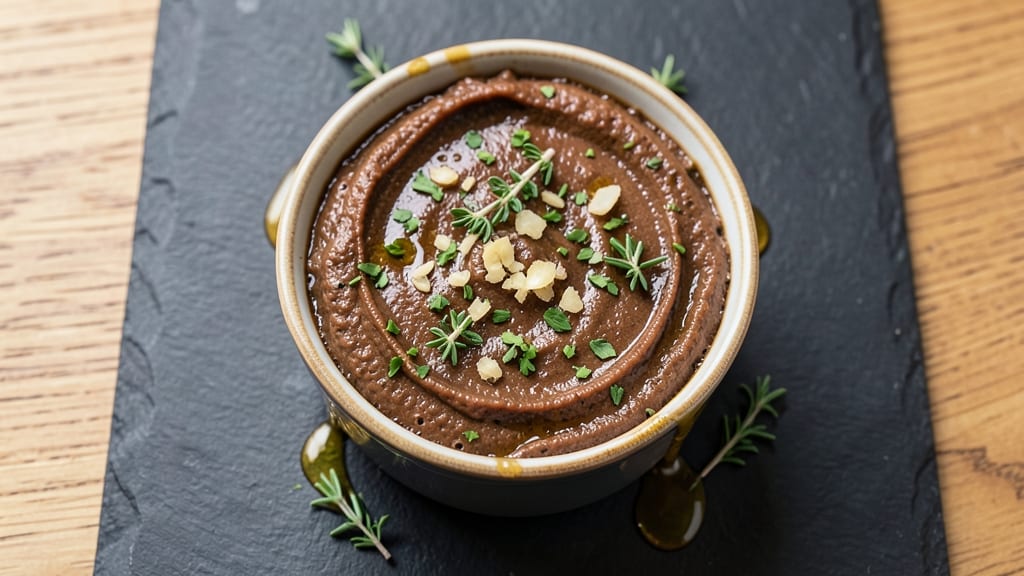
Gordon Ramsay’s chicken liver pâté delivers the kind of silky, luxurious texture that makes every bite feel like a restaurant masterpiece. The secret lies in rendering chicken fat to create a velvety base, then blending it with perfectly cooked livers and aromatic herbs.
I’ve recreated this recipe exactly as Ramsay would—no shortcuts, just technique refined over years of professional kitchens.
What sets this pâté apart is its balance of richness and depth, achieved through slow cooking and precise seasoning. The chicken fat renders into a golden, fragrant liquid that forms the foundation, while the livers break down into a tender, melt-in-your-mouth consistency.
Herbs like thyme and parsley add brightness, cutting through the fat’s decadence without overpowering it.
By the time you serve it, you’ll have a pâté with a glossy, polished finish that’s as impressive to look at as it is to eat. The texture is unctuous yet refined, with just the right amount of herbal complexity.
This isn’t just a recipe—it’s a technique that transforms humble ingredients into something extraordinary, served with crusty bread or crackers for the full experience.
The key to success is patience—rendering the fat properly and cooking the livers just until they’re tender but not dry. Once chilled, the pâté develops its signature firm yet creamy texture, ready to be garnished with a drizzle of fat or fresh herbs. Let’s get started on mastering this classic.
Ingredients for chicken liver pate recipe gordon ramsay
Elevate humble chicken livers into velvety pâté with these precise, professional-grade ingredients.
| Ingredient | Amount | Notes |
|---|---|---|
| Chicken Livers 🍗 | 1 ½ lb | Fresh, trimmed of connective tissue |
| Chicken Fat 🫒 | 1 cup | Rendered from chicken backs or necks |
| Fresh Thyme Leaves 🌿 | ¼ cup | Finely chopped, stems removed |
| Fresh Parsley Leaves 🌿 | ¼ cup | Finely chopped, flat-leaf preferred |
| Shallots 🧅 | 2 whole | Peeled, finely minced |
| Garlic Cloves 🧄 | 3 cloves | Peeled, finely minced |
| Unsalted Butter 🧈 | 4 tbsp | Cold, cut into small cubes |
| Diamond Crystal Kosher Salt 🧂 | ½ tsp | For seasoning, adjust to taste |
| Freshly Ground Black Pepper 🌶️ | ½ tsp | Coarsely ground, freshly cracked |
| Brandy 🍷 | 1 tbsp | High-quality, 80-proof minimum |
| Heavy Cream 🥛 | ¼ cup | Cold, full-fat for richness |
| Cornstarch 🌾 | 1 tsp | For thickening pâté |
| Crusty Bread 🍞 | 8 slices | For serving, baguette preferred |
The foundation of this pâté is chicken fat—render it yourself from chicken backs or necks at 170°F (77°C) until golden and fragrant. For convenience, Whole Foods or Costco sell pre-rendered fat, but fresh is superior. Chicken livers must be trimmed of connective tissue and blanched briefly to remove blood—1 minute in boiling water—then chilled before cooking. Fresh herbs like thyme and parsley should be bright green and aromatic, not wilted. Shallots and garlic add depth, so mince them finely for a silky texture. Diamond Crystal kosher salt is preferred for its delicate grain, while freshly ground black pepper ensures vibrant flavor.
No chicken fat? Render duck fat or goose fat as a substitute—both add incredible richness. Short on fresh herbs? Dried thyme and parsley work at one-third the amount, but fresh is non-negotiable for Ramsay’s signature brightness. Brandy can be omitted, but Cognac or Armagnac elevate the pâté’s complexity. For a dairy-free version, replace heavy cream with cold chicken stock, though texture will differ. Cornstarch is critical for achieving the pâté’s signature firm-yet-creamy consistency—do not substitute flour. Crusty bread should be baguette-style, toasted to perfection for serving.
Rendered chicken fat keeps 3 months refrigerated or 6 months frozen in airtight containers. Chicken livers should be used within 2 days of purchase for optimal texture. Once blended, the pâté develops its signature texture after 4 hours chilled—do not rush this step. Garnish with a drizzle of reserved chicken fat and extra herbs before serving. Portion into ramekins for elegant plating, and store leftovers covered with a thin layer of fat to preserve freshness for up to 5 days refrigerated or 3 months frozen.
Why You'll Love This Recipe
- No Fuss, Big Payoff: I swear, the prep is deceptively simple—just sear those livers in chicken fat until they’re golden, then pulse with shallots and herbs. No peeling, no dicing, no stress. The real magic happens when you let the fat render down naturally while you chop herbs.
- Rich Without Guilt: That first bite? Pure umami satisfaction. The chicken fat keeps it luxuriously rich, but the thyme and parsley cut through it with brightness. Honestly, it’s the kind of dish that makes you forget you’re eating something "healthy"—though it’s actually budget-friendly and packed with protein.
- Party in a Jar: Between us, this is my go-to for holidays or last-minute gatherings. Scoop it into ramekins, chill for 2 hours, and serve with crusty bread. It’s fancy enough for guests but takes less time than deciding what to order for delivery.
Step-by-step instructions for chicken liver pâté
Master this luxurious pâté with precise technique and professional timing.
Prepare the Chicken Livers and Aromatics
Trim any connective tissue from the 1.5 lb chicken livers and rinse thoroughly under cold water. Pat them completely dry with paper towels—this step is critical for preventing a greasy texture. In a separate bowl, finely mince the 2 whole shallots and 3 cloves garlic cloves using a sharp knife. Chop the 0.25 cup fresh thyme leaves and 0.25 cup fresh parsley leaves separately, keeping them whole for texture contrast.
Heat 1 cup chicken fat in a large skillet over medium heat until shimmering but not smoking. Add the minced shallots and garlic, cooking for 3-4 minutes until softened and fragrant. Remove from heat and set aside—this aromatic base will form the pâté's foundation.
Cook the Chicken Livers Perfectly
Return the skillet to medium heat and add the chicken livers in a single layer, ensuring they don't overcrowd. Cook for 2-3 minutes per side until they reach an internal temperature of 145°F—they should be just cooked through but not dry. Remove the livers immediately and let them rest for 5 minutes before roughly chopping them with a knife.
Here's the thing—overcooking here ruins everything. The livers should be tender but still hold their shape slightly when chopped. If they're rubbery, you've gone too far. Return the chopped livers to the skillet with the shallot mixture and cook for an additional 1 minute to meld flavors.
Create the Silky Base
Transfer the liver mixture to a food processor along with the 4 tbsp cold unsalted butter, 0.5 tsp diamond crystal kosher salt, and 0.5 tsp freshly ground black pepper. Pulse until the butter is fully incorporated and the mixture resembles coarse crumbs. This texture is essential for the pâté's luxurious mouthfeel.
With the processor running, slowly drizzle in the 1 tbsp brandy and 0.25 cup heavy cream. Process until completely smooth, scraping down the sides as needed. The mixture should be velvety with a glossy sheen—this indicates proper emulsification. If it's too thick, add 1 teaspoon water at a time until it reaches a spreadable consistency.
Thicken and Finish the Pâté
Return the pâté to the skillet and place it over low heat. Stir in the 1 tsp cornstarch mixed with 1 tablespoon cold water to create a slurry. Cook for 2-3 minutes until the mixture thickens to a smooth, spreadable consistency that holds its shape when spooned. The pâté should coat the back of a spoon but remain silky, not grainy.
Remove from heat and let it cool slightly. Taste and adjust seasoning—this is where the pâté's balance comes together. The brandy should add brightness, the thyme and parsley should sing, and the butter should create richness. If needed, add a pinch more salt or a crack of black pepper to refine the flavor.
Serve with Crusty Bread
Transfer the pâté to a serving dish and smooth the top with a spatula. Chill for at least 1 hour before serving to allow flavors to fully develop and set. The pâté should have a glossy finish and hold its shape when inverted onto a plate.
Serve with the 8 slices crusty bread, cut into thick pieces for spreading. Each bite should deliver a perfect balance of herbal depth, buttery richness, and silky texture. The bread's crust provides the ideal contrast to the pâté's luxurious mouthfeel, making every spoonful unforgettable.
Pro Tips For Making Chicken Liver Pate Recipe Gordon Ramsay
- Scorch the Livers First: Hit the chicken livers with a screaming-hot pan—no butter yet—until they’re deeply browned and crisp on the outside. This isn’t just about flavor; it’s the only way to break down their dense texture before they get blended. (Yes, even if you’re impatient like me, resist the urge to rush this.)
- Render Fat Slowly: Melt the chicken fat over low heat—I mean low—until it’s completely liquid, then skim off any foam that rises. If you crank the heat, you’ll end up with burnt bits that ruin the smoothness. Trust me, 5 minutes of waiting saves you from scraping burnt gunk later.
- Shallots Must Be Fine: Pulse the shallots in a food processor until they’re almost paste-like, not just chopped. Gordon Ramsay’s version relies on that silky texture to blend seamlessly. If you skip this, you’ll taste little crunchy bits—like eating a pate with hidden confetti.
- Blend in Stages: Start blending the cooked livers and fat on low, then gradually increase speed as it emulsifies. If you dump everything in at high speed, you’ll end up with a greasy mess instead of a velvety pate. (I learned this after making a batch that looked like liver soup.)
Pro cooking tips for great chicken liver pate recipe gordon ramsay
Fat Rendering Mastery
Rendering chicken fat is where this pâté’s richness begins. Heat the fat in a heavy skillet over medium-low heat (around 170°F)—never rush this step. Use a thermometer to monitor temperature; if it smokes, reduce heat immediately.
The fat should become golden and fragrant, with tiny bubbles forming on the surface. I like to strain it through a fine-mesh sieve to remove any impurities before using it in the recipe. 🌡️
Liver Cooking Precision
Chicken livers cook in a flash—2-3 minutes per side—so stay vigilant. They’re done at 145°F internal temperature, just until they’re tender but still slightly firm. Overcooking turns them rubbery, which ruins the pâté’s texture.
Let them rest for 5 minutes after cooking to redistribute juices before chopping. This resting step is non-negotiable for a silky result.
Emulsification Secrets
The magic happens in the food processor when blending butter, cream, and livers. Add the cold butter first to create a smooth base, then drizzle in the brandy and cream while processing. The key is speed—process on high for 1-2 minutes until the mixture is glossy and homogenous.
If it looks grainy, pulse again. This emulsification is what gives Ramsay’s pâté its signature velvety texture.
Thickening Like a Pro
Cornstarch is your thickening ally here. Whisk it with 1 tbsp cold water to create a slurry, then stir it into the warm pâté over low heat. Cook for just 2-3 minutes, stirring constantly, until it reaches a spreadable consistency.
The pâté should coat the back of a spoon but still hold its shape when spooned. Overcooking here makes it grainy—keep heat gentle.
Chilling for Perfection
Patience pays off during chilling. Transfer the pâté to a serving dish and refrigerate for at least 1 hour—I often chill mine for 2-3 hours for optimal texture. The fat will firm up slightly, creating that signature firm-yet-creamy mouthfeel.
When ready to serve, garnish with a drizzle of reserved chicken fat and fresh herbs. This step transforms the pâté from good to restaurant-quality.
Equipment Essentials
Invest in a high-quality food processor (like a Cuisinart DP-14BCNY) for smooth blending, and a thermometer for precise fat and liver temperatures. A heavy-bottomed skillet (I use All-Clad Stainless Steel) prevents scorching, while a spatula helps achieve that glossy finish.
These tools make all the difference in achieving Ramsay’s professional results at home. 💡
Nutrition facts
Frequently asked questions
Why does chicken liver pâté need to chill before serving?
Chilling for at least 1 hour (or up to 3 hours) lets the fat firm slightly while keeping the texture creamy. This creates the signature firm-yet-silky mouthfeel Ramsay’s version is known for. Skipping this step results in a too-soft, greasy texture that lacks professional polish. The fat also sets enough to hold its shape when spooned, making plating effortless.
Can I substitute duck fat for chicken fat in this recipe?
Yes! Duck fat adds even more richness and depth—it’s a fantastic upgrade. Render it at 170°F (77°C) until golden and fragrant, just like chicken fat. Use the same 1 cup measurement, but note the flavor will be slightly more robust. For a balanced taste, reduce the butter by 1 tbsp to maintain the pâté’s silky texture without overpowering it.
What’s the best way to fix rubbery chicken livers in the pâté?
Rubbery livers mean overcooking—they should be tender but still hold shape at 145°F. To rescue them, blend the pâté longer in the food processor (add 1 tsp cold water at a time) until smooth. For extra moisture, stir in 1 tbsp reserved chicken fat while reheating gently. If the texture is still off, chill and re-blend before serving.
How do I store leftover chicken liver pâté?
Transfer to an airtight container, cover with a thin layer of reserved chicken fat, and refrigerate for up to 5 days. For longer storage, freeze for 3 months. Thaw overnight in the fridge—never at room temperature. Reheat gently in a skillet over low heat (add 1 tsp water if it thickens too much) to restore its silky texture.
What’s the secret to making this pâté look restaurant-worthy?
Start with a glossy finish—use a wet spatula to smooth the top before chilling. Garnish with a drizzle of reserved fat and a sprinkle of fresh parsley for color contrast. Serve in ramekins or small bowls for elegant plating. For extra flair, wrap the pâté in a parchment cone and slice it table-side like a professional.