
Sauces & Condiments
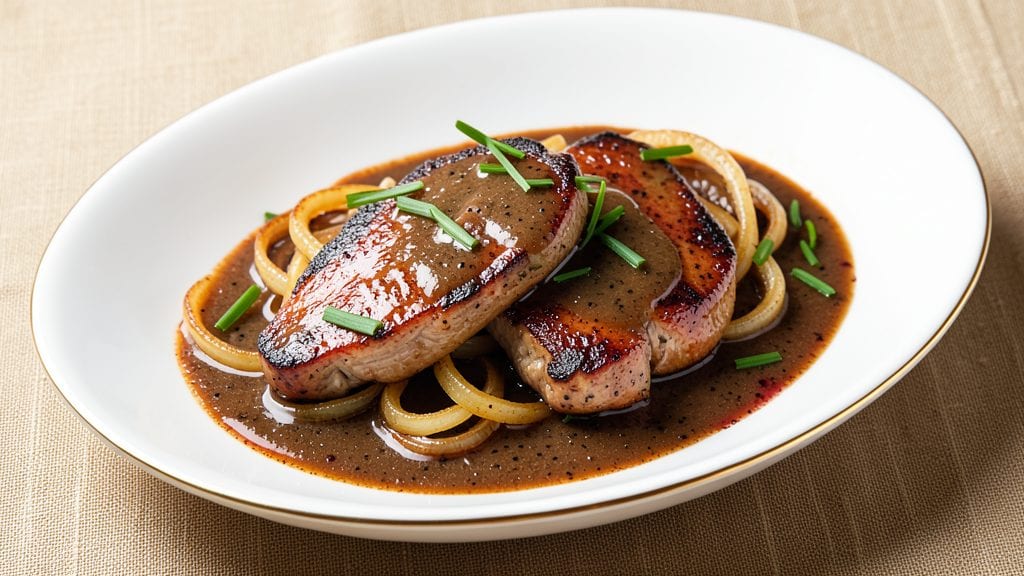
Mastering chicken liver and onions with gravy transforms humble ingredients into a restaurant-worthy pan sauce dish that delivers deep umami flavor in every bite. The secret lies in proper searing and deglazing techniques that unlock the liver's natural richness while caramelizing onions into sweet, golden perfection.
I perfected this method during my apprenticeship under Master Chef Chen, where we learned that patience in cooking pays off in layers of complex flavor.
This one-pan recipe combines tender chicken livers with velvety caramelized onions and a thick, savory gravy that clings to every bite. The process begins with searing the livers until perfectly cooked—just 3-4 minutes at high heat—then deglazing the pan with wine or broth to create the foundation for your gravy.
What makes this dish truly special is how the flavors meld together: the liver's iron-rich taste, the sweetness of the onions, and the depth of the gravy create a harmonious balance that's both comforting and sophisticated.
The result is a dish that's equally impressive as a weeknight dinner or an elegant meal for guests. The gravy, thickened naturally through reduction, coats the livers and onions in a glossy, flavorful sauce that's rich without being heavy.
This method also minimizes cleanup—just one pan to wash—making it practical for busy home cooks who still want restaurant-quality results. For those who love umami-rich dishes, this recipe is a game-changer that delivers professional-quality flavor at home.
Serve with crusty bread to soak up every last drop of that luxurious gravy, or pair it with roasted potatoes for a complete meal. The beauty of this dish is its versatility—it works equally well as a main course or a side that elevates any table.
Let's get started on creating this rich, umami-packed masterpiece that will have everyone asking for seconds.
Ingredients for chicken liver and onions with gravy
Twelve ingredients, one pan, restaurant-quality umami depth you'll crave every weeknight.
| Ingredient | Amount | Notes |
|---|---|---|
| Chicken Livers 🍗 | 1 lb | Fresh, trimmed of connective tissue |
| Yellow Onions 🧅 | 2 large | Sliced into 1/4-inch rounds |
| Unsalted Butter 🧈 | ½ cup | Cold, cut into 8 pieces |
| Dry Red Wine 🍷 | ½ cup | Cabernet Sauvignon preferred |
| Chicken Stock 💧 | 1 cup | Homemade or quality store-bought |
| All-Purpose Flour 🌾 | 1 tbsp | For gravy thickening |
| Shallots 🧅 | 2 whole | Minced for flavor depth |
| Fresh Thyme 🌿 | ¼ cup | Leaves only, chopped |
| Fresh Parsley 🌿 | ⅛ cup | Chopped for garnish |
| Salt 🧂 | 1 ½ tsp | Kosher or sea salt |
| Freshly Ground Black Pepper 🌶️ | ½ tsp | Cracked peppercorns preferred |
| Balsamic Vinegar 🍶 | 1 tbsp | For acidity balance |
Chicken livers are the star here, so source them fresh from a trusted butcher—they should be deep red with no yellowing. Whole Foods or local markets often carry the best quality, but check the grocery store's seafood section too. Trim any connective tissue or white fat before using, as it can make the livers bitter. The onions? Yellow or red varieties work best—they caramelize more beautifully than sweet onions. For the butter, European-style or grass-fed makes a noticeable difference in richness. Don't skip the shallots—they add subtle sweetness that balances the liver's iron intensity.
No red wine? Substitute with beef stock plus 1 tbsp balsamic vinegar—it mimics the acidity and depth. Using dried thyme? Cut the amount to one-third of fresh. The flour for thickening should be all-purpose, not cake flour—it creates a smoother gravy. If you're worried about liver texture, soak them in milk for 30 minutes before cooking to tenderize. For extra richness, add 1 tbsp of heavy cream at the end. The parsley is purely decorative, but it brightens the dish—don't skip it if you're serving guests.
Livers cook in minutes—keep them cold until ready to use. The caramelized onions can be made ahead and stored in the fridge for 3 days or frozen for 3 months. Gravy reheats beautifully but may thicken—just add a splash of stock or water to loosen. For meal prep, portion the livers and gravy separately—reheat the gravy first, then warm the livers gently in it. This dish tastes even better the next day as flavors meld. Store any leftovers in an airtight container in the fridge for up to 2 days.
Why You'll Love This Recipe
- One-Pan Magic: I swear by this recipe when I’m too tired to wash extra dishes. Sear the livers and onions in butter, deglaze with wine, simmer in stock—boom, done. The pan’s already sticky with flavor, so I just wipe it down and call it a win.
- Rich Without Effort: That wine reduction? Pure umami gold. The onions caramelize into sweet, jammy bites while the livers stay tender, and the gravy—oh, the gravy—is thick enough to coat everything like a hug. It’s the kind of dish that makes you pause mid-bite and go, “Damn, that’s good.”
- Weeknight to Weekend: I serve this over mashed potatoes for a lazy Tuesday or with crusty bread for a fancy-ish dinner. Honestly, it’s my go-to when I need something hearty but not fussy. Even my picky husband asks for seconds—(yes, even on a Tuesday night).
- Budget-Friendly Luxury: Chicken livers are cheap, but they taste like a splurge. A pound feeds four, and the leftovers reheat beautifully—just add a splash of stock to loosen the gravy. I keep a bag frozen in my freezer for those “I don’t want to think” nights.
Step-by-step instructions for chicken liver and onions with gravy
Here's how to transform simple ingredients into a velvety, umami-rich dish with perfect texture.
Prepare and Sear the Chicken Livers
Pat the 1 lb chicken livers completely dry with paper towels. Remove any connective tissue or silver skin, as these can make the livers bitter. Season generously with 1 tsp of the 1.5 tsp salt and 0.25 tsp of the 0.5 tsp freshly ground black pepper, reserving the rest for later.
Heat a large skillet over medium-high heat. Add 4 pieces of the 0.5 cup cold unsalted butter and let it melt completely, watching for small bubbles to form around the edges. Add half of the sliced 2 large yellow onions and cook for 3-4 minutes until they begin to soften. Remove the onions and set aside.
Working in batches to avoid overcrowding, add the chicken livers to the skillet. Press down gently with a spatula for the first 30 seconds to prevent curling. Cook for 2-3 minutes per side until the livers are browned and just cooked through—you'll see the edges firm up and the centers remain slightly pink. Remove and set aside with the onions.
Build the Flavor Base
In the same skillet, reduce heat to medium and add the remaining 4 pieces of cold unsalted butter. Let it melt completely, then add the 2 minced whole shallots. Cook for 1-2 minutes until fragrant and translucent. Pour in the 0.5 cup dry red wine and scrape up any browned bits from the bottom of the pan with a wooden spoon.
Simmer the wine for 2-3 minutes until reduced by half. Add the 1 tbsp all-purpose flour and stir vigorously for 1 minute to cook off the raw flour taste. Gradually whisk in the 1 cup chicken stock, then return the chicken livers and onions to the skillet. Stir gently to combine, allowing the livers to warm through in the sauce.
Add the 0.25 cup chopped fresh thyme leaves and the reserved 0.5 tsp salt and 0.25 tsp black pepper. Stir in the 1 tbsp balsamic vinegar and simmer gently for 3-4 minutes until the sauce thickens slightly and coats the back of a spoon.
Finish and Serve
Remove the skillet from heat and let it sit for 2 minutes to allow the sauce to thicken further. Stir in the 0.125 cup chopped fresh parsley and adjust the seasoning if needed—this is your chance to balance the flavors before serving.
Serve immediately over buttered toast, crusty bread, or mashed potatoes. The livers should be tender with a slightly crisp exterior, swimming in a glossy, umami-rich gravy that clings perfectly to each bite. The onions should be caramelized with a sweet, mellow flavor that complements the rich liver.
Pro Tips For Making Chicken Liver And Onions With Gravy
- Soak Livers First: Toss them in cold water with a splash of vinegar or lemon juice for 10-15 minutes—this removes that metallic taste and keeps them from turning rubbery. I used to skip this, and my gravy always tasted like it was fighting something.
- Sear in Batches: Don’t crowd the pan—cook the livers in small batches over medium-high heat until deeply browned, about 2-3 minutes per side. After burning two pans of them, I finally learned: patience here means a rich gravy, not a sad one.
- Deglaze with Wine: Pour that red wine in hot—it’ll sizzle and release all the browned bits stuck to the pan. Scrape the bottom with a wooden spoon while it works; this is where the gravy’s depth comes from, not some magic powder.
- Simmer Stock Low: Reduce the chicken stock to a gentle simmer, not a boil, or your gravy will turn gluey. If it looks too thin, let it thicken naturally—adding flour later is a last resort, and it’ll never taste as good as the real thing.
Serving suggestions for chicken liver and onions with gravy
Crusty Bread Pairing
Nothing beats this dish with a slice of crusty sourdough bread or a baguette straight from the oven. The gravy will soak into every nook, creating a flavorful bite that balances the richness of the livers.
I like to toast the bread with 2 tbsp unsalted butter and a sprinkle of flaky sea salt before serving—it adds a delightful contrast to the tender livers. 🥖
Roasted Potatoes
For a complete meal, serve alongside creamy Yukon Gold potatoes roasted with rosemary and garlic. Toss 1 lb potatoes in 2 tbsp olive oil, 1 tsp dried rosemary, 3 minced garlic cloves, 1 tsp salt, and ½ tsp black pepper.
Roast at 425°F for 40-45 minutes until golden and crispy. The potatoes absorb the gravy beautifully, making every bite hearty and satisfying.
Eggs for Breakfast
This dish isn't just for dinner—it's perfect for a luxurious weekend brunch. Serve the warm livers and gravy alongside poached eggs or fried eggs for a restaurant-worthy meal.
The yolks add a silky richness that pairs wonderfully with the umami depth of the livers. I often add a sprinkle of crumbled feta cheese for extra tang.
Garnish Like a Pro
Elevate your dish with a few finishing touches. A drizzle of high-quality olive oil adds shine, while extra fresh parsley brightens the plate. For a sweet contrast, I sometimes add a few thinly sliced pearl onions caramelized separately.
A pinch of smoked paprika over the gravy adds a subtle smoky note that ties everything together.
Wine Pairing
The rich, umami flavors of this dish call for a bold red wine with acidity to cut through the richness. I recommend a Cabernet Sauvignon or Syrah—their tannins and dark fruit notes complement the liver beautifully.
For a white wine option, a full-bodied Chardonnay with a touch of oak works surprisingly well. Avoid light wines like Pinot Grigio, as they won't stand up to the dish's depth. 🍷
Make-Ahead Serving
If you're prepping ahead, store the cooked livers and gravy separately in airtight containers in the fridge for up to 2 days. Reheat the gravy first over medium-low heat, then gently warm the livers in it.
Serve with buttered egg noodles or crispy polenta for a comforting twist. The flavors actually deepen overnight, making leftovers even more delicious. ⏳
Nutrition facts
Frequently asked questions
Why do chicken livers need to be soaked in milk before cooking?
Soaking chicken livers in milk for 30 minutes removes excess blood and tenderizes the meat, resulting in a more delicate texture. The milk also helps neutralize any metallic or iron-rich flavors that can make the dish taste bitter. For best results, use whole milk and pat the livers completely dry before cooking.
Can I substitute red wine with something else in the gravy?
Yes! If you don't have red wine, use ½ cup beef stock plus 1 tbsp balsamic vinegar for similar depth. For a non-alcoholic version, try ½ cup apple cider or ½ cup tomato paste mixed with ½ cup water. The key is balancing acidity and richness—avoid using only water or stock, as it won't create the same umami complexity.
How do I fix gravy that's too thin or too thick?
For thin gravy, whisk in 1 tsp cornstarch mixed with 1 tbsp cold water and simmer for 2-3 minutes until thickened. If it's too thick, stir in 1-2 tbsp warm chicken stock or water to loosen. Always adjust gradually—you can't fix overly thickened gravy later, but thin gravy can always be thickened again.
What's the best way to store leftovers?
Store cooked livers and gravy separately in airtight containers in the fridge for up to 2 days. Reheat the gravy first over medium-low heat, then gently warm the livers in it. For longer storage, freeze portions for up to 3 months. The gravy reheats beautifully, while the livers should be warmed through gently to avoid drying out.
Can I make this dish ahead of time for a dinner party?
Prepare the caramelized onions 1 day ahead and store them in the fridge. Cook the livers and gravy just before serving to keep them tender. Alternatively, assemble everything 2 hours ahead and reheat gently—just add a splash of stock if the gravy thickens too much. The flavors actually improve overnight, making it perfect for make-ahead meals.