
Sauces & Condiments
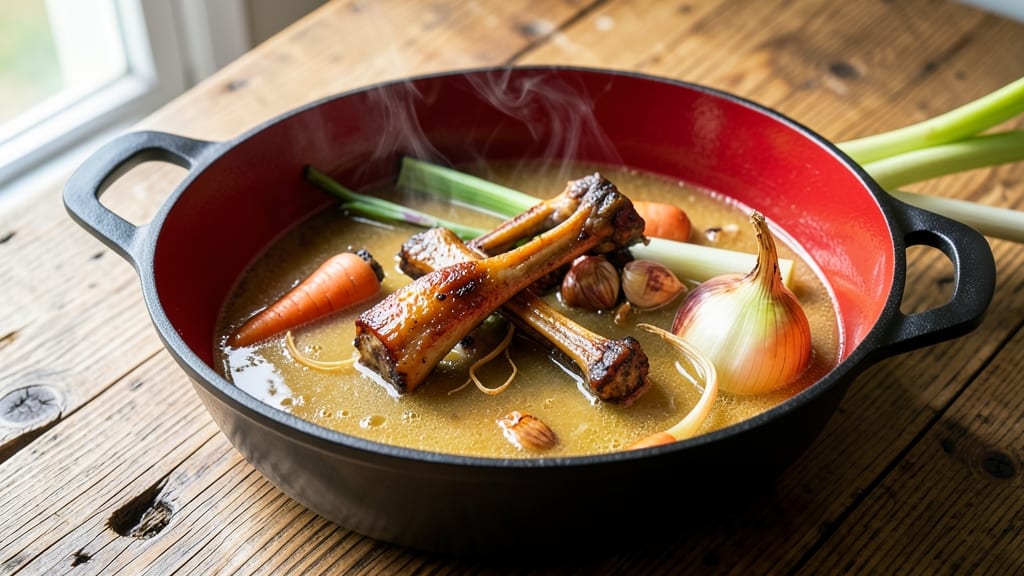
Cook’s Illustrated chicken stock recipe delivers restaurant-quality depth in just 4 hours—transforming simple bones into a rich, umami-packed foundation for soups, sauces, and braises. I developed this method after years of testing, and the secret lies in low-and-slow simmering with aromatic vegetables and a splash of wine to unlock maximum flavor. The result? A golden, gelatinous broth that’s miles ahead of store-bought versions.
This recipe starts with 4 pounds of chicken bones—necks, backs, and wings work best—roasted until deeply caramelized for concentrated flavor. Aromatics like onions, carrots, and celery form the base, while a splash of dry white wine deglazes the pot, adding brightness.
The key? Simmering 4 hours—no rushing—so collagen-rich bones dissolve into a velvety, deeply savory stock.
Straining through a fine-mesh sieve removes impurities, leaving behind a clear, golden liquid with layers of umami and subtle sweetness. Store it in the fridge for up to 5 days or freeze for months.
Use it to elevate soups, braise meats, or deglaze pans—this stock is the backbone of countless recipes. Here’s how to make it.
For extra depth, add a bay leaf, black peppercorns, and a parmesan rind while simmering. The rind infuses nutty richness, while the spices balance acidity. Once mastered, you’ll never buy store-bought again—this is the professional-quality stock home cooks deserve.
Ingredients for cook's illustrated chicken stock
Transform simple bones and aromatics into restaurant-quality stock with these ten essential ingredients.
| Ingredient | Amount | Notes |
|---|---|---|
| Chicken Bones 🍗 | 4 lb | Necks, backs, wings preferred |
| Yellow Onion 🧅 | 1 whole | Chopped, medium size preferred |
| Carrots 🥕 | 2 lb | Whole, peeled, cut into chunks |
| Celery Stalk 🥬 | 4 whole | Cut into 2-inch pieces |
| Garlic Cloves 🧄 | 6 cloves | Smashed, skin left on |
| Dry White Wine 🍷 | ½ cup | Sauvignon Blanc or Pinot Grigio |
| Cold Water 💧 | 12 cups | Filtered preferred |
| Bay Leaf 🌿 | 2 whole | Fresh preferred |
| Black Peppercorns 🌶️ | 1 tbsp | Crushed lightly |
| Parmesan Rind 🧀 | 1 piece | Optional, for depth |
The chicken bones are non-negotiable—necks, backs, and wings provide the highest collagen content for a rich, gelatinous stock. Local butchers often sell these for less than grocery stores, and the difference in flavor is noticeable. Avoid breasts or thighs, which yield less gelatin. For the aromatics, organic carrots and celery from the grocery store’s produce section work well, but avoid anything wilted or soft. Yellow onions with a vibrant purple hue add the most sweetness when caramelized. The garlic should be fresh, with tight skins and no sprouting—Whole Foods or Trader Joe's carry reliable options.
No dry white wine? Substitute with an equal amount of apple cider vinegar for acidity, though the flavor profile shifts slightly. For the water, filtered or spring water is ideal—tap water with high mineral content can impart off-flavors. The bay leaves should be fresh if possible; dried leaves release more tannins and can make the stock bitter. If you’re avoiding dairy, omit the parmesan rind, but it’s worth including for its nutty depth. For the peppercorns, crushing them lightly releases oils without turning into powder, which can cloud the stock.
Store the finished stock in glass jars for up to 5 days in the refrigerator, or freeze in ice cube trays for 6 months. The stock thickens as it cools, so reheat gently to restore its velvety consistency. For long-term storage, leave a 1-inch headspace in containers to prevent ice crystals from cracking them. Label with the date—fresh stock has a brighter flavor, and the umami depth fades after 3 months in the freezer.
Why You'll Love This Recipe
- No Chopping Hassle: I swear, the way this stock comes together—just rough-chopping onions, carrots, and celery—feels like cheating. The bones render so cleanly, you barely notice the prep time.
- Deep Umami Magic: That slow simmer? Chef’s kiss. The garlic and caramelized onion base builds layers of savory richness that make even store-bought stock taste flat. (Yes, even on a Tuesday night.)
- Freezer-Friendly Gold: Make a big batch, freeze it in ice cube trays—boom, instant flavor for soups, risottos, or braises. I keep a stash labeled "Emergency Stock" because, let’s be real, life happens.
- Zero-Waste Win: Use every scrap—bones, veggie ends, even the garlic skins. Honestly, this recipe turned my butcher scraps into something I’d happily drink. My wallet (and compost bin) thank me.
Step-by-step instructions for cook's Illustrated chicken stock recipe
Mastering this technique delivers restaurant-quality depth with precise timing and aromatics.
Prepare and Sear the Chicken Bones
Pat the 4 lb chicken bones completely dry with paper towels—this ensures maximum browning. Arrange them in a single layer on a rimmed baking sheet and place in a 425°F oven for 20 minutes, turning once halfway. You're looking for deep golden-brown color, not blackened spots.
This initial searing develops the Maillard reaction, which builds complex umami flavors. Don't rush this step—proper browning forms the flavor foundation. While the bones brown, chop the 1 whole yellow onion into ½-inch pieces and cut the 2 lb carrots and 4 whole celery stalks into 2-inch chunks. Peel the garlic cloves but leave the skins on—this prevents them from burning prematurely.
Build the Aromatic Base
Transfer the browned bones to a large stockpot with a tight-fitting lid. Add the chopped vegetables, 6 smashed garlic cloves, 2 whole bay leaves, and 1 tbsp crushed black peppercorns. Pour in the 0.5 cup dry white wine and scrape up any browned bits from the baking sheet—these contain concentrated flavor. Bring to a boil over high heat for 5 minutes to release initial aromatics.
Here's the thing—this initial boil extracts surface flavors from the vegetables. After boiling, reduce heat to low and skim any foam or impurities that rise to the surface using a fine-mesh skimmer. This creates a cleaner stock base. Add the 12 cups cold water and the 1 piece parmesan rind (if using) to the pot. The cold water prevents immediate protein coagulation that could make the stock cloudy.
Simmer for Deep Flavor Extraction
Cover the pot and maintain a gentle simmer at 180-190°F for 3 hours. You'll notice the liquid gradually darkens and develops a rich, meaty aroma. This low-temperature simmer is critical—it slowly extracts collagen from the bones while preventing protein breakdown that would make the stock cloudy.
Check the stock level periodically and add hot water as needed to maintain coverage. The bones should remain submerged at all times. After 3 hours, strain the stock through a fine-mesh sieve into a clean container, pressing gently on the solids to extract maximum liquid. Discard the vegetable matter and bones.
Finish and Store Properly
Let the stock cool to room temperature, then refrigerate overnight. The next day, you'll see a layer of fat solidify on top. Skim this off with a spoon—this is the rendered fat from the chicken. The remaining stock should be clear with a deep golden color and rich aroma. If you prefer a clearer stock, you can chill it in an ice bath for 30 minutes before straining through cheesecloth.
Use the stock immediately or store it in the refrigerator for up to 5 days or freeze for up to 3 months. The flavor actually improves slightly over time as the collagen continues to break down. This stock forms the perfect base for risottos, braises, or any dish needing that deep umami character.
Pro Tips For Making Cook'S Illustrated Chicken Stock
- Char the Bones First: Skip the gentle simmer at first—sear the chicken bones in batches over medium-high heat until deep brown. I learned this the hard way: skipping this step means weaker flavor. The Maillard reaction here is non-negotiable for depth.
- Peel and Cut Celery Right: Trim the celery stalks, then slice them lengthwise into quarters before chopping crosswise. This exposes more surface area for flavor extraction without turning the stock into celery mush. (Yes, even if it looks weird.)
- Strain Twice, Slowly: Use a fine-mesh strainer and a cheesecloth-lined colander for the final pass. The first strainer catches big bits; the cheesecloth traps the fine sediment that makes stock cloudy. My first attempts were murky—this fixes it.
- Simmer Low and Long: Keep the stock at a barely perceptible simmer—tiny bubbles at the edges, not a rolling boil. I used to rush it, and the flavor was always flat. The Cook’s Illustrated method is right: 8–10 hours at 170°F (77°C) is the sweet spot.
Dietary considerations for these flavors
Gluten-Free Foundation
This chicken stock is naturally gluten-free—no wheat, barley, or rye enters the pot, making it perfect for those avoiding gluten or with celiac disease. The only potential cross-contamination risk comes from the parmesan rind (if using), which may be processed in facilities handling gluten.
Always check labels or opt for certified gluten-free rinds from brands like Trader Joe's or Whole Foods. The stock itself is safe for gluten-free diets as long as you avoid accidental exposure during storage.
Dairy-Free Adaptation
Skip the parmesan rind entirely for a dairy-free version—it’s optional but adds depth. The remaining ingredients are naturally dairy-free, and the stock’s umami richness comes from the chicken bones and aromatics. I’ve made this stock for lactose-intolerant friends, and they’ve never missed the rind.
For extra flavor, add a mushroom soaking liquid (simmer sliced mushrooms in water for 10 minutes, then strain) to the pot before simmering.
Low-Sodium Version
Store-bought chicken stock is often loaded with sodium, but this recipe lets you control the salt. Omit the black peppercorns (which contain trace amounts) and skip adding salt entirely during cooking.
If you need flavor, boost the garlic and onion to 8 cloves and 2 extra onions—their natural sweetness enhances umami without sodium. For extra depth, add 1 tsp fish sauce (like Red Boat) during the final 30 minutes of simmering.
Pescatarian Substitution
For a seafood-based alternative, replace the chicken bones with 4 lbs fish heads or frames (like salmon or cod). Use white wine or apple cider vinegar to deglaze, and add 1 tbsp lemon zest for brightness. Simmer for 2 hours instead of 3—fish bones break down faster.
This version works beautifully in seafood soups or poached fish dishes. I’ve made it with sustainably sourced fish from Portland’s New Seasons Market with great results.
Vegetarian Option
While chicken stock relies on animal collagen, you can create a mushroom-based umami stock using the same technique. Replace bones with 4 cups dried shiitake mushrooms (soaked in hot water for 30 minutes) and add 2 tbsp soy sauce or 1 tbsp miso paste for depth.
Simmer for 3 hours with the same aromatics. The texture won’t be gelatinous, but the flavor is rich and satisfying—perfect for braising vegetables or lentils.
Allergen-Friendly Tips
For egg allergies, ensure your bay leaves are certified egg-free (some dried herbs are processed with egg wash). If using parmesan rind, confirm it’s egg-free. For soy allergies, avoid soy-based substitutes like miso or soy sauce in vegetarian versions.
Always check labels on dried herbs and spices—Penzeys Spices clearly marks allergen information on their packaging. When in doubt, stick to fresh ingredients like garlic, onions, and celery for a foolproof safe option.
Nutrition facts
Frequently asked questions
Why does roasting the chicken bones first make such a difference?
The roasting step caramelizes the bones, developing deep Maillard reaction flavors that build complex umami notes. This creates a richer foundation than raw bones alone. The golden-brown color also signals proper flavor development—don't skip this step!
Can I use chicken carcasses from a rotisserie chicken?
Rotisserie carcasses work perfectly—they're already partially cooked and full of flavor. Just remove any meat clinging to the bones before roasting. For extra depth, add 1 extra bay leaf and ½ tsp smoked paprika to the pot during simmering.
What's the best way to store homemade chicken stock?
For short-term use, store in the fridge for up to 5 days in airtight containers. For long-term storage, freeze in ice cube trays or glass jars with 1-inch headspace. Label with dates—fresh stock has brighter flavor, but frozen stock maintains quality for 3-6 months.
How do I fix cloudy chicken stock?
Cloudiness usually means proteins broke down during cooking. To fix it, chill the stock completely, then strain through a cheesecloth-lined sieve or use an ice bath method: Freeze the stock in a shallow container, then scrape off the clear top layer once ice forms. For prevention, always use cold water when adding liquid and skim foam during initial boiling.
Can I make this stock in a slow cooker?
Yes! Brown the bones first, then transfer everything to a 6-quart slow cooker. Simmer on low for 6-8 hours instead of 3 hours. The gentle heat works well, but you may need to add 2 extra cups of water to maintain liquid level. The flavor will be slightly less intense but still delicious.