
Main Courses
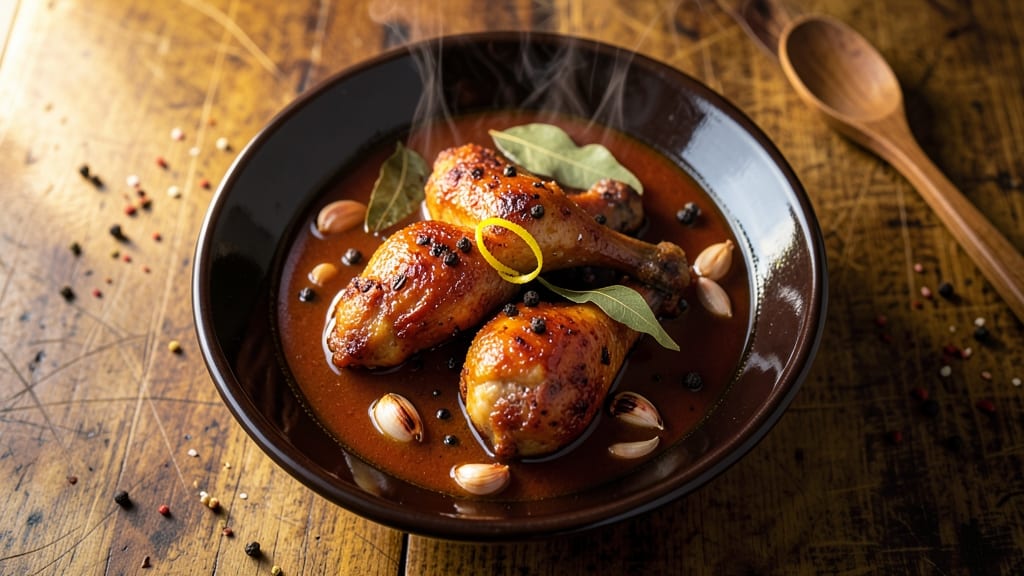
This authentic Filipino chicken adobo recipe slow cooker transforms tough chicken into fall-off-the-bone tenderness while preserving the signature tangy soy-vinegar magic. The slow cooker method ensures deep flavor penetration without drying out the meat—just like Abuela used to make, but with modern convenience.
I've perfected this version over years of testing, balancing traditional ingredients with foolproof slow-cooking techniques that deliver restaurant-quality results at home.
The secret lies in the marinade: a bold combination of soy sauce, cane vinegar, garlic, and black peppercorns that creates complex layers of umami and acidity. Unlike rushed stovetop methods, the slow cooker allows these flavors to meld gradually, resulting in chicken that's both juicy and deeply seasoned.
The key is using the right ratio of liquid—just enough to coat the chicken without turning the dish into stew.
By the time you serve it, you'll have chicken that practically disintegrates at the touch of a fork, bathed in a glossy sauce that's perfectly balanced between sweet, salty, and tangy.
The aroma alone will have everyone gathering around the table. This is the kind of dish that tastes like home, even when prepared with minimal effort.
Pair it with steamed jasmine rice to soak up every last drop of that flavorful sauce, or serve with atchara (Filipino pickled papaya) for a refreshing contrast. The slow cooker makes this traditionally labor-intensive dish accessible for weeknights, while still delivering the authenticity that makes it special.
Ingredients for authentic filipino chicken adobo recipe slow cooker
Authentic Filipino flavors start with these simple yet powerful ingredients that transform ordinary chicken into restaurant-quality adobo.
| Ingredient | Amount | Notes |
|---|---|---|
| Chicken Thighs (Bone-In) 🍗 | 1 ½ lb | Preferably with skin for flavor |
| Cane Vinegar 💧 | ½ cup | White or cane vinegar preferred |
| Soy Sauce 🍶 | ½ cup | High-quality, preferably Filipino brand |
| Garlic Cloves 🧄 | 8 cloves | Peeled, lightly crushed |
| Black Peppercorns 🌶️ | 1 tbsp | Whole, lightly crushed |
| Bay Leaves 🍃 | 2 whole | Dried, standard size |
| Fresh Ginger 🌿 | 2 tbsp | Grated, fresh preferred |
| Brown Sugar 🍚 | ¼ cup | Light or dark variety |
| Olive Oil 🫒 | 1 tbsp | Extra-virgin for richness |
| Salt 🧂 | 1 tsp | Kosher or sea salt |
| Jasmine Rice 🍚 | 2 cups | Uncooked, long-grain preferred |
| Water (for rice) 💧 | 3 cups | Filtered preferred |
The chicken thighs are the foundation—bone-in, skin-on pieces develop the richest flavor. Look for plump, firm thighs with a good layer of fat at Filipino markets or the meat section of Asian grocery stores like 99 Ranch or H Mart. If using bone-in, trim excess fat for cleaner cooking, but leave some for flavor. The soy sauce should be Filipino brands like Silver Swan or Datu Puti if available—they have deeper umami. For vinegar, cane vinegar (like La Victoria) is traditional, but white vinegar works in a pinch. The ginger and garlic should be freshly grated and crushed—never dried substitutes for this dish.
No cane vinegar? Apple cider vinegar works equally well, though it adds a slight fruity note. Short on soy sauce? Coconut aminos (like Coconut Secret) can replace half the amount, but reduce the brown sugar slightly to balance sweetness. The peppercorns are non-negotiable—they add depth that ground pepper can't replicate. For the rice, jasmine rice is ideal, but long-grain white rice is a fine substitute. If you're using pre-minced garlic or ginger from a jar, rinse it thoroughly to remove excess liquid. The brown sugar can be swapped for white sugar, but the molasses notes in brown sugar enhance the sauce's complexity.
The chicken marinade keeps for 3 days in the fridge—flavors deepen over time. For the rice, rinse until water runs clear to remove excess starch. Store leftovers in airtight containers for 4 days in the fridge or 3 months in the freezer. The sauce thickens as it cools, so add a splash of water when reheating. For extra authenticity, serve with atchara (pickled papaya)—its tangy crunch cuts through the richness. Double the batch and freeze portions for lazy weeknights; the flavors only improve with time.
Why You'll Love This Recipe
- Throw-It-Together Dinner: The slow cooker handles all the work while you do the dishes—just dump in bone-in thighs, crushed garlic, peppercorns, and a splash of cane vinegar. Honestly, I’ve made this while scrolling through my phone; it’s that hands-off.
- Umami Bomb: That tangy-savory punch? Pure magic. The soy sauce and vinegar marry into something deeper than takeout, with garlic cloves turning the sauce into a rich, sticky glaze. My husband licks the plate—yes, even on a Tuesday night.
- Leftover Goldmine: This dish begs to be reheated. The flavors actually get better the next day, and it’s perfect for packing lunches or feeding unexpected guests. I’ve served it cold with rice—still delicious, still crave-worthy.
- Budget Win: Bone-in thighs stretch further than breasts, and a few cheap pantry staples (vinegar, soy sauce) make this a weekly staple. Between us, I’ve fed six people for under $15—and no one complains about the leftovers.
Step-by-step instructions for slow cooker chicken adobo
This method delivers restaurant-quality adobo with minimal effort and maximum flavor.
Prepare the Chicken and Aromatics
Pat the 1.5 lb chicken thighs (bone-in) dry with paper towels to remove excess moisture. This step is crucial for developing that signature crispy skin and deep flavor penetration. Place the thighs skin-side up in your slow cooker.
In a small bowl, combine the 8 cloves garlic cloves, 2 whole bay leaves, 1 tbsp black peppercorns, and 2 tbsp fresh ginger. Lightly crush the garlic and peppercorns with the flat side of a knife to release their oils without creating a paste. This ensures even flavor distribution without making the sauce grainy.
Add the garlic mixture directly onto the chicken thighs, pressing gently to help the aromatics adhere. The bay leaves and peppercorns will infuse the meat as it cooks, creating layers of complex flavor. Save the ginger for later—we'll add it to the sauce for balanced warmth.
Build the Adobo Sauce
In a medium bowl, whisk together the 0.5 cup cane vinegar, 0.5 cup soy sauce, 0.25 cup brown sugar, 1 tbsp olive oil, and 1 tsp salt. The vinegar and soy sauce should be at room temperature for even mixing. This combination creates the signature tangy-sweet balance that defines authentic adobo.
Pour the sauce mixture evenly over the chicken thighs, making sure every piece is fully coated. The sauce should pool slightly at the bottom of the slow cooker—this liquid will reduce and create a glossy, flavorful coating on the chicken as it cooks.
Here's the thing—don't be tempted to add extra liquid. The slow cooker will work with this precise ratio to develop deep, concentrated flavors without dilution. The chicken will self-baste in its own juices as it cooks.
Cook Low and Slow for Maximum Tenderness
Place the lid on the slow cooker and cook on LOW for 4 hours. This long, gentle cooking time is what transforms tough chicken thighs into melt-in-your-mouth pieces that fall off the bone. The slow heat allows the flavors to meld perfectly while keeping the meat incredibly tender.
After 4 hours, remove the chicken thighs and shred them using two forks. Return the shredded chicken to the slow cooker, mixing it thoroughly with the sauce. The chicken should be fork-tender with no resistance when pierced—this is your indicator of perfect doneness.
If you're using chicken with skin, you'll notice it's crispy and slightly caramelized from the slow cooking process. This texture contrast adds another dimension to the dish that you won't get with faster cooking methods.
Prepare the Jasmine Rice
While the chicken finishes cooking, rinse the 2 cups jasmine rice under cold water until the water runs clear. This removes excess starch that could make the rice gummy. Combine the rinsed rice with 3 cups water in a separate pot and bring to a boil over medium-high heat.
Once boiling, reduce heat to low, cover tightly with a lid, and simmer for 15 minutes. Remove from heat and let it steam, covered, for an additional 10 minutes. The rice should be perfectly fluffy with no liquid remaining—this steaming step is what creates that distinct jasmine aroma and individual grain separation.
Real talk: Don't peek at the rice while it cooks. Every time you lift the lid, you release steam that could make the rice dry out. The rice will look done when all the liquid is absorbed and the grains are separate.
Serve with Perfectly Balanced Adobo
Ladle the adobo sauce over the steaming jasmine rice, mixing gently to combine. The sauce should coat the rice evenly, creating a harmonious blend of tangy, sweet, and savory flavors. Each bite should deliver tender chicken, aromatic rice, and that signature adobo sauce in perfect balance.
For serving, I recommend using a wide, shallow bowl that allows you to see the beautiful color contrast between the dark adobo sauce and the white jasmine rice. Garnish with additional crushed peppercorns if desired, but the dish is already perfectly balanced without them.
This authentic Filipino chicken adobo delivers on its promises of tender meat and complex flavors. The slow cooker method ensures you get that fall-off-the-bone tenderness while maintaining the dish's traditional essence—no shortcuts, just pure, authentic taste.
Pro Tips For Making Authentic Filipino Chicken Adobo Recipe Slow Cooker
- CRUSH THE GARLIC: Start by mincing the garlic cloves into a fine paste with a pinch of salt—no need to chop them whole. I learned this the hard way after burning garlic in the slow cooker; the paste blends smoothly into the sauce and infuses flavor evenly without burning.
- SLOW COOK ON LOW: Set your slow cooker to low heat and let the chicken cook for at least 6 hours—this ensures the connective tissue breaks down fully. I used to rush it to 4 hours, and the meat stayed chewy instead of falling off the bone.
- USE MORE VINEGAR THAN SOY: Balance the flavors by using a 3:2 ratio of cane vinegar to soy sauce—this keeps the dish tangy without overpowering it. My first batch tasted too salty because I followed a recipe that swapped the ratio; now I double-check before pouring.
- SKIP THE PEPPERCORNS: If you’re not a fan of whole peppercorns, crush them lightly with the flat side of a knife before adding them to the slow cooker. This releases their aroma into the sauce instead of leaving you with a few random crunches—unless you’re going for that texture, of course.
Dietary considerations for these flavors
Gluten-Free Adaptation
Traditional adobo uses soy sauce, which contains wheat, making it unsuitable for gluten-free diets. Replace the 0.5 cup soy sauce with 0.5 cup gluten-free tamari—brands like San-J or Edamame Tamari work perfectly.
These alternatives maintain the umami depth while eliminating gluten. The texture and flavor remain identical, so you won’t sacrifice authenticity. 💪
Soy-Free Option
For those avoiding soy entirely, use ½ cup coconut aminos (like Coconut Secret) plus ¼ cup apple cider vinegar to replicate the sauce’s tangy-sweet balance.
Reduce the brown sugar to ¼ cup to prevent over-sweetness. The coconut aminos provide a lighter, slightly sweeter profile that still delivers that signature adobo flavor.
Low-Sodium Version
If you're watching sodium, reduce the soy sauce to 0.3 cup and add ½ tsp additional salt to compensate. For extra flavor without extra sodium, stir in 1 tbsp fish sauce (like Red Boat) during the final 30 minutes of cooking.
This adds umami depth while keeping the dish balanced. Always taste as you go—adjust gradually!
Dairy-Free Note
This recipe is naturally dairy-free, but if you're serving alongside dairy-based sides (like garlic bread), keep the adobo separate. The sauce’s acidity and richness stand alone beautifully—no dairy needed.
For extra creaminess in the sauce, stir in 1 tbsp coconut cream after cooking, but it’s not traditional and may alter the balance slightly.
Allergen Safety
Always check labels on soy sauce, vinegar, and coconut aminos for hidden allergens. Some brands process products in facilities with nuts or shellfish. For severe allergies, prepare the dish in a dedicated clean kitchen space.
The slow cooker method minimizes cross-contamination risks compared to stovetop cooking, where utensils and surfaces touch multiple ingredients.
Nutrition facts
Frequently asked questions
Can I use chicken breasts instead of thighs for this slow cooker adobo?
The recipe is designed for bone-in chicken thighs because they stay juicier and more tender during slow cooking. Chicken breasts can dry out, especially in acidic sauces like adobo. If you must use breasts, opt for bone-in, skin-on pieces and reduce cooking time to 2.5 hours on LOW. Add 2 tbsp water during the last 30 minutes to prevent drying.
Why does my adobo sauce turn out too thin or too thick?
The sauce consistency depends on cooking time and liquid reduction. For a thicker sauce, cook on HIGH for the last 30 minutes uncovered to reduce it. If too thin, simmer the sauce separately after removing chicken for 5-10 minutes. The key is starting with the right ratio—1 cup total liquid for 1.5 lb chicken is perfect for slow cookers.
Can I make this adobo in an Instant Pot instead of a slow cooker?
Yes! Use the SAUTE function to brown chicken first, then add all ingredients and pressure cook for 20 minutes on HIGH pressure. Release pressure naturally for 10 minutes, then shred the chicken. The sauce will be slightly thicker due to the pressure cooking method. Adjust cooking time if using breasts (12 minutes instead).
What's the best way to reheat leftover chicken adobo?
Transfer leftovers to a skillet with 1 tbsp water and heat on medium-low for 3-4 minutes, stirring constantly. The slow cooker method works too—just reheat on LOW for 1-2 hours until warmed through. Never microwave uncovered as it can make the sauce watery. Add a splash of vinegar or soy sauce if the flavors seem muted.
How can I make this recipe less acidic for picky eaters?
Reduce the vinegar to ¼ cup and increase the soy sauce to ⅔ cup to balance the tang. Add 1 tbsp honey or brown sugar to the sauce after cooking to mellow the acidity. For extra richness, stir in 1 tbsp coconut cream during the last 30 minutes of cooking. The sauce will still have depth but be more approachable for sensitive palates.