
Main Courses
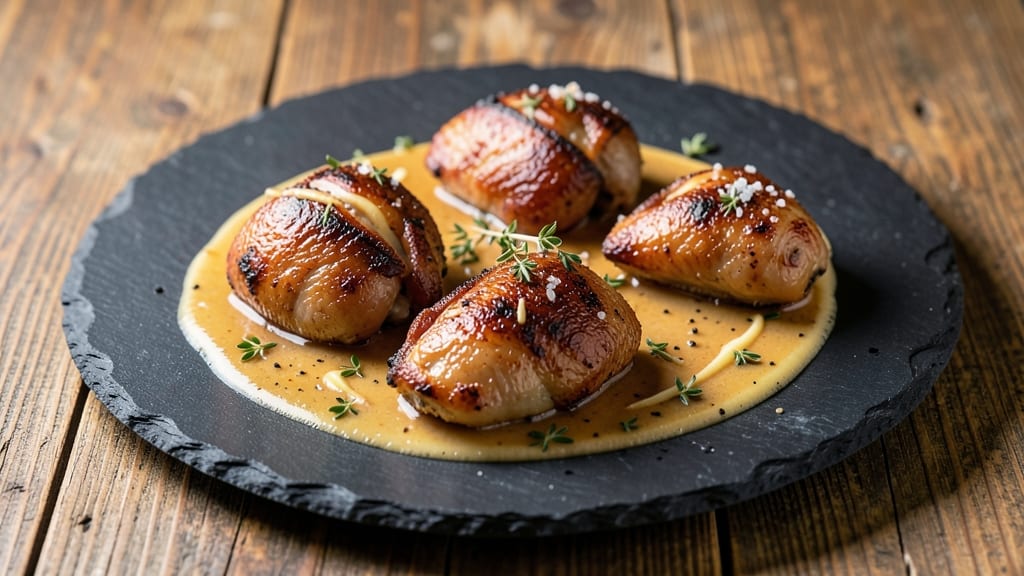
Transforming chicken hearts and gizzards into crispy-skinned, juicy pan-fried bites is an art that elevates humble offal into a restaurant-worthy dish. The key lies in proper preparation—cleaning, tenderizing, and cooking them just right to achieve that perfect balance of texture and flavor.
I’ve perfected this method over years of testing, ensuring every bite delivers the satisfying contrast of crispy exteriors and tender, moist interiors.
This recipe starts with thorough cleaning and marinating to remove any gamey taste, followed by a simple yet effective pan-frying technique that locks in juices while creating that coveted crispy skin.
The process is straightforward once you understand the critical steps, and the results speak for themselves—juicy, flavorful bites that pair beautifully with bold sauces or fresh sides. Whether you're a seasoned cook or new to offal, this method makes it approachable and foolproof.
The secret to success is high heat and patience—searing the hearts and gizzards until golden brown before finishing them gently to retain moisture. A well-seasoned crust adds depth, while a bright sauce or tangy marinade ties everything together.
What you’ll end up with is a dish that’s rich, satisfying, and packed with flavor, proving that offal can be just as impressive as any cut of meat.
Serve these crispy-skinned bites with a squeeze of lemon, a sprinkle of fresh herbs, or your favorite dipping sauce for an elevated appetizer or main course.
The versatility of this recipe means it works for casual weeknight dinners or special occasions—just follow the steps, and you’ll achieve professional-quality results every time.
Ingredients for chicken hearts and gizzards
Crispy-skinned, juicy chicken hearts and gizzards start with just 12 ingredients and a few key techniques.
| Ingredient | Amount | Notes |
|---|---|---|
| Chicken Hearts 🍗 | 1 lb | Fresh, cleaned, trimmed of silver skin |
| Chicken Gizzards 🍗 | 1 lb | Fresh, cleaned, trimmed of membranes |
| Butter 🧈 | ½ cup | Unsalted, cold for searing |
| All-Purpose Flour 🌾 | ½ cup | For dredging, fine texture |
| Diamond Crystal Kosher Salt 🧂 | 1 ½ tbsp | Coarse grain for seasoning |
| Freshly Ground Black Pepper 🌶️ | 1 tsp | Freshly cracked for brightness |
| Garlic Cloves 🧄 | 4 cloves | Minced, fresh for marinade |
| Lemon Juice 🍋 | ¼ cup | Freshly squeezed, bright acidity |
| Extra-Virgin Olive Oil 🫒 | 2 tbsp | High-quality, for marinade |
| Fresh Parsley 🌿 | ¼ cup | Chopped, for garnish |
| Fresh Thyme Leaves 🌿 | ¼ cup | Chopped, aromatic finish |
| Red Wine Vinegar 🍷 | 1 tbsp | For marinade acidity |
The offal makes all the difference—fresh is non-negotiable. Hit the butcher counter for whole hearts and gizzards (not pre-cut) so you can clean and prep them properly. Look for vibrant color and minimal gamey smell—local farms or specialty meat shops often carry the best quality. If you're nervous about cleaning, don't be: a quick soak in cold water with lemon juice removes most impurities. I always buy mine from Whole Foods or my trusted local butcher—they know exactly what to look for.
No fresh herbs? Dried thyme at one-third the amount works in a pinch, but fresh is worth the trip to the market. Short on lemon juice? White wine vinegar or apple cider vinegar gives similar acidity. Using pre-minced garlic? Toast it first to deepen the flavor—just heat it in olive oil for 30 seconds. The flour matters too: King Arthur or Bob's Red Mill work best for dredging. For the butter, Plugrá or Land O'Lakes unsalted melt beautifully without adding extra salt. And if you're feeling fancy, swap the parsley for cilantro or chives—just adjust the amount to taste.
These keep best when prepped ahead—marinate overnight for maximum tenderness. Store cleaned offal in an airtight container with paper towels to absorb moisture, then refrigerate for up to 2 days. For longer storage, freeze the cleaned pieces in a sealed bag for up to 3 months. Once cooked, they reheat beautifully—400°F for 8-10 minutes until crispy again. I always make extra because they disappear fast—perfect for sandwiches or salads the next day.
Why You'll Love This Recipe
- One-Pot Magic: I swear by this recipe because it’s all about the simplicity. Just sear the hearts and gizzards in butter, toss them in flour, and let them crisp to golden perfection—no fancy steps, no extra pans. The salt and butter work their magic while you’re still chopping veggies for the side.
- Rich, Meatier Than Chicken: Between us, these aren’t just scraps—they’re ridiculously flavorful. The flour coating locks in all that deep, savory goodness, while the butter keeps them juicy inside with a crispy exterior. Honestly, my picky eaters actually ask for seconds.
- Game for Any Meal: This recipe’s my go-to for everything: a hearty weeknight dinner, a tailgate spread, or even a fancy-ish appetizer when guests show up. Serve it with mashed potatoes, toss it in a sandwich, or just eat it straight off the plate—it’s that versatile.
- Budget-Friendly Powerhouse: A pound of hearts and gizzards costs a fraction of chicken breasts, but the flavor? Unmatched. Plus, leftovers reheat like a dream—crispy again in the pan, no soggy bits. I’ll be real: this is how I feed my family well without breaking the bank.
Step-by-step instructions for crispy-skinned, juicy pan-fried chicken hearts and gizzards
Here's how to transform tough offal into restaurant-quality bites with perfect texture.
Prepare the Offal for Maximum Flavor
Start by thoroughly cleaning the chicken hearts and gizzards under cold running water, removing any remaining membranes or connective tissue. This is crucial—the cleaner your offal, the better it will cook. Pat them completely dry with paper towels, then trim away any remaining silver skin or excess fat. You want the surfaces as smooth as possible for even cooking.
In a large bowl, combine the 1 lb chicken hearts and 1 lb chicken gizzards with the 2 tbsp extra-virgin olive oil, 1 tbsp red wine vinegar, 0.25 cup lemon juice, 4 minced garlic cloves, 1.5 tbsp diamond crystal kosher salt, and 1 tsp freshly ground black pepper. The acidity from the vinegar and lemon juice helps tenderize the meat while the garlic and herbs infuse flavor. Let this marinade sit for at least 30 minutes at room temperature—this ensures the offal absorbs all the flavors and starts to break down slightly for more tender results.
Create the Perfect Dredge for Crispy Skin
In a separate shallow dish, mix the 0.5 cup all-purpose flour with an additional 1 tsp diamond crystal kosher salt and ½ tsp freshly ground black pepper. This extra seasoning ensures maximum flavor in every bite. The fine texture of all-purpose flour creates a light, crispy crust that contrasts beautifully with the juicy interior.
Remove the chicken hearts and gizzards from the marinade, letting any excess liquid drip off. You want them coated but not dripping wet—this prevents a soggy crust. Working in batches if needed, press each piece into the flour mixture, coating all sides evenly. The flour should adhere lightly but not form a thick paste. Let the dredged offal rest for 10 minutes while you prepare the butter for cooking. This resting period helps the flour adhere better and creates a more stable crust.
Pan-Fry in Butter for Perfect Doneness
Heat a large skillet over medium-high heat until it's hot but not smoking. Add the 0.5 cup cold unsalted butter and let it melt slowly, watching for small bubbles to form around the edges. This gentle melting creates a rich, flavorful fat that will baste the offal as it cooks. The cold butter also helps create a better sear than melted butter straight from the fridge.
Working in batches to avoid overcrowding, add the dredged chicken hearts and gizzards to the skillet. Press down gently on each piece with a spatula for the first 30 seconds—this ensures even contact with the hot pan and prevents curling. Cook undisturbed for 3-4 minutes per side until the exterior is deep golden brown and the butter around the pieces has turned a rich amber color. You're looking for that perfect balance of crispy skin with tender meat underneath. If the butter starts to smoke excessively, reduce the heat slightly to maintain even cooking.
Finish with Aromatics and Garnish
Once all the pieces are golden brown and cooked through (they should reach an internal temperature of 165°F when checked with a meat thermometer), remove them from the skillet and transfer to a paper towel-lined plate. The residual heat will keep them warm while you finish the dish.
In the same skillet (no need to clean it—the browned bits add flavor), reduce the heat to medium-low and add the 0.25 cup fresh parsley and 0.25 cup fresh thyme leaves. Let them sizzle for 30 seconds until fragrant. Pour in any remaining butter from the pan and stir to create a quick pan sauce. This aromatic finish elevates the dish from simple fried offal to a sophisticated restaurant-quality preparation.
Rest and Serve Immediately
Let the chicken hearts and gizzards rest for 5 minutes before serving. This brief rest allows the juices to redistribute throughout the meat, ensuring each bite is moist and flavorful. The crispy exterior will maintain its texture while the interior remains perfectly tender.
Serve immediately with the pan sauce spooned over the top. The contrast of crispy skin, juicy interior, and aromatic butter sauce creates an unforgettable eating experience. These bites make an impressive appetizer or can be served as part of a larger offal feast with crusty bread to soak up every last drop of that delicious pan sauce.
Pro Tips For Making Chicken Hearts And Gizzards
- SCORE THEM FIRST: Slice the gizzards lengthwise with a sharp knife—about ¼-inch thick—and make a shallow crosshatch on the hearts. This lets the salt and flour penetrate deeper, so they cook faster and don’t turn into chewy rubber. I used to skip this, and the gizzards always felt dense no matter how long I fried them.
- SALT THE FRYING BUTTER: Toss a generous pinch of kosher salt into the melted butter before dredging the meat—about ½ teaspoon per cup. The butter will foam slightly, but that’s how you know it’s working. I learned this the hard way when my first batch tasted bland, even after seasoning the flour. The salt in the butter makes a real difference.
- DON’T CROWD THE PAN: Fry the hearts and gizzards in batches, even if it means two rounds. Overloading the pan drops the temperature, and you’ll end up with greasy, unevenly cooked meat. I’ve ruined more batches than I’d like to admit by rushing this—just give them space, and they’ll crisp up perfectly.
- REST THEM UNDER FOIL: As soon as they come out of the pan, transfer the fried hearts and gizzards to a wire rack set over a plate, tent loosely with foil, and let them sit for 5 minutes. This keeps them from steaming back into soggy, greasy messes. I know, I know—it’s tempting to serve them immediately, but trust the process.
Troubleshooting your chicken hearts and gizzards
Gamey Taste Lingers
If your chicken hearts and gizzards still taste gamey after cooking, the issue likely stems from improper cleaning or marinating. First, ensure you thoroughly rinsed them under cold water while removing all membranes and connective tissue.
For extra insurance, soak the cleaned offal in lemon juice or milk for 30 minutes before marinating—this neutralizes lingering gamey flavors. I also recommend using 1 tbsp baking soda dissolved in 1 cup water for a 10-minute soak before the final marinade. 💡
Soggy Crust Instead of Crispy
A soggy crust usually means excess moisture in the flour dredge or undercooked butter. Always pat the offal completely dry after marinating—even a damp surface prevents proper adhesion. For the butter, use cold unsalted butter straight from the fridge to create a better sear.
If your pan isn’t hot enough, the butter will melt too quickly, leading to a greasy rather than crispy crust. I find medium-high heat with a 12-inch cast iron skillet works best for even cooking. ✨
Uneven Cooking or Raw Centers
Uneven cooking often happens when pieces are overcrowded in the pan or not pressed down firmly enough. Work in batches with 2-3 pieces max per side to maintain proper heat circulation.
Press each piece gently with a spatula for the first 30 seconds to flatten slightly—this ensures even contact with the hot surface. Use a meat thermometer to check internal temps: hearts should reach 165°F, while gizzards need 170°F due to their denser texture. 🌡️
Butter Burns Too Quickly
If your butter burns before the offal is cooked, reduce the heat to medium instead of medium-high. Cold butter needs time to melt gradually while creating a rich, flavorful crust.
For extra insurance, add the offal to the pan when the butter is just starting to foam—this gives you a 1-2 minute window before it reaches smoking point. I also recommend using a heavy-bottomed skillet like All-Clad to distribute heat more evenly. 🔥
Dry or Tough Texture
Overcooking is the most common cause of dry, tough offal. Remove the pieces from the pan as soon as they reach 165°F internal temperature—they’ll carryover cook another 5°F while resting. For extra tenderness, I marinate the offal for 4-6 hours (or overnight) in the refrigerator.
This extended time allows the acid in lemon juice and vinegar to break down connective tissues more effectively. Never skip the 5-minute rest before serving—this lets juices redistribute for maximum moisture. 💫
Sticking to the Pan
Sticking occurs when the pan isn’t hot enough or the offal isn’t dry enough. Always heat your skillet until it’s ripping hot before adding butter. For extra insurance, let the offal sit in the flour dredge for 10 minutes to create a barrier.
If using a non-stick pan, I recommend a well-seasoned cast iron instead—it develops a natural non-stick surface over time. A light spray of avocado oil before adding butter can also help prevent sticking without compromising flavor. 💪
Nutrition facts
Frequently asked questions
Can I use frozen chicken hearts and gizzards instead of fresh?
Yes, but thaw them properly first! Place the frozen offal in a sealed bag and submerge it in cold water for 30-45 minutes—never use warm water. After thawing, pat them completely dry and follow the same cleaning and marinating steps as fresh. For best results, marinate thawed offal for at least 2 hours to ensure maximum tenderness.
What’s the best way to remove the gamey flavor?
Start with thorough cleaning—rinse under cold water while removing all membranes. For extra insurance, soak cleaned offal in lemon juice or milk for 30 minutes before marinating. The acidity helps neutralize gamey notes. I also recommend a 10-minute baking soda soak (1 tbsp in 1 cup water) before the final marinade.
Can I bake these instead of pan-frying?
Preheat oven to 425°F and bake the dredged offal on a wire rack for 15-20 minutes, flipping halfway. For crispiness, broil for the last 2 minutes. Baking works well for larger batches, but pan-frying gives that restaurant-style crust.
How do I know when they’re fully cooked?
Use a meat thermometer—hearts should reach 165°F, while gizzards need 170°F due to their denser texture. The exterior should be deep golden brown with no pink remaining. Cutting into the thickest piece confirms doneness.
What are the best sides to serve with these?
Pair with bold flavors like garlic mashed potatoes, crusty sourdough, or a spicy chimichurri. For a lighter option, try a fresh arugula salad with lemon vinaigrette. The crispy texture stands up well to tangy or creamy accompaniments.