
Main Courses
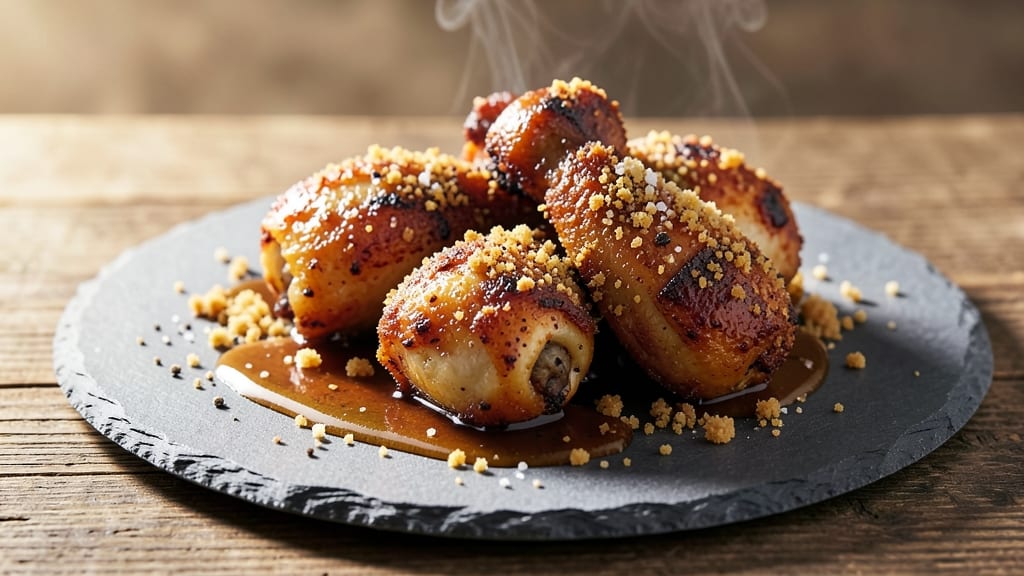
Transforming chicken gizzards and hearts into crispy-skinned, juicy bites is easier than you think—this one-pan method delivers restaurant-quality results without the fuss. The secret lies in proper preparation and a high-heat sear that creates that coveted crispy exterior while keeping the interior tender.
I’ve perfected this technique over years of testing, ensuring even home cooks can achieve perfect texture every time.
Start with clean, trimmed gizzards and hearts—this step is non-negotiable for safety and flavor. A simple marinade of buttermilk, salt, and pepper tenderizes the meat while adding subtle tang, but the real magic happens in the pan.
Cooking them in small batches over medium-high heat ensures even browning and prevents steaming, which guarantees that crispy skin you crave.
By the time you’re done, you’ll have golden-brown, crispy-skinned gizzards and hearts with juicy, tender interiors that practically melt in your mouth. The aroma alone will have everyone at the table asking for seconds, and the minimal cleanup makes this a weeknight winner.
Serve with your favorite sides or a tangy dipping sauce for the full experience.
This method works equally well for grilling or baking, giving you flexibility for any occasion. Whether you’re feeding a crowd or treating yourself, these bites are sure to impress. Let’s get cooking—your taste buds will thank you.
Ingredients for chicken gizzards and hearts
Eight essential ingredients transform tough gizzards and hearts into crispy, juicy bites—no fancy prep required.
| Ingredient | Amount | Notes |
|---|---|---|
| Chicken Gizzards 🍗 | 1 ½ lb | Trimmed and cleaned thoroughly |
| Chicken Hearts 💓 | 1 ½ lb | Trimmed and cleaned thoroughly |
| Buttermilk 🥛 | 1 cup | Full-fat for best flavor |
| Salt 🧂 | 1 ½ tsp | Kosher or sea salt |
| Freshly Ground Black Pepper 🌶️ | ½ tsp | Freshly cracked for best flavor |
| All-Purpose Flour 🌾 | ½ cup | For dredging (light coating) |
| Vegetable Oil 🫒 | ½ cup | High smoke point for searing |
| Lemon Juice 🍋 | 2 tbsp | Freshly squeezed for brightness |
| Garlic Powder 🧄 | 1 tsp | For added depth of flavor |
| Paprika 🌶️ | ½ tsp | Smoked for extra aroma |
| Olive Oil 🫒 | 1 tbsp | For finishing drizzle |
| Fresh Parsley 🌿 | ¼ cup | Chopped for garnish |
The gizzards and hearts need to be cleaned thoroughly—trim any excess fat or connective tissue, then rinse well. Local butchers or specialty meat counters often sell them pre-trimmed, but if you're buying whole, ask for the cleaned versions. The difference in texture is huge. I usually grab mine from Whole Foods or Costco—they're often sold in bulk there, which saves money. If you can't find them fresh, frozen works too (just thaw overnight in the fridge). The key is to keep them cold until you're ready to marinate—never let them sit at room temperature.
No buttermilk? Substitute with milk plus 1 tbsp vinegar or lemon juice—let it sit for 5 minutes to curdle. The flour is just for a light dredge (don't overdo it), but if you're out, cornstarch works too. For extra crispiness, add a pinch of baking powder to the flour. The lemon juice is non-negotiable—it tenderizes the meat and adds that bright finish. If you're feeling fancy, swap the paprika for a mix of smoked paprika and cayenne for some heat. And trust me, fresh parsley at the end makes all the difference—it's the finishing touch that elevates everything.
These keep beautifully for 3 days in the fridge if stored in an airtight container, but honestly? They reheat even better the next day. For serving, I like to portion them into small containers with a drizzle of olive oil—keeps them moist. Freeze for up to 3 months if you want to make ahead. Just thaw overnight in the fridge before reheating. The secret to reheating? Low heat in a skillet for 2-3 minutes—this crisps up the exterior without drying out the interior. Double batch and freeze half—you'll thank me later.
Why You'll Love This Recipe
- No-Fuss Prep: I swear by this recipe because it’s about as hands-off as chicken gets. Just soak the gizzards and hearts in buttermilk for an hour—no chopping, no fuss—then fry or bake. The buttermilk does all the work while you scroll or sip your coffee.
- Buttermilk Magic: That tangy buttermilk marinade? It’s the secret weapon. The gizzards stay juicy while the hearts develop this addictive crispy crust—like a cross between fried chicken and a rich, savory bite. Honestly, the first time I tried it, I nearly licked the pan.
- Budget Crowd-Pleaser: This is my go-to for feeding a houseful without breaking the bank. A pound of gizzards and hearts costs less than half a chicken breast, but the flavor? It’s the star of any spread—game day, potluck, or just a lazy Sunday.
- Leftovers That Don’t Suck: Unlike most fried dishes, these stay tender and delicious for days. I’ll pack them in lunches or toss them into salads later—no sad, dry bites here. (Yes, even on a Tuesday night.)
Step-by-step instructions for crispy chicken gizzards and hearts
Here's how to transform tough chicken gizzards and hearts into tender, crisp-skinned bites every time.
Prep and Marinate for Maximum Tenderness
Start by rinsing the 1.5 lb chicken gizzards and 1.5 lb chicken hearts thoroughly under cold water, then pat them completely dry with paper towels. This step is crucial—any moisture left on the meat will prevent that perfect crispy crust later.
In a shallow bowl, whisk together the 1 cup buttermilk, 1.5 tsp salt, 0.5 tsp freshly ground black pepper, 1 tsp garlic powder, and 0.5 tsp paprika. Add the cleaned chicken pieces to the marinade, turning to coat completely. Let them marinate in the refrigerator for at least 2 hours, or preferably overnight. Here's the thing—this buttermilk marinade works magic by breaking down the tough connective tissue, making the final result shockingly tender.
Create the Crispy Coating
After marinating, remove the chicken from the buttermilk mixture and let any excess drip off. In a separate shallow dish, combine the 0.5 cup all-purpose flour. Working in batches if needed, lightly coat each piece of chicken with the flour, shaking off any excess. This light coating is key—it should be thin enough to allow the crispy skin to form without becoming heavy.
Heat the 0.5 cup vegetable oil in a large skillet over medium heat until it shimmers but doesn't smoke. You'll want the oil hot enough to sizzle when the chicken hits it, but not so hot it burns. Here's what I do—test the oil by dropping in a small piece of chicken. If it sizzles immediately and floats, it's ready. If it sinks or doesn't sizzle, wait another minute.
Fry to Golden Perfection
Carefully add the floured chicken pieces to the hot oil, working in batches if your skillet isn't large enough to hold them all without crowding. Cook for 3-4 minutes per side until the chicken is golden brown and crispy. Don't move them around constantly—let them develop that crust. You'll know they're ready when the edges are deep golden brown and the chicken releases easily from the pan.
As they cook, keep the heat at medium. If the oil starts smoking excessively, reduce the heat slightly. The chicken should maintain its temperature while frying, which helps create that perfect crispy exterior while keeping the inside juicy. Transfer the cooked chicken to a paper towel-lined plate to drain excess oil.
Finish with Bright Flavor
Return the skillet to medium heat and add the 1 tbsp olive oil. Pour in the 2 tbsp lemon juice and let it simmer for 1 minute until slightly reduced. This bright, tangy finish cuts through the richness of the fried chicken and adds a fresh dimension to each bite.
Toss the crispy chicken pieces in the lemon oil mixture until they're evenly coated. Sprinkle with the chopped 0.25 cup fresh parsley just before serving. The parsley adds a pop of color and freshness that makes the dish look as good as it tastes. Serve immediately while the chicken is still crispy and the oil is hot.
Pro Tips For Making Chicken Gizzards And Hearts
- SCORE THE GIZZARDS: Use a sharp knife to make shallow cuts on the thick side of each gizzard—about ¼-inch deep. This lets the buttermilk penetrate faster and keeps them tender instead of rubbery. (I used to skip this and wondered why they always felt like chewing boot leather.)
- SOAK LONGER THAN YOU THINK: Hearts and gizzards need at least 4 hours in buttermilk, preferably overnight. The acid breaks down connective tissue, but rushing it means tough, dry results. (Yes, even if you’re impatient like me—trust the process.)
- SEAR IN BATCHES: Crowd the pan, and the gizzards steam instead of brown. Work in two batches over medium-high heat for a crispy crust. A splash of cold water in the pan after the first batch deglazes and adds flavor—no extra effort, just better taste.
- CHECK FOR DONENESS DIFFERENTLY: Hearts are done at 160°F, but gizzards need 165°F—use a meat thermometer. If you cut into one and the juices run clear (not pink or bloody), you’re golden. (I learned this the hard way after serving undercooked gizzards—still cringe.)
Creative variations of these flavors
Southern Fried Style
For a true Southern-inspired twist, swap the buttermilk marinade for a spiced buttermilk blend with ½ tsp cayenne pepper and 1 tsp smoked paprika. After frying, serve with a side of homemade hot honey—mix ½ cup honey with 1 tsp cayenne and simmer for 5 minutes.
The sweet heat contrast is unbeatable. I like to add sliced pickles on the side for that classic Southern tang. 🔥
Italian-Inspired Braised Version
Skip the frying entirely and braise the gizzards and hearts in white wine and tomato sauce for a restaurant-worthy Italian dish. Sear the cleaned pieces in a Dutch oven, then deglaze with ½ cup dry white wine and 1 cup San Marzano tomato sauce.
Add 2 minced garlic cloves, 1 tsp dried oregano, and ½ tsp red pepper flakes. Cover and simmer on low heat for 1.5 hours until fork-tender. Finish with fresh basil and a sprinkle of Parmigiano-Reggiano. ✨
Spicy Asian Glaze
Transform these bites into a fusion dish with a sweet chili glaze. After frying, toss the crispy gizzards and hearts in a sauce made with 3 tbsp soy sauce, 2 tbsp hoisin, 1 tbsp rice vinegar, 1 tbsp honey, and 1 tsp sriracha.
Simmer for 3 minutes until sticky, then drizzle over the chicken. Garnish with thinly sliced scallions and sesame seeds for an umami-packed kick. This version pairs perfectly with steamed jasmine rice. 🌶️
Smoky Grilled Option
For a smoky, charred flavor, grill the marinated gizzards and hearts on a medium-high heat grill for 4-5 minutes per side, brushing occasionally with olive oil. Add wood chips (hickory or applewood) for extra aroma.
Finish with a chimichurri sauce—blend 1 cup parsley, 3 garlic cloves, 2 tbsp red wine vinegar, ½ cup olive oil, and ½ tsp red pepper flakes. This method works great for summer BBQs and adds a smoky depth that frying can't match. 💫
Breakfast Hash Twist
Turn these into a hearty breakfast dish by dicing the cooked gizzards and hearts into small cubes. Sauté with diced potatoes, bell peppers, and onions in a skillet until crispy. Top with a fried egg and crumbled feta cheese for a protein-packed morning meal.
The salty, savory flavors of the gizzards and hearts add a unique twist to a classic breakfast hash. Perfect for brunch crowds or a lazy weekend morning. 🍳
Global Street Food Style
For a street-food-inspired dish, coat the fried gizzards and hearts in a spiced yogurt sauce—mix ½ cup plain yogurt with 1 tsp garam masala, ½ tsp turmeric, and 1 tsp lemon juice.
Serve on a toasted naan bread with pickled onions and a side of mint chutney. This fusion of textures and flavors makes for an exciting, shareable appetizer or main course. The yogurt sauce keeps the dish cool and creamy while balancing the crispy exterior. 🗺️
Nutrition facts
Frequently asked questions
Why do chicken gizzards and hearts need marinating?
The marinade breaks down tough connective tissue, making them tender and juicy. Buttermilk adds subtle tang while salt and pepper enhance flavor. Skipping this step often results in chewy, dry offal—especially important for gizzards, which are naturally tougher than hearts.
Can I substitute buttermilk in the marinade?
Yes! Mix 1 cup milk with 1 tbsp vinegar or lemon juice and let it curdle for 5 minutes. The acidity works the same magic to tenderize. For extra crispiness, add ½ tsp baking powder to the flour coating. This swap won’t change the final texture much.
How do I know when the chicken is fully cooked?
Use a meat thermometer—gizzards and hearts should reach 165°F internally. For hearts, check the thickest part; gizzards may need 1-2 extra minutes due to their density. If no thermometer, cut into a piece—the meat should be opaque with no pink, and juices should run clear.
What’s the best way to reheat leftover crispy gizzards?
Reheat in a skillet over medium heat for 2-3 minutes until crispy again. Avoid microwaving—they’ll turn soggy. For extra crunch, broil for 1-2 minutes on high heat, watching closely to prevent burning. Store in an airtight container for up to 3 days.
Are chicken gizzards and hearts safe to eat raw?
Never eat them raw—they can carry bacteria like salmonella. Always cook to 165°F internally. Even if they look clean, proper cooking is non-negotiable for food safety. Freezing kills some bacteria, but cooking remains essential.