
Main Courses
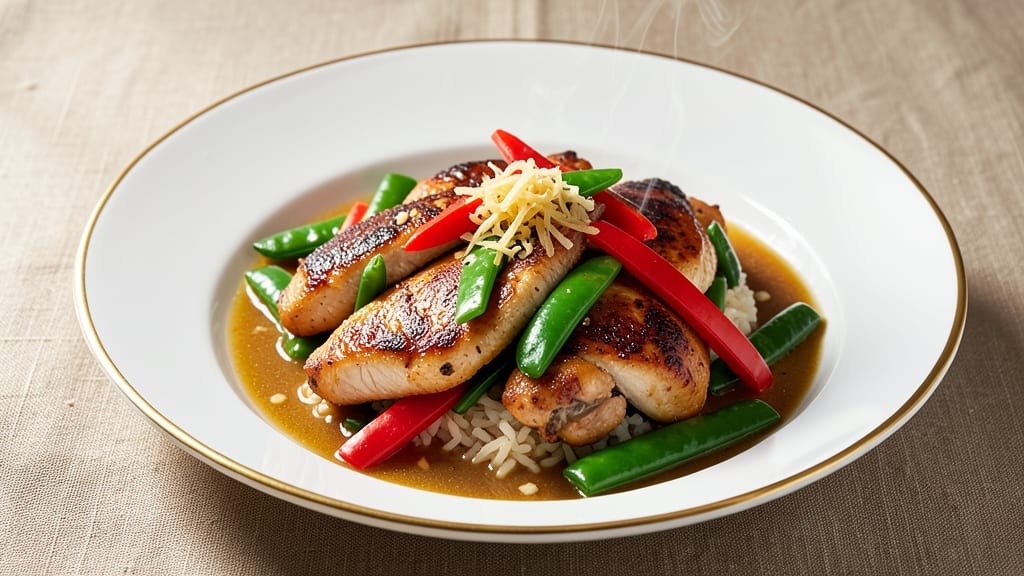
Transforming a pantry staple into a restaurant-worthy stir-fry, this Campbell's chicken stir-fry recipe delivers bold soy-ginger crunch in just 25 minutes. The secret lies in balancing Campbell's broth with fresh ginger and garlic for depth, while high-heat stir-frying creates that signature wok hei aroma.
I developed this during a busy week when I needed dinner fast but refused to compromise on flavor—now it's my go-to weeknight solution.
What sets this recipe apart is the technique: searing chicken in batches ensures juicy results, while deglazing the pan with soy sauce and a splash of rice vinegar builds layers of umami.
The vegetables—bell peppers, snap peas, and carrots—cook in minutes, retaining their crisp texture while absorbing the savory sauce. This isn't just quick; it's a method that transforms simple ingredients into something sophisticated.
By the time you plate it, you'll have tender chicken pieces glistening with caramelized edges, vibrant vegetables in perfect bite-sized pieces, and a sauce that's rich yet balanced. The aroma alone will have everyone at the table asking what's for dinner.
Serve over steamed jasmine rice for the full experience—this stir-fry proves that quick meals can be restaurant-quality.
Best of all, this recipe scales effortlessly for leftovers or meal prep. The flavors actually improve overnight, making it perfect for busy schedules. Here's how to make it—no shortcuts, just smart techniques that deliver professional results in record time.
Ingredients for campbell's chicken stir fry
Pantry staples meet restaurant-grade stir-fry in this Campbell's chicken recipe—bold, balanced, and ready in record time.
| Ingredient | Amount | Notes |
|---|---|---|
| Boneless Chicken Breast 🍗 | 1 ½ lb | Pounded to even thickness |
| Campbell's Chicken Broth 🍲 | 1 cup | Low-sodium preferred |
| Fresh Ginger 🌿 | 2 tbsp | Finely grated, aromatic |
| Garlic Cloves 🧄 | 4 cloves | Minced, fresh preferred |
| Red Bell Pepper 🌶️ | 1 medium | Sliced into thin strips |
| Snap Peas 🌱 | 1 cup | Fresh or frozen |
| Carrots 🥕 | 1 medium | Julienned into matchsticks |
| Low-Sodium Soy Sauce 🍶 | 3 tbsp | For umami depth |
| Rice Vinegar 🍶 | 1 tbsp | White or seasoned |
| Sesame Oil 🫒 | 1 tsp | Toasted aroma |
| Neutral Oil 🫒 | 2 tbsp | Avocado or vegetable |
| Sesame Seeds 🌱 | 1 tsp | Toasted for garnish |
| Salt 🧂 | ½ tsp | Kosher or sea salt |
| Black Pepper 🌶️ | ¼ tsp | Freshly ground |
| Jasmine Rice 🍚 | 1 cup | Uncooked, long-grain |
The Campbell's chicken broth is your flavor foundation—low-sodium version prevents salt overload while keeping that rich umami base. Fresh ginger and garlic are non-negotiable here; Trader Joe's or Asian markets carry pre-grated ginger if you're short on time, but nothing beats freshly minced. For the chicken, pounding to even thickness ensures perfect doneness—no dry edges. Bell peppers and carrots should be crisp; organic from Whole Foods stays vibrant longer, but conventional works fine too. The snap peas? Frozen is perfect—no need to thaw, just toss in raw.
No Campbell's broth? Substitute with 1 cup low-sodium chicken bouillon plus 1/4 cup water. Short on fresh ginger? Powdered ginger at half the amount works in a pinch, but the flavor won't be as bright. The soy sauce can be swapped for coconut aminos if you're avoiding gluten. For extra crunch, add 1/4 cup crushed peanuts at the end. The rice vinegar? Apple cider vinegar is a decent sub, but it lacks that delicate sweetness. And if your sesame oil smells stale, toast it in a dry pan for 30 seconds to revive the aroma—game changer.
This stir-fry reheats like a dream—microwave with a splash of water keeps it moist. Portion into airtight containers with a drizzle of sesame oil on top to preserve freshness for 4-5 days. Freezes beautifully for up to 3 months; just thaw overnight in the fridge. Pro tip: Double the sauce and freeze extras for future quick meals. The rice? Cook a big batch ahead—jasmine rice keeps for 5 days in the fridge, or freeze cooked portions for up to 6 months.
Why You'll Love This Recipe
- Here’s what sold me: this reheats like a dream. I make a big batch on Sundays, and by Wednesday, it’s still packed with flavor—no sad, rubbery leftovers here. The broth keeps it moist, and the bell pepper stays crisp enough to eat straight from the fridge. (Yes, even on a Tuesday night.)
- One-Pan Magic: I swear by this for nights when I’m too tired to scrub pots—just toss the chicken, broth, and veggies in one skillet, let the ginger and garlic work their magic, and boom. Done. The bell pepper adds a sweet crunch that needs zero prep; I just slice it thick while the broth heats.
- Broth Bomb Flavor: That Campbell’s chicken broth isn’t just a flavor base—it’s the star. The umami depth from the broth and fresh ginger turns the chicken into something ridiculously tender and savory, like a restaurant-quality stir-fry but with half the effort. Honestly, I’ve tried fancy broths, but this one cuts through everything.
- Meal Prep MVP: Here’s what sold me: this reheats like a dream. I make a big batch on Sundays, and by Wednesday, it’s still packed with flavor—no sad, rubbery leftovers here. The broth keeps it moist, and the bell pepper stays crisp enough to eat straight from the fridge. (Yes, even on a Tuesday night.)
Step-by-step instructions for Campbell's chicken stir fry
Here's how to create a restaurant-quality stir fry in record time—crispy chicken, vibrant vegetables, and that perfect soy-ginger balance.
Prepare the Chicken and Rice for Simultaneous Cooking
Start by pounding the 1.5 lb boneless chicken breast between two sheets of plastic wrap to an even ¼-inch thickness. This ensures even cooking and prevents dryness. While you're working with the chicken, rinse the 1 cup jasmine rice under cold water to remove excess starch, then combine it with 2 cups water in a small pot. Bring to a boil, then reduce heat to low, cover, and let simmer for 15 minutes. Don't peek or stir—this steaming method gives you perfectly fluffy rice while you focus on the stir fry.
Here's the thing—cooking the rice first while you prep the stir fry saves you time. The rice will stay warm in the covered pot while you finish the main components. I always use a separate pot for rice to avoid flavor transfer from the stir fry's aromatics.
Build the Stir-Fry Base with Aromatics and Chicken
Heat 2 tablespoons neutral oil in a large wok or deep skillet over medium-high heat until shimmering. Add the pounded chicken and cook undisturbed for 3-4 minutes per side until golden brown and cooked through to 165°F internally. You'll see the edges crisp up beautifully—that's your signal to flip. Remove the chicken and set it aside on a plate.
In the same pan, add the 2 tablespoons finely grated fresh ginger and 4 minced garlic cloves, stirring constantly for 30 seconds until fragrant. This quick cooking prevents the ginger from becoming bitter. Here's where it gets fun—toss in the 1 medium red bell pepper sliced into thin strips and 1 medium carrot julienned into matchsticks. Stir-fry for 2-3 minutes until the vegetables begin to soften but still retain their vibrant color.
Add Vegetables and Sauce for Maximum Flavor
Push the vegetables to one side of the pan and add another 1 tablespoon neutral oil if needed. Add the 1 cup snap peas and stir-fry for 2 minutes until they brighten in color. The high heat will make them crisp-tender—this is crucial for texture contrast in the final dish.
Now it's time for the sauce magic. Pour in the 1 cup Campbell's chicken broth, 3 tablespoons low-sodium soy sauce, and 1 tablespoon rice vinegar. Stir everything together and let it simmer for 2 minutes until the sauce slightly thickens. The broth helps balance the soy's intensity while adding depth. Taste and adjust seasoning with the 0.5 teaspoon salt and 0.25 teaspoon black pepper if needed—this is your chance to perfect the flavor before the final step.
Combine and Finish with Sesame Oil
Return the cooked chicken to the pan and toss everything together for 1-2 minutes until evenly coated in the sauce. The residual heat will finish cooking the chicken perfectly while ensuring all components absorb the flavorful sauce. Here's the moment that matters: drizzle in the 1 teaspoon sesame oil and toss once more. This adds that signature nutty aroma that elevates the dish from good to amazing.
Serve the stir fry immediately over the 1 cup cooked jasmine rice, garnished with 1 teaspoon toasted sesame seeds. The contrast of the fluffy rice with the crisp-tender vegetables and tender chicken creates the perfect bite every time. Don't skip the sesame seeds—they add both texture and visual appeal that makes this dish look as good as it tastes.
Pro Tips For Making Campbell'S Chicken Stir Fry
- Sear Chicken First: Skip the soggy chicken—pat those breasts bone-dry with paper towels, then sear them in a hot pan with oil for 3-4 minutes per side before adding broth. The crust locks in flavor and keeps them from turning into rubbery mush when the liquid hits.
- Grate Ginger Fine: That big chunk of ginger won’t dissolve—it’ll just sit there like a sad, fibrous afterthought. Use a microplane or the smallest holes on a box grater, then let it sit in the broth for 5 minutes before stirring. Your stir-fry will actually taste like ginger, not regret.
- Don’t Crowd the Pan: I learned this the hard way—tossing everything in at once steams the chicken instead of searing it. Cook the chicken in batches if needed, then set it aside while you prep the veggies. Overcrowding turns stir-fry into soup, and nobody asked for that.
- Deglaze Aggressively: After the chicken comes out, crank the heat to medium-high and pour in that Campbell’s broth immediately—don’t let the fond stick. Add a splash of water or a splash of soy sauce (if you’re upgrading), then scrape the bottom like you’re mad at it. That’s where the flavor hides.
Make-ahead tips for this campbell's chicken stir fry
Prep Ahead for Efficiency
I always chop all vegetables the night before and store them in airtight containers in the fridge. The bell pepper strips, julienned carrots, and snap peas stay fresh for 2 days—just toss them directly into the pan when ready.
For the chicken, pound and season it up to 12 hours ahead and refrigerate uncovered on a plate. This dry-brining step keeps it juicy and ready to sear in minutes. 💡
Sauce Prep Shortcut
Make the stir-fry sauce in advance by mixing 1 cup Campbell's chicken broth, 3 tbsp low-sodium soy sauce, 1 tbsp rice vinegar, and 1 tsp sesame oil in a small jar. It keeps for 5 days in the fridge or 3 months frozen.
When reheating, add 1 tsp water per ½ cup sauce to prevent thickening. I double this batch and freeze half—perfect for lazy weeknights when I'm too tired to measure fresh ingredients.
Cooking in Batches
For larger gatherings, cook the chicken and vegetables separately, then combine with the sauce just before serving. Portion the cooked components into individual containers with a drizzle of sesame oil on top. Reheat each portion separately for 2-3 minutes in the microwave—this keeps everything crisp and prevents soggy vegetables.
The sauce can be reheated separately and poured over at the table for maximum freshness. 🍲
Rice Prep Strategy
Cook a big batch of jasmine rice (up to 4 cups dry) and store it in the fridge for 5 days or freeze for 6 months.
When reheating, spread the cold rice on a baking sheet and microwave for 1 minute to break up clumps, then cover and steam for another 1-2 minutes. For extra fluffiness, add 1 tsp butter or sesame oil while reheating.
I always make 2 cups dry rice at a time—enough for 3-4 meals.
Freezer-Friendly Packaging
Pack the stir-fry components in quart-sized freezer bags with parchment paper between layers to prevent sticking. Label each bag with the date—this stir-fry stays delicious for 3 months. To reheat from frozen, thaw overnight in the fridge, then cook as directed.
For a quick fix, microwave the frozen components with 2 tbsp water for 5-6 minutes, stirring halfway. The texture remains surprisingly crisp after freezing. ❄️
Garnish on Demand
Toast sesame seeds in a dry pan for 30 seconds and store them in a small jar. Freshly toasted seeds add 10x more flavor than pre-toasted ones. Keep a small bowl of toasted sesame seeds on your counter for instant garnishing—no last-minute prep needed.
I also keep sliced green onions prepped in the fridge for a quick fresh garnish. These finishing touches make all the difference when serving leftovers. 🌱
Nutrition facts
Frequently asked questions
Can I use boneless thighs instead of chicken breast?
Boneless thighs add richer flavor and stay juicier during stir-frying. Use 1.5 lbs of thighs instead, and reduce cooking time to 2-3 minutes per side since they cook faster than breast. The skin-on version is ideal if you want extra crispiness—just remove it before stir-frying.
What if I don't have Campbell's chicken broth?
No problem! Mix 1 cup low-sodium chicken bouillon with ¼ cup water for a similar depth. For extra richness, add 1 teaspoon oyster sauce or ½ teaspoon fish sauce to enhance umami. The stir-fry will still taste delicious—just slightly lighter in body.
How do I prevent the vegetables from getting mushy?
High heat is key—always stir-fry over medium-high to high heat and cook veggies in batches if needed. Start with harder veggies (carrots, bell peppers) first, then add delicate ones (snap peas) last. Overcrowding the pan also causes steaming—keep portions small for maximum crispness.
Can I make this gluten-free?
Yes! Swap the soy sauce for 3 tablespoons coconut aminos or gluten-free tamari. Check broth labels too—some Campbell's varieties contain wheat. For extra flavor, add 1 teaspoon gluten-free fish sauce or ½ teaspoon gluten-free Worcestershire sauce.
Why does my stir-fry taste bland?
Most likely, the sauce needs balancing. Boost umami with ½ teaspoon fish sauce or 1 teaspoon hoisin sauce. For brightness, add ½ teaspoon rice vinegar or a pinch of sugar. Always taste as you go—adjust gradually to avoid overpowering flavors.