
Sauces & Condiments
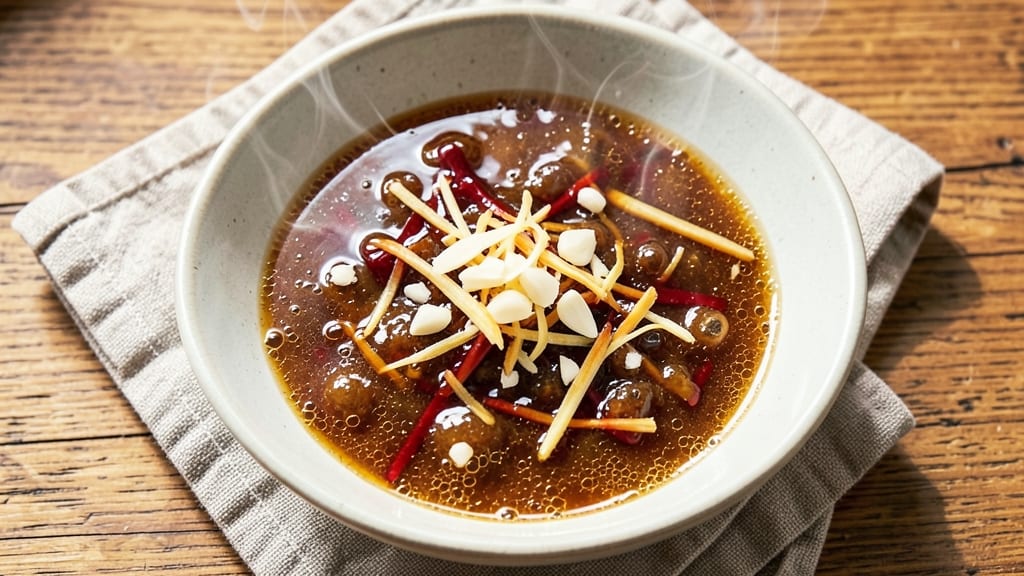
This basic chicken stir-fry sauce recipe transforms ordinary stir-fries into restaurant-quality dishes with just five minutes of prep. The secret lies in balancing salty soy sauce with sweet honey, aromatic garlic, and fresh ginger for that signature umami depth.
I developed this sauce after years of testing—it's the one my family reaches for every time we crave takeout flavors at home.
The beauty of this sauce is its simplicity: no complicated techniques, just a few pantry staples combined in the right proportions. The garlic and ginger are sautéed until fragrant but never bitter, while the cornstarch slurry gives it that perfect glossy finish.
What makes it truly special is how it enhances any protein or vegetable you toss it with—crispy chicken, tender shrimp, or even stir-fried tofu all become irresistible.
What you'll end up with is a rich, glossy sauce that coats every ingredient perfectly, delivering that perfect sweet-savory balance in every bite. The best part?
It keeps well in the fridge for up to two weeks, so you can make a big batch and have it ready whenever stir-fry cravings strike. This is the sauce that makes homemade taste like it came from a wok.
Use it immediately for fresh results or store it for later—either way, your stir-fries will never be the same. The instructions are straightforward, and the ingredients are likely already in your pantry. Let's get started on creating this versatile sauce that will elevate all your stir-fry dishes.
Ingredients for basic chicken stir fry sauce
Five pantry staples and two fresh aromatics—this sauce is your stir-fry game-changer.
| Ingredient | Amount | Notes |
|---|---|---|
| Soy Sauce 🥢 | ½ cup | Light or dark preferred |
| Honey 🍯 | ¼ cup | Pure, unprocessed honey |
| Garlic Cloves 🧄 | 4 cloves | Freshly minced for aroma |
| Fresh Ginger 🌿 | 1 tbsp | Finely grated, no zest |
| Cornstarch 🌾 | 1 tbsp | For glossy finish |
| Water 💧 | 1 tbsp | Room temperature |
| Sesame Oil 🫒 | 1 tsp | Toasted sesame flavor |
| Rice Vinegar 🍶 | 1 tbsp | For tangy balance |
| Salt 🧂 | ½ tsp | Adjust to taste |
| Black Pepper 🌶️ | ¼ tsp | Freshly ground |
The soy sauce is the umami backbone here. Kikkoman or La Choy are my go-tos—they've got that perfect balance of saltiness. Honey should be pure, nothing with additives. Fresh ginger and garlic are non-negotiable for that authentic wokhouse flavor—Trader Joe's sells pre-grated ginger if you're short on time, but fresh is always better. I grab my cornstarch from the bulk section at Whole Foods—it stays fresher longer. The sesame oil? Kadoya
No honey? Maple syrup or agave works in a pinch—just reduce other liquids slightly. Skip the sesame oil? Toasted peanut butter at half the amount adds richness. The cornstarch slurry is what gives it that glossy finish—don't skip it. For extra depth, add 1 tsp fish sauce if you're not avoiding it. The rice vinegar can be swapped for apple cider vinegar, but it won't be quite as authentic. Always taste as you go—this sauce is all about balance! This sauce keeps beautifully—2 weeks in the fridge, 6 months frozen. I double the batch every time because it disappears fast. For freezing, portion into ice cube trays, then transfer to a bag. Thaw overnight in the fridge. The flavor actually improves after a few days as everything mellows together. Store in a clean jar with a tight lid to keep those aromatics locked in.
Why You'll Love This Recipe
- Five-Ingredient Magic: I swear by this—just soy sauce, honey, garlic, ginger, and cornstarch. That’s it. No fancy pantry trips, no hunting for obscure spices. The honey cuts through the saltiness while the ginger and garlic add layers without overpowering.
- Glaze That Sticks: Between us, this sauce clings like a dream. The cornstarch thickens it just enough to coat every bite of chicken, giving you that glossy, restaurant-worthy finish. No drippy mess—just pure, satisfying flavor.
- Leftovers? Better Leftovers: I double the batch every time. The sauce keeps for days in the fridge, and it’s perfect for tossing with last night’s veggies or freezing for a quick weeknight dinner. Honestly, it’s the reason I stopped takeout.
- Weeknight Hero: Twenty minutes max, and I’m not exaggerating. Minimal chopping (just garlic and ginger), no blender, no waiting. Toss in whatever protein or veggies you have—it’s my go-to when I’m too tired to think. (Yes, even on a Tuesday night.)
Step-by-step instructions for chicken stir-fry sauce
This sauce delivers restaurant-quality flavor in minutes—sweet, savory, and perfectly balanced every time.
Mince Garlic and Grate Ginger
Peel the 4 cloves garlic cloves and finely mince them with a sharp knife or garlic press. I like to use the flat side of my knife to press down firmly—this releases more flavor and aroma. Transfer the minced garlic to a small bowl.
Next, peel and finely grate the 1 tablespoon fresh ginger using a microplane or the fine holes of a box grater. Avoid getting any of the tough outer skin. The goal is to create a paste-like texture that will dissolve completely into the sauce. If you're using a knife, chop it as finely as possible—you want it nearly invisible in the final sauce.
Combine Wet Ingredients
In a medium saucepan, combine the 0.5 cup soy sauce, 0.25 cup honey, 1 tablespoon rice vinegar, 1 teaspoon sesame oil, 0.5 teaspoon salt, and 0.25 teaspoon black pepper. Give it a quick stir to mix everything together. This is your flavor foundation—don't worry if it looks a bit unbalanced yet.
Place the saucepan over medium heat and bring it to a gentle simmer. You'll see tiny bubbles forming around the edges—this is when you add the minced garlic and grated ginger. Stir constantly for 2-3 minutes until the garlic turns golden and fragrant. Be careful not to let it burn—garlic turns bitter quickly when overcooked.
Thicken the Sauce
In a small bowl, whisk together the 1 tablespoon cornstarch and 1 tablespoon water until completely dissolved. This mixture is your thickening agent—it's what gives the sauce that glossy, restaurant-quality finish. Once smooth, pour it into the simmering sauce.
Stir constantly as the sauce thickens, which should take about 1-2 minutes. You're looking for a consistency that coats the back of a spoon but still flows smoothly. If it thickens too quickly, add a splash of water to adjust. The sauce should be glossy and slightly syrupy—this is perfect for tossing with stir-fried chicken or vegetables.
Taste and Adjust
Remove the sauce from heat and taste it immediately. This is your chance to fine-tune the balance. If it needs more sweetness, add a touch more honey. Too salty? A splash of water or a pinch of sugar can help. I usually find this ratio works perfectly, but every kitchen is different.
Let the sauce cool slightly before using—this allows the flavors to meld together. You can use it immediately for stir-frying or store it in an airtight container in the refrigerator for up to 1 week. The flavors actually improve over time, deepening as they sit. This sauce is your secret weapon for quick, flavorful meals that taste like they came from a wok house!
Pro Tips For Making Basic Chicken Stir Fry Sauce
- Mince the Ginger Fine: I learned this the hard way—lumpy ginger ruins the sauce. Use the flat side of your knife to smash the knob first, then grate it like you’re making zesti. A fine texture dissolves completely, so you won’t taste the texture later.
- Bloom the Garlic First: Toss minced garlic into the pan before adding oil—let it sizzle for 10 seconds until fragrant. This builds flavor fast and prevents burning when the honey hits. (Yes, even if you’re impatient like me.)
- Mix Cornstarch with Cold Honey: Skip the clumpy mess by whisking cornstarch into cold honey before adding it to the pan. Heat thickens sauce unevenly, but cold honey dissolves the cornstarch smoothly. Stir it in at the very end—no need to rush.
- Balance Heat Before Adding Soy: After garlic and ginger cook, pull the pan off heat for 30 seconds to cool slightly. Hot oil + soy sauce = bitter, off flavors. Let it settle, then add the soy—your sauce will taste cleaner and brighter.
Storing and reheating this recipe
Fridge Storage Tips
Transfer your freshly made sauce to an airtight glass container—I recommend Pyrex with a snap-on lid—and refrigerate within 2 hours of cooking. The sauce keeps its vibrant flavors for up to 2 weeks when stored at 40°F or below.
I always label my containers with the date so I can track freshness. The flavors actually deepen over time, becoming richer as the ingredients meld together. 💛
Freezer Prep
For longer storage, divide the sauce into ice cube trays—this makes it easy to thaw just what you need. Once frozen, transfer the cubes to a ziplock freezer bag with all air squeezed out to prevent freezer burn.
This sauce stays good for 6 months in the freezer. When ready to use, let a cube thaw in the fridge overnight for the best results. The texture remains glossy, and the flavors stay bright. ❄️
Reheating Methods
For best results, reheat the sauce gently on the stovetop over low heat for 2-3 minutes, stirring constantly. This prevents the cornstarch from breaking down and turning the sauce grainy. If you've frozen it, add 1 teaspoon water per ¼ cup sauce to restore its original consistency.
I never microwave this sauce—it loses its glossy finish and can become uneven in texture. 🔥
Reviving Thickened Sauce
If your sauce thickens too much after refrigeration, simply add 1-2 teaspoons of warm water and stir until smooth. For extra depth, add a splash of rice vinegar or a pinch of salt to rebalance the flavors.
I've found that reheating with a splash of chicken or vegetable broth also works beautifully, adding extra umami richness. Always taste as you go—this sauce is all about balance! 💡
Using Leftover Sauce
This versatile sauce works perfectly for stir-fries, marinades, or even dipping sauces. For stir-fries, add 2-3 tablespoons to your wok just before tossing in the protein or vegetables. For marinades, combine with 1 tablespoon sesame oil and let chicken or tofu soak for 15-30 minutes before cooking.
The sauce also makes an amazing glaze for grilled meats or roasted vegetables. Don't let it go to waste—it's too good to keep for just one meal! ✨
Nutrition facts
Frequently asked questions
Can I make this sauce without cornstarch?
Yes, but the texture will be thinner. For a cornstarch-free version, use 1 tablespoon arrowroot powder or tapioca starch instead—it thickens just as well. If you skip it entirely, the sauce will be more like a glaze, which still works beautifully for drizzling over stir-fries or grilled chicken.
How much sauce should I use for a typical stir-fry?
Start with 2-3 tablespoons for a standard 12-ounce serving of chicken and vegetables. Taste as you go—you can always add more! For extra richness, toss the cooked stir-fry with an additional 1 tablespoon of sauce at the end. The sauce's glossy texture makes it perfect for coating every bite.
What can I substitute if I don't have honey?
Use maple syrup or agave nectar in a 1:1 ratio, but reduce other liquids slightly to maintain balance. For a deeper savory flavor, try ½ teaspoon fish sauce or 1 teaspoon brown sugar. The sauce will still taste delicious—just slightly different in sweetness level. Taste and adjust as needed!
Why did my sauce turn cloudy after refrigeration?
This happens when the cornstarch separates or the sauce thickens too much. Simply stir in 1-2 teaspoons warm water until smooth. For extra shine, reheat gently on low heat for 1-2 minutes. If the cloudiness persists, add a pinch of salt or a splash of rice vinegar to rebalance the flavors.
Can I use this sauce for other proteins besides chicken?
This sauce works beautifully with shrimp, tofu, beef, or pork. For seafood, reduce the soy sauce slightly (0.375 cup) to avoid overpowering delicate flavors. For beef, add ½ teaspoon smoked paprika for depth. The sweet-savory balance enhances any protein—just adjust the seasoning to taste!