
Sauces & Condiments
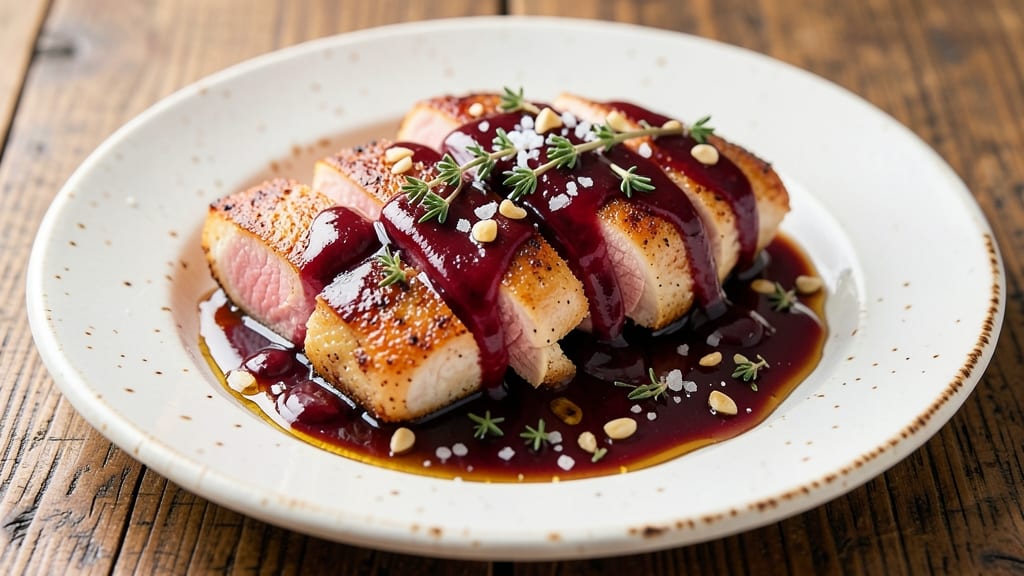
This balsamic chicken sauce transforms ordinary roasted or grilled chicken into a restaurant-worthy masterpiece with just five simple ingredients. The secret lies in balancing sweet balsamic vinegar with rich chicken broth and a touch of honey, creating a glossy glaze that caramelizes beautifully under the broiler.
I developed this recipe after years of testing—it's the one sauce that elevates chicken every single time, whether you're serving it at a weeknight dinner or hosting a holiday feast.
The magic happens during the reduction phase, where the sauce thickens into a velvety consistency with deep, complex flavors. A splash of red wine vinegar adds brightness, while fresh thyme and garlic infuse aromatic depth that pairs perfectly with any chicken cut.
What makes this sauce truly special is its versatility—use it as a glaze for crispy roasted chicken, a drizzle over grilled breasts, or even as a marinade base for extra flavor penetration.
What you'll end up with is a rich, glossy sauce that's sweet yet tangy, with just the right amount of umami to complement any chicken dish. The sauce thickens beautifully when reduced, creating that perfect balance between drizzling and coating.
It also stores well in the refrigerator for up to two weeks, making it ideal for meal prep and batch cooking.
This balsamic chicken sauce isn't just about flavor—it's about transforming simple chicken into something extraordinary with minimal effort. Whether you're cooking for two or feeding a crowd, this recipe delivers professional-quality results that will have everyone asking for seconds. Let's get started!
Ingredients for balsamic chicken sauce
Five ingredients transform simple chicken into restaurant-worthy perfection with minimal effort.
| Ingredient | Amount | Notes |
|---|---|---|
| Balsamic Vinegar 🍷 | ½ cup | High-quality aged balsamic preferred |
| Chicken Broth 🍲 | 1 ½ cups | Low-sodium preferred for balance |
| Honey 🍯 | 2 tbsp | Wildflower for floral notes |
| Red Wine Vinegar 🍷 | 1 tbsp | Dry red wine vinegar works best |
| Garlic Cloves 🧄 | 4 cloves | Minced for aromatic infusion |
| Fresh Thyme 🌿 | 1 tbsp | Leaves only, finely chopped |
| Olive Oil 🫒 | 2 tbsp | Extra-virgin for richness |
| Salt 🧂 | ½ tsp | Kosher salt preferred |
| Black Pepper 🌶️ | ¼ tsp | Freshly ground for best flavor |
The balsamic vinegar is the star here—aged balsamic from Italy has that deep, complex flavor, but regular balsamic vinegar works in a pinch. I grab mine from Trader Joe's because it's affordable and reliable. Chicken broth should be low-sodium if possible—Swanson or Pacific Foods are my go-tos. The honey? Wildflower or clover adds subtle floral notes that balance the tanginess. Red wine vinegar adds brightness, so don't skip it—Bertolli is my favorite brand for consistency.
No balsamic vinegar? Substitute with apple cider vinegar plus 1 tbsp maple syrup to mimic the sweetness. Short on honey? Agave nectar or brown sugar dissolved in 1 tbsp water works too. Fresh thyme is ideal, but dried thyme at one-third the amount gets you close. The garlic can be minced ahead of time and stored in the fridge for up to 3 days. Olive oil matters—extra-virgin has more flavor than regular, so splurge here if you can.
This sauce thickens as it reduces, so store it in a sealed jar in the fridge for up to 2 weeks. It actually tastes better the next day once the flavors meld. For meal prep, make a double batch—it's perfect for drizzling over chicken, tossing with roasted veggies, or using as a marinade base. Freezes beautifully for up to 3 months if you want to stock up.
Why You'll Love This Recipe
- One-Pot Magic: I swear by this for nights when I’m too tired to scrub pots—just dump everything into one skillet with the chicken, let the balsamic and red wine vinegar simmer down, and boom. The honey thickens it just enough to coat the pan, so cleanup is basically rinsing a sheet pan. (Yes, even on a Tuesday night.)
- Sweet-Savory Balance: That first bite? The garlic sizzles, the balsamic cuts through the richness, and the honey rounds it all out—like a grown-up version of ketchup, but way better. I’ll be real: my husband goes back for seconds without me having to ask.
- Leftovers That Don’t Suck: This sauce actually improves the next day. I make a double batch, toss it with pasta or drizzle it over roasted veggies, and it’s still the star. (Between us, I’ve even used it as a marinade for grilled chicken—game-changer, but shhh.)
- Pantry Staple Power: Honestly, you’re probably already making this. Balsamic, broth, honey? All things I buy weekly. The red wine vinegar adds depth without costing a fortune, and the garlic? A single bulb lasts forever. It’s the kind of recipe that turns $8 worth of ingredients into something that feels fancy.
Step-by-step instructions for balsamic chicken sauce
This sauce comes together in minutes with simple ingredients and big flavor.
Sauté Aromatics Until Fragrant
Heat the 2 tablespoons olive oil in a medium saucepan over medium heat until shimmering. Add the 4 cloves garlic cloves and 1 tablespoon fresh thyme, stirring constantly for 30 seconds until the garlic becomes golden and fragrant.
Here's the thing—don't let the garlic burn. It should smell amazing but not bitter. If it starts to darken too quickly, reduce the heat slightly. You want that sweet, mellow garlic flavor to shine through in the finished sauce.
Deglaze with Vinegars and Honey
Pour in the 0.5 cup balsamic vinegar and 1 tablespoon red wine vinegar immediately after removing the pan from heat. The vinegars will sizzle and deglaze the pan, capturing all those lovely browned bits. Return the pan to medium heat and let it simmer for 3-4 minutes until slightly reduced.
Now add the 2 tablespoons honey and stir well. You'll see the sauce start to glaze and thicken slightly. This is where that sweet-tangy balance begins to develop. Let it simmer for another 1-2 minutes until the honey is fully incorporated and the mixture is smooth.
Build the Sauce with Broth and Seasonings
Pour in the 1.5 cups chicken broth and bring to a gentle simmer. Add the 0.5 teaspoon salt and 0.25 teaspoon black pepper, stirring until fully dissolved. Let the sauce simmer uncovered for 8-10 minutes until it has reduced by about one-third and coats the back of a spoon.
Watch the sauce carefully during this time. You want it to thicken but not boil hard. If it starts to bubble too vigorously, reduce the heat to low-medium. The sauce should be glossy and syrupy when ready. If it's too thin, simmer a few more minutes. If it's too thick, you can thin it later with a splash of water or broth.
Finish and Strain for Smooth Texture
Once the sauce has reached your desired consistency, remove it from heat. For a silky-smooth sauce, strain it through a fine-mesh sieve into a clean bowl or saucepan. This removes any thyme stems and gives you that restaurant-quality finish. If you prefer a slightly textured sauce, you can skip the straining step.
Taste and adjust seasoning if needed. You might want to add a pinch more salt or a splash of vinegar to balance the sweetness. The sauce should be sweet, tangy, and just slightly salty with that aromatic thyme and garlic flavor. Let it cool slightly before using—it will thicken more as it sits.
Pro Tips For Making Balsamic Chicken Sauce
- Simmer Slow and Steady: That balsamic vinegar needs time to mellow—don’t rush it. After adding the vinegar and broth, reduce heat to low and let it bubble gently for at least 15 minutes. I used to crank the heat to hurry things up, and the sauce ended up sharp and unbalanced. Patience here makes all the difference in that rich, caramelized depth.
- Toast the Garlic First: Crush those garlic cloves and fry them in a dry pan for 30 seconds until fragrant and just golden. This stops them from turning bitter in the acidic sauce. I learned this the hard way—raw garlic in balsamic-heavy dishes tastes like a punch to the palate. Do this while prepping other ingredients to save time.
- Balance the Vinegars: The red wine vinegar cuts through the sweetness, but too much makes the sauce taste like a salad dressing. For every ½ cup of balsamic, use just 1 tablespoon of red wine vinegar. Taste as you go—you can always add more honey later, but you can’t take out vinegar once it’s in.
- Strain the Broth: Use store-bought chicken broth? Strain it through a fine-mesh sieve into your saucepan before adding the vinegars. This removes any grit or bits that’ll make your sauce look (and taste) cloudy. It’s a 30-second step that makes the final dish look restaurant-polished. Yes, even if no one’s watching.
Pro cooking tips for this recipe
Sauce Reduction Mastery
This sauce's magic happens during the reduction phase—where liquid evaporates and flavors concentrate. Simmer uncovered over medium-low heat to prevent splattering, and stir occasionally to avoid sticking. I use a wide-mouth saucepan (like All-Clad Stainless) for better heat distribution. 🌡️
Watch for the sauce to reduce by one-third—it should coat the back of a spoon and glisten like syrup. If it bubbles too aggressively, reduce heat immediately to low.
Overheating can turn the sauce bitter, so patience here is key. The goal is a glossy, syrupy consistency that clings beautifully to chicken.
Deglaze Like a Pro
The deglazing step transforms browned bits into flavor. After sautéing garlic and thyme, immediately pour in the balsamic and red wine vinegars—they'll sizzle and release those caramelized bits. Use a wooden spoon to scrape every last drop from the pan. 🍲
Don't rush this step! Let the vinegars simmer for 3-4 minutes to mellow their sharpness. This is where the sauce's sweet-tangy balance begins. If you're in a hurry, you'll miss that depth of flavor—trust me, it's worth the wait.
Straining for Silky Perfection
For a restaurant-quality finish, strain the sauce through a fine-mesh sieve to remove thyme stems. I use a stainless steel sieve (like OXO Good Grips) because it won’t clog. This step ensures a smooth, velvety texture that drizzles effortlessly. 💫
If you prefer texture, skip straining—but you’ll taste the thyme stems. For glaze applications (like roasted chicken), straining is worth it. The sauce will also thicken further as it cools, so don’t over-reduce it.
Balancing Sweet and Tang
Taste the sauce before serving—it should be sweet, tangy, and slightly salty. If it's too sweet, add ½ teaspoon red wine vinegar. Too tangy? Stir in ½ teaspoon honey. Adjust gradually—you can always add more, but you can't take it out. 🍯
I often add a pinch of Dijon mustard (about ¼ teaspoon) for depth, but it’s optional. The key is harmony—each element should complement the others without overpowering. Trust your taste buds!
Nutrition facts
Frequently asked questions
Can I make this sauce without honey?
Yes! Replace the 2 tablespoons honey with 1.5 tablespoons maple syrup or 1 tablespoon brown sugar dissolved in 1 teaspoon water. The sauce will still develop that sweet-tangy balance, though honey adds subtle floral notes that maple syrup can't fully replicate. For a more tangy version, skip the honey entirely and add an extra 1 teaspoon red wine vinegar.
How long does this sauce keep in the fridge?
This balsamic chicken sauce stays fresh in an airtight container in the refrigerator for up to 2 weeks. The flavors actually deepen over time, making it perfect for meal prep. For longer storage, freeze it in ice cube trays or small portions—it keeps well for 3 months. Thaw overnight in the fridge before using.
What's the best way to use this sauce on chicken?
This versatile sauce works three ways: as a glaze, drizzle, or marinade base. For glazing, brush it on chicken 5 minutes before roasting at 400°F for that caramelized finish. As a drizzle, spoon it over finished chicken or roasted vegetables. For marinating, mix equal parts sauce with olive oil and let chicken soak for 30-60 minutes before cooking.
Why did my sauce turn bitter?
Over-reducing or boiling too hard can create bitterness. Keep heat at medium-low during reduction and stir occasionally to prevent sticking. If it's already bitter, balance it with ½ teaspoon fresh lemon juice or a pinch more honey. The sauce should never boil vigorously—simmer gently for the best results. A splash of chicken broth can also help restore balance.
Can I use this sauce on other proteins?
This sauce pairs beautifully with pork tenderloin, salmon, or tofu. For pork, reduce the honey to 1 tablespoon to complement the meat's natural sweetness. With fish, use it as a drizzle after cooking to avoid overpowering delicate flavors. The same sauce works for vegetables too—try brushing it on portobello mushrooms or eggplant before roasting.