
Main Courses
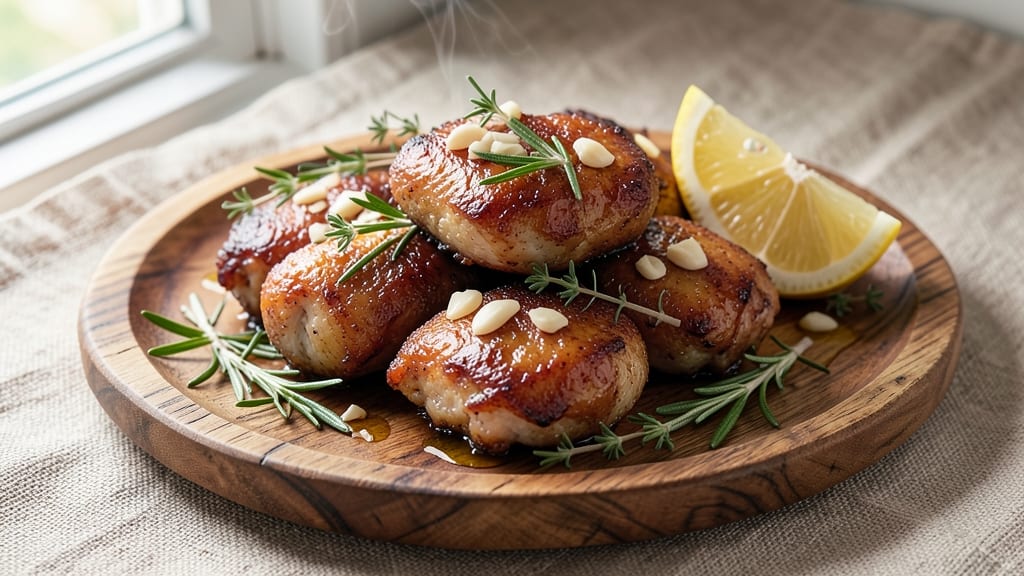
This baked chicken gizzard recipe transforms often-overlooked offal into herb-infused crispy bites with tender interiors—a technique rooted in Southern traditions but elevated with modern precision. ✨ The key lies in proper preparation: cleaning the gizzards thoroughly and marinating them in a blend of garlic, lemon, and aromatic herbs to tenderize while building flavor depth.
What sets this method apart is the baking process itself—high heat ensures a crispy exterior without drying out the meat, while careful timing guarantees tender, juicy centers.
Unlike frying, which can leave gizzards greasy, baking delivers a lighter yet equally satisfying result that holds up beautifully as a main course or appetizer.
The final product delivers restaurant-quality texture: golden-brown and crackling on the outside, with meat that practically melts in your mouth. This isn't just about transforming an ingredient—it's about creating a dish that feels special enough for company but simple enough for weeknights.
Pair with classic sides like roasted potatoes or a fresh herb salad to complete the meal. Here's how to achieve perfect results every time, step by step.
Ingredients for baked chicken gizzard
Transform overlooked offal into restaurant-worthy bites with these carefully chosen ingredients—where precision meets Southern tradition.
| Ingredient | Amount | Notes |
|---|---|---|
| Fresh Chicken Gizzards 🍗 | 1 ½ lb | Cleaned, trimmed of excess fat |
| Extra-Virgin Olive Oil 🫒 | ¼ cup | High-quality, fruity variety |
| Fresh Garlic Cloves 🧄 | 6 cloves | Minced for marinade |
| Fresh Lemon Juice 🍋 | ¼ cup | Freshly squeezed |
| Fresh Rosemary 🌿 | ½ oz | Finely chopped, stems removed |
| Fresh Thyme 🌿 | ½ oz | Leaves only, stems discarded |
| Diamond Crystal Kosher Salt 🧂 | 1 ½ tsp | For marinade and seasoning |
| Ground Black Pepper 🌶️ | 1 tsp | Freshly cracked |
| Cornstarch 🌾 | 2 tbsp | For crispy coating |
| All-Purpose Flour 🌾 | ¼ cup | Fine texture preferred |
| Unsalted Butter 🧈 | 2 tbsp | Melted for basting |
| Fresh Parsley 🌿 | ¼ cup | Chopped for garnish |
The gizzards are the foundation, so source them from a reputable butcher—look for vibrant color and minimal gamey odor. Costco or local specialty markets often carry them pre-cleaned, but if not, soak in cold water for 30 minutes to remove impurities. Fresh herbs like rosemary and thyme should be fragrant and bright; Whole Foods or farmers markets offer the best quality. The lemon juice acts as both tenderizer and preservative, so use freshly squeezed rather than bottled. For the olive oil, California avocado oil works beautifully if preferred, but stick with extra-virgin for authentic flavor depth.
No fresh rosemary? Substitute with 1 tsp dried rosemary leaves, but reduce the amount by half. Short on thyme? Oregano or marjoram provide similar earthy notes. For the cornstarch coating, arrowroot powder works equally well if needed. The butter for basting should be unsalted and cold—melt it just before use to maintain crispness. If you're concerned about texture, pound the gizzards to even thickness before marinating to ensure uniform cooking. The marinade keeps for 2 days refrigerated, but fresh is always superior.
Store cleaned gizzards in an airtight container with paper towels to absorb moisture, and use within 2 days for optimal texture. The marinade can be prepped ahead of time and stored in the fridge for up to 48 hours. Once baked, these crispy bites reheat beautifully—200°F for 10 minutes restores their golden crust. For meal prep, portion into single servings and freeze for up to 3 months, thawing overnight in the refrigerator before reheating.
Why You'll Love This Recipe
- One-Pan Magic: I swear by this—just toss the gizzards on a sheet pan with olive oil, garlic, and rosemary, then bake. No pots, no pans, no fuss. The lemon juice ties everything together while I’m still scrubbing my hands clean.
- Herb-Packed Punch: That rosemary and garlic combo? It’s like a flavor bomb. The gizzards come out tender with a crispy skin, and the lemon cuts through the richness—every bite feels like a little Mediterranean vacation.
- Budget Feast: Honestly, gizzards are my secret weapon for stretching a meal. A pound feeds four, and the cost is a fraction of chicken thighs. Plus, they reheat like a dream, so I’m never stuck with sad leftovers.
- Weeknight Workhorse: Between us, this is my go-to when I’m too tired to think. Toss it in the oven while I chop veggies for the side—done in 40 minutes. Even my picky-eating partner asks for seconds. (Yes, even on a Tuesday night.)
Step-by-step instructions for herb-infused baked chicken gizzards
Mastering these gizzards delivers irresistible texture—crispy exteriors with melt-in-your-mouth tenderness.
👨🍳 Step 1: Prepare the Herb Marinade
In a small bowl, combine the 0.25 cup extra-virgin olive oil, 0.25 cup fresh lemon juice, 1.5 tsp diamond crystal kosher salt, 1 tsp ground black pepper, 0.5 oz finely chopped fresh rosemary, and 0.5 oz fresh thyme leaves. Whisk vigorously until fully emulsified—the mixture should take on a vibrant green hue from the herbs.
Place the 1.5 lb fresh chicken gizzards in a large bowl and pour the marinade over them. Use your hands to massage the marinade into every crevice of the gizzards, ensuring even distribution. Cover and refrigerate for at least 2 hours (overnight works best). This resting period allows the marinade to penetrate deeply, transforming tough gizzards into tender bites.
🍳 Step 2: Create the Crispy Coating
In a medium bowl, whisk together the 0.25 cup all-purpose flour and 2 tbsp cornstarch. This combination creates a lightweight, ultra-crispy coating that locks in moisture while developing a golden crust. Add the gizzards (still wet from marinade) to the flour mixture and toss gently until evenly coated. Shake off any excess—too much flour will create a gummy texture instead of crispiness.
Arrange the coated gizzards on a parchment-lined baking sheet, spacing them 1 inch apart to prevent sticking. This spacing ensures even browning and crisping during baking. For extra insurance against sticking, lightly brush the gizzards with 2 tbsp melted unsalted butter using a pastry brush. The butter adds richness and promotes browning.
🔥 Step 3: Bake to Crispy Perfection
Preheat your oven to 400°F and position a rack in the middle position. The high heat is crucial for achieving that irresistible crispy exterior while keeping the interiors tender. Place the prepared baking sheet on the rack and bake for 20 minutes, then flip each gizzard using tongs. Return to the oven and bake for an additional 15-20 minutes until the coating is deep golden brown and the internal temperature reaches 165°F when measured with an instant-read thermometer.
Here's the thing—don't overcrowd the pan. If you must bake in batches, use a second baking sheet. The gizzards need room to breathe and develop that signature crispiness. Watch closely during the last 5 minutes of baking; the coating should be crisp enough to shatter slightly when pressed with tongs. If they're browning too quickly, tent loosely with foil to prevent burning.
🥘 Step 4: Rest and Garnish
Transfer the baked gizzards to a wire rack and let them rest for 5 minutes. This brief resting period allows the juices to redistribute, ensuring each bite remains moist and flavorful. While they rest, prepare the 0.25 cup fresh parsley by chopping it finely—this bright green garnish adds freshness and visual appeal to the dish.
Serve the gizzards immediately, garnished with the chopped parsley. The contrast of crispy, golden-brown exteriors with tender, herb-infused interiors creates a textural experience that's hard to resist. Pair with a tangy dipping sauce or a simple arugula salad to complement the rich flavors of the gizzards.
Pro Tips For Making Baked Chicken Gizzard
- SCORE THE GIZZARDS: Use a sharp knife to cut a shallow crosshatch on both sides—this lets the olive oil and garlic penetrate deeper, so every bite gets that crispy, flavorful bite. I learned this the hard way after eating one underseasoned gizzard in a batch.
- DON’T SKIP THE SOAK: Toss the gizzards in lemon juice for at least 20 minutes before baking—it tenderizes the tough fibers and cuts that gamey taste. I used to skip this, and the texture always felt chewy.
- BAKE AT 375°F: Too hot, and the outside burns before the inside cooks; too low, and you end up with sad, gray gizzards. 375°F is the Goldilocks zone—crispy outside, juicy inside, every time.
- ADD ROSMARY LATE: Sprinkle the fresh rosmary right before the last 10 minutes of baking so it doesn’t turn bitter from sitting in the oil. Sounds weird, but it works—your future self will notice the difference.
Make-ahead tips for leftovers
Marinade Prep Ahead
Make the herb marinade up to 48 hours in advance and store it in an airtight container in the fridge. I like to prep mine the night before so the flavors have time to meld—just remember to bring it to room temperature before using.
The lemon juice and olive oil blend beautifully overnight, creating a more cohesive flavor profile. 💡
Gizzard Prep Timeline
Clean the gizzards and marinate them for at least 4 hours (overnight is ideal). If you're short on time, a 2-hour marinade still works, but longer is better. I often clean them in the morning, marinate overnight, and bake them the next day—this keeps my weeknight cooking stress-free.
The longer they marinate, the more tender they become.
Batch Baking Strategy
For large gatherings, bake the gizzards in two batches to avoid overcrowding. Use a second baking sheet if needed, and maintain the 400°F temperature for both batches. I find that baking in smaller batches ensures even cooking and prevents steam buildup, which can make the coating soggy.
Keep the first batch warm in a 200°F oven while the second batch finishes baking.
Freezing for Later
After marinating, you can freeze the gizzards (uncooked) for up to 3 months. Place them in a single layer on a tray, freeze solid, then transfer to a freezer bag. Thaw overnight in the fridge before baking—this preserves texture better than quick thawing.
I like to freeze them after marinating but before the crispy coating, so I can bake them straight from frozen with just a few extra minutes in the oven. ❄️
Reheating Leftovers
Reheat baked gizzards in a 350°F oven for 8-10 minutes—this restores their crispy texture without drying them out. Avoid microwaving, as it makes the coating rubbery. I also like to reheat them in a skillet with a splash of butter for extra richness.
Store leftovers in an airtight container for up to 3 days in the refrigerator.
Make-Ahead Serving Suggestions
Prep all components ahead of time for a stress-free meal. Assemble the dish just before serving by adding the crispy coating and baking. I often make a quick lemon-herb aioli—just blend ½ cup mayonnaise, 1 tbsp lemon juice, and 1 tbsp chopped parsley—to serve alongside.
This keeps everything fresh and ready to go, even if you're hosting last-minute. 🍽️
Nutrition facts
Frequently asked questions
Why do chicken gizzards need marinating?
Marinating breaks down tough connective tissue and infuses flavor deep into the meat. The acidity from lemon juice and olive oil tenderizes while herbs like rosemary penetrate the fibers, creating melt-in-your-mouth texture. Skipping this step risks dry, gamey results—especially with offal like gizzards.
Can I substitute cornstarch in the crispy coating?
Yes! Use arrowroot powder (1:1 ratio) or potato starch for similar crispiness. Avoid regular flour alone—it creates a gummy texture. For extra crunch, add ½ tsp baking powder to the flour mix. The starches absorb moisture better, ensuring that golden, shatterable crust.
How do I know when gizzards are fully cooked?
Use an instant-read thermometer to check the thickest part—the internal temp should reach 165°F. The coating should also be deep golden brown with slight browning underneath. If unsure, cut into one piece: juices should run clear, not pink. Overcooking dries them out, so pull them just before they hit 165°F if needed.
What’s the best way to reheat baked gizzards?
Reheat in a 350°F oven for 8-10 minutes to restore crispiness without drying. Avoid microwaving—it turns the coating rubbery. For extra richness, reheat in a skillet with 1 tbsp butter over medium heat for 3-4 minutes per side. Store leftovers in an airtight container for up to 3 days.
Are chicken gizzards healthy?
Yes! Gizzards are nutrient-dense, packed with iron, zinc, and B vitamins—more than breast meat. They’re also rich in collagen, which supports skin and joint health. Just watch portion sizes: 3-4 oz per serving is ideal. Baking (vs. frying) keeps them lower in saturated fat while preserving their protein power.