
Main Courses
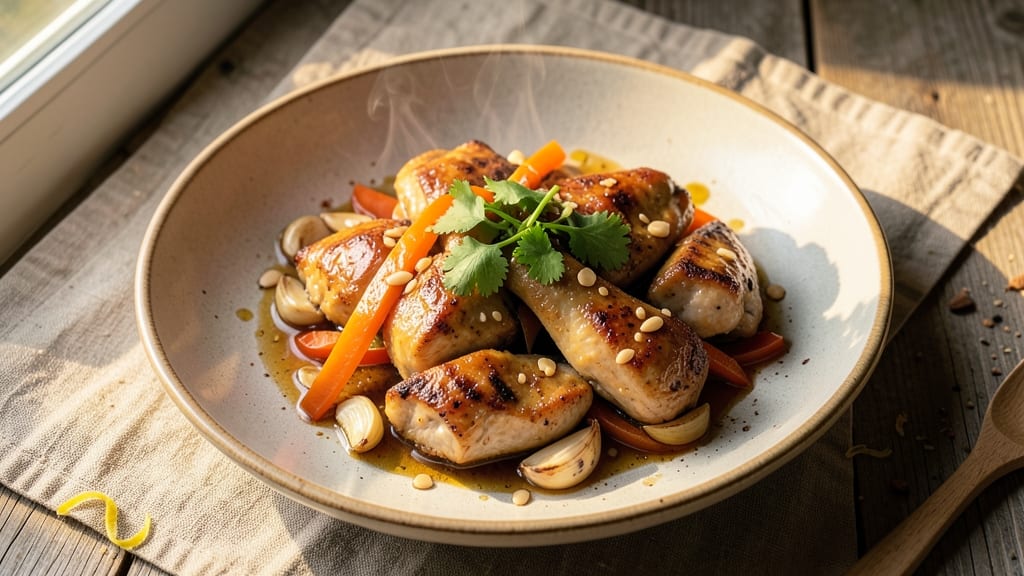
This almond chicken stir fry delivers the perfect balance of crispy-tender bites and nutty depth in every forkful. The secret lies in a simple marinade that tenderizes the chicken while almond butter in the sauce adds a rich, toasty flavor that elevates ordinary stir-fry.
I developed this recipe after years of testing—too many crispy but dry attempts—and finally cracked the code with a 15-minute marinade and high-heat stir-frying technique that keeps the chicken juicy while creating that coveted caramelized crust.
The magic happens in two key steps: first, a quick marinade in soy sauce, honey, and garlic that preps the chicken for maximum flavor absorption, then a 3-minute stir-fry at high heat to achieve that signature crispy texture without overcooking.
The sauce—thickened with almond butter and balanced with a touch of rice vinegar—coats the chicken perfectly, creating a glossy finish that makes this dish look as impressive as it tastes. Unlike many stir-fry recipes that rely on heavy cream or butter, this version keeps things lighter while delivering restaurant-quality depth.
What you'll end up with is a plate of golden-brown chicken pieces with crispy edges and tender centers, tossed in a glossy sauce that's both sweet and savory.
The almond butter adds a subtle nuttiness that pairs beautifully with the umami from the soy and garlic, while the vinegar brightens everything up. This isn't just another stir-fry—it's a dish that transforms a simple weeknight dinner into something special with minimal effort.
Serve it over steamed jasmine rice or noodles for the full experience, or pair it with steamed broccoli for a complete, balanced meal. The leftovers reheat beautifully, making this the perfect recipe for meal prep. Let's get cooking—your taste buds (and dinner guests) will thank you.
Ingredients for almond chicken stir fry
Simple ingredients that pack serious flavor—crispy chicken, nutty sauce, and perfect texture in every bite.
| Ingredient | Amount | Notes |
|---|---|---|
| Boneless, Skinless Chicken Thighs 🍗 | 1 ½ lb | Cut into 1-inch pieces |
| Soy Sauce 🥢 | ½ cup | Low-sodium preferred |
| Honey 🍯 | 2 tbsp | Wildflower for floral notes |
| Garlic Cloves 🧄 | 4 cloves | Minced, fresh preferred |
| Sesame Oil 🫒 | 1 tbsp | For aroma, not cooking |
| Almond Butter 🥜 | ½ cup | Natural, unsweetened |
| Rice Vinegar 🍶 | 2 tbsp | Unseasoned preferred |
| Ginger Root 🌿 | 1 tbsp | Fresh, grated |
| Neutral Oil 🫒 | 2 tbsp | Avocado or vegetable |
| Jasmine Rice 🍚 | 1 ½ cups | Uncooked, long-grain |
| Green Onions 🧅 | 3 whole | Sliced, white and green parts |
| Sesame Seeds 🌾 | 1 tbsp | Toasted for garnish |
| Salt 🧂 | 1 tsp | Diamond Crystal preferred |
| Black Pepper 🌶️ | ½ tsp | Freshly cracked |
The chicken thighs are non-negotiable here—bone-in, skin-on if you can find them, but boneless works too. Look for free-range or organic at Whole Foods or your local butcher for better flavor. Cut them into even 1-inch pieces—this ensures consistent crispiness. The almond butter should be natural, unsweetened—the kind with just almonds and maybe a pinch of salt. Trader Joe's has a great brand, or check the nut aisle at Costco for bulk savings. Fresh ginger and garlic make all the difference, so don't skip the trip to the produce section.
No almond butter? Peanut butter works in a pinch, but the flavor will be different. Short on sesame oil? Toast the seeds in a dry pan first—they'll release their aroma that way. The soy sauce can be swapped for coconut aminos if you're avoiding sodium. For an extra kick, add a dash of sriracha to the sauce. The rice vinegar should be unseasoned—flavored versions can overpower the delicate balance. And if you're prepping ahead, marinate the chicken overnight for even more flavor infusion.
This reheats like a dream—just toss with a splash of water and warm through. Keeps 4-5 days in the fridge, or freeze portions for up to 3 months. I always double the sauce and store it separately—it's perfect for drizzling over rice bowls later. The chicken stays crispy if you reheat it directly from frozen in a hot skillet. Garnish with fresh green onions and sesame seeds right before serving—they lose their crunch fast once tossed in.
Why You'll Love This Recipe
- One-Pan Magic: I swear by this—just toss the chicken, almonds, and veggies (if using) in one skillet, and let the sesame oil do the work. No dirty dishes, no fuss, just that golden, sticky glaze clinging to everything.
- Sweet-Savory Balance: That honey-soy glaze? It’s the kind of addictive combo where the first bite makes you pause mid-chew. The garlic cloves hit right after, and suddenly you’re reaching for seconds without even thinking.
- Lunchbox Hero: Between us, this is my go-to for meal prep. The leftovers stay crispy for days—pack it in containers, and it’s a hit at work or school. (Yes, even with picky eaters.)
- Budget Win: Chicken thighs are forgiving and cheap, and a little sesame oil goes a long way. Honestly, I make this twice a month just to keep groceries from spiraling. Plus, the almonds add crunch without breaking the bank.
Step-by-step instructions for almond chicken stir fry
Here's how to balance crispy chicken with nutty almond depth—every bite delivers that perfect contrast.
Prepare the Chicken for Maximum Crisp-Tenderness
Cut the 1.5 lb boneless, skinless chicken thighs into 1-inch pieces—keep them uniform for even cooking. In a bowl, toss the chicken with 1 tsp salt, 0.5 tsp black pepper, and 1 tbsp sesame oil. Let it marinate for 15 minutes while you prep everything else. This step is non-negotiable for crispy edges and juicy centers.
Real talk: If you skip the marinade, you'll end up with dry chicken. The sesame oil adds aroma while the salt helps break down proteins for tenderness. Pat the pieces dry with paper towels before cooking—this ensures a better sear instead of steaming.
Cook the Jasmine Rice to Fluffy Perfection
Rinse the 1.5 cups jasmine rice under cold water until the water runs clear—this removes excess starch for individual grains. In a rice cooker or pot, combine the rice with 2 cups water and 1 tsp salt. Bring to a boil, then reduce to a simmer for 15 minutes. Cover and let it steam off heat for 10 minutes. The rice should be fluffy and slightly sticky—this is your base for soaking up all that almond-chicken goodness.
Don't skip the rinsing. Unrinsed rice turns mushy and gummy, which defeats the purpose of this elegant dish. If using a pot, resist the urge to peek while cooking—every time you lift the lid, you reset the cooking time.
Sear the Chicken Until Golden Brown
Heat 2 tbsp neutral oil in a wok or large skillet over medium-high heat until shimmering. Add the chicken in a single layer and cook undisturbed for 3-4 minutes until the edges turn golden brown and the chicken releases easily from the pan. This is where the magic happens—don't crowd the pan or you'll steam instead of sear.
Once browned, transfer the chicken to a plate and set aside. The residual heat will carry the cooking through, but don't walk away. If the chicken sticks, add a splash of water and scrape up those flavorful browned bits—they'll become part of your sauce.
Build the Almond-Ginger Sauce
In the same pan, reduce heat to medium and add 4 cloves minced garlic and 1 tbsp grated ginger root. Sauté for 30 seconds until fragrant—this is your aromatic foundation. Pour in 0.5 cup soy sauce, 2 tbsp rice vinegar, and 2 tbsp honey. Let it simmer for 2 minutes until slightly thickened.
Stir in the 0.5 cup almond butter and 1 tbsp sesame oil, whisking until smooth. If the sauce looks too thick, add 1-2 tablespoons water to reach a glossy consistency. This is where the nutty depth comes in—don't skip the almond butter, even if it seems unusual. It adds richness that balances the tangy vinegar.
Finish and Serve with Crispy Garnishes
Return the chicken to the pan and toss to coat evenly in the sauce. Cook for 1-2 minutes until heated through. Divide the jasmine rice among plates, top with the chicken, and drizzle with any remaining sauce. Garnish with 3 sliced green onions and 1 tbsp toasted sesame seeds for that final crunch and visual pop.
Serve immediately while the chicken is still crispy and the rice is warm. The contrast of textures—crispy chicken, creamy almond sauce, fluffy rice—is what makes this dish unforgettable. If you have leftovers, store them separately and reheat only the chicken to maintain that perfect texture.
Pro Tips For Making Almond Chicken Stir Fry
- CUT CHICKEN SMALLER THAN YOU THINK: I used to eyeball it and ended up with uneven cooking—some pieces overdone, others still pink inside. For almond chicken, slice the thighs into ½-inch chunks (not strips) so they cook fast and evenly in the stir-fry. Smaller pieces also soak up the honey-soy glaze better, giving you that sticky, caramelized finish.
- MINCE GARLIC FINE (OR SKIP IT): Fresh garlic is non-negotiable here, but I learned the hard way—uneven mincing means some cloves stay whole and bitter while others dissolve. Pulse it in a food processor for 2-3 seconds (you want a paste, not a powder) or use a garlic press for consistency. If you’re short on time, a single clove of roasted garlic (smashed) adds depth without overpowering.
- DON’T DROWN THE PAN: This recipe relies on a fast, hot sear, not simmering. After browning the chicken, reduce heat to medium and let the sauce bubble for no more than 2 minutes—any longer, and the honey turns cloying. If the pan looks dry, add 1 tablespoon water or chicken stock, not extra sauce. The goal is a glossy glaze, not a syrup.
- TOSS IN ALMONDS LAST: I used to add them at the start, thinking they’d toast longer. Wrong—they burn in seconds. Save them for the final 30 seconds of cooking, when the chicken’s done and the sauce is just coating everything. Toss them in, give it a shake, and they’ll be nutty, not bitter. Pro move: Toast them dry in a separate pan first for extra crunch.
Wine and beer pairings for these flavors
Crisp White Wine
A dry Riesling from Germany or California is my go-to pairing for this dish. The wine's crisp acidity and subtle citrus notes cut through the richness of the almond butter while complementing the soy and ginger flavors.
Look for a bottle with 5-7% acidity—this balances the dish's sweet and savory elements beautifully. I love Dr. Loosen Blue Slate or Chateau Ste. Michelle for their perfect balance. 🍷
Light-Bodied Beer
For beer lovers, a Japanese lager like Sapporo or Asahi provides the ideal lightness without competing with the dish. The crisp, clean profile enhances the almond and ginger notes while the slight effervescence cleanses your palate between bites.
If you prefer American options, try a West Coast IPA with low bitterness—just avoid overly hoppy beers that might overpower the delicate flavors. 🍺
Sesame-Infused Sake
If you're feeling adventurous, a sesame-infused sake like Kubota's Sesame Sake adds an extra layer of harmony to the dish. The nutty aroma mirrors the almond butter in the sauce, while the sake's subtle sweetness enhances the honey and ginger.
Serve it chilled for a refreshing contrast to the warm stir-fry. This pairing is especially impressive when serving to guests who appreciate unique flavor combinations. 💫
Herbal Tea Pairing
For a non-alcoholic option, I recommend jasmine green tea or hibiscus tea. The floral notes of jasmine tea echo the dish's aromatic elements, while the tartness of hibiscus tea cuts through the richness.
Brew the tea with 1 tsp loose-leaf tea per cup of hot water and let it steep for 3-4 minutes for optimal flavor. Serve it lightly sweetened with honey to mirror the dish's sweet-savory balance. ✨
Spiced Wine for Warmth
In cooler months, a mulled wine with cinnamon and star anise can be a surprising match. The warmth of the spices complements the ginger in the sauce, while the wine's acidity balances the richness.
I like to heat 1 cup red wine with 1 cinnamon stick, 2 star anise pods, and 1 orange slice until fragrant. This pairing adds a cozy, festive touch to the dish. 🔥
Nutrition facts
Frequently asked questions
Can I use chicken breast instead of thighs for this stir fry?
Chicken breast works, but thighs are ideal for this recipe. Thighs stay juicier and develop that coveted crispy crust better due to their higher fat content. If using breast, cut into ½-inch thick pieces and marinate for 30 minutes (instead of 15) to prevent dryness. Cook at medium heat instead of high to avoid overcooking the thinner pieces.
How do I make this sauce thicker or thinner?
For a thicker sauce, simmer uncovered for 1-2 extra minutes to reduce. If too thick, whisk in 1 tbsp water at a time until glossy. Pro tip: If using powdered almond butter, add ½ tsp cornstarch to the sauce while simmering to help thicken naturally. The sauce should coat the back of a spoon but still drizzle easily.
What vegetables pair well with this almond chicken?
Bell peppers, snap peas, and broccoli are perfect additions—toss them in during the last 2 minutes of cooking. For extra crunch, add ½ cup sliced water chestnuts or mushrooms (they absorb the sauce beautifully). Avoid soggy veggies like zucchini or carrots—stick to firm, high-heat vegetables that hold their texture.
Can I make this gluten-free?
Replace soy sauce with coconut aminos or tamari (gluten-free soy sauce). Check your almond butter label—some brands add soy or wheat. For extra flavor, add 1 tsp gluten-free oyster sauce or ½ tsp fish sauce to the marinade. The texture and taste remain identical, just without the gluten.
Why did my chicken turn out dry?
Most likely, you overcooked it or didn't pat the pieces dry before searing. For juicy results: 1) Don't overcrowd the pan—cook in batches if needed, 2) Use a meat thermometer and remove chicken at 165°F (it'll carry over cook), and 3) Marinate properly—the acid in soy sauce and vinegar helps tenderize. If it's still dry, serve with extra sauce drizzled on top to restore moisture.