
Sauces & Condiments
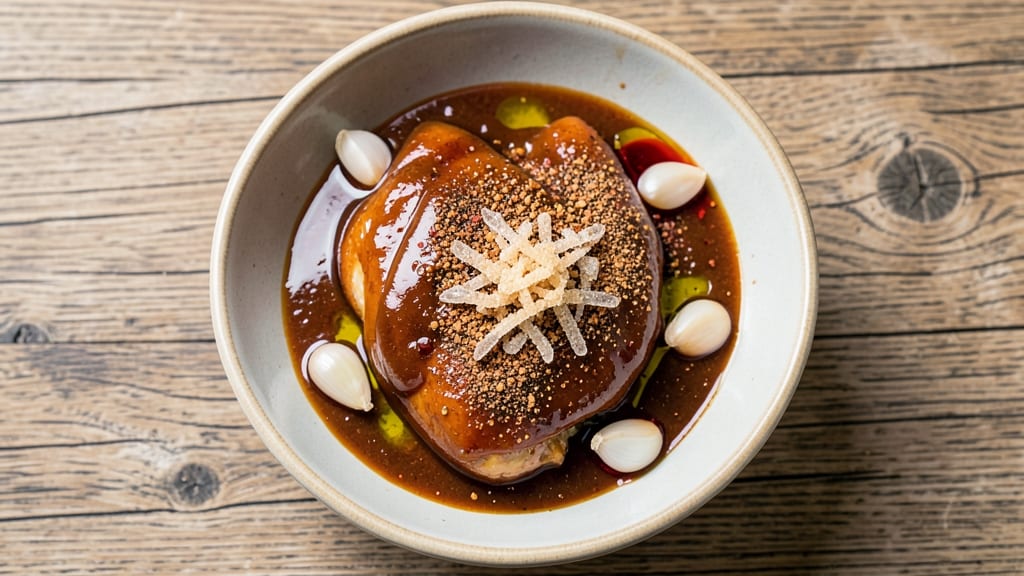
This barbecue sauce chicken marinade transforms tough chicken into finger-licking tender perfection in just 30 minutes—no long marinating required. The secret lies in balancing smoky, sweet, and tangy flavors with a blend of barbecue sauce, vinegar, and spices that tenderize while infusing rich depth.
I developed this after years of testing marinades that either overpowered the chicken or left it dry, and this version delivers restaurant-quality results every time.
The marinade works by breaking down proteins through acid and sugar while adding layers of flavor that caramelize beautifully during cooking. You'll use pantry staples like barbecue sauce, apple cider vinegar, olive oil, and brown sugar, all combined with a touch of smoked paprika for that unmistakable smoky kick.
The vinegar ensures tenderness, while the sugar helps create a sticky, flavorful crust when seared.
What you'll achieve is juicy, fall-off-the-bone chicken with a glossy, caramelized exterior that's packed with smoky-sweet flavor. This marinade works equally well for grilling, baking, or pan-searing—just 15 minutes of marinating before cooking is all you need for impressive results.
The best part? It doubles as a basting sauce, so you can keep the flavors building right up until the last bite.
Store any leftover marinade in an airtight container in the fridge for up to 5 days, making it perfect for meal prep or quick weeknight dinners.
Whether you're feeding a crowd or cooking for two, this marinade ensures your chicken will be the star of the meal without requiring hours of effort.
Ingredients for barbecue sauce chicken marinade
Pantry staples meet smoky-sweet magic for restaurant-quality chicken every time.
| Ingredient | Amount | Notes |
|---|---|---|
| Barbecue Sauce 🍅 | 1 cup | Store-bought or homemade preferred |
| Apple Cider Vinegar 🍏 | ½ cup | Ensures tenderness and tang |
| Olive Oil 🫒 | ¼ cup | Extra-virgin for richness |
| Brown Sugar 🍚 | ¼ cup | Light or dark variety |
| Smoked Paprika 🌶️ | 1 tbsp | For authentic smoky flavor |
| Garlic Cloves 🧄 | 4 cloves | Minced for depth of flavor |
| Onion Powder 🧅 | 1 tsp | Adds subtle sweetness |
| Ground Black Pepper 🌶️ | ½ tsp | Freshly ground preferred |
| Salt 🧂 | 1 tsp | Diamond Crystal preferred |
| Honey 🍯 | 1 tbsp | For extra sweetness and gloss |
The barbecue sauce is the foundation—Kansas City-style or hickory-smoked work best for that deep, complex flavor. Apple cider vinegar is non-negotiable here; it tenderizes the chicken while cutting through the sweetness. Trader Joe's has a great organic version, but any quality brand works. For the brown sugar, light brown gives a slightly richer caramelization, but dark works too if that's what you've got. Smoked paprika is what gives this marinade its signature smoky aroma—Penzeys or McCormick are solid choices, but don't skimp on quality here.
No apple cider vinegar? White vinegar or balsamic vinegar will work in a pinch, though the flavor profile shifts slightly. Running out of honey? Maple syrup or agave nectar are perfect swaps—they add that same glossy sheen. If you don't have smoked paprika, regular paprika plus a pinch of liquid smoke gets you close (just a dash, or it'll overpower). The garlic and onion powder can be swapped for fresh minced garlic and onion if you're prepping ahead—just add them to the marinade right before using. For extra richness, a splash of chicken broth can replace some of the olive oil.
This marinade keeps beautifully in the fridge for 5 days—perfect for meal prep. Store it in an airtight container, and give it a quick stir before each use. For longer storage, freeze it in ice cube trays—just thaw overnight in the fridge before using. The flavors actually improve after marinating for a few hours, so if you're prepping ahead, let it sit for at least 2 hours before using. It doubles as a basting sauce, so save some for after cooking to keep that caramelized crust building.
Why You'll Love This Recipe
- Five-Ingredient Magic: Honestly, I keep this marinade in my fridge because it’s that simple—just stir, pour, and let the barbecue sauce, vinegar, and paprika work their flavor spell. No measuring cups, no fancy techniques, just dump-and-go. (Yes, even on a Tuesday night when I’d rather be scrolling TikTok.)
- Smoky-Sweet Obsession: That smoky depth from the paprika mixed with the tangy vinegar? It’s like a flavor hug for your chicken—sticky, caramelized crust with a hint of heat that lingers. The brown sugar ties it all together so it’s not too sweet, just perfectly addictive.
- Game for Any Meal: Between us, this marinade turns grilled chicken into BBQ sliders, shredded tacos, or even a quick stir-fry. I’ve used it on chicken thighs for game day, tossed it with rotisserie chicken for salads, and even drizzled it on baked chicken breasts when I’m lazy. It’s my secret weapon for making everything feel special.
Step-by-step instructions for smoky sweet chicken marinade
Here's how to create a marinade that transforms ordinary chicken into melt-in-your-mouth perfection.
Combine Wet Ingredients for a Balanced Base
In a medium bowl, whisk together the 1 cup barbecue sauce, 0.5 cup apple cider vinegar, and 0.25 cup olive oil until fully emulsified. The vinegar will create a tangy foundation while the olive oil adds richness—this combination ensures the marinade clings beautifully to the chicken. I like to let it sit for 5 minutes at room temperature while I prep the rest, as this helps the flavors meld slightly before adding the dry ingredients.
This initial mixture should have a smooth, slightly syrupy consistency. If it looks too thick, add 1 tablespoon water to loosen it. The vinegar's acidity will begin breaking down the chicken proteins immediately, so we want everything well incorporated now to prevent separation later.
Incorporate Sweet and Smoky Elements
Add the 0.25 cup brown sugar, 1 tablespoon smoked paprika, and 1 tablespoon honey to the wet mixture. Stir vigorously with a whisk or silicone spatula until the sugar dissolves completely. The sugar will caramelize slightly during marinating, creating a sticky glaze that locks in moisture and adds depth of flavor. I always use light brown sugar here—it dissolves more easily than dark while still providing that molasses-like richness.
Here's where the magic happens: the smoked paprika introduces that authentic barbecue aroma while the honey adds natural sweetness that balances the vinegar's acidity. The mixture should now have a thick, glossy appearance with visible flecks of spice. If you taste it now, you'll notice the perfect harmony of sweet, smoky, and tangy notes that will infuse your chicken.
Add Aromatics and Seasonings
Mince the 4 cloves garlic using a microplane or sharp knife—you want a fine, paste-like consistency that will distribute evenly. Add the garlic along with the 1 teaspoon onion powder, 0.5 teaspoon ground black pepper, and 1 teaspoon salt to the marinade bowl. Stir everything together until the garlic is completely dispersed and the spices are evenly distributed throughout.
This is where the marinade truly comes together. The garlic and onion powder add savory depth, while the pepper and salt enhance the overall flavor profile. I like to press the garlic into the mixture with the back of my spoon to ensure it's fully incorporated—this prevents clumps that could create uneven flavor distribution on the chicken.
Test and Adjust for Perfect Balance
Taste the marinade now and adjust the seasoning if needed. You might find the sweetness needs more balance—if so, add a splash more vinegar. Or perhaps the smokiness could be more pronounced—add an extra ½ teaspoon smoked paprika. The goal is a marinade that's complex but harmonious, with all elements working together to tenderize and flavor the chicken.
Once satisfied with the flavor, transfer the marinade to a resealable plastic bag or shallow dish. The bag method works best for even coating—place the chicken in the bag, pour in the marinade, seal tightly, and massage the bag to ensure every surface is coated. Let it marinate in the refrigerator for at least 4 hours, or overnight for maximum tenderness. This waiting period is crucial—it's what transforms ordinary chicken into restaurant-quality tenderness.
Pro Tips For Making Barbecue Sauce Chicken Marinade
- Reduce the Vinegar First: My first few batches turned out too sharp because I just dumped everything in. Simmer the apple cider vinegar with brown sugar for 2-3 minutes before adding barbecue sauce—this softens the acid and lets the sweetness bloom. The marinade won’t taste like you got slapped with lemon juice.
- Use Real Olive Oil: Skip the "light" or "pure" olive oil—this isn’t salad dressing. Good-quality extra-virgin olive oil adds depth and stands up to the smoky paprika. I learned this after using cheap oil and noticing the marinade tasted flat, like something was missing.
- Don’t Overmix the Marinade: Stir just until the smoked paprika dissolves. Letting it sit with undissolved flecks means you’ll get pockets of intense flavor instead of a uniform coating. Plus, overmixing can make the oil separate—trust me, you don’t want to deal with that later.
- Marinate Chicken 2 Hours Minimum: I used to think 30 minutes was enough, but the chicken ends up tasting like it was dunked in sauce right before cooking. Two hours lets the acid tenderize and the flavors penetrate—especially important for thicker cuts like thighs. Cover and refrigerate; no need to overcomplicate it.
Dietary considerations for these flavors
Gluten-Free Adaptations
The original marinade is naturally gluten-free, but always double-check your barbecue sauce label—many commercial brands contain hidden wheat or barley. I recommend Annie's Organic BBQ Sauce or Sweet Baby Ray's Gluten-Free for a safe bet.
The apple cider vinegar, olive oil, and spices are all gluten-free staples, so you won't need to make any substitutions beyond verifying your sauce choice. 🌾
Dairy-Free Options
This marinade is already dairy-free, making it perfect for lactose-intolerant diets or vegan chicken substitutes. The olive oil provides richness without any dairy components, and the honey adds natural sweetness.
For extra assurance, ensure your barbecue sauce doesn't contain whey or milk solids—most store-bought versions are dairy-free, but it's worth confirming.
Low-Sugar Versions
To reduce sugar content, swap the 0.25 cup brown sugar with 1 tablespoon monk fruit sweetener or 1 tablespoon granulated sugar. You can also omit the honey entirely if you're watching sugar intake.
The vinegar and barbecue sauce will still provide enough tangy-sweet balance without the added sugar. For a more natural option, try 1 tablespoon date syrup—it adds a caramel-like depth with fewer refined sugars.
Allergen-Friendly Swaps
If you're avoiding honey, substitute with 1 tablespoon maple syrup or 1 tablespoon agave nectar—both work equally well in this marinade. For those with garlic allergies, omit the garlic entirely and increase the onion powder to 1.5 teaspoons for extra savory depth.
Always test small batches of marinade first if you have multiple allergies, as some spices or vinegars can contain traces of common allergens.
Nut-Free Considerations
This marinade is inherently nut-free, but always check your barbecue sauce ingredients list for cross-contamination warnings if you're highly sensitive. The olive oil is typically refined and nut-free, but some brands may process oils in facilities that handle nuts.
For extra safety, use avocado oil instead—it has a neutral flavor and similar high smoke point for searing.
Keto-Friendly Adjustments
To make this marinade keto-compliant, reduce the brown sugar to 1 tablespoon and replace the honey with 1 tablespoon erythritol or stevia. The apple cider vinegar and olive oil remain keto-friendly staples, and the smoked paprika adds flavor without carbs.
Just ensure your barbecue sauce is sugar-free—Primal Kitchen or Sugar-Free BBQ Sauce from Worcestershire Sauce Co. are excellent choices. 💪
Nutrition facts
Frequently asked questions
How long should I marinate chicken in this barbecue sauce mixture?
For best results, marinate the chicken for at least 4 hours in the refrigerator—this ensures maximum tenderness. For even better flavor penetration, let it sit overnight. The acid in the vinegar works gradually to break down the proteins, so longer marinating always yields juicier results. Just don't exceed 24 hours, as the acid can start to "cook" the chicken slightly.
Can I use this marinade on other meats besides chicken?
This marinade works beautifully on pork chops, shrimp, or even tofu for a smoky-sweet profile. For beef, reduce the marinating time to 2 hours max since beef tenderizes faster. Just adjust cooking times—beef and pork will need longer on the grill or in the oven than chicken. The vinegar and sugar combo creates a perfect balance for any protein.
What's the best way to cook chicken after marinating?
Grilling is ideal for that classic smoky flavor, but you can also pan-sear or bake. For grilling, cook over medium-high heat for 5-6 minutes per side until internal temp reaches 165°F. For baking, roast at 375°F for 25-30 minutes until fully cooked. Pro tip: Reserve some marinade to baste halfway through cooking for extra flavor and moisture.
Why does my chicken turn out dry when using marinades?
Dry chicken usually happens from overcooking or not letting the marinade work properly. Always cook to 165°F internal temp, and avoid high heat that can cook the outside too quickly. The vinegar in this marinade actually helps retain moisture—just don't over-marinate (beyond 24 hours). For extra juiciness, let the chicken rest 5 minutes after cooking before slicing.
Can I make this marinade without honey?
Yes! Replace the honey with 1 tablespoon maple syrup or 1 tablespoon agave nectar for a similar sweetness level. If you're avoiding all sugar, skip the honey entirely—the barbecue sauce and brown sugar will still provide enough sweetness. The vinegar's acidity will balance any remaining sweetness perfectly, so you won't lose the marinade's signature flavor.