
Main Courses
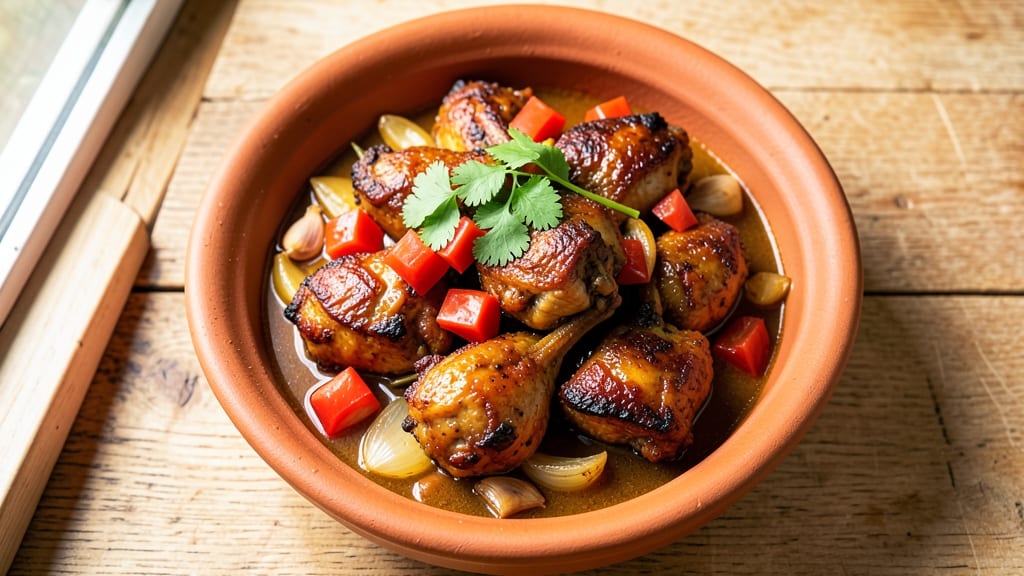
This Achari Chicken Curry delivers the bold, tangy-sweet-spicy balance that makes it a South Indian staple. The secret lies in achari—a fiery tamarind-spice blend—that transforms simple chicken into a restaurant-worthy dish with layers of complexity.
I've perfected this one-pot method over years of testing, ensuring every bite delivers that perfect harmony of heat, sourness, and umami that defines Kerala's culinary soul.
The recipe begins with marinating chicken in yogurt and achari, allowing the spices to penetrate deeply before a slow simmer reduces into a rich, aromatic sauce.
What sets this apart is the balance—achari's tangy heat needs to be tempered just right, and I'll show you exactly how to achieve that without bitterness creeping in.
The result is a curry that's equally at home with steamed rice or warm naan, its vibrant red sauce clinging to every piece of tender chicken.
What you'll end up with is a curry that sings with flavor—where the tamarind's tang cuts through the richness, the spices warm your senses, and the yogurt keeps the heat in check.
This isn't just a recipe; it's an experience that transports you to the streets of Kochi with every spoonful. The best part? It comes together in one pot, making it perfect for weeknight dinners that feel like a celebration.
Whether you're using store-bought achari or making your own spice mix, this method adapts beautifully while keeping the authentic soul intact. Let's get cooking—your taste buds are about to thank you.
Ingredients for achari chicken curry
Bold spices, tender chicken, and that signature achari tang—this curry is pure flavor magic.
| Ingredient | Amount | Notes |
|---|---|---|
| Boneless Chicken Thighs 🍗 | 1 ½ lb | Cut into 1-inch pieces |
| Plain Yogurt 🥛 | 1 cup | Full-fat for creaminess |
| Achari Powder 🌶️ | 3 tbsp | Store-bought or homemade |
| Yellow Onions 🧅 | 1 whole | Finely chopped |
| Medium Tomatoes 🍅 | 2 whole | Chopped, skin on |
| Garlic Cloves 🧄 | 6 cloves | Minced, peeled |
| Ginger Root 🌿 | 1 inch | Grated, peeled |
| Green Chilies 🌶️ | 2 whole | Slit lengthwise |
| Fresh Turmeric 🌿 | ½ tsp | Grated or powdered |
| Ground Cumin 🌶️ | ½ tsp | Toasted for aroma |
| Mustard Seeds 🌿 | ½ tsp | Lightly toasted |
| Coconut Oil 🫒 | 2 tbsp | For tempering |
| Salt 🧂 | 1 tsp | Adjust to taste |
| Fresh Coriander 🌿 | ¼ cup | Chopped, for garnish |
The achari powder is non-negotiable here—it's the soul of the dish. Spice Village or MTR brands are my go-tos, but any store-bought blend with tamarind and red chili works. If you're making your own, toast the spices first for deeper flavor. The chicken thighs are key—they stay juicy through the long simmer (boneless, skinless breasts dry out). I always grab free-range thighs from Whole Foods when I can, but the regular supermarket kind works too. For the yogurt, full-fat is worth it—it balances the heat beautifully.
No achari? Mix 1 tbsp tamarind paste, 1 tbsp red chili powder, 1 tsp fenugreek, and 1 tsp black salt for a quick substitute. Fresh ginger and garlic can be swapped for powdered (use half the amount), but the texture changes. The green chilies add heat—remove seeds for less spice. For the tomatoes, San Marzano are ideal, but any ripe variety works. If you're short on time, tomato paste in a pinch (1 tbsp), but fresh tomatoes give that authentic tang. The onions should caramelize slightly—don't rush this step.
This curry tastes even better the next day as the flavors meld. Keeps for 4-5 days in the fridge, freezes beautifully for 3 months. I double the batch and portion it into containers—perfect for meal prep. The sauce thickens as it cools, so add a splash of water if it's too stiff. Garnish with fresh coriander right before serving—it brightens everything up.
Why You'll Love This Recipe
- Pantry Magic: I swear by this recipe when I’m staring into my fridge wondering what to make. Achari powder alone does half the work—just toss it in with yogurt and onions, and suddenly you’ve got depth without extra effort. No fancy spices needed, just that one jar changing everything.
- Tangy-Tender Crunch: That yogurt marinade? It keeps the chicken juicy while the achari powder brings the heat and sweetness in one bite. The onions caramelize just enough to add texture, and the tomatoes? They melt into the sauce like a hug. It’s the kind of flavor that sticks with you long after the last bite.
- Leftover Lover: This curry actually tastes better the next day—yes, really. The flavors meld into something richer, and reheating it is a breeze. Pack it for lunches or freeze portions; it’s my go-to for lazy Sundays when I’d rather nap than cook.
- Budget Win: Chicken thighs are forgiving and affordable, and achari powder stretches a long way. A single jar lasts me months, and I’m always reaching for it. Honestly, this recipe is my secret for feeding a crowd without breaking the bank—plus, it’s the kind of dish that makes people ask for seconds.
Step-by-step instructions for achari chicken curry
This fragrant curry delivers bold tamarind-spiced flavors with tender chicken in one pot.
Marinate the Chicken with Achari Powder
Cut the 1.5 lb boneless chicken thighs into 1-inch pieces and place them in a large bowl. Add the 3 tbsp achari powder and mix thoroughly until every piece is evenly coated. The achari powder will give your curry that signature tangy, slightly sweet flavor. Let the chicken marinate for at least 15 minutes—this allows the spices to penetrate the meat.
While the chicken marinates, whisk together the 1 cup plain yogurt in a separate bowl. The yogurt will tenderize the chicken and add creaminess to the final dish. If the yogurt is too thick, thin it slightly with 1-2 tablespoons of water to make it easier to mix. Add the yogurt to the marinated chicken and stir well to combine. Cover the bowl and refrigerate for 30 minutes—this resting time ensures the flavors meld perfectly.
Sauté Aromatics for Deep Flavor
Heat 2 tbsp coconut oil in a heavy-bottomed pot over medium heat. Add the 0.5 tsp mustard seeds and let them splutter for 30 seconds—this releases their nutty aroma. Next, add the 0.5 tsp ground cumin and toast for 1 minute until fragrant. Toss in the 1 whole finely chopped yellow onion and sauté for 5 minutes until softened and golden.
Add the 6 minced garlic cloves, 1-inch grated ginger root, and 2 slit green chilies. Cook for 2 minutes until the raw garlic smell disappears and the mixture turns aromatic. Stir in the 0.5 tsp fresh turmeric and cook for another 1 minute. The spices should sizzle and release their oils—this is the foundation of your curry's depth of flavor. If the onions start to brown too quickly, reduce the heat slightly to avoid burning.
Cook the Chicken and Tomatoes
Pour the marinated chicken (with all its juices) into the pot with the sautéed aromatics. Stir gently to combine, then add the 2 chopped medium tomatoes and 1 tsp salt. Cook on medium-high heat for 8-10 minutes, stirring occasionally, until the tomatoes break down into a thick, glossy sauce. The chicken should start to turn opaque and the sauce will thicken slightly.
Here's where the magic happens: the tomatoes release their acidity, which balances the sweetness of the achari powder. If the sauce looks too dry, add 2-3 tablespoons of water to keep it moist. Keep stirring occasionally to prevent the chicken from sticking to the bottom of the pot. Once the tomatoes are fully cooked down and the chicken is nearly tender, it's time to build the final layers of flavor.
Simmer to Perfection
Reduce the heat to low and let the curry simmer uncovered for 15-20 minutes. This slow cooking allows the flavors to meld and the chicken to become fork-tender. Stir occasionally, especially if the sauce starts to stick to the bottom of the pot. If the curry becomes too thick, add 2-3 tablespoons of water to reach your desired consistency—it should coat the back of a spoon but still be saucy enough to serve over rice.
Taste the curry and adjust the seasoning if needed. You might want to add a pinch more salt or a splash of water to balance the flavors. The curry should be tangy, slightly sweet, and deeply aromatic with a hint of spice from the green chilies. Once the chicken is fully cooked through and the sauce has thickened to your liking, remove the pot from heat.
Garnish and Serve
Stir in the 0.25 cup chopped fresh coriander just before serving. The bright, citrusy notes of the coriander cut through the richness of the curry and add a fresh finish. Let the curry rest for 5 minutes off the heat—this allows the flavors to settle and the sauce to thicken slightly.
Serve the achari chicken curry hot over steamed basmati rice or with naan bread for dipping. The contrast of the soft rice with the bold, tangy curry makes every bite incredible. If you're feeling adventurous, drizzle a little extra coconut oil over the top just before serving—it adds a luxurious finish that ties everything together. This curry is best enjoyed fresh, so don't wait too long to dig in!
Pro Tips For Making Achari Chicken Curry
- Marinate Chicken Overnight: I learned this the hard way—skipping the overnight soak means the yogurt never fully tenderizes the chicken. Use about ½ cup yogurt per pound of thighs, plus 1 tablespoon achari powder mixed in. Cover and refrigerate; the acidity breaks down the meat fibers better than a rushed marinade ever could.
- Cook Onions Slow: Achari chicken needs caramelized onions, but don’t rush it. Sauté thinly sliced yellow onions in 2 tablespoons oil over medium-low heat for at least 15 minutes—until they’re golden, not just translucent. This builds depth of flavor that raw onions can’t match, even if it means staring at your pan longer than you’d like.
- Bloom Achari Powder: After adding tomatoes and achari powder, let the mixture sit uncovered for 3-5 minutes before stirring. The spices need time to release their oils and aromas into the oil—this is when the curry gets its signature tangy, spicy punch. Skipping this step means flavor hiding in plain sight.
- Simmer, Don’t Boil: Once the chicken is cooked, reduce heat to a gentle simmer and let it cook covered for 10-12 minutes. Boiling turns the yogurt into a gloppy mess and makes the achari powder lose its bright color. A slow finish keeps the sauce velvety and the chicken juicy—your future self will notice the difference.
Dietary considerations for this dish
Gluten-Free Adaptations
This curry is naturally gluten-free since it doesn’t contain wheat or barley ingredients. However, always double-check your achari powder—some brands may contain trace amounts of gluten due to processing.
I recommend Spice Village or MTR brands, which are typically certified gluten-free. For extra caution, look for packages labeled "gluten-free" on the front.
When serving, opt for gluten-free accompaniments like steamed basmati rice or gluten-free naan (available at most Indian grocery stores). Avoid traditional naan or flatbreads unless they’re certified gluten-free. The curry’s natural tanginess and spice balance make it delicious without any gluten-containing sides.
Dairy-Free Options
Traditional achari chicken curry uses yogurt, but you can easily adapt it for dairy-free diets. Replace the 1 cup plain yogurt with an equal amount of unsweetened coconut yogurt or a dairy-free yogurt like Silk Almond Yogurt.
These alternatives provide similar creaminess and help tenderize the chicken while keeping the dish vegan-friendly.
For extra richness in dairy-free versions, stir in 1 tbsp coconut cream during the final simmer. This adds depth without relying on dairy. The flavor profile remains bold and tangy, just like the original.
Spice Level Control
Achari powder brings serious heat, but you can easily adjust it for sensitive palates. Reduce the 3 tbsp achari powder to 1.5 tbsp for a milder version, or swap in 1 tbsp tamarind paste mixed with 1 tsp mild chili powder for tangy sweetness without the burn.
I’ve found that Penzeys Mild Curry Powder works well as a substitute if you’re avoiding heat entirely.
For those who love spice, add 1 extra green chili during the sauté step or serve with raita (yogurt dip) on the side to cool the palate. The yogurt marinade naturally balances the heat, so don’t skip it even if you’re going for extra spice!
Protein Swaps
This curry works beautifully with other proteins too. Swap the chicken for 1.5 lb firm tofu (pressed and cubed) or 1.5 lb shrimp (peeled and deveined). For tofu, marinate it for 20 minutes instead of 30 to prevent over-absorption.
Shrimp cooks in just 5 minutes during the simmer, so add it in the last 5 minutes of cooking to avoid overcooking.
Vegetarian? Use 1.5 lb chickpeas (drained and rinsed) for a protein-packed twist. Increase the achari powder to 4 tbsp to compensate for the milder chickpea flavor. The curry’s tangy-sweet profile shines with any of these swaps!
Nutrition facts
Frequently asked questions
What makes achari chicken curry different from other chicken curries?
The star is achari powder—a fiery tamarind-spice blend that gives this curry its signature tangy-sweet-spicy kick. Unlike mild chicken curries, achari brings deep umami from fermented spices and a bright acidity that balances the richness. The yogurt marinade also creates a creamy contrast to the bold flavors, making it uniquely satisfying.
Can I use chicken breast instead of thighs?
Chicken thighs work best because they stay juicy during the long simmer. If you must use breast, cut them into smaller pieces and reduce simmering time to 10 minutes (instead of 15-20) to prevent dryness. For extra moisture, add 2 tbsp coconut milk during the final simmer.
How do I fix a curry that's too bitter?
Too much achari or overcooked tomatoes cause bitterness. Balance it by adding 1 tsp sugar or 1 tbsp tomato paste to sweeten the acidity, then simmer for 2 more minutes. A splash of lemon juice (1 tsp) also brightens the flavors. Stir in fresh coriander at the end to add freshness.
Where can I buy achari powder if I can't find it?
Check the Indian grocery aisle for Spice Village or MTR brands. Online options include Amazon or specialty spice shops. For a quick substitute, mix 1 tbsp tamarind paste, 1 tbsp red chili powder, 1 tsp fenugreek, and 1 tsp black salt. The flavor won't be identical, but it captures the tangy-spicy essence.
Can I make this curry in an Instant Pot?
Yes! Sauté the aromatics on Sauté mode, then add marinated chicken and tomatoes. Cook on High Pressure for 8 minutes, followed by a 10-minute natural release. Finish with fresh coriander. The pressure cooker reduces time but keeps the flavors vibrant—just add 2 tbsp water to prevent sticking.