
Sauces & Condiments
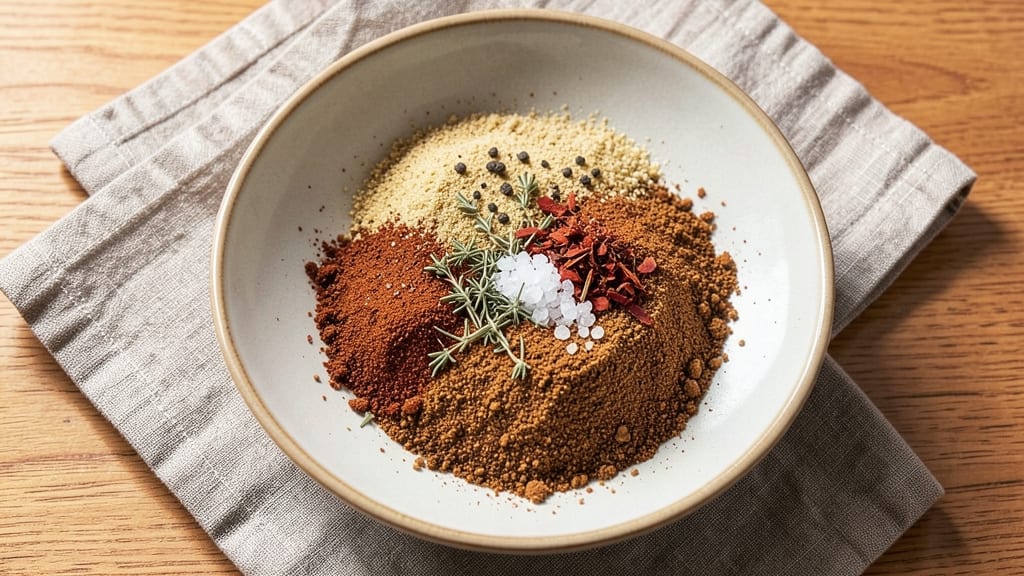
Creating Zehnder’s chicken seasoning at home transforms ordinary chicken into something extraordinary—just like the restaurant’s signature flavor. This dry spice blend combines precise measurements of garlic powder, onion powder, paprika, and other key ingredients to deliver that signature tangy, savory kick.
I’ve perfected this blend over years of testing, ensuring every batch delivers consistent, restaurant-quality results.
The beauty of making this seasoning yourself lies in its versatility and simplicity. With just six core ingredients and 10 minutes of prep, you’ll have a blend that elevates grilled, baked, or fried chicken dishes.
The key is balancing the spices to avoid overpowering the natural flavor of the chicken—think bold, not harsh. Store it in an airtight container for up to 6 months, ready to enhance any recipe.
What sets this seasoning apart is its adaptability. Use it as a dry rub for crispy fried chicken, a coating for baked chicken tenders, or even a seasoning for roasted vegetables.
For an extra kick, add a pinch of cayenne or smoked paprika—customization is endless. The result? Chicken that’s tender, flavorful, and impossible to resist, every single time.
Once you’ve made this blend, you’ll never buy pre-packaged seasoning again. The cost is minimal, the shelf life is long, and the flavor is unmatched. Let’s get started—your taste buds will thank you.
Ingredients for zehnder's chicken seasoning
Six simple spices transform chicken into restaurant-quality perfection—no shortcuts needed.
| Ingredient | Amount | Notes |
|---|---|---|
| Garlic Powder 🧄 | 3 tbsp | Freshly ground preferred |
| Onion Powder 🧅 | 2 tbsp | Diamond Crystal preferred |
| Paprika 🌶️ | 2 tbsp | Smoked variety for depth |
| Ground Black Pepper 🌶️ | 1 tbsp | Freshly cracked preferred |
| Dried Thyme 🌿 | 1 tbsp | French or Italian preferred |
| Salt 🧂 | 1 tbsp | Kosher or sea salt |
| Cayenne Pepper 🔥 | ½ tsp | Adjust for heat preference |
| Ground Mustard 🌶️ | ½ tsp | Dry mustard powder |
The garlic powder and onion powder are the backbone here—Penzeys or bulk bins at natural markets give the best flavor. I always grab smoked paprika for that signature Zehnder’s depth (regular paprika works, but you’ll notice the difference). The black pepper should be freshly ground if possible—pre-ground loses punch fast. For thyme, French or Italian varieties have the most complex flavor profile. Salt is non-negotiable—use kosher or sea salt for even distribution. The cayenne and mustard are what give it that signature tang, so don’t skip them unless you want a milder blend.
No smoked paprika? Regular paprika plus a pinch of liquid smoke gets you close. Short on garlic powder? Garlic salt at half the amount works in a pinch, but taste as you go. The mustard can be swapped for dried mustard seeds (toasted and ground), though it’ll be slightly different. For a milder version, cut the cayenne to one-quarter teaspoon. If you’ve got ground coriander lying around, add a teaspoon—it rounds out the flavors beautifully. Always taste as you mix; you can adjust the salt last.
This blend keeps forever if stored properly. Glass jars with airtight lids in a cool, dark pantry preserve the flavors for up to 6 months. I divide mine into small jars—one for chicken, one for veggies, one for emergencies. Label everything, because once you start making this, you’ll never go back to store-bought. Freezes well too, though it’s not necessary. The key is keeping it dry—moisture kills spices faster than anything.
Why You'll Love This Recipe
- Five Ingredients, Big Payoff: I swear by this mix—just dump those five spices (garlic powder, onion powder, paprika, black pepper, thyme) and you’ve got flavor that feels like you slaved over it. No measuring cups, no fuss, no stress. My lazy Sundays start with this.
- Smoky-Savory Magic: That paprika gives it a subtle smokiness while the thyme adds earthy depth—together, they turn plain chicken into something that tastes like it’s been slow-roasted. Honestly, I’ve used it on everything from grilled chicken to roasted potatoes, and it never disappoints.
- Meal Prep MVP: Between us, this is my go-to for batch cooking. Toss it on chicken thighs before baking, and you’ve got a freezer-friendly meal that reheats like a dream. (Yes, even on a Tuesday night when takeout sounds better than it is.)
- Pantry Staple Savings: You’re already buying these spices—might as well combine them. I make a big batch and keep it in a jar; it’s cheaper than pre-made seasoning blends and lasts forever. Plus, no weird additives or overpriced packaging. Just good, honest flavor.
Step-by-step instructions for Zehnder's chicken seasoning recipe
Here's how to create this iconic blend that transforms ordinary chicken into restaurant-quality masterpieces.
Measure Ingredients with Precision
Begin by gathering all your ingredients and measuring them carefully. I like to use a small mixing bowl and measure each spice individually to ensure accuracy. Start with the 3 tablespoons of garlic powder—this is your flavor foundation, so don't skimp. Next, add the 2 tablespoons of onion powder and 2 tablespoons of paprika, giving your blend that signature smoky depth.
For the paprika, I recommend using the smoked variety mentioned in the ingredients list—it adds a subtle charred quality that makes this blend truly exceptional. The combination of these three dry ingredients creates a perfect aromatic base that will infuse your chicken with incredible depth of flavor.
Add the Remaining Dry Components
Now it's time to incorporate the remaining dry ingredients that will round out your seasoning blend. Add the 1 tablespoon of ground black pepper—preferably freshly cracked if possible—and the 1 tablespoon of dried thyme. The thyme brings an earthy, slightly floral note that pairs beautifully with the other spices.
Don't forget the 1 tablespoon of salt, which is crucial for enhancing all the other flavors. I use kosher or sea salt as specified, as these dissolve more easily and provide a cleaner taste. Finally, add the 0.5 teaspoon of cayenne pepper and 0.5 teaspoon of ground mustard. The cayenne adds just a hint of heat, while the mustard contributes a subtle tanginess that elevates the overall profile.
Combine and Whisk Thoroughly
Transfer all the measured ingredients to a medium mixing bowl. Using a whisk or small fork, combine everything gently at first to prevent creating a cloud of powder. Once all the ingredients are in the bowl, whisk vigorously for about 1-2 minutes until the mixture is completely homogeneous and well-blended.
This thorough mixing ensures that every pinch of your seasoning contains the same perfect balance of flavors. I like to press the whisk against the bottom of the bowl to make sure I'm not missing any pockets of unmixed spices. The result should be a fine, even powder that looks consistent and smells incredibly aromatic.
Store Properly for Maximum Freshness
Once your seasoning blend is perfectly mixed, transfer it to an airtight container. I prefer glass jars with tight-sealing lids for storage, as they help preserve the freshness of the spices. Label your container clearly with the date and contents—this will help you keep track of how long it's been stored.
This homemade blend will keep its best flavor for about 3 months when stored in a cool, dark place. If you notice the spices losing their aroma before then, simply make a fresh batch. The effort is minimal, and the flavor difference is significant compared to store-bought alternatives.
Pro Tips For Making Zehnder'S Chicken Seasoning
- TOAST YOUR SPICES: I learned this the hard way—skip it, and your seasoning tastes dull. Dry-toast the paprika and thyme in a small pan over medium heat for 30 seconds until fragrant. The aroma alone tells you it’s ready. This brings out their flavors way more than just sprinkling them raw.
- MEASURE BY VOLUME, NOT PINCHES: That "1 teaspoon" of garlic powder isn’t a guess—use a proper measuring spoon. I used to eyeball it, and my seasoning was either too weak or overpowering. For Zehnder’s, stick to the ratios: 1 tsp garlic powder, 1 tsp onion powder, ½ tsp black pepper, and ½ tsp thyme per batch. No shortcuts here.
- STORE IT DRY: Moisture is the enemy of this seasoning mix. After combining, store it in an airtight container—not the original bag—somewhere cool and dark. I once left a batch in a humid pantry and woke up to clumpy, bitter seasoning. A mason jar works best.
- USE IT ON DRY CHICKEN: Wet chicken steams instead of searing. Pat your pieces thoroughly with paper towels before seasoning and cooking. I was skeptical until I tried it—now my chicken turns golden and crispy instead of soggy. The seasoning sticks better too.
Wine and beer pairings for this recipe
Light Beer Pairings
For this bold, garlicky seasoning, I reach for crisp, light beers that won’t overpower the chicken’s flavor. A pilsner-style beer like Stella Artois or Peroni works beautifully—their clean, refreshing profiles complement the seasoning’s savory notes without competing.
The subtle bitterness in pilsners actually enhances the smoked paprika and ground mustard in the blend, creating a harmonious balance. 🍺
Wheat Beers for Balance
If you prefer a slightly lighter beer with a touch of sweetness, try a wheat beer like Blue Moon Belgian White or Hoegaarden.
The citrusy coriander notes in these beers pair wonderfully with the garlic powder and onion powder in the seasoning, while the effervescence cleanses your palate between bites. The natural sweetness also helps round out the cayenne pepper’s heat.
Red Wine Contrast
For a red wine pairing, I recommend a light-bodied red like Pinot Noir or Beaujolais. These wines have enough acidity to stand up to the seasoning’s bold flavors without being too heavy.
The earthy notes in Pinot Noir complement the dried thyme and black pepper, while the fruitiness balances the smoked paprika. Serve slightly chilled (55-60°F) to enhance the wine’s freshness and contrast the seasoning’s warmth.
White Wine Alternatives
A dry Riesling or Sauvignon Blanc offers a refreshing alternative, especially if you’re serving the seasoned chicken with a side salad. The bright acidity in these wines cuts through the richness of the chicken, while their citrus and herbal notes echo the garlic powder and thyme in the seasoning.
I love a New Zealand Sauvignon Blanc—its zesty lime and grassy flavors make it a perfect match for grilled or baked chicken seasoned with this blend.
Cocktail Pairings
For a fun twist, pair your seasoned chicken with a whiskey sour or gin and tonic. The tartness of a whiskey sour balances the seasoning’s savory depth, while the botanicals in gin and tonic complement the smoked paprika and mustard.
Add a twist of lemon or lime to both drinks to enhance the citrusy brightness that pairs so well with the garlic and onion powders in the seasoning.
Non-Alcoholic Options
Don’t overlook non-alcoholic pairings! A sparkling water with lime or ginger beer works surprisingly well. The effervescence and citrus notes cleanse your palate, while the ginger beer’s spice adds a subtle warmth that mirrors the seasoning’s complexity.
For a more robust option, try a cucumber-mint infused water—the cool, refreshing flavors provide a perfect contrast to the bold seasoning.
Nutrition facts
Frequently asked questions
Can I adjust the spice level in this homemade blend?
The recipe includes ½ teaspoon of cayenne pepper for a mild kick. For less heat, reduce to ¼ teaspoon or omit entirely. If you love spice, add an extra ½ teaspoon or swap cayenne for chili powder (½ tsp) for a different depth. Always taste as you go—this blend is highly customizable!
How long does homemade seasoning last compared to store-bought?
When stored in an airtight glass container in a cool, dark place, this blend stays fresh for 6 months—far longer than most store-bought mixes (which often lose potency in 3 months). The key is keeping it dry; moisture is spices' worst enemy. Freezing extends shelf life to 1 year, though it's rarely necessary.
Can I use this seasoning on foods other than chicken?
This blend works beautifully on fish fillets, roasted potatoes, or even corn on the cob. For vegetables, reduce the salt by half (to ½ tbsp) since they may already contain salt. The garlic and onion powders add depth to almost any savory dish—just don't overdo it on delicate proteins like shrimp.
Why does my homemade blend look clumpy?
Clumping happens when spices absorb moisture from the air. To fix it, whisk in 1 teaspoon of cornstarch or arrowroot powder to absorb excess moisture, then whisk again. For prevention, store your blend in a small jar with a tight seal and add a silica gel packet (like those in shoe boxes) to keep it bone-dry. Never store it in the fridge—humidity there makes clumping worse.
What's the secret to getting that restaurant-quality flavor?
The magic lies in freshness and balance. Use freshly ground spices (especially garlic and black pepper) and taste as you mix. The smoked paprika and ground mustard combo creates Zehnder's signature tang, while the thyme adds complexity. For extra depth, toast the spices gently in a dry pan for 1-2 minutes before mixing—this enhances their natural oils.