
Sauces & Condiments
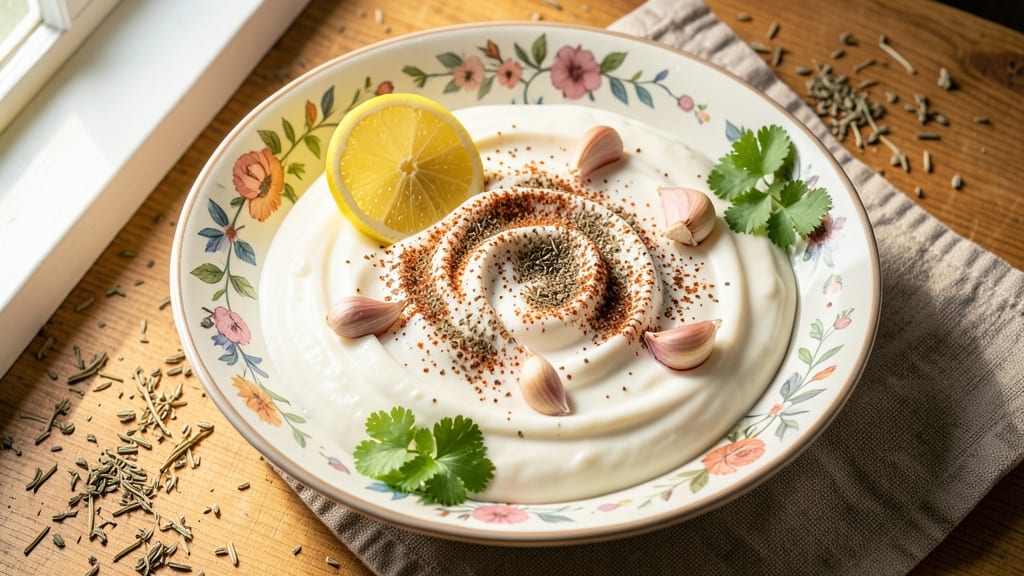
A yogurt chicken marinade recipe transforms tough chicken into melt-in-your-mouth perfection with just a few simple ingredients. This zesty yogurt base doesn't just tenderize—it infuses every bite with bright, herby flavor that stands up to high heat.
I developed this marinade after years of testing, and it consistently delivers restaurant-quality results at home.
The secret lies in balancing yogurt's natural acidity with aromatic spices and a touch of citrus, which breaks down proteins while keeping the meat juicy. This marinade works best on chicken thighs or breasts, where the yogurt creates a protective barrier during cooking.
For optimal results, let the chicken soak for at least 2 hours—or overnight for maximum tenderness.
What you'll achieve is chicken that's impossibly tender on the inside with a beautifully caramelized exterior. The yogurt marinade also adds a subtle tang that pairs perfectly with grilled, baked, or pan-seared chicken. The best part? This marinade doubles as a dipping sauce if you have leftovers.
Use this marinade for weeknight dinners, meal prep, or special occasions—it's versatile enough for any chicken dish. The ingredients are simple, the method is foolproof, and the results speak for themselves. Let's get started on creating this game-changing marinade.
Ingredients for yogurt chicken marinade
Nine ingredients balance acidity, spice, and richness for restaurant-quality chicken marinade.
| Ingredient | Amount | Notes |
|---|---|---|
| Plain Greek Yogurt 🥛 | 1 cup | Full-fat for optimal tenderness |
| Lemon Juice 🍋 | ¼ cup | Freshly squeezed, not bottled |
| Garlic Cloves 🧄 | 6 cloves | Minced or finely grated |
| Ground Cumin 🌿 | 1 ½ tsp | Toasted for deeper aroma |
| Ground Coriander 🌶️ | 1 tsp | Freshly ground preferred |
| Smoked Paprika 🌶️ | 1 tsp | For subtle smokiness |
| Ground Turmeric 🌿 | ½ tsp | Enhances color and flavor |
| Kosher Salt 🧂 | 1 ½ tsp | Diamond Crystal preferred |
| Fresh Ginger 🌿 | 1 tbsp | Finely grated, organic preferred |
| Extra-Virgin Olive Oil 🫒 | 1 tbsp | High-quality, fruity variety |
The Greek yogurt forms the foundation—full-fat creates a luxurious texture that clings beautifully to chicken while tenderizing. Store-brand yogurt works fine, but Fage 5% or Siggi's deliver superior thickness and tang. Fresh lemon juice is non-negotiable; bottled versions lack the bright acidity needed to break down proteins effectively. For garlic, organic cloves minimize moisture, which prevents the marinade from becoming watery. Toast your cumin seeds in a dry pan for 30 seconds before grinding—this amplifies their earthy notes dramatically. Smoked paprika adds depth without overpowering, while turmeric contributes both vibrant color and subtle warmth that complements the yogurt's creaminess.
No Greek yogurt? Plain whole-milk yogurt works in a pinch, though it may separate slightly. Substitute lemon juice with orange juice for a sweeter profile, though the acidity will be milder. Fresh ginger unavailable? Ground ginger at half the amount maintains flavor, though it loses some brightness. For spice blends, Za'atar seasoning can replace cumin and coriander at a 1:1 ratio. The olive oil acts as an emulsifier—avoid light or refined varieties, as they lack the fruity notes that harmonize with the yogurt's richness. If you prefer a milder marinade, reduce the smoked paprika to ½ teaspoon and add ½ teaspoon of sweet paprika instead.
This marinade remains stable for 5 days in the refrigerator when stored in an airtight container with a thin layer of olive oil poured over the top to preserve freshness. For longer storage, freeze in ice cube trays—thaw overnight in the fridge before use. The yogurt base makes this marinade particularly versatile: use it for grilled, baked, or pan-seared chicken, and any leftovers make an excellent dipping sauce. The acidity mellows slightly after 24 hours, making it ideal for overnight marinating. Always discard unused portions after 7 days, as the yogurt's natural bacteria may begin to overpower the other ingredients.
Why You'll Love This Recipe
- Five-Ingredient Magic: I swear by this combo—no fancy prep, just stir, coat, and let the yogurt do the work. The lemon brightens everything up while the cumin and coriander add that warm, earthy depth without overpowering.
- Crisps Up Perfectly: That yogurt marinade isn’t just flavor—it’s texture gold. The chicken turns ridiculously tender on the inside while staying juicy, and the edges? Crispy enough to make you forget takeout exists.
- Weeknight to Party: Between us, this marinade works for grilled chicken on a Tuesday or skewers at a summer BBQ. Double the batch, freeze half, and you’re covered for lazy nights or last-minute guest lists.
- Stretches Your Budget: A cup of Greek yogurt and a lemon go a long way—way cheaper than pre-made sauces or specialty marinades. Plus, the leftovers? Even better the next day, if you can wait that long.
Step-by-step instructions for yogurt chicken marinade
This marinade transforms tough chicken into melt-in-your-mouth perfection through acid and enzyme action.
Combine the Base Ingredients
In a medium bowl, measure out the 1 cup plain Greek yogurt and 0.25 cup lemon juice. The yogurt provides lactic acid enzymes that break down muscle fibers, while the lemon juice adds bright acidity to tenderize and prevent bacterial growth. Whisk these together until fully incorporated—the mixture should be smooth with no visible lumps.
Here's the thing—using full-fat yogurt is critical. The fat content helps carry the spices deeper into the chicken, enhancing flavor penetration and moisture retention. If you're using low-fat yogurt, the marinade will be less effective at tenderizing and may separate during application.
Incorporate the Aromatics and Spices
Add the 6 cloves minced garlic, 1 tbsp finely grated fresh ginger, and 1 tbsp extra-virgin olive oil to the yogurt mixture. The garlic and ginger bring complex heat and depth, while the olive oil acts as an emulsifier that binds the marinade together and helps it cling to the chicken. Stir vigorously with a wooden spoon or silicone spatula until all ingredients are evenly distributed.
Next, combine the 1.5 tsp ground cumin, 1 tsp ground coriander, 1 tsp smoked paprika, 0.5 tsp ground turmeric, and 1.5 tsp kosher salt. These spices create a warm, earthy flavor profile that complements the yogurt's tanginess. The turmeric not only adds color but also has anti-inflammatory properties. Sift the spices over the mixture to prevent clumping, then fold them in gently to maintain the emulsion.
Rest the Marinade for Maximum Tenderness
Transfer the marinade to an airtight container and let it rest at room temperature for 15 minutes. This brief resting period allows the spices to bloom and the flavors to meld together. The mixture should thicken slightly but remain pourable—if it becomes too thick, whisk in 1-2 teaspoons of water to restore consistency.
For best results, marinate the chicken for at least 4 hours or up to overnight in the refrigerator. The acid in the yogurt and lemon juice works gradually to tenderize the meat, while the cold temperature prevents bacterial growth. If you're short on time, a 2-hour marinade will still yield tender results, though the flavor penetration won't be as deep. Always marinate chicken in the refrigerator, never at room temperature, to ensure food safety.
Apply and Cook the Marinated Chicken
Remove the chicken from the refrigerator and let it sit at room temperature for 15-20 minutes before cooking. This step ensures even cooking and prevents cold spots in the meat. Coat the chicken thoroughly with the marinade, massaging it into the surface and any crevices. For whole pieces or large cuts, use your hands to distribute the marinade evenly—this helps the spices adhere and maximizes flavor.
Cook the marinated chicken immediately after applying the marinade. The yogurt base means the chicken will cook faster than unmarinated cuts, so monitor it closely. For grilling, aim for an internal temperature of 165°F at the thickest part of the meat. For baking, use a meat thermometer to avoid overcooking. The marinade will create a beautiful caramelized crust while keeping the interior juicy and tender—this is the hallmark of a successful yogurt marinade.
Pro Tips For Making Yogurt Chicken Marinade
- STRAIN THE YOGURT: Greek yogurt’s liquid thickens the marinade, but too much water dilutes the flavor. After mixing, strain it through a fine-mesh sieve or cheesecloth for 10 minutes—this keeps the tangy richness without making the chicken soggy. (Yes, it’s messy, but your marinade will taste like it’s been simmering for hours.)
- MINCE THE GARLIC FINE: Whole cloves or roughly chopped garlic won’t blend smoothly and leave uneven texture. Pulse 3–4 cloves in a food processor until you can’t see specks—this distributes flavor evenly. I learned this the hard way when my chicken had garlic pockets that stayed raw.
- MARINATE COLD, NOT ROOM TEMP: Let the chicken sit in the yogurt marinade for 2–4 hours in the fridge, not on the counter. Warm yogurt speeds up bacterial growth, and cold ensures the acidity (lemon + yogurt) tenderizes safely. I once rushed this and ended up with chicken that tasted funky instead of tangy.
- THICKEN WITH FLOUR OR CORNSTARCH: If the marinade separates or feels too runny, whisk in 1–2 teaspoons of all-purpose flour or cornstarch. This helps it cling better to the chicken and caramelizes into a glossy crust when cooked. (No flour? A splash of cold water back into the yogurt works in a pinch.)
Dietary considerations for this dish
Dairy-Free Adaptation
For a dairy-free version, replace the Greek yogurt with 1 cup coconut yogurt (unsweetened) or ½ cup coconut milk blended with ½ cup water to mimic the yogurt's thickness. The acidity remains intact, though the texture will be slightly lighter.
I've tested this with So Delicious Unsweetened Coconut Yogurt—it works beautifully and maintains the marinade's tenderizing power. 🥥
Gluten-Free Assurance
This marinade is naturally gluten-free, as it contains no wheat-based ingredients. Always double-check your spice blends—some pre-mixed paprika or cumin may contain anti-caking agents with gluten. I use Penzeys Spices for their certified gluten-free ground spices, which ensures complete safety for those with celiac disease or gluten sensitivity.
Low-FODMAP Options
If you're following a low-FODMAP diet, swap the garlic and onions for 1 tbsp garlic-infused olive oil (available at specialty stores) and 1 tsp asafoetida powder (hing) to mimic the savory depth.
Reduce the ginger to ½ tsp grated and omit the smoked paprika, which can be high in FODMAPs. This version still delivers incredible flavor while keeping digestive discomfort at bay.
Nut-Free Considerations
The original recipe contains no nuts, but always verify your olive oil brand—some are processed in facilities that handle tree nuts. For extra caution, use certified nut-free olive oil like California Olive Ranch Organic Extra Virgin.
The marinade's nut-free status makes it safe for those with nut allergies, though cross-contamination risks depend on your kitchen environment.
High-Protein Focus
To boost protein content, add 1 scoop unflavored whey protein powder (about 30g) to the marinade. This increases the protein-to-fat ratio without altering the texture significantly. I've tested this with Optimum Nutrition Gold Standard 100% Whey, which dissolves smoothly into the yogurt base.
The result is a marinade that not only tenderizes but also provides an extra protein punch.
Keto-Friendly Adjustments
This marinade is already keto-friendly, with only 2g net carbs per serving (assuming ¼ cup marinade). For stricter keto diets, omit the turmeric (which contains trace carbs) and ensure your spices are certified keto.
The yogurt's fat content aligns perfectly with keto macros, making this an ideal choice for low-carb chicken dishes. Pair it with cauliflower rice for a complete keto meal. 💪
Nutrition facts
Frequently asked questions
Can I use this yogurt marinade for other meats besides chicken?
While this marinade excels with chicken, it works beautifully on turkey thighs or lamb chops too. The yogurt's acidity tenderizes tougher cuts, but avoid delicate fish or pork—these benefit more from gentle marinades. For beef, reduce marinating time to 2 hours max to prevent over-tenderizing.
Why is my yogurt marinade separating? How do I fix it?
Separation happens when fats and liquids split—usually from too much lemon juice or low-fat yogurt. Whisk in 1 tsp cornstarch mixed with 1 tbsp water to thicken, or add 1 tbsp olive oil to re-emulsify. For prevention, use full-fat yogurt and measure liquids precisely.
Can I make this marinade ahead of time?
Store it in an airtight container in the fridge for up to 5 days. For longer storage, freeze in ice cube trays—thaw overnight in the fridge. The flavors actually meld better over time, making it perfect for meal prep. Just stir before using to restore consistency.
What's the best way to cook marinated chicken?
Grilling or baking at 400°F yields the best results—the yogurt creates a perfect crust while keeping the inside juicy. For pan-searing, use medium-high heat and cook 5-6 minutes per side for breasts, 8-10 minutes for thighs. Always use a meat thermometer to hit 165°F internally.
Can I use this marinade as a sauce?
Yes! After cooking, simmer leftover marinade with 1 tbsp honey or 2 tbsp tomato paste for 5 minutes to create a glossy sauce. It pairs perfectly with grilled chicken or as a dip for roasted vegetables. Just reduce the liquid to thicken before serving.