
Main Courses
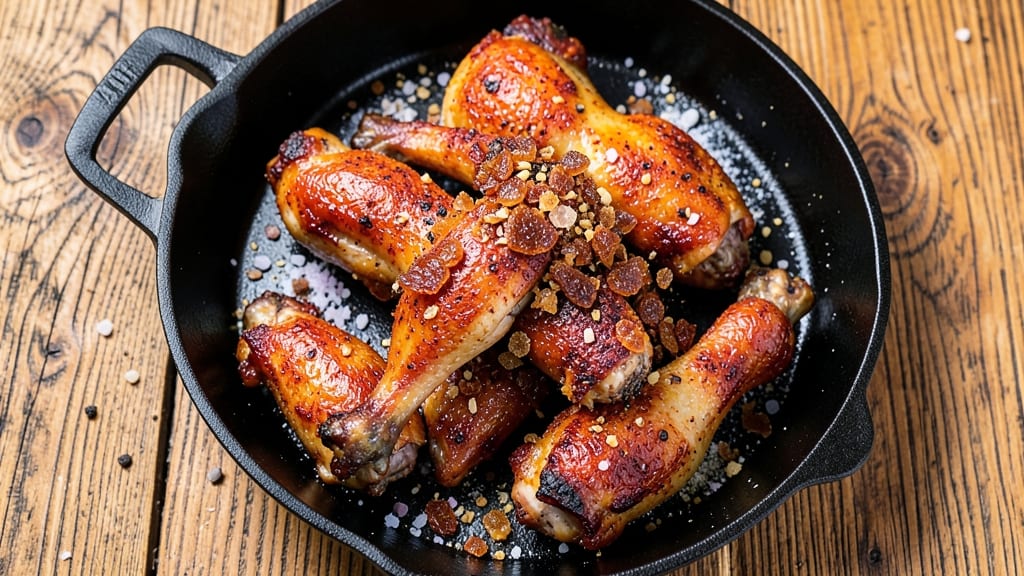
Mastering Traeger grilled chicken legs transforms simple ingredients into a restaurant-worthy centerpiece with smoky char and juicy perfection. The key lies in low-and-slow smoking paired with high-heat charring—creating crispy skin that cracks under pressure while the meat stays impossibly tender.
I’ve perfected this method after years of testing, and the results speak for themselves: every bite delivers that ideal contrast of smoky flavor and melt-in-your-mouth texture.
This recipe leverages the Traeger’s precision temperature control to cook chicken legs at 275°F until the internal temperature reaches 165°F, ensuring even doneness without drying out. The secret weapon?
A dry rub of smoked paprika, garlic powder, and brown sugar that forms a flavorful crust while the wood pellets infuse deep, aromatic smoke. No fancy techniques—just a well-seasoned bird, patience, and the right heat management.
What you’ll end up with is golden-brown, charred skin that gives way to succulent, juicy meat inside—each piece falling apart at the bone when handled properly. The smoky aroma alone will have your kitchen smelling like a BBQ joint, and the crispy edges add a satisfying crunch.
This method works equally well with dark meat thighs or drumsticks, making it versatile for any gathering.
Pair with classic sides like creamy coleslaw or grilled vegetables to complete the meal. The beauty of this recipe is its adaptability—whether you’re feeding a crowd or meal prepping for the week, the results are consistently professional. Let’s get started on creating these showstopping chicken legs.
Ingredients for traeger chicken legs
Six essential ingredients and a smoker transform ordinary chicken legs into restaurant-quality masterpieces.
| Ingredient | Amount | Notes |
|---|---|---|
| Chicken Legs (Thighs and Drumsticks) 🍗 | 6 whole | Bone-in, skin-on, 2-3 lbs total |
| Smoked Paprika 🌶️ | 2 tbsp | High-quality, not sweet paprika |
| Garlic Powder 🧄 | 1 tbsp | Freshly ground preferred |
| Brown Sugar 🍚 | 1 tbsp | Light or dark, packed |
| Kosher Salt 🧂 | 1 ½ tsp | Diamond Crystal preferred |
| Ground Black Pepper 🌶️ | 1 tsp | Freshly cracked preferred |
| Onion Powder 🧅 | ½ tsp | For subtle depth |
| Apple Cider Vinegar 🍎 | 1 tbsp | For tenderizing marinade |
| Honey 🍯 | 1 tbsp | Wildflower preferred |
| Extra-Virgin Olive Oil 🫒 | 2 tbsp | For basting |
| Wood Pellets 🌳 | 2 cups | Hickory or cherry preferred |
| Butter 🧈 | 2 tbsp | Unsalted, softened for basting |
The chicken legs are the foundation—look for bone-in, skin-on pieces with good marbling for juiciness. Costco or local butchers often carry premium cuts at better prices than grocery stores. If using frozen, thaw overnight in the fridge to avoid moisture issues. For best results, pat dry with paper towels before seasoning to ensure that crispy skin. The smoked paprika should be labeled 'smoked' (not sweet)—Penzeys Spices carries an excellent variety if you're willing to invest. Freshly ground spices make a noticeable difference, so if you have a coffee grinder, toast and grind your garlic powder and onion powder together for maximum flavor.
No smoked paprika? Substitute 1 tbsp of regular paprika plus 1/2 tsp liquid smoke for a similar effect. Running short on apple cider vinegar? Substitute lemon juice at the same amount, though the flavor profile will shift slightly. The honey can be swapped for maple syrup if preferred, though it may darken the crust more aggressively. For the wood pellets, hickory delivers classic BBQ smoke, while cherry adds a sweeter note—mix both for complexity. If you're using a Traeger Pro, preheat for 15 minutes to establish proper smoke circulation before adding the chicken. The butter should be softened but not melted for easy basting during the high-heat char phase.
Store any leftover chicken in an airtight container for up to 4 days in the fridge, though it reheats best when warmed gently in a skillet. The dry rub ingredients keep indefinitely in a cool, dark pantry—just reseal the containers tightly after each use. For meal prep, portion the chicken into individual containers with a bit of the juices to maintain moisture. The wood pellets should be stored in a dry, airtight container away from direct sunlight to prevent moisture absorption. This recipe scales beautifully for crowds—simply double the ingredients and adjust cooking time accordingly.
Why You'll Love This Recipe
- Foolproof Timing: I swear by this—just toss the chicken on the Traeger with the dry rub (paprika, brown sugar, salt) and let it do the work. Forty-five minutes later, you’ve got dinner without hovering over the grill.
- Smoky-Sweet Magic: That smoky paprika and caramelized brown sugar? It’s the kind of flavor that makes people ask, “What’s in this?” Juicy inside, crispy outside—no fancy techniques, just pure satisfaction.
- Game for Any Day: Weeknight dinner? Check. Tailgate spread? Double check. The leftovers reheat like a dream, and I’ve even served these cold in wraps when I’m too tired to cook.
- Budget Win: Chicken legs are the MVP of affordable protein, and this recipe stretches them far. A single batch feeds four, leaves me with extras for lunches, and costs less than takeout—without sacrificing taste.
Step-by-step instructions for smoky charred chicken legs
This method delivers crispy, smoky skin with perfectly juicy meat every time.
Prepare the Dry Rub and Marinate the Chicken
In a small bowl, combine the 2 tablespoons smoked paprika, 1 tablespoon garlic powder, 1 tablespoon brown sugar, 1.5 teaspoons kosher salt, 1 teaspoon ground black pepper, and 0.5 teaspoon onion powder. Mix thoroughly with your fingers until evenly distributed—this ensures each grain of seasoning clings to the chicken.
Pat the 6 whole chicken legs dry with paper towels, removing any excess moisture from the skin. This step is critical for achieving that coveted crispy bark. In a separate bowl, whisk together the 1 tablespoon apple cider vinegar and 1 tablespoon honey to create a tenderizing marinade. Brush this mixture evenly over the chicken, including the skin and any crevices. Let the chicken rest uncovered in the refrigerator for at least 1 hour—this allows the marinade to penetrate and the seasoning to adhere deeply.
Set Up the Traeger for Indirect Heat
Fill the Traeger with 2 cups of wood pellets—hickory or cherry for a balanced smoky flavor. Preheat the grill to 250°F using the indirect heat setting. This lower temperature ensures the chicken cooks slowly and evenly, preventing the skin from burning before the meat reaches the proper internal temperature. Place a drip pan filled with water beneath the grill grates to maintain moisture and prevent flare-ups.
Once the Traeger reaches the target temperature and you see steady, thin blue smoke, position the chicken legs skin-side up on the grill grates. Avoid placing them directly over the heat source—this is the key to indirect cooking. Close the lid and resist the urge to peek, as each time you open it, you lose heat and extend cooking time.
Smoke and Baste for Crispy Skin and Juicy Meat
Smoke the chicken legs for 2 hours, maintaining the 250°F temperature. You’ll notice the skin beginning to crisp and darken, while the meat remains tender. After 1 hour, remove the chicken from the grill and brush the skin generously with 2 tablespoons extra-virgin olive oil. This basting step enhances browning and adds richness. Return the chicken to the grill and continue smoking.
After 2 hours, check the internal temperature using a meat thermometer. The chicken is done when it reaches 165°F in the thickest part of the thigh. If the skin isn’t as crispy as you’d like, increase the heat to 300°F for the final 10-15 minutes, basting occasionally with 2 tablespoons softened butter for extra flavor and shine. The skin should be deep mahogany with a crisp texture, while the meat remains succulent and juicy.
Rest and Serve
Once the chicken reaches the proper internal temperature and the skin achieves the desired crispiness, transfer the legs to a cutting board. Tent loosely with aluminum foil and let them rest for 10 minutes. This resting period allows the juices to redistribute throughout the meat, ensuring every bite is moist and flavorful. Skipping this step results in dry, stringy chicken—don’t rush it.
Slice the chicken legs into individual servings and serve immediately. The contrast of crispy, smoky skin and tender, juicy meat makes this dish unforgettable. Pair with a fresh garden salad or roasted vegetables to complete the meal. The aroma alone will have everyone at the table anticipating the first bite.
Pro Tips For Making Traeger Chicken Legs
- Start with High Heat: Crank your Traeger to 450°F for the first 20 minutes—this sears the skin and locks in flavor before you lower it to 275°F. I used to skip this and ended up with pale, soggy skin that tasted like it missed the party.
- Dry the Chicken First: Pat those legs thoroughly with paper towels before seasoning—wet skin steams instead of crisps. After burning three batches with sticky, sad skin, I finally learned: moisture is the enemy of that perfect paprika crust.
- Skip the Overcrowding: Leave space between legs on the grill—even if it looks empty. I once jammed them in for "even cooking," and the middle ones turned into sad, gray bricks. Airflow is non-negotiable for crispy skin.
- Mix Wet and Dry Rubs: Combine 1 tablespoon brown sugar with 1 teaspoon smoked paprika and garlic powder, then add just enough water to make a paste—sticks better than a powder. (Yes, it sounds weird, but it works.) Brush it on after the initial sear.
Perfect pairings for these flavors
Smoky Sauce Slather
Finish your Traeger chicken legs with a homemade BBQ sauce that complements the smoky flavor. I blend ½ cup ketchup, 2 tbsp apple cider vinegar, 1 tbsp brown sugar, 1 tsp smoked paprika, ½ tsp garlic powder, and ¼ tsp cayenne pepper.
Simmer for 10 minutes until thickened, then brush generously over the chicken during the final 5 minutes of cooking. This adds a glossy, tangy contrast to the crispy skin. 🍯
Classic Sides
Serve with creamy coleslaw made with ½ cup mayonnaise, 2 tbsp apple cider vinegar, 1 tbsp honey, and ½ cup shredded cabbage. The cool, crunchy texture balances the richness of the chicken.
For a heartier option, try garlic mashed potatoes—mix 2 lbs Yukon Gold potatoes, 4 tbsp butter, ½ cup warm milk, and 1 tsp garlic powder until smooth. 🥔
Fresh Vegetable Pairings
Grilled zucchini and bell peppers add vibrant color and freshness. Toss 2 medium zucchini and 1 red bell pepper in 2 tbsp olive oil, 1 tsp garlic powder, and ½ tsp salt.
Grill at 400°F for 8-10 minutes until tender. The charred edges echo the smoky notes of the chicken. 🌿
Beverage Harmony
Pair your meal with an iced sweet tea—brew 4 tea bags in 4 cups hot water, sweeten with ½ cup sugar, and chill. The Southern classic cuts through the smoky richness.
For beer lovers, a hazy IPA like New Belgium Fat Tire offers citrusy notes that complement the caramelized flavors. 🍺
Sweet Contrast
End the meal with peach cobbler—simmer 4 cups peach slices with 2 tbsp brown sugar and 1 tsp vanilla extract for 10 minutes. Top with a buttery biscuit crust and bake at 375°F for 20 minutes. The sweet-tart peaches refresh your palate after the savory chicken. 🍑
Spicy Kick
For heat lovers, serve with pickled jalapeños—slice 4 jalapeños, pack into a jar with ½ cup vinegar, 1 tbsp sugar, and 1 tsp salt. Let sit for 24 hours before slicing. The tangy spice adds a bold finish to every bite. 🌶️
Nutrition facts
Frequently asked questions
Can I use chicken thighs instead of drumsticks for this recipe?
This recipe works perfectly with chicken thighs (bone-in, skin-on) as they have more fat, which actually enhances the smoky flavor and keeps the meat juicier. Use the same cooking time but monitor the internal temperature closely—thighs may reach 165°F slightly faster than drumsticks.
What’s the best wood pellet flavor for these chicken legs?
For classic BBQ flavor, use hickory pellets—they deliver a bold, traditional smoke. For a sweeter, fruitier profile, try cherry or apple pellets. Pro tip: Mix ¾ hickory with ¼ cherry for a balanced, complex smoke.
Why does my chicken skin keep sticking to the grill grates?
This happens when the skin isn’t dry enough or the Traeger isn’t hot enough. Pat the chicken extra dry with paper towels before seasoning, and ensure your grill reaches 250°F before adding the chicken. A light oil spray on the grates can also help prevent sticking.
How do I reheat leftover Traeger chicken legs without drying them out?
Reheat in a skillet over medium-low heat for 3-4 minutes per side, adding 1 tablespoon butter or olive oil to keep them moist. Avoid microwaving—it turns the skin rubbery. For meal prep, store in an airtight container with a paper towel to absorb excess moisture.
Can I make this recipe on a regular grill or smoker instead of a Traeger?
Yes! Adjust your grill for indirect heat and maintain 250°F using charcoal or wood chunks. For pellet smokers (like Camp Chef), follow the same temperature guidelines. If using a gas grill, add wood chips to a smoker box for smoke flavor. The key is low-and-slow cooking with indirect heat.