
Sauces & Condiments
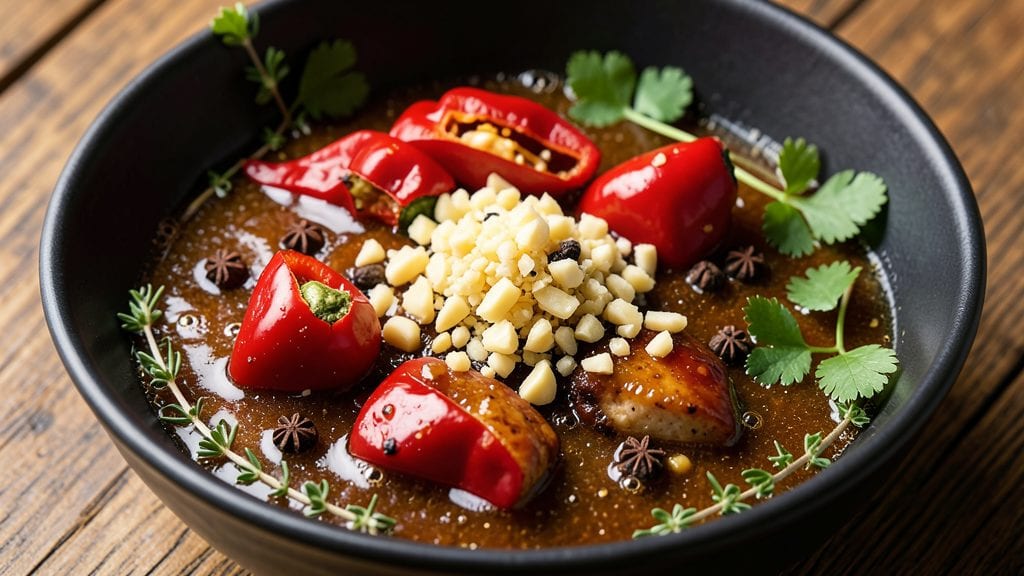
This traditional jerk chicken marinade recipe delivers the fiery, aromatic punch that makes Jamaican flavors unforgettable. The blend of allspice, Scotch bonnet peppers, and citrus creates a marinade that transforms ordinary chicken into something deeply flavorful and irresistibly bold.
I've perfected this marinade over years of testing, ensuring every bite carries that signature Jamaican heat and complexity.
The beauty of this marinade lies in its balance—enough heat to excite the palate, but with sweet and tangy notes from pineapple juice and brown sugar that round out the flavor.
It's designed to penetrate deeply, so you get tender, juicy chicken with a crust that's as flavorful as it is crispy. The marinating process itself is simple: just combine the ingredients, let the chicken soak for at least 4 hours (overnight is even better), and you're ready to cook.
What makes this marinade truly special is its versatility—it works equally well for grilling, roasting, or even slow-cooking. The spices and aromatics infuse the chicken so thoroughly that every bite delivers that signature Jamaican kick.
Whether you're preparing for a festive gathering or a weeknight dinner, this marinade ensures your chicken will be the star of the meal.
Store any leftover marinade in an airtight container in the refrigerator for up to 5 days, or freeze it for longer storage. The flavors only deepen over time, making it perfect for batch cooking or gifting to fellow food enthusiasts.
Let's get started on creating this bold, traditional marinade that will elevate your jerk chicken to new heights.
Ingredients for traditional jerk chicken marinade
Nine bold ingredients for Jamaican fire that transforms chicken into unforgettable flavor.
| Ingredient | Amount | Notes |
|---|---|---|
| Fresh Scotch Bonnet Peppers 🌶️ | 2 whole | Seeds removed for less heat |
| Allspice Berries 🌿 | 2 tbsp | Ground or whole, toasted |
| Fresh Garlic Cloves 🧄 | 6 cloves | Peeled, roughly chopped |
| Fresh Ginger Root 🌿 | 2 tbsp | Grated, fresh preferred |
| Brown Sugar 🍯 | ¼ cup | Light or dark variety |
| Pineapple Juice 🍍 | ½ cup | Fresh or canned, no sugar added |
| Lime Juice 🍋 | ¼ cup | Freshly squeezed |
| Thyme Leaves 🌿 | 1 tbsp | Fresh, stems removed |
| Scallions 🧅 | 2 whole | White and green parts |
| Salt 🧂 | 1 ½ tsp | Kosher or sea salt |
| Black Peppercorns 🌶️ | 1 tsp | Freshly cracked |
| Cinnamon Stick 🌿 | 1 whole | Optional, for depth |
The Scotch bonnet peppers are the heart of this marinade—look for bright red, firm ones at Latin markets or specialty stores. Whole Foods or Trader Joe's often carry them in the frozen section if fresh isn't available. Allspice berries should smell warm and aromatic; Penzeys or bulk bins at natural food stores are great sources. Toast the whole berries in a dry pan for 30 seconds before grinding to deepen their flavor. The ginger and garlic? Fresh is non-negotiable—dried versions just don't cut it here. I always double-check my ginger root for any fuzzy spots, which means it's past its prime.
No Scotch bonnet? Habanero peppers work in a pinch, but reduce the seeds to control heat. Short on allspice? Nutmeg plus cloves at half the amount mimics the warmth. Pineapple juice can be swapped for orange juice plus a splash of vinegar if you're out, but the tang matters. Fresh thyme is ideal, but dried at one-third the amount works if that's what you've got. The scallions can be subbed with green onions, but white parts only if you want milder flavor. For extra depth, add a dash of smoked paprika—it bridges the gap between sweet and smoky.
This marinade keeps beautifully—5 days in the fridge or 3 months frozen. I always make a double batch because the leftovers are perfect for brining or basting. Store it in a glass jar with a tight seal—the flavors only get better over time. If you're prepping ahead, freeze it in ice cube trays for easy portioning. The marinade thickens when chilled, so give it a stir before using. Trust me, the first time you pull this out after freezing, you'll be amazed at how rich and complex it tastes.
Why You'll Love This Recipe
- No Blender Needed: I’ll be real—this marinade only needs a knife and a bowl. Mince the garlic, grate the ginger, and crush those allspice berries with the flat side of your knife. No fancy gadgets, no wasted time. The Scotch bonnet’s heat mellows into the chicken overnight, so you’re basically setting it and forgetting it.
- Sweet-Spicy Magic: That brown sugar isn’t just for sweetness—it caramelizes into a sticky, smoky crust while the allspice and Scotch bonnet create this perfect balance of fire and warmth. The ginger adds a bright zing that cuts through the richness, and honestly? It’s the kind of flavor that makes you want to lick the bowl.
- Budget Boost: Scotch bonnet peppers and allspice berries might sound fancy, but they stretch this marinade far. A single batch covers two chickens, and the spices last for months. Plus, brown sugar and ginger are pantry staples, so you’re not breaking the bank for something this flavor-packed.
Step-by-step instructions for traditional jerk chicken marinade
Here's how to blend authentic Jamaican flavors into a marinade that transforms ordinary chicken into something extraordinary.
Prepare the Base Ingredients
Start by removing seeds from the 2 whole fresh scotch bonnet peppers—this reduces the heat while keeping the smoky depth. Finely chop them, then transfer to a blender or food processor. Add the 6 cloves fresh garlic cloves and 2 tablespoons fresh ginger root, both peeled and roughly chopped. The sharpness of the garlic and ginger will balance the pepper's intensity perfectly.
I like to toast the 2 tablespoons allspice berries in a dry skillet over medium heat for about 1 minute until fragrant. Let them cool completely before adding to the blender. This step deepens their aromatic qualities, making them the backbone of the jerk flavor. The cinnamon stick can go in whole for subtle warmth or be crushed slightly for more pronounced flavor.
Blend the Wet Ingredients
Pour in the 0.5 cup pineapple juice and 0.25 cup lime juice into the blender with the prepared ingredients. The acidity from the lime brightens everything while the pineapple juice adds natural sweetness that balances the heat. Add the 1 tablespoon thyme leaves and 2 whole scallions, chopped, for fresh herbal notes.
Blend until completely smooth, scraping down the sides as needed. The marinade should be vibrant orange-red with a thick, paste-like consistency. If it's too thick, add 1-2 tablespoons of water to help it coat the chicken evenly later. Here's where it gets fun—taste and adjust seasoning with the 1.5 teaspoons salt and 1 teaspoon black peppercorns, freshly cracked.
Incorporate the Sweet and Spice Elements
Transfer the blended mixture to a mixing bowl and stir in the 0.25 cup brown sugar. This isn't just for sweetness—it helps caramelize during cooking, creating that signature jerk crust. I always use light brown sugar for a slightly molasses-like depth, but dark works too if you prefer richer flavor.
Give everything a thorough stir until the brown sugar dissolves completely. The marinade should now have a perfect balance of sweet, spicy, tangy, and aromatic notes. Let it sit at room temperature for 15 minutes before using—this allows the flavors to meld together more completely.
Marinate the Chicken Properly
Place your chicken pieces in a resealable plastic bag or shallow dish. Pour the prepared marinade over the chicken, ensuring every piece is well-coated. For best results, I recommend marinating for at least 4 hours, or even overnight in the refrigerator. The acidity in the pineapple and lime will begin breaking down the proteins, making the chicken incredibly tender.
Real talk: Don't skip the marinating time. The longer it sits, the deeper the flavors penetrate. When ready to cook, remove the chicken from the marinade and let it sit at room temperature for 15 minutes before grilling or roasting. This ensures even cooking and prevents cold spots in the center.
Pro Tips For Making Traditional Jerk Chicken Marinade
- BLEND ALLSPICE FIRST: Toss the whole allspice berries into the blender before adding anything else—this cracks them open and releases their oil right into the marinade. I used to add them after blending and wondered why my jerk chicken never had that deep, earthy punch. (Yes, even if your blender sounds like a chainsaw.)
- STEAM THE SCOTCH BONNET: Drop the whole pepper into boiling water for 30 seconds first—this softens the flesh so it blends smoothly without turning your marinade into a chunky, searing mess. I learned this the hard way after straining out three batches of fibrous pepper pulp. (And no, you can’t just chop it fine—trust me.)
- USE COLD GINGER: Grate the ginger straight from the fridge—cold ginger blends finer and adds brightness without bitterness. Room-temperature ginger turns to mush and muddies the flavor. (I know, it’s weird to reach for the ice bucket, but your marinade will thank you.)
- MARINATE 12 HOURS MINIMUM: Don’t rush it—jerk chicken needs time for the Scotch bonnet’s heat and the allspice’s warmth to meld into the meat. I’ve tried 4-hour marinades, and they’re just close. Twelve hours (or overnight) guarantees the flavors soak in evenly. (Pro move: Vacuum-seal the bag if you’re lazy about flipping the chicken.)
Essential equipment for great traditional jerk chicken marinade
Blender Essentials
A high-quality blender is your best friend for this marinade—I swear by the Ninja BL610 for its powerful motor and sharp blades. The ability to blend ingredients smoothly is critical, especially when you need that thick, paste-like consistency.
If you're using a food processor instead, opt for the Cuisinart DLC-2BC—it handles tough ingredients like ginger and garlic with ease. For the best results, avoid cheap blenders that struggle with fibrous ingredients like scallions or thyme stems. 💡
Measuring Tools
Precision matters with spices and liquids in jerk marinade. I use a stainless steel measuring spoons set from OXO Good Grips for accuracy with allspice and peppercorns.
For wet ingredients, a liquid measuring cup with clear markings ensures you get the exact 0.5 cup pineapple juice and 0.25 cup lime juice needed. A digital kitchen scale comes in handy when measuring brown sugar for consistency—120 grams equals about 0.25 cup packed.
Every gram counts when balancing sweetness and heat.
Spice Grinder
Freshly ground spices make all the difference in jerk marinade. I recommend the Spiceworks electric pepper and spice grinder for allspice berries and black peppercorns. The coarse setting works best for allspice, while the fine setting perfects the peppercorns.
If you prefer manual grinding, the Mortar & Pestle Set from Le Creuset delivers that authentic, rustic texture. Never use pre-ground spices—they lose potency quickly and lack the aromatic depth this marinade demands. 🌿
Mixing Bowls
After blending, you'll need a large mixing bowl for combining ingredients. I prefer glass bowls from Pyrex because they're non-reactive and easy to clean. The 5-quart size gives me plenty of room to stir in the brown sugar without splashing.
For smaller batches, a 3-quart stainless steel bowl works perfectly. The material choice matters—glass preserves flavors better than plastic, which can absorb odors over time. Store your marinade in the same bowl for consistency.
Marinating Containers
For marinating chicken, I use resealable plastic bags from Hefty—they're affordable and allow even coating. For larger pieces or whole chickens, a glass baking dish with a lid works better. The key is ensuring the marinade fully coats the chicken.
If using bags, squeeze out excess air before sealing to prevent leaks. For overnight marinating, I recommend glass containers with tight lids to preserve freshness and prevent odors from transferring in the fridge. 🥬
Optional Tools
While not essential, a fine-mesh strainer helps remove any fibrous bits if you prefer a smoother marinade. I also keep a small whisk handy for stirring the brown sugar into the blended mixture. For heat control with Scotch bonnet peppers, a pair of kitchen shears makes seed removal easier.
If you're making this marinade frequently, consider a small food mill—it's perfect for breaking down ginger and garlic while keeping the texture smooth. These extras elevate the process but aren't mandatory for great results.
Nutrition facts
Frequently asked questions
Can I use habanero peppers instead of Scotch bonnet?
Yes, but adjust carefully! Habaneros are hotter, so use 1 whole habanero with seeds removed for similar heat levels. For milder heat, reduce to half a habanero. The flavor profile will be slightly different—habaneros have a fruity brightness while Scotch bonnet offers deeper smokiness. Always taste before marinating to balance the heat.
How long can I marinate chicken in this blend?
For best results, marinate for 4-12 hours in the fridge. The acidity in pineapple and lime tenderizes the meat, but don't exceed 24 hours—longer marinating can make the chicken mushy. If using bone-in pieces, 8-12 hours is ideal for even flavor penetration. Always remove chicken from marinade before cooking.
What if I don't have allspice berries?
Make a substitute with 1 teaspoon ground allspice (1/2 tsp nutmeg + 1/2 tsp cloves) or 1/4 teaspoon cinnamon + 1/4 teaspoon cloves. Toast the spices briefly in a dry pan first to enhance their aroma. The flavor won't be identical, but it'll still deliver that warm, spiced depth characteristic of jerk seasoning.
Can I use this marinade for other meats?
This marinade works beautifully with pork (especially ribs), beef (like flank steak), and even firm tofu. For seafood, reduce marinating time to 1-2 hours maximum—acidic marinades can "cook" delicate proteins. The heat level may be too intense for some, so adjust Scotch bonnet quantity accordingly.
Why does my marinade smell stronger than expected?
That's normal! The combination of Scotch bonnet, allspice, and ginger creates intense aromatics. Let the marinade sit at room temperature for 15 minutes before using—this allows flavors to meld and reduces the "raw" smell. If it's still overwhelming, add 1 extra tablespoon of lime juice to brighten the profile. The smell fades significantly during cooking.