
Main Courses
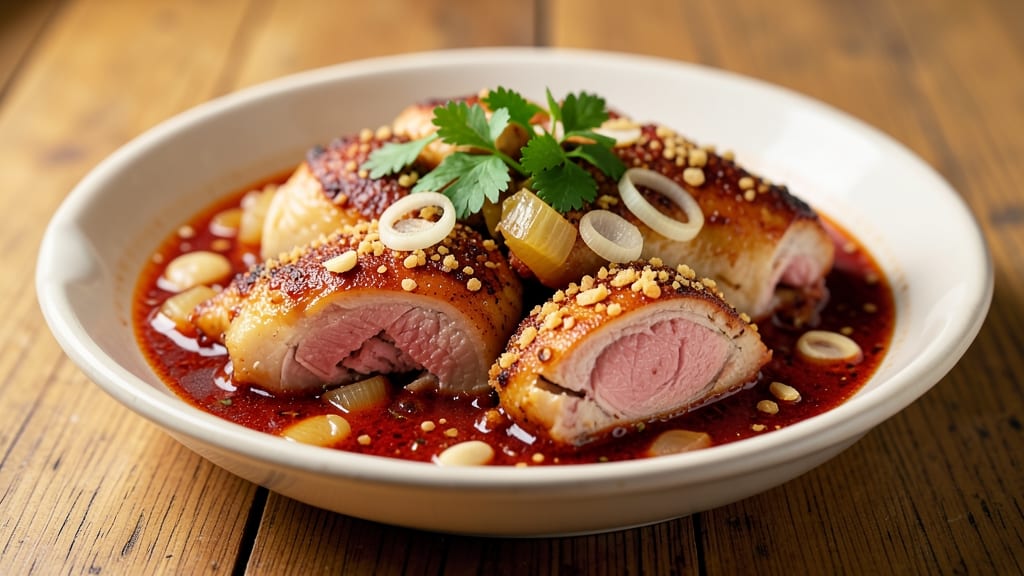
This traditional Hungarian chicken paprikash recipe brings the heart of Budapest to your kitchen with its rich, smoky depth and velvety sour cream finish. 🌟 I first tasted it during a trip to a Budapest family-run restaurant, where the aroma alone made my mouth water—now I recreate that same comforting warmth at home.
The secret lies in slow-cooked chicken bathed in a paprika-infused sauce that develops layers of flavor over time.
What makes this dish truly special is the balance between sweet and smoky paprika, onions caramelized to golden perfection, and the cooling touch of sour cream.
Unlike many modern versions, this recipe stays true to Hungarian tradition while using accessible ingredients like chicken thighs, onions, and a simple roux to thicken the sauce naturally. The result is a dish that feels both rustic and refined—perfect for family dinners or special occasions.
By the time you serve this, your kitchen will smell like home, and every bite will deliver tender chicken swimming in a sauce that's perfectly balanced—smoky yet sweet, rich yet creamy.
The dish pairs beautifully with egg noodles, crusty bread, or even buttered dumplings to soak up every last drop of that flavorful sauce. This is comfort food at its finest, and it's easier to make than you might think.
Here's where the magic happens: the slow simmering process transforms simple ingredients into something extraordinary. Whether you're cooking for a crowd or just treating yourself, this recipe delivers restaurant-quality results with minimal effort. Let's get started on creating your own Hungarian masterpiece.
Ingredients for traditional hungarian chicken paprikash
Pantry staples meet Hungarian tradition for this rich, comforting chicken dish.
| Ingredient | Amount | Notes |
|---|---|---|
| Chicken Thighs 🍗 | 1 ½ lb | Bone-in, skin-on preferred |
| Sweet Hungarian Paprika 🌶️ | 2 tbsp | Essential for authentic flavor |
| Smoked Paprika 🌶️ | 1 tbsp | Adds depth to the sauce |
| Yellow Onions 🧅 | 2 whole | Thinly sliced for caramelization |
| Garlic Cloves 🧄 | 4 cloves | Minced for aromatic base |
| All-Purpose Flour 🌾 | ¼ cup | For making the roux |
| Unsalted Butter 🧈 | ½ cup | Full-fat for richness |
| Chicken Broth 💧 | 2 cups | Homemade or quality low-sodium |
| Sour Cream 🥛 | ½ cup | Full-fat for best texture |
| Tomatoes 🍅 | 1 can | Crushed or diced, San Marzano preferred |
| Bay Leaves 🍃 | 2 whole | Fresh for best flavor |
| Salt 🧂 | 1 ½ tsp | Adjust to taste |
| Ground Black Pepper 🌶️ | ½ tsp | Freshly ground preferred |
| Sugar 🍚 | 1 tsp | Balances acidity |
| Fresh Parsley 🌿 | ¼ cup | Chopped for garnish |
The paprika is non-negotiable here—Hungarian sweet and smoked are the gold standard. Penzeys or local Hungarian markets carry the best, but regular grocery stores often stock them too. Look for vibrant color and no clumping. The chicken thighs? Bone-in, skin-on stays juiciest, but boneless works in a pinch. I always grab extra paprika since it's the heart of this dish—Costco or bulk bins are great for saving money. Fresh bay leaves add depth, but dried works at half the amount if you're in a hurry. The onions? Sweet yellows caramelize best—skip the reds for this recipe.
No Hungarian paprika? Sweet paprika plus a pinch of smoked gets you close, but it won't be authentic. Short on sour cream? Greek yogurt thinned with broth works surprisingly well. The tomatoes can be fresh if you're feeling fancy—Roma or vine-ripened hold up best when simmered. Butter too expensive? Olive oil works fine, though it changes the flavor slightly. The flour is just for thickening—all-purpose is perfect, but cornstarch would work too if you're gluten-free. Fresh herbs make all the difference, but dried basil at half the amount gets you through in a pinch.
This sauce tastes even better the next day—make extra for lunches. Store leftovers in the fridge for 4-5 days or freeze for 3 months. I always portion mine into containers with a splash of broth to keep it moist. The paprika loses potency over time, so keep it in a cool, dark place and use within 6 months of opening. The chicken reheats beautifully—just warm through gently on the stove with a splash of broth to loosen the sauce.
Why You'll Love This Recipe
- One-Pot Magic: I swear by this recipe when I’m too tired to scrub a million dishes—just brown the chicken, toss in the onions and garlic, then let that paprika do its thing. The sauce thickens right in the pot, and honestly? I’ve never met a cleaner kitchen after making it.
- Smoky-Sweet Obsession: That mix of sweet and smoked paprika? It’s like a flavor hug. The onions caramelize until they’re sticky and rich, while the garlic adds this deep, savory punch. My husband still steals bites straight from the pan—no shame.
- Weeknight to Dinner Party: Same recipe, totally different vibes. Serve it with crusty bread for a lazy Tuesday, or pair it with dumplings and sour cream for a Sunday feast. Between us, it’s the one dish I always make when friends drop by unexpectedly.
Step-by-step instructions for traditional Hungarian chicken paprikash
Here's how to make this classic dish—rich, smoky, and perfectly balanced every time.
🍳 Step 1: Sear the Chicken Thighs Until Golden
Pat the 1.5 lb chicken thighs dry with paper towels—this ensures a crispy skin. Heat a large Dutch oven over medium-high heat and add 0.5 cup unsalted butter. Once the butter foams, add the chicken thighs skin-side down and let them sear undisturbed for 5-6 minutes until golden brown.
Flip the thighs and cook another 4-5 minutes until they reach an internal temperature of 165°F. Remove them from the pot and set aside. Don't skip this step—searing builds deep flavor and prevents dry chicken. The butter will render out and create a rich base for your sauce.
👨🍳 Step 2: Build the Paprika Base
In the same Dutch oven, reduce heat to medium and add 2 whole yellow onions, sliced into thin half-moons. Cook for 8-10 minutes until soft and golden, stirring occasionally. Add the 4 cloves garlic cloves, minced, and cook for 30 seconds until fragrant—don't let it burn.
Here's where the magic happens: stir in 2 tbsp sweet Hungarian paprika and 1 tbsp smoked paprika. Cook for 1 minute until the spices bloom and fill your kitchen with that unmistakable paprika aroma. This step develops the deep, smoky flavor that defines authentic paprikash.
🥘 Step 3: Create the Roux and Add Tomatoes
Sprinkle 0.25 cup all-purpose flour over the paprika mixture and stir vigorously for 1-2 minutes to cook off the raw flour taste. This creates a light roux that thickens the sauce. Pour in 1 can tomatoes (crushed or diced) and stir well to combine.
Add 2 cups chicken broth, 2 whole bay leaves, 1.5 tsp salt, 0.5 tsp ground black pepper, and 1 tsp sugar. Bring to a gentle simmer, then reduce heat to low and let it cook uncovered for 15 minutes, stirring occasionally. This step develops the sauce's depth and balances the acidity from the tomatoes.
⏰ Step 4: Finish with Sour Cream and Rest
Return the chicken thighs to the pot, skin-side up. Stir in 0.5 cup sour cream and simmer gently for 5-7 minutes until the chicken is fully cooked through and the sauce has thickened slightly. The sour cream should melt smoothly into the sauce, creating that signature creamy texture.
Remove from heat and let the paprikash rest for 5 minutes before serving. This resting period allows the flavors to meld completely. Garnish with 0.25 cup fresh parsley, chopped, just before serving to keep it vibrant and fresh.
Pro Tips For Making Traditional Hungarian Chicken Paprikash
- Brown the Onions Slowly: This isn’t a sear—it’s a slow caramelization. Cook the onions on medium-low heat for 15-20 minutes until they’re deep golden, almost jammy. I used to rush this, and the paprikash always tasted flat. Patience here builds the base flavor.
- Bloom the Paprika: Toast the paprika (both sweet and smoked) in the pot for 30 seconds after the onions—just until you smell that earthy aroma. This wakes up the flavors and cuts through the richness of the chicken fat. Skip this, and you’re missing the soul of the dish.
- Deglaze with Sour Cream Late: Wait until the very end to stir in the sour cream—after the sauce has thickened and the chicken is cooked through. Adding it too early can turn your sauce thin and watery. A splash of broth first helps emulsify it properly.
- Use Bone-In Thighs: Bone-in, skin-on thighs stay juicier and render their own fat, which self-bastes the chicken. Skip the boneless version—it’s harder to overcook, and the flavor is richer. If you’re set on boneless, add an extra 5 minutes to the simmer time.
Troubleshooting this recipe
Paprika Burn Prevention
If your paprikash tastes bitter or overly spicy, you likely overcooked the paprika. The key is to stir in the spices immediately after the onions caramelize and cook them for only 1 minute—no longer! This prevents the paprika from turning bitter.
If it does happen, add 1-2 tbsp tomato paste or a pinch of sugar to balance the flavor. I once ruined a batch by letting the paprika sit too long—now I set a timer! 🌶️
Sauce Too Thin?
A watery sauce usually means the roux didn’t cook long enough or the broth reduced too much. For a quick fix, mix 1 tbsp cornstarch with 2 tbsp cold water, stir it into the sauce, and simmer for 2-3 minutes until thickened.
If the sauce is just slightly thin, let it reduce uncovered on low heat for 10-15 minutes—patience is key here. I’ve also had success adding 1-2 tbsp sour cream at the end to add body without over-thickening.
Chicken Too Dry
Overcooking is the #1 cause of dry chicken in paprikash. Once the chicken reaches 165°F internal temperature, remove it from the pot immediately and let it rest. If it’s still dry after simmering, try poaching the chicken in broth for 10 minutes before adding it to the paprika sauce.
For future batches, bone-in, skin-on thighs stay juicier—never skip this if you can find them! I learned this lesson the hard way after serving dry chicken to my family. 🍗
Lumpy Roux?
Lumps in your sauce mean the flour didn’t dissolve properly. Whisk your 0.25 cup flour into a smooth paste with 2 tbsp cold water before adding it to the pot. Stir vigorously for 2-3 minutes to ensure a smooth roux.
If lumps still appear, strain the sauce through a fine-mesh sieve before serving. Pro tip: Use a hand mixer for 30 seconds to break up any remaining lumps—this trick saves me every time! 🥄
Sour Cream Curdling
Adding sour cream too early or at high heat causes curdling. Always stir it in off the heat or on the lowest possible setting and simmer gently for no more than 5 minutes. If it curdles, whisk in 1 tbsp cold water to smooth it out.
For extra insurance, mix the sour cream with 2 tbsp cold broth before adding it to the pot. I once had a batch separate like cottage cheese—now I add it last and keep the heat minimal! 🥛
Onions Burning
Burnt onions turn the sauce bitter and ruin the dish. Keep the heat at medium and stir frequently—every 2-3 minutes—while caramelizing. If they start to brown too quickly, reduce the heat slightly.
For extra safety, cook the onions in two batches if needed. I’ve had to start over because of burnt onions, so I now watch them like a hawk! 🧅
Nutrition facts
Frequently asked questions
What makes Hungarian paprikash different from other chicken stews?
The magic lies in the paprika blend—Hungarian sweet and smoked varieties create that signature smoky-sweet flavor. Unlike other stews, it uses a roux-based sauce thickened with sour cream for a velvety finish, plus caramelized onions as the flavor foundation. The slow simmer develops deep, complex layers that no other dish quite matches.
Can I substitute bone-in chicken thighs with breasts?
Breasts work, but they're more prone to drying out. If using them, poach in broth for 10 minutes first to keep them moist, then proceed with the recipe. For best results, stick with thighs—they stay juicy during the long simmer. If you must use breasts, reduce cooking time by 10-15 minutes after returning them to the pot.
How do I adjust the spice level for kids or sensitive eaters?
Start with just 1 tbsp sweet paprika (no smoked) and reduce the cooking time to 30 seconds after adding it. For extra mildness, stir in 1 extra tbsp tomato paste or 1 tsp sugar to balance any lingering heat. The sour cream also helps temper the spice—just add it earlier (after 10 minutes of simmering) to mellow the flavors.
What's the best way to serve this dish traditionally?
Authentic Hungarian versions pair with nokedli (Hungarian egg noodles) or potato dumplings, which soak up the sauce beautifully. Serve with a side of crusty bread or buttered rye for dipping. For a complete meal, add a simple green salad with apple cider vinegar dressing to cut through the richness. Leftovers taste even better the next day!
Can I make this in a slow cooker?
Yes! Sear the chicken first, then transfer everything to the slow cooker. Cook on low for 6-7 hours or high for 3-4 hours. Add the sour cream only in the last 30 minutes to prevent curdling. The slow cooker version is perfect for hands-off cooking—just stir occasionally to prevent sticking.