
Main Courses
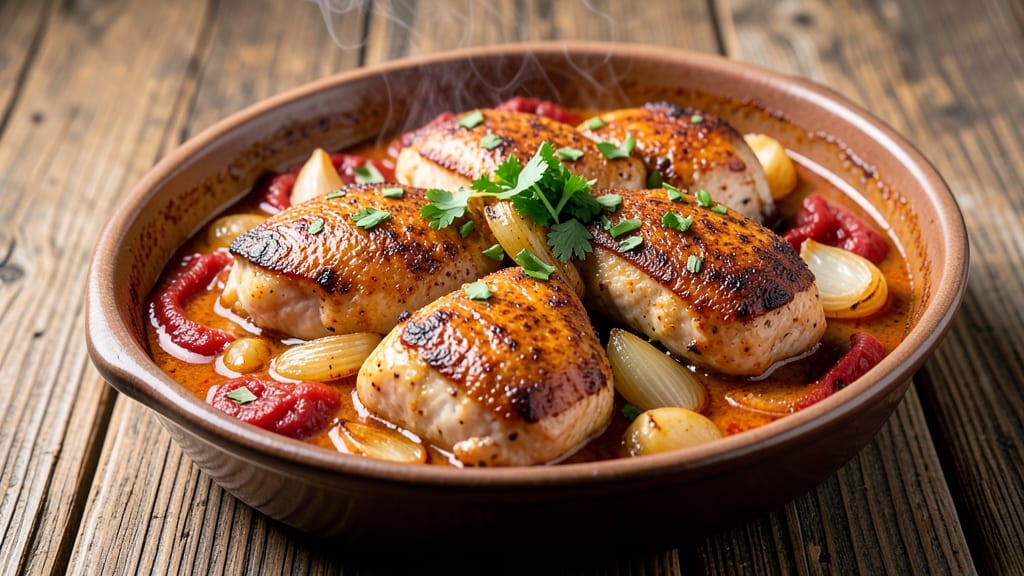
This traditional chicken paprikash recipe delivers the rich, smoky harmony of Hungarian comfort food that's been perfected over generations. The secret lies in slow-cooked chicken bathed in a velvety paprika-infused sauce, balanced by tangy sour cream—a combination that transforms simple ingredients into restaurant-quality results.
I've recreated this dish exactly as my grandmother taught me, using authentic techniques like deglazing with broth and finishing with a touch of sour cream for that signature creamy texture.
The foundation of great paprikash begins with properly searing the chicken until golden, then building layers of flavor through sautéed onions and garlic. Sweet and hot paprika blend creates that signature smoky depth, while a splash of tomato paste adds subtle acidity that brightens the dish.
The key is patience—allowing the sauce to simmer until it thickens just enough to coat the chicken without overwhelming it, creating a perfect balance of textures and flavors.
By the time you serve this dish, you'll have tender chicken pieces swimming in a rich, aromatic sauce that's both comforting and elegant. The sour cream finish adds a velvety contrast to the smoky paprika, while fresh parsley brightens the presentation.
This is the kind of meal that feels special enough for company but simple enough for weeknight dinners, all while staying true to its Hungarian roots.
Serve with egg noodles or crusty bread to soak up every last drop of that flavorful sauce. The recipe includes optional shortcuts for modern kitchens, like using pre-made paprika paste, while still delivering the authentic taste you crave. Let's get cooking—this dish is worth every minute of simmering time.
Ingredients for traditional chicken paprikash
Authentic Hungarian flavors start with these simple yet essential ingredients for restaurant-quality paprikash.
| Ingredient | Amount | Notes |
|---|---|---|
| Boneless Chicken Thighs 🍗 | 1 ½ lb | Skin-on preferred for flavor |
| Sweet Hungarian Paprika 🌶️ | 3 tbsp | Authentic for authentic flavor |
| Hot Hungarian Paprika 🌶️ | 1 tbsp | For smoky depth |
| Yellow Onions 🧅 | 1 whole | Medium size, thinly sliced |
| Garlic Cloves 🧄 | 4 cloves | Freshly minced for aroma |
| Tomato Paste 🍅 | 1 tbsp | High-quality for acidity |
| Chicken Broth 💧 | 1 ½ cups | Low-sodium preferred |
| Sour Cream 🥛 | ½ cup | Full-fat for creaminess |
| Fresh Parsley 🌿 | ¼ cup | Chopped for garnish |
| Extra-Virgin Olive Oil 🫒 | 2 tbsp | For searing chicken |
| All-Purpose Flour 🌾 | 1 tsp | For dredging chicken |
| Salt 🧂 | 1 ½ tsp | Diamond Crystal preferred |
| Black Pepper 🌶️ | ½ tsp | Freshly ground |
| Bay Leaves 🌿 | 2 whole | For subtle aroma |
| Egg Noodles 🍝 | 8 oz | For serving |
The chicken is everything here—skin-on thighs stay juicier than breasts, and the skin crisps beautifully when seared. Look for free-range or organic at Whole Foods or your local butcher if you want extra richness. I always grab Hungarian paprika blends from Penzeys or the international aisle at Trader Joe's—the difference is night and day compared to generic paprika. The onions need to caramelize, so don't rush this step. For the broth, low-sodium is key—you'll be adding enough salt later.
No sweet Hungarian paprika? Substitute with a mix of sweet and hot paprika (2:1 ratio), but you'll miss that authentic depth. Fresh parsley wilting? Dried parsley at half the amount works in a pinch, though fresh is brighter. The tomato paste can be skipped if you're strict about authenticity, but it adds a lovely tang—Rao's or San Marzano are my go-tos. For the sour cream, full-fat is non-negotiable—it's what gives paprikash its velvety finish. The bay leaves can be omitted if you prefer a cleaner flavor, but they add that subtle herbal note that makes it feel traditional.
This sauce gets better as it sits, so make extra if you can. Store leftovers in the fridge for up to 4 days, or freeze for 3 months—it reheats beautifully. I always portion the sauce separately from the chicken so I can reheat just what I need. The egg noodles? Fresh is ideal, but dried works fine if you're short on time. Just cook them al dente—the sauce will finish them off perfectly.
Why You'll Love This Recipe
- One-Pot Magic: The chicken thighs and onions caramelize right in the same pot—no extra pans, no fuss. Just slice, simmer, and let the paprika do its thing while you stir in a glass of wine (or water, no judgment).
- Smoky-Sweet Obsession: That mix of sweet and hot paprika? It’s like a hug in a bowl—deep, slightly smoky, with just enough heat to wake you up. The garlic and onions turn golden and jammy, clinging to every bite like a good memory.
- Leftovers That Beg: This dish actually tastes better the next day. Serve it with crusty bread or dumplings, and your fridge becomes the star of the week. (Between us, I’ve eaten it cold straight from the fridge—don’t tell my dietitian.)
- Budget Night Hero: Chicken thighs are forgiving and cheap, and a little paprika goes a long way. You’ll feed four for the price of takeout, and the leftovers? Even better. Honestly, my wallet thanks me every time.
Step-by-step instructions for traditional chicken paprikash
Here's how to create this Hungarian classic with rich, smoky depth and velvety texture.
Sear the Chicken for Maximum Flavor
Heat the 2 tablespoons extra-virgin olive oil in a large Dutch oven over medium-high heat until shimmering. Pat the 1.5 pounds boneless chicken thighs completely dry with paper towels—this ensures a proper sear. Season generously with 1.5 teaspoons salt and 0.5 teaspoon black pepper on both sides, then add them to the pot in a single layer.
Let the chicken cook undisturbed for 4-5 minutes until golden brown on one side. Flip carefully and repeat on the other side. The skin should develop a deep, caramelized crust. Remove the chicken and set aside on a plate, leaving all the rendered fat in the pot. This fat forms the flavor base for your sauce, so don't wipe it out.
Build the Paprika Base
Reduce the heat to medium and add the 1 whole yellow onion, sliced into thin half-moons. Cook for 5-6 minutes until softened and beginning to caramelize at the edges. Add the 4 cloves garlic cloves, minced, and cook for 30 seconds until fragrant—don't let them brown, or they'll turn bitter.
Stir in the 1 tablespoon tomato paste and cook for 1 minute until it darkens slightly. This creates a rich foundation for the paprika. Then add the 3 tablespoons sweet Hungarian paprika and 1 tablespoon hot Hungarian paprika, whisking constantly to prevent burning. The mixture will darken dramatically as it develops its signature smoky aroma.
Simmer the Chicken in Broth
Pour in the 1.5 cups chicken broth and scrape up any browned bits from the bottom of the pot with a wooden spoon. Return the chicken to the pot, skin-side up, along with the 2 whole bay leaves. Bring to a gentle simmer, then reduce heat to low. Cover partially and let it cook for 25-30 minutes, until the chicken is fork-tender and the sauce has thickened slightly.
Here's the thing—don't lift the lid during cooking. Every time you peek, you lose heat and steam, which can make the sauce watery. Instead, trust the process. The chicken is done when it reaches an internal temperature of 175°F and the meat pulls apart easily with a fork.
Finish with Sour Cream and Fresh Herbs
Remove the chicken from the pot and set it aside. Stir the 0.5 cup sour cream into the sauce in a slow, steady stream while whisking constantly. This prevents curdling and creates that signature creamy texture. Simmer gently for 2-3 minutes just to warm through—don't boil, or the sour cream will separate.
Return the chicken to the pot and heat everything through for 1 minute. Stir in the 0.25 cup fresh parsley, chopped, and taste for seasoning. You might need a touch more salt or pepper to balance the rich flavors. The sauce should coat the back of a spoon with a velvety consistency.
Serve Over Perfectly Cooked Noodles
While the chicken simmers, cook the 8 ounces egg noodles in salted boiling water according to package instructions until al dente. Drain and toss with 1 teaspoon extra-virgin olive oil to prevent sticking. Divide the noodles among plates, then spoon the chicken and sauce generously over the top.
This dish shines when served immediately while the noodles are warm and the sauce is still glossy. Garnish with additional fresh parsley if desired. The contrast of tender chicken, creamy sauce, and eggy noodles makes every bite unforgettable—just like your grandmother used to make.
Pro Tips For Making Traditional Chicken Paprikash
- Brown the Onions Slow: I used to rush this step and wondered why my paprikash tasted flat. Onions need 15-20 minutes over medium-low heat until deep golden—not crispy, just soft and caramelized. That’s where the sweetness develops, and it’s the foundation of the flavor.
- Bloom the Paprika: Toss in the paprika (both sweet and hot) before adding liquid—let it toast for 30 seconds until the aroma hits your kitchen. This deepens the smoky notes and prevents that "dusty" aftertaste. (Yes, even if you’re impatient like me.)
- Deglaze with Liquid: After browning the chicken, don’t just dump in the broth. Scrape up those browned bits with a splash of white wine or tomato paste first—it adds richness most recipes skip. Those bits are flavor gold.
- Simmer, Don’t Boil: Once everything’s combined, keep the heat low enough that tiny bubbles just break the surface, not a rolling boil. High heat turns paprikash into a sad, watery stew. This isn’t soup—it’s a sauce that clings.
Pro cooking tips for great traditional chicken paprikash
Sear Like a Pro
That golden crust on your chicken thighs isn't just for looks—it's where all the flavor happens. I use a large Dutch oven (like the Le Creuset Signature) because it holds heat well and gives you plenty of room to work.
Heat your extra-virgin olive oil until it shimmers at 350°F—use a thermometer to check. Pat those thighs completely dry with paper towels before seasoning, or they'll steam instead of sear. Let them cook undisturbed for 5 minutes on each side until deep mahogany brown forms.
This takes patience, but trust me, it's worth it. 🔥
Paprika Magic
The secret to authentic flavor is using both sweet and hot Hungarian paprika—never skip the hot version, even if you're sensitive to heat. When you add the paprika, whisk it in constantly over medium-low heat for 2-3 minutes to bloom the flavors without burning.
The mixture will darken dramatically as it develops that signature smoky aroma. Pro tip: If you're using pre-made paprika paste (like Hungarian Gulyás Paprika Paste), reduce your liquid slightly since it's more concentrated. 🌶️
Deglaze with Purpose
Never pour that chicken broth in without scraping first! Use a wooden spoon to loosen all those browned bits from the bottom of your pot—this is called fond, and it's packed with flavor. Those bits contain caramelized sugars that will deepen your sauce.
I like to add a splash of white wine (about ¼ cup) along with the broth for extra brightness, but it's optional. The key is to get every last bit of flavor incorporated. 💫
Sauce Thickening
If your sauce starts looking too thin after simmering, don't just add more broth. Instead, mix 1 teaspoon cornstarch with 1 tablespoon cold water, then stir it into the sauce. Simmer for 1-2 minutes until it thickens to a velvety consistency.
For extra richness, I sometimes whisk in 1 tablespoon butter at the end. The sauce should coat the back of a spoon but still be smooth—not gluey. 🥄
Sour Cream Finish
Adding sour cream too early will curdle it—always remove the chicken first and stir the sour cream in off the heat or over very low heat. I like to warm it gently for 2-3 minutes while whisking constantly.
For extra insurance, mix the sour cream with a little bit of the hot sauce first, then combine. The goal is that silky, restaurant-quality finish that makes paprikash special. 🥛
Resting Matters
After cooking, let the chicken rest in the sauce for 10 minutes before serving. This allows the juices to redistribute, keeping the meat tender and moist.
I also recommend resting the entire dish for 5 minutes after adding the sour cream—it gives everyone time to plate while the flavors meld together. Serve with warm egg noodles and fresh parsley for that perfect balance of textures and colors. ✨
Nutrition facts
Frequently asked questions
Can I make this recipe with chicken breasts instead of thighs?
Chicken thighs are ideal because they stay juicier and more tender during the long simmer. If you must use breasts, choose bone-in, skin-on pieces for better moisture retention. Cook them for 15-20 minutes instead of 25-30 minutes to avoid drying out. The skin will also add extra flavor to the sauce.
What's the difference between sweet and hot Hungarian paprika?
Sweet Hungarian paprika (like Édesnemes) is milder and adds color and aroma, while hot paprika (like Érdes) brings heat and depth. For authentic paprikash, use both—the sweet paprika gives body, and the hot adds that signature smoky kick. If you can't find Hungarian paprika, a 2:1 mix of sweet to hot regular paprika works in a pinch.
Why did my sauce turn out too thin?
This usually happens when the chicken releases too much liquid or the sauce hasn't simmered long enough. To fix it, mix 1 teaspoon cornstarch with 1 tablespoon cold water, stir into the sauce, and simmer for 1-2 minutes until thickened. For prevention, simmer uncovered for the last 5 minutes to reduce excess liquid.
Can I prepare this dish ahead of time?
Paprikash tastes even better the next day. Cook the chicken and sauce as directed, then refrigerate for up to 4 days or freeze for 3 months. Reheat gently on the stove, adding a splash of broth if needed. The flavors deepen overnight, making it perfect for meal prep.
What's the best way to serve traditional paprikash?
Serve it over hot egg noodles or crusty bread to soak up the rich sauce. Garnish with fresh parsley for brightness. For a traditional touch, add a side of pickled cucumbers or sautéed mushrooms. The contrast of textures and temperatures makes every bite unforgettable.