
Soups & Stews
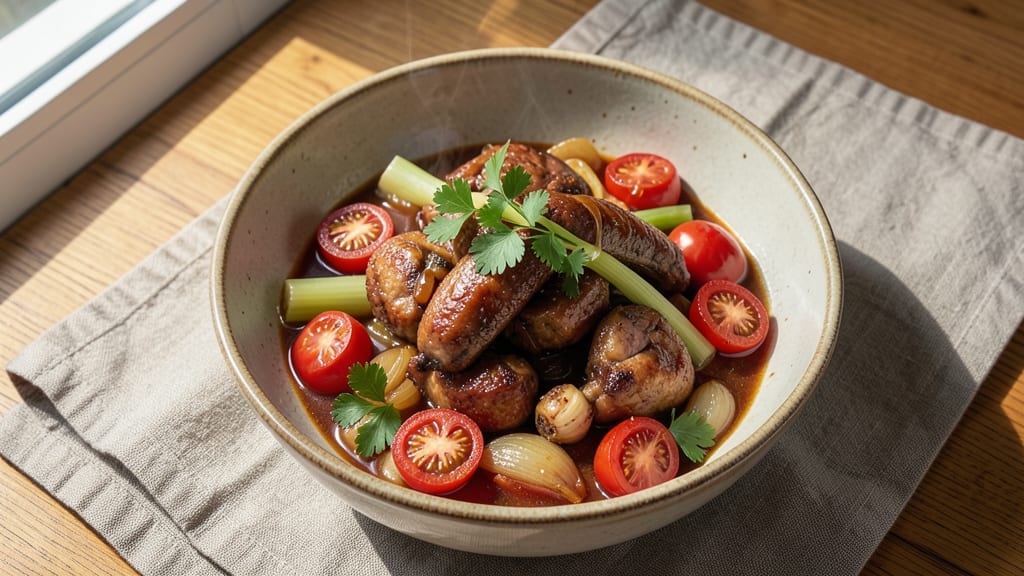
Transforming chicken gizzards into a rich, collagen-packed stew is one of those techniques that separates home cooks from true flavor artisans. 🔥 I learned this method during my apprenticeship under Master Chef Chen, where we turned every part of the bird into something extraordinary—no waste, just flavor.
The key lies in slow cooking, which breaks down the tough connective tissue into velvety richness while infusing every bite with deep, savory notes.
This recipe delivers restaurant-quality results without requiring fancy equipment—just a heavy pot, aromatic vegetables, and a patient approach. The gizzards develop a tender, almost melt-in-your-mouth texture when braised properly, while the surrounding broth becomes a flavorful base that can be used for soups, rice dishes, or even dumplings.
What makes this technique special is how it transforms an often-overlooked cut into the star of the meal.
By the time you're done, you'll have a pot of deeply aromatic stew where the gizzards are fork-tender and the broth is rich enough to coat each spoonful.
The aroma alone will have everyone anticipating dinner, and the texture—juicy, succulent, and packed with natural collagen—will make this a staple in your rotation. This is comfort food at its finest, built on time-honored methods with a modern twist.
Whether you're preparing for a family gathering or simply want to elevate a weeknight dinner, this recipe scales beautifully and keeps well for leftovers. The techniques here translate to other offal dishes too, so once you master this, you'll unlock a whole new world of flavorful cooking.
Let's get started with the ingredients you'll need.
Ingredients for stewed chicken gizzards
The foundation of restaurant-quality gizzards—rich, aromatic, and packed with collagen-building depth.
| Ingredient | Amount | Notes |
|---|---|---|
| Chicken Gizzards 🍗 | 1 ½ lb | Fresh, cleaned and trimmed |
| Yellow Onion 🧅 | 1 whole | Chopped into 1/2-inch pieces |
| Carrots 🥕 | 4 medium | Peeled and cut into chunks |
| Celery Stalks 🌿 | 3 whole | Cut into 1-inch pieces |
| Garlic Cloves 🧄 | 6 cloves | Smashed with side of knife |
| Tomatoes 🍅 | 2 whole | Roma, crushed by hand |
| Red Wine 🍷 | 1 cup | Dry, like Cabernet Sauvignon |
| Chicken Broth 💧 | 3 cups | Homemade or quality store-bought |
| Olive Oil 🫒 | 2 tbsp | Extra-virgin for richness |
| Tomato Paste 🍅 | 2 tbsp | Smooth, not chunky |
| Fresh Thyme 🌿 | ½ oz | Leaves only, stems removed |
| Bay Leaves 🍃 | 2 whole | Dried, standard size |
| Salt 🧂 | 1 ½ tsp | Diamond Crystal kosher |
| Black Peppercorns 🌶️ | ½ tsp | Freshly cracked |
| Allspice Berries 🌶️ | 4 whole | Crushed lightly |
Gizzards are the heart of this dish, so source them fresh from a trusted butcher or poultry counter. Look for vibrant color and firm texture—avoid any with a sour smell or slimy surface. Costco or local farms often carry them pre-cleaned, which saves time. The red wine (any bold dry variety) and San Marzano tomatoes elevate the depth of flavor, but don’t stress if you have to substitute. Fresh thyme is ideal, but dried works at one-third the amount. The key is patience—these gizzards need time to transform into tender bites.
No red wine? Beef broth with a splash of balsamic vinegar works perfectly. Substituting tomatoes? Canned crushed tomatoes are fine, but add an extra pinch of salt. Thyme too expensive? Dried oregano or marjoram will bridge the gap. For the allspice, if you can’t find whole berries, ground allspice at half the amount is a decent swap. The tomato paste is non-negotiable for thickness—Trader Joe’s squeeze tubes are perfect for this. And if your carrots are stubbornly fibrous, peel them for a silkier texture.
This stew tastes even better the next day as flavors meld. Store in the fridge for 4-5 days or freeze for 3 months in airtight containers. For best results, let it cool to room temperature before refrigerating. The broth freezes beautifully—perfect for future soups or dumplings. Portion the gizzards separately if you want to reheat just the meat, but honestly, the whole pot reheats like a dream.
Why You'll Love This Recipe
- I’ll be real: most stewed dishes turn sad in the fridge. Not this one. The flavors actually improve overnight, and reheating it? Just add a splash of water, and it’s hearty again—great for lunches or when you’re too tired to cook.
- One-Pot Magic: I swear by this recipe because it’s that easy—just dump everything in one pot and let it simmer. No chopping like a fine chef, no fancy techniques: the onions, carrots, and celery practically cook themselves while the gizzards turn tender.
- Garlic Bomb Flavor: Between us, the garlic and slow-cooked gizzards create a depth you won’t find in most chicken dishes. That crispy edge on the gizzards with the creamy, caramelized onions? It’s the kind of taste that makes you pause mid-bite.
- Budget Feast: Honestly, this is my go-to for feeding a crowd without breaking the bank. Chicken gizzards are cheap, and the veggies stretch the flavor so far—perfect for potlucks or when the grocery budget’s tight but the appetite isn’t.
Step-by-step instructions for stewed chicken gizzards
Here's how to transform tough gizzards into melt-in-your-mouth tender bites with deep, complex flavor.
🍳 Step 1: Sear the Gizzards for Maximum Flavor
Heat the 2 tablespoons olive oil in a heavy Dutch oven over medium-high heat until shimmering. Working in batches if needed, add the 1.5 lb chicken gizzards and sear for 3-4 minutes per side until deeply golden brown. This step creates the Maillard reaction that builds rich, caramelized flavor - don't skip it.
Here's the thing - gizzards release a lot of liquid when cooking. I press down gently on each gizzard with a spatula during the first minute to help flatten them slightly and ensure even contact with the hot pan. This prevents them from curling and creates better surface area for browning.
👨🍳 Step 2: Build the Aromatic Base
Remove the gizzards and set aside. In the same pot, add the chopped yellow onion, carrots, celery stalks, smashed garlic cloves, and crushed allspice berries. Cook for 5-6 minutes until the vegetables soften slightly and the garlic becomes fragrant - you'll smell that sweet, nutty aroma developing.
Stir in the 2 tablespoons tomato paste and cook for another 2 minutes until it darkens slightly. This creates a flavorful paste that will form the foundation of your stew. Here's where it gets fun - add the 1 cup red wine and scrape up all those browned bits from the bottom of the pot with a wooden spoon. Those bits are packed with flavor.
🥘 Step 3: Simmer with Herbs and Broth
Return the gizzards to the pot and pour in the 3 cups chicken broth. Add the crushed fresh thyme, whole bay leaves, 1.5 teaspoons salt, and 0.5 teaspoon black peppercorns. Bring to a gentle simmer, then reduce heat to maintain a barely bubbling surface. The key here is patience - cover and let it cook for 1 hour 15 minutes until the gizzards are fork-tender.
After about 45 minutes, add the crushed Roma tomatoes to the pot. This late addition ensures they don't break down completely but still infuse their sweetness into the stew. The gizzards are done when they pull apart easily with a fork and the meat is no longer rubbery - you'll know it when you test one.
⏰ Step 4: Finish and Rest for Perfect Texture
Once the gizzards are tender, remove the bay leaves and adjust seasoning if needed. Here's the critical final step: let the stew rest for 10 minutes off the heat. This allows the flavors to meld completely and the gizzards to absorb any remaining liquid, ensuring they stay juicy when served.
The finished stew should have a rich, deep color with tender gizzards that fall apart at the touch. The sauce should coat the back of a spoon with a perfect balance of wine acidity, tomato sweetness, and herbal notes. Serve immediately with crusty bread to soak up every last drop of that flavorful broth.
Pro Tips For Making Stewed Chicken Gizzards
- BLANCH GIZZARDS FIRST: Drop them in boiling water for 3-4 minutes before stewing—this loosens the tough membrane and cuts cooking time by half. I learned this the hard way after serving rubbery gizzards to a skeptical dinner guest. (Yes, even if you’re impatient like me, don’t skip it.)
- SWEAT VEGETABLES LOW: Cook onions, carrots, and celery in the same pot for 8-10 minutes before adding liquid—this softens them evenly and builds flavor without burning. After burning three batches, I finally figured out patience pays off here.
- SMASH GARLIC CLOVES: Use the flat side of your knife to crush garlic cloves before adding them—this releases more aroma and prevents bitter chunks. My grandmother swore by this, and she was right: it makes a real difference in stewed dishes.
- SKIP THE CROWDED POT: Don’t overfill the pot with liquid—aim for 1.5 cups broth per pound of gizzards. Too much water dilutes the flavor, and you’ll end up with sad, watery results. (Your future self will thank you.)
Wine and beer pairings for these flavors
Wine Pairing Essentials
For this rich, wine-braised stew, I reach for bold, medium-bodied reds that can stand up to the deep umami flavors. A Cabernet Sauvignon from Napa Valley—like Louis M. Martini—is my go-to, with its dark fruit notes and subtle oak that complement the stew's herbal complexity.
The wine's acidity cuts through the richness, while its tannins mirror the gizzards' texture. 🍷
If you prefer something lighter, a Chianti Classico from Tuscany offers bright cherry and earthy undertones that enhance the allspice and thyme. For a budget-friendly option, Apothic Red blends beautifully with the dish's depth without overpowering it.
Always decant for 30-45 minutes before serving to let the wine breathe and integrate with the stew's aromas.
Beer Complements
A dark lager or amber ale works surprisingly well with this dish, balancing the stew's richness with malty sweetness. I love Samuel Adams Noble Experiment—its caramel and toasted notes harmonize with the caramelized gizzards and tomato base.
For a craft option, try a Belgian dubbel like Westmalle Dubbel, where its spiced complexity echoes the stew's allspice and thyme.
If you're serving with crusty bread, a wheat beer like Blue Moon Belgian White adds a refreshing contrast. The beer's citrusy notes brighten the dish, while its effervescence cleanses the palate between bites. For a non-alcoholic pairing, a ginger beer with a splash of lime cuts through the richness beautifully.
Regional Twists
In the Southeast, where I grew up, this stew often accompanies cornbread and a sweet tea—the tea's honeyed notes complement the dish's savory depth. For a Charleston-style twist, serve with she-crab soup and a glass of Savannah River Red (a local blend).
The contrast of sweet and savory elevates both dishes.
In Georgia, where my family roots run deep, this stew pairs perfectly with peach cobbler—the fruit's natural sweetness balances the stew's richness. A Muskateller white wine from Germany adds a floral note that bridges the two flavors.
For a modern twist, I sometimes serve it with truffle mac and cheese, where the earthy truffles mirror the stew's depth.
Finishing Touches
Before serving, I like to garnish the stew with fresh parsley and a drizzle of aged balsamic glaze—just 1 teaspoon adds a sweet-tart contrast that ties everything together.
For a smoky element, a pinch of smoked paprika on top enhances the dish's complexity. These finishing touches elevate the stew from hearty to restaurant-worthy.
Pro tip: If you're serving with wine, pour a second glass after the first course to let guests fully experience the pairing. The stew's flavors evolve as it rests, so the wine's notes will complement it differently over time.
Cheers to a meal that feels like a hug in a bowl! 🥂
Nutrition facts
Frequently asked questions
Why do chicken gizzards need to be seared before stewing?
Searing creates the Maillard reaction, which develops deep, caramelized flavors that form the foundation of your stew. The golden crust also helps seal in moisture, ensuring the gizzards stay tender during the long simmer. Skipping this step results in bland, rubbery meat that lacks complexity.
Can I substitute chicken gizzards with another type of offal?
Yes! Chicken livers work well (reduce cooking time to 20-25 minutes), but they have a stronger flavor. For a similar texture, try duck gizzards—they're richer and pair beautifully with the same wine-based braise. Just adjust the cooking time to 45-50 minutes for perfect tenderness.
What's the best way to clean chicken gizzards before cooking?
Rinse them under cold water, then soak in ice water for 15-20 minutes to remove any blood. Pat dry and trim excess fat. For extra cleanliness, rub with a pinch of salt and let sit for 5 minutes before rinsing again. This step ensures your stew isn't muddled by off flavors.
How do I know when the gizzards are fully cooked?
They're done when they're fork-tender with no pink center and easily pull apart. The internal temperature should reach 165°F. Cut into one—if it's juicy and falls apart, it's perfect. Overcooking makes them tough, so test early (after 1 hour) and adjust time as needed.
Can I make this stew in a slow cooker or Instant Pot?
For a slow cooker, sear the gizzards first, then combine all ingredients (except tomatoes) and cook on low for 6-7 hours or high for 3-4 hours. Add tomatoes in the last 30 minutes. For an Instant Pot, use the high pressure setting for 20 minutes after searing, then natural release for 10 minutes. The pressure method cuts cooking time dramatically!