
Soups & Stews
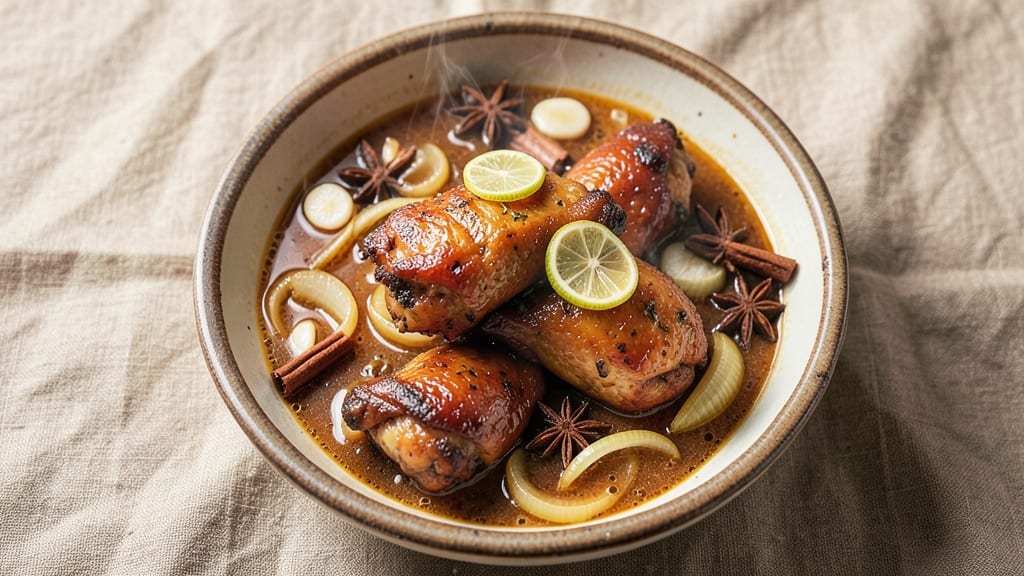
This stewed chicken feet recipe delivers deep umami flavor and gelatinous richness that transforms an unusual ingredient into a beloved comfort dish. Professional chefs and home cooks alike swear by the collagen-packed results after hours of slow simmering.
The process requires patience—parboiling, marinating, and stewing—but the reward is a dish so tender it practically melts in your mouth.
Traditional preparations vary by region, but the core technique remains consistent: tenderizing the feet through long cooking in aromatic broths. My version incorporates soy sauce, star anise, and ginger for that signature savory depth, while a splash of vinegar brightens the final dish.
The key lies in maintaining the right liquid ratio—just enough to cover the feet without diluting their flavor.
By the time you're done, you'll have a pot of silky, collagen-rich stew that's perfect for sharing or freezing. The texture is unmistakable: tender yet springy, with a surface that glistens like polished jade.
Serve it with steamed rice or crusty bread to soak up every last drop of that umami-packed broth.
This isn't just a recipe—it's a culinary experience that bridges tradition and technique. Whether you're exploring global flavors or seeking a protein-rich meal, stewed chicken feet deliver restaurant-quality results in your own kitchen. Let's get started with the step-by-step process.
Ingredients for stewed chicken feet
Sixteen ingredients, one pot, hours of umami magic waiting to unfold.
| Ingredient | Amount | Notes |
|---|---|---|
| Chicken Feet 🦶 | 2 ½ lb | Fresh or frozen, cleaned thoroughly |
| Yellow Onion 🧅 | 1 whole | Cut into wedges for broth |
| Garlic Cloves 🧄 | 6 cloves | Smashed for aromatic depth |
| Fresh Ginger 🌿 | 2 tbsp | Grated, skin removed |
| Star Anise Pods 🌟 | 3 whole | Whole pods for infusion |
| Cinnamon Sticks 🍃 | 2 whole | For warm undertones |
| Light Soy Sauce 🍶 | ½ cup | Kikkoman preferred |
| Dark Soy Sauce 🍶 | 2 tbsp | For deep umami color |
| Rice Vinegar 🍶 | 2 tbsp | Brightens final flavor |
| Dried Shiitake Mushrooms 🍄 | 4 whole | Rehydrated for broth |
| Dried Red Dates 🍇 | 4 whole | For subtle sweetness |
| Water 💧 | 4 cups | Enough to cover feet |
| Sesame Oil 🫒 | 1 tbsp | For finishing aroma |
| Green Onions 🧅 | 4 whole | Sliced for garnish |
| Diamond Crystal Kosher Salt 🧂 | 1 ½ tsp | Adjust to taste |
Chicken feet are the star—fresh from a specialty butcher or frozen from Asian markets work perfectly. Look for plump, clean feet with no strong ammonia smell (that's a bad sign). If using frozen, no need to thaw—just toss them straight into boiling water. The Kikkoman soy sauce is non-negotiable for that authentic umami punch, but Lee Kum Kee works in a pinch. For the spices, Whole Foods bulk section has the best quality star anise and cinnamon sticks—freshly ground spices make all the difference here. The shiitake mushrooms? Dried from a Chinese grocery will give you that earthy depth you can't get fresh.
No star anise? Double the cinnamon plus a pinch of cloves gets you close. Running low on dates? Substitute dried apricots at half the amount—they add sweetness without overpowering. The vinegar is key for brightness—rice vinegar is traditional, but apple cider vinegar works too. For the broth, if you're short on water, chicken stock plus a splash of water keeps the collagen rendering perfectly. The sesame oil? Toasted, not the cheap salad dressing kind—look for Kadoya or La Choy in the Asian aisle. And trust me, the green onions at the end aren't just for looks—they cut through all that rich umami like a breath of fresh air.
This dish tastes even better the next day—make a double batch and freeze half. Store leftovers in the fridge for 4-5 days, or freeze for up to 3 months (the collagen keeps it tender). I like to portion it into glass jars with tight lids—just reheat with a splash of water or broth. The feet will be fork-tender, and the broth? Sip it like soup. Pro tip: if you're serving with rice, cook the rice in the leftover broth—game changer. And save those leftover onion skins and garlic peels—they make the best broth for reheating.
Why You'll Love This Recipe
- One-Pot Magic: I swear by this—just dump everything in a pot, simmer, and walk away. The onions and garlic caramelize while you’re doing other things, and the star anise infuses that deep, aromatic punch without any extra work. Honestly, my slow cooker does half the job for me.
- Umami Bomb: That ginger and star anise combo? It’s like a flavor explosion in your mouth. The chicken feet get tender but still hold their shape, and the broth reduces into a sticky, savory sauce that clings to every bite. Between us, it’s the kind of dish that makes you go back for seconds without thinking.
- Party or Pantry: Make a big batch on Sunday—it’s perfect for game day snacks, potlucks, or even a cozy night in. I’ve served it at BBQs (yes, people actually ask for seconds), and it reheats like a dream for lazy weeknights. My college roommate still texts me for the recipe whenever she’s broke.
- Budget Game-Changer: Chicken feet are cheap, and this recipe stretches them into a meal that feels special. A single bag feeds four, and leftovers taste just as good the next day—if they last that long. I’ll be real: I’ve fed a whole family for under $10 with this, and no one complains.
Step-by-step instructions for stewed chicken feet
Here's how to transform tough chicken feet into tender, collagen-rich bites bursting with umami.
Prepare the Chicken Feet for Maximum Tenderness
Begin by thoroughly cleaning the 2.5 lb chicken feet under cold running water, scrubbing between the joints to remove any debris. This ensures a clean base for your stew. In a large pot, cover the cleaned chicken feet with the 4 cups water and bring to a rolling boil over high heat. Once boiling vigorously, reduce heat to medium-high and simmer for 20 minutes. This initial blanching helps remove impurities and begins breaking down connective tissues.
After 20 minutes, drain the water and rinse the chicken feet again under cold water. Return them to the same pot and add fresh 4 cups water. Bring to a boil once more, then reduce heat to maintain a gentle simmer. The key here is patience - let them simmer uncovered for 1 hour, skimming off any foam that rises to the surface. This process extracts natural oils and prepares the collagen for maximum extraction in the stewing phase.
Build the Umami-Packed Broth Base
After the initial simmering, add the cut yellow onion wedges, smashed 6 cloves garlic, and 2 tbsp grated fresh ginger to the pot. These aromatics form the flavor foundation. Bring the mixture back to a gentle simmer and let it cook for 10 minutes, allowing the flavors to meld. The onion should soften and become translucent, while the garlic will develop a golden hue.
Add the 3 whole star anise pods and 2 whole cinnamon sticks at this stage. These spices infuse subtle warmth that complements the rich umami flavors. Let the broth simmer for another 15 minutes, then add the 4 whole dried shiitake mushrooms and 4 whole dried red dates. The mushrooms will rehydrate and contribute earthy depth, while the dates add subtle sweetness that balances the savory profile. The broth should now smell complex and inviting - like a symphony of aromatics building toward harmony.
Develop the Signature Sauce Layers
After the spices and dried ingredients have infused for 15 minutes, stir in the 0.5 cup light soy sauce and 2 tbsp dark soy sauce. The dark soy sauce will create that beautiful caramelized color we're aiming for. Add the 2 tbsp rice vinegar next - this brightens the final flavor profile and cuts through the richness. The sauce should begin to thicken slightly as the starches release from the chicken feet and vegetables.
Simmer the entire mixture uncovered for 1 hour 30 minutes, maintaining a gentle simmer. The chicken feet should become fork-tender when pierced with a knife, and the broth should reduce to a rich, velvety consistency. This long cooking time is crucial - it's what transforms tough collagen into silky texture. Taste the broth periodically and adjust with the 1.5 tsp diamond crystal kosher salt if needed, remembering that the soy sauces already contribute significant saltiness.
Finish with Aromatic Touches
Once the chicken feet are fork-tender and the broth has reduced to your desired consistency, remove the star anise pods and cinnamon sticks. These spices have done their job and can be discarded. Stir in the 1 tbsp sesame oil, which adds a delicate nutty aroma that elevates the dish. The oil should disperse throughout the stew, creating a fragrant sheen on the surface.
Finally, distribute the sliced 4 whole green onions evenly throughout the stew. These add both visual appeal and a fresh, crisp contrast to the rich, tender chicken feet. Let the stew sit off heat for 10 minutes before serving - this allows the flavors to fully meld and the textures to set. The finished dish should have a glossy sheen from the reduced broth, tender chicken feet that pull apart easily, and a complex balance of sweet, salty, and umami flavors in every bite.
Pro Tips For Making Stewed Chicken Feet
- Parboil First: Chicken feet need a 10-minute pre-boil in salted water to soften the tough skin and remove grit—skip this, and you’ll spend the whole stewing time fighting chewy texture. I learned this the hard way after a batch turned out like leather.
- Char the Aromatics: Sear sliced onions, minced garlic, and ginger in oil until deep golden—this caramelized layer adds depth that raw aromatics can’t match. Star anise can burn fast, so remove it after 30 seconds of toasting.
- Don’t Crowd the Pot: Overlapping chicken feet traps steam and keeps them soggy. Arrange them in a single layer with space between, then add liquid gradually. I used to cram them in, and the result was mushy instead of tender.
- Simmer, Don’t Boil: Stewing at a gentle simmer (tiny bubbles, not rolling) breaks down collagen without toughening the meat. After the first 30 minutes, reduce heat to low—high heat just makes the broth cloudy.
Creative variations of these flavors
Chinese Red-Braised Style
For a bold, caramelized version inspired by Cantonese cuisine, double the dark soy sauce to 4 tbsp and add 1 tbsp fermented black beans (soaked if dried) for nutty depth. After the initial simmer, remove the chicken feet and set aside.
In the same pot, create a thick glaze by cooking 2 tbsp Shaoxing wine with 1 tbsp rock sugar until syrupy. Return the feet to the pot, then add 1 cup chicken stock and simmer for 1 hour until the sauce clings like lacquer.
Garnish with cilantro and serve with steamed jasmine rice. 🍚
Vietnamese Lemongrass Twist
Infuse the broth with 3 stalks lemongrass (bruised and tied with kitchen twine) and 1-inch galangal slice (peeled) during the initial simmer. After adding soy sauces, stir in 1 tbsp fish sauce and 1 tsp sugar to balance flavors.
Top with thinly sliced Thai basil and a drizzle of chili oil before serving. This version pairs beautifully with pho noodles or fresh herbs for dipping. 🌿
West African Peppered Version
Replace star anise with 1 tsp ground allspice and 1 tsp smoked paprika, then add 1 red bell pepper (cut into chunks) and 1 scotch bonnet pepper (seeds removed for less heat) during the broth-building phase.
Finish with 1 tbsp palm oil stirred in at the end for richness. Serve with fufu or jollof rice to soak up the spicy, aromatic broth. 🌶️
Sweet & Sour Fusion
Add ½ cup pineapple juice and 2 tbsp apple cider vinegar when developing the sauce layers, then finish with 2 tbsp pineapple chunks and 1 tbsp chopped cilantro.
The acidity brightens the dish while the pineapple adds tropical sweetness. This version works well as a cold appetizer when fully chilled. 🍍
Spicy Coconut Curry Adaptation
After the initial simmer, add 1 can (14 oz) coconut milk and 1 tbsp red curry paste when building the broth base. Include 1-inch fresh turmeric (grated) for color and warmth.
Simmer for 45 minutes instead of 1.5 hours to prevent curdling. Garnish with toasted coconut flakes and serve with jasmine rice. 🥥
Slow Cooker Shortcut
For hands-off cooking, combine all ingredients in a 6-quart slow cooker and cook on low for 8 hours or high for 5 hours. The slow cooker maintains even heat, making it ideal for collagen extraction.
Add ½ cup water if the mixture looks too thick before serving. Perfect for meal prep—just reheat and garnish. ⏳
Nutrition facts
Frequently asked questions
Why do chicken feet need to be parboiled twice?
The double parboiling process is essential for removing impurities and breaking down tough collagen. The first boil removes surface debris, while the second simmer (with fresh water) extracts natural oils and prepares the connective tissues for maximum tenderness. Skipping this step can leave your dish with a bitter taste or rubbery texture.
Can I use chicken feet that still have feathers attached?
No, always remove all feathers before cooking. They can burn during the parboiling process and impart a bitter flavor. Soak the feet in cold water for 15 minutes to loosen feathers, then scrub them off under running water. This extra step ensures a clean, flavorful result.
What's the secret to getting the perfect gelatinous texture?
The magic happens during the long, gentle simmer. Maintain a steady medium-low heat for the full 1 hour 30 minutes—never let it boil vigorously after the initial stages. The collagen dissolves best when the liquid stays just below a simmer, creating that signature glossy, jelly-like consistency. Patience is key!
How do I store leftovers to maintain texture?
Let the stew cool completely before transferring to airtight containers. Store in the fridge for 4-5 days or freeze for up to 3 months. When reheating, add a splash of water or broth to prevent drying out. The collagen remains intact, so you'll still get that luxurious texture—just reheat gently on low heat.
What if my chicken feet smell fishy after cooking?
This usually means they weren't cleaned properly before cooking. Rinse them thoroughly under cold water, scrubbing between joints, and parboil in fresh water for 20 minutes before starting the recipe. If the smell persists, it's better to discard them and start fresh—no amount of seasoning will mask a poor-quality base.