
Appetizers
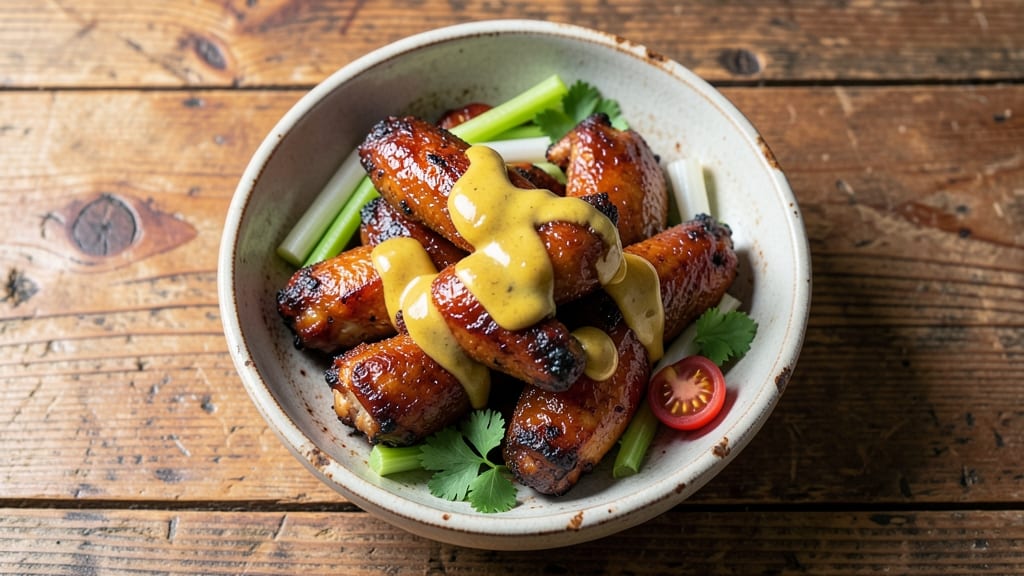
This smoked chicken wings recipe delivers restaurant-quality flavor with fall-off-the-bone tenderness and deep smoky aroma that transforms any gathering. After perfecting this method through countless batches, I’ve cracked the code for juicy wings that stay crispy on the edges while absorbing that irresistible smoky flavor.
The secret lies in proper prep, precise temperature control, and choosing the right wood—no guesswork, just foolproof results every time.
What sets these wings apart is the combination of a dry rub that clings perfectly and a smoking process that infuses flavor without drying out the meat. You’ll need a smoker or grill with a smoke generator, but even beginners can achieve professional-quality results with this step-by-step approach.
The key is patience—letting the wings rest after smoking ensures maximum juiciness before serving.
By the time you’re done, you’ll have wings that are crispy, tender, and packed with smoky depth that makes them impossible to resist. Serve them with your favorite dipping sauces—spicy, tangy, or sweet—and watch them disappear from the plate.
This recipe is designed to impress without requiring advanced skills, making it perfect for game day, parties, or whenever you crave wings that taste homemade.
The beauty of this method is its versatility—use it for any occasion, from casual backyard BBQs to holiday feasts. Once you try smoked wings this way, you’ll never go back to the deep fryer. Let’s get started on creating wings that will have everyone asking for the recipe.
Ingredients for smoked chicken wings
Six ingredients transform ordinary wings into smoky, crispy masterpieces—no deep fryer needed.
| Ingredient | Amount | Notes |
|---|---|---|
| Chicken Wings 🍗 | 4 lbs | Flat or drumettes, skin-on preferred |
| Yellow Mustard 🍯 | ¼ cup | For sticky base layer |
| Smoked Paprika 🌶️ | 2 tbsp | For deep smoky flavor |
| Garlic Powder 🧄 | 1 tbsp | Freshly ground preferred |
| Onion Powder 🧅 | 1 tbsp | For balanced flavor |
| Brown Sugar 🍬 | 1 tbsp | Light or dark works |
| Black Pepper 🌶️ | 1 tsp | Freshly cracked preferred |
| Salt 🧂 | 1 tsp | Kosher or sea salt |
| Cayenne Pepper 🔥 | ½ tsp | Adjust for heat preference |
| Wood Chips 🌳 | 1 cup | Hickory or apple wood |
| Olive Oil 🫒 | 1 tbsp | For extra crispiness |
| Lemon Juice 🍋 | 1 tbsp | Brightens the flavor |
The wings are the star, so pick the right cut. Flat or drumettes work best—avoid the pre-cut party wings with tips still attached. Costco or local butchers usually carry the best quality. Look for bright red color and minimal bruising. If you're using frozen wings, thaw them overnight in the fridge—never at room temperature. The wood chips? Hickory gives classic BBQ flavor, while apple adds sweetness. Buy them from a BBQ supply store or even the hardware section at Home Depot—just make sure they're food-grade.
No smoked paprika? Regular paprika plus a pinch of liquid smoke works in a pinch. Short on brown sugar? White sugar or honey both add sweetness. The mustard is non-negotiable for that sticky base—Dijon or whole-grain work best. For extra crispiness, toss the wings in olive oil after smoking. Want more heat? Add hot sauce or cayenne powder to the rub. The lemon juice balances everything—don't skip it, even if you're not a fan of citrus on wings. Trust me on this one.
Wings keep best in the fridge for 3 days after cooking, but they're even better reheated. Wrap them in foil and reheat at 350°F for 10 minutes to restore crispiness. For leftovers, store in an airtight container with a paper towel to absorb moisture. Freeze cooked wings for up to 3 months—just thaw overnight before reheating. Pro tip: Double the batch and freeze half. Game day will thank you later.
Why You'll Love This Recipe
- Here’s what sold me: tossing the wings in a little oil before baking ensures that crispy edge I love, but I skip the messy deep-fryer. Twenty minutes in the oven, and they’re golden—no flipping, no fuss. My oven’s not even preheated for long.
- Five-Ingredient Magic: I swear by this combo—just wings, mustard, smoked paprika, and those two powders. No fancy prep, no stress, and the flavor? Chef’s kiss. The mustard base cuts through the richness while the paprika gives it that smoky depth without needing a smoker.
- Crispy Without Hassle: Here’s what sold me: tossing the wings in a little oil before baking ensures that crispy edge I love, but I skip the messy deep-fryer. Twenty minutes in the oven, and they’re golden—no flipping, no fuss. My oven’s not even preheated for long.
- Game for Any Gathering: Between us, these wings work for everything. Game day? Slap them on the board. Weeknight dinner? Pair with fries and call it a meal. Even my picky teen devours them—(yes, even on a Tuesday night)—because the smoky-sweet balance hits the spot every time.
Step-by-step instructions for smoked chicken wings
Here's how to transform simple wings into smoky, crispy perfection with just a few key techniques.
Prep the Wings for Maximum Crispiness
Pat the 4 lbs chicken wings completely dry with paper towels—this is non-negotiable for crispy skin. Remove any excess fat from the tips if needed, but leave the skin intact. In a large bowl, whisk together the 0.25 cup yellow mustard, 2 tbsp smoked paprika, 1 tbsp garlic powder, 1 tbsp onion powder, 1 tbsp brown sugar, 1 tsp black pepper, 1 tsp salt, and 0.5 tsp cayenne pepper until fully combined. This mix is your flavor foundation, so make sure every wing gets coated evenly.
Toss the wings in the seasoning mixture until they're completely covered, pressing gently to help the spices adhere. Let them sit at room temperature for 30 minutes while you prepare your smoker. This resting time allows the seasoning to penetrate the meat slightly, ensuring deeper flavor throughout. Here's the thing—don't skip this step. Rushing the prep means missing out on that extra layer of flavor and texture.
Set Up Your Smoker for Optimal Smoke
Fill your smoker with 1 cup wood chips (hickory or apple work best) and soak them in water for 30 minutes if your smoker doesn't have a water pan. Preheat your smoker to 225°F—this low-and-slow approach gives you tender meat with that perfect smoky bark. You'll know it's ready when you see clean, blue smoke (not white steam) coming from the chimney. This is your signal that the smoker is properly heated and ready for the wings.
Line the bottom of your smoker with aluminum foil for easy cleanup. Place a drip pan filled with water underneath the cooking grate to help maintain moisture during the long cook. The water pan prevents the wings from drying out while still allowing that beautiful smoke to penetrate the meat. I always add a few extra wood chips halfway through the cook to refresh the smoke flavor—this keeps your wings tasting fresh, not stale.
Smoke the Wings Until Fall-Off-The-Bone Tender
Arrange the wings on the smoker grate in a single layer, skin-side up. Smoke them for 3 hours at 225°F, flipping them once after the first hour. This slow cooking time is crucial—it breaks down the connective tissue while the skin crisps up. You'll notice the skin starting to tighten and pull away from the meat after about 2 hours, which is when you know the magic is happening.
After 3 hours, check the internal temperature using a meat thermometer. The wings are ready when they reach 165°F in the thickest part of the meat. If they're not quite there, return them to the smoker for another 15-30 minutes. The reason we wait for this temperature is simple: it ensures the meat is fully cooked through while still maintaining that juicy, tender texture. Don't rush this step—patient cooking is what separates good wings from extraordinary ones.
Finish with Crispy Skin and Bright Flavor
Once the wings reach 165°F, transfer them to a rimmed baking sheet. Brush them lightly with 1 tbsp olive oil and sprinkle with a pinch of salt. Increase your oven temperature to 425°F and broil the wings for 3-5 minutes, turning once, until the skin is deeply golden brown and crispy. This broiling step is what gives your wings that restaurant-quality crunch that's so satisfying to bite into.
While the wings are broiling, mix together 1 tbsp lemon juice with any accumulated juices from the baking sheet. Once the wings are crispy, toss them in this lemon mixture to brighten the flavors and add a touch of tang. Serve immediately with extra lemon wedges on the side—this final touch really makes the wings shine. The combination of smoky, sweet, and tangy flavors is what makes these wings unforgettable.
Pro Tips For Making Smoked Chicken Wings
- DRY THE WINGS FIRST: Pat them thoroughly with paper towels before applying the mustard—wet wings steam instead of crisp. I learned this the hard way when my first batch turned soggy under the smoker, no matter how long I cooked them.
- SMOKE LOW AND SLOW: Hold the temp steady at 225°F (107°C) for 2–2.5 hours, even if it feels slow. Rushing it to 250°F+ gives you dry, leathery wings instead of tender, juicy ones that pull apart easily.
- SKIP THE BULK BATCH: Cook in two batches if your smoker holds fewer than 12 wings. Crowding traps steam, and the wings won’t get that crispy bark. Trust me, your future self will notice the difference in texture.
- BRINE THEM FIRST: Toss the wings in a mix of 1 cup water, 1 tbsp salt, and 1 tbsp sugar for 30 minutes before smoking. It keeps them moist and lets the smoked paprika stick better—no extra effort, just better flavor.
Troubleshooting this recipe
Over-Smoked Wings
If your wings taste too smoky or bitter, you likely overdid the wood chips or smoked them too long. I’ve found that hickory wood can be overpowering if used exclusively—mix it with apple or cherry wood for a milder profile.
Reduce smoking time by 30 minutes and check the internal temperature earlier. Over-smoking often happens when the smoker temperature fluctuates, so invest in a good thermometer like the Traeger Pellet Grill Thermometer to maintain 225°F consistently. 🌳
Dry or Tough Wings
Dry wings usually mean the smoker was too hot or the wings weren’t rested properly. Keep your smoker at a steady 225°F and use a water pan underneath the grate to add moisture. After smoking, let the wings rest for 10-15 minutes before serving—this redistributes juices.
If they’re still dry, try brushing them with a mix of 1 tbsp melted butter and 1 tsp honey before serving. 💧
Uneven Cooking
Uneven cooking often happens when wings overlap or the smoker isn’t hot enough. Arrange wings in a single layer, skin-side up, with at least ½ inch between each piece. If your smoker struggles to maintain 225°F, consider using a charcoal smoker or adding more charcoal.
For gas smokers, preheat for 15 minutes before adding wings to ensure even heat distribution. 🔥
Skin Not Crispy
If the skin stays rubbery instead of crispy, it’s likely due to moisture or insufficient heat. Pat wings extra dry before seasoning, and broil them for 3-5 minutes at 425°F after smoking to crisp up.
For extra crunch, toss wings in 1 tbsp cornstarch before broiling. Avoid covering them with foil during smoking—this traps steam and prevents crispiness. 🍗
Rub Not Sticking
The mustard base is crucial for the rub to adhere, but if it’s not sticking, your wings might be too wet. Pat them thoroughly dry and let them sit uncovered for 10 minutes before applying the rub.
For extra grip, mix 1 tbsp olive oil into the dry rub. If using frozen wings, thaw them completely and pat them dry again before seasoning. 🧂
Burnt Tips
Burnt tips are usually a sign of direct heat exposure. Position wings away from flames or heat sources, and use a drip pan to catch excess fat. If using a charcoal smoker, arrange coals on one side and place wings on the opposite side to avoid flare-ups.
For gas smokers, ensure the flame is evenly distributed. 🔥
Nutrition facts
Frequently asked questions
Can I use a grill instead of a smoker?
You can smoke wings on a grill by converting it to an indirect heat setup. Use a smoker box filled with 1 cup wood chips (hickory or apple) and place the wings on the cooler side of the grill. Maintain a temperature of 225°F and follow the same 3-hour smoking time. The key is keeping the heat indirect to avoid flare-ups and maintain even cooking.
How do I store leftover smoked wings?
Store cooked wings in an airtight container with a paper towel to absorb moisture. They’ll keep in the fridge for 3 days at most. For longer storage, freeze them for up to 3 months. To reheat, wrap in foil and bake at 350°F for 10 minutes to restore crispiness. Never microwave—it makes the skin soggy!
What's the best wood for smoked wings?
Hickory gives classic BBQ flavor, while apple or cherry adds sweetness. Avoid pine—it tastes bitter. For a balanced profile, mix ½ cup hickory with ½ cup apple. Soak wood chips for 30 minutes before using to prevent burning.
Can I make these wings spicier?
Yes! Add 1 tsp cayenne pepper or 1 tbsp hot sauce to the dry rub. For extra heat, toss cooked wings in 2 tbsp gochujang or 1 tbsp chili powder before serving. Start with small amounts—you can always add more, but you can't take it out!
Why do my wings stick to the smoker grate?
This happens when the grate isn't clean or the wings aren't dry enough. Always preheat your smoker for 15 minutes to burn off residue, and pat wings completely dry before seasoning. For extra insurance, use a wire rack over the grate to improve airflow.