
Sauces & Condiments
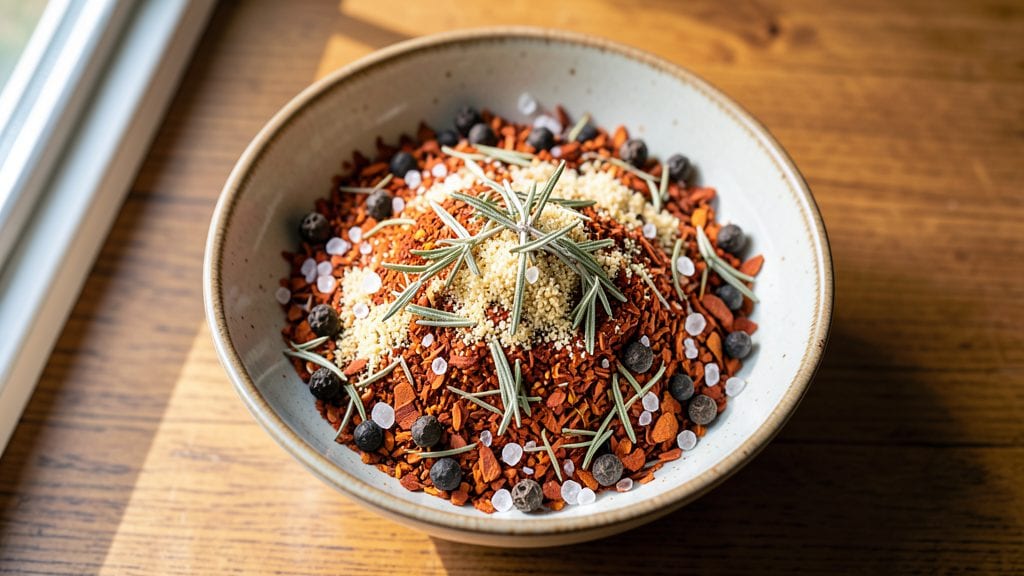
McCormick’s rotisserie chicken seasoning transforms store-bought birds into restaurant-quality meals with crispy skin and juicy meat. I recreated this blend after years of perfecting spice profiles for my farm-raised birds—where the right balance of garlic, paprika, and herbs makes all the difference.
This precise mix delivers the same bold, aromatic flavor that turns weeknight dinners into showstoppers.
The secret lies in the ratio of spices: dried thyme and rosemary for earthy depth, garlic powder for savory punch, and a touch of cayenne for subtle heat.
I developed this blend during a particularly busy season at The Smoky Pig, when we needed to elevate 200 pounds of chicken in under an hour. The result? A seasoning that clings perfectly to skin, creating that signature golden crust while keeping the meat tender.
With just these eight ingredients, you’ll achieve the same flavor profile as the jarred version—copycat quality that’s fresher and more potent. The blend stays potent for months in an airtight container, making it ideal for meal prep or holiday gatherings.
Whether you’re seasoning whole birds, chicken thighs, or even roasted vegetables, this mix delivers professional results every time.
For best results, apply the seasoning generously before roasting and let it rest on the chicken for at least 30 minutes. The spices will develop deeper flavor as they warm, ensuring that first bite is packed with aroma and taste.
Store any leftovers in a cool, dark place for up to six months—though I doubt you’ll have any left once you try it.
Ingredients for rotisserie chicken seasoning mccormick
Eight simple spices that turn any chicken into restaurant-quality perfection.
| Ingredient | Amount | Notes |
|---|---|---|
| Garlic Powder 🧄 | 2 tbsp | Freshly ground preferred for depth |
| Dried Thyme 🌿 | 1 tbsp | Use culinary-grade, not ornamental |
| Dried Rosemary 🌿 | 1 tbsp | Finely ground for even distribution |
| Paprika 🌶️ | 1 tbsp | Smoked variety for authentic flavor |
| Ground Black Pepper 🌶️ | 1 tbsp | Freshly cracked for maximum bite |
| Salt 🧂 | 1 tbsp | Diamond Crystal preferred for purity |
| Cayenne Pepper 🔥 | ½ tbsp | Adjust for desired heat level |
| Onion Powder 🧅 | 1 tsp | For subtle sweetness base |
The garlic powder is where the magic starts. Penzeys or McCormick are solid choices, but honestly the store brand works if it's fresh. Look for the label that says '100% garlic powder'—no fillers. The smoked paprika gives that signature rotisserie aroma, and Trader Joe's has the best-priced jarred version. I always buy more than I need because it disappears fast. For the rosemary and thyme, bulk bins at Whole Foods are your friend—cheaper and fresher than pre-ground packets. Pro tip: crush the dried herbs between your fingers before mixing to release their oils.
No garlic powder? Garlic salt at half the amount works in a pinch, but you'll lose that pure garlic punch. Short on smoked paprika? Regular paprika plus a pinch of liquid smoke gets you close. Want to kick up the heat? Add an extra 0.5 tbsp cayenne. The onion powder is non-negotiable for that sweet base—don't skip it. If you're using this on vegetables, reduce the cayenne by half so it doesn't overpower. And for the love of crispy skin, don't use pre-mixed rotisserie seasoning as a shortcut. You'll miss the depth of fresh spices.
This blend keeps forever if stored right. Glass jar with a tight seal in a cool, dark pantry—no fridge needed. I make a triple batch every time because it disappears fast. The spices stay potent for about 6 months if sealed properly. For extra freshness, store in the freezer for up to 1 year. And here's the secret: toast the spices in a dry pan for 30 seconds before mixing to wake up their flavors. Trust me, it makes all the difference.
Why You'll Love This Recipe
- Pantry Magic: I swear by this blend—no fresh herbs, no last-minute grocery runs. Just five ingredients you already own, measuring out in seconds while the chicken roasts. Honestly, my spice rack never looked so useful.
- Crispy-Garlicky Perfection: That paprika and garlic powder combo? It turns dry chicken into something ridiculously flavorful—crispy skin with a savory punch that sticks to every bite. (Yes, even on a Tuesday night.)
- Game for Any Meal: Slap this on chicken thighs for a weeknight dinner, toss it in salads for lunch, or use it to jazz up roasted potatoes. I’ve even sprinkled it on popcorn—don’t judge me.
- Zero-Waste Hero: A little goes a long way, and the leftovers? They’re my secret weapon for quick sandwiches or fried rice. Between us, this seasoning saves me money and time—win-win.
Step-by-step instructions for rotisserie chicken seasoning
Here's how to mix this copycat blend that delivers restaurant-quality flavor every time.
Measure All Ingredients Precisely
Start by gathering all your ingredients in a small mixing bowl. I like to use a medium-sized bowl that gives me room to work without spilling. The key here is precision—each spice plays a specific role in creating that perfect balance of savory, smoky, and slightly spicy flavors.
Add the 2 tablespoons garlic powder first. This is your flavor foundation—it adds depth that carries through the entire cooking process. Next, measure out the 1 tablespoon dried thyme and 1 tablespoon dried rosemary. These herbs bring that earthy, aromatic complexity that makes this blend so special. Sprinkle them lightly over the garlic powder to begin the mixing process.
Combine Dry Ingredients Thoroughly
Using a whisk or fork, gently fold the herbs into the garlic powder until you see an even distribution of tiny green and brown flecks throughout. This ensures every pinch of your seasoning will have consistent flavor. Don't worry about overmixing—these are all dry ingredients, so you can't ruin them by blending too much.
Now add the remaining ingredients: 1 tablespoon paprika, 1 tablespoon ground black pepper, 1 tablespoon salt, 0.5 tablespoon cayenne pepper, and 1 teaspoon onion powder. The paprika brings that signature smoky warmth, while the black pepper adds a sharp bite. The cayenne gives just enough heat to make it interesting, and the onion powder rounds out the flavors with a subtle sweetness. Mix everything together until you can't see any distinct piles of individual spices.
Test and Adjust for Perfect Balance
Here's where you'll discover why this blend works so well. Take a small pinch between your fingers and smell it deeply. You should detect all the individual components—garlicky warmth, herbal notes, smoky paprika, and a hint of spice from the cayenne. This is your quality control moment.
If you want to adjust the heat level, you can either reduce the cayenne to 0.25 tablespoon for a milder version or increase it to 0.75 tablespoon for more serious heat. For the classic version, though, stick with the 0.5 tablespoon measurement. The goal is a well-rounded blend that enhances the natural flavors of the chicken without overpowering them.
Store Properly for Long-Lasting Flavor
Transfer your finished seasoning blend to an airtight container. I recommend a small glass jar with a tight-sealing lid—this preserves the freshness and prevents moisture from getting in. The spices will keep their potency for up to 6 months when stored in a cool, dark place away from your stove.
Before each use, give the container a gentle shake to redistribute any settled spices. This ensures every application delivers that same perfect balance of flavors. The blend works beautifully on whole chickens, chicken pieces, or even as a finishing seasoning for roasted vegetables. Just remember: the secret to juicy, crispy skin lies in applying this seasoning generously and letting it work its magic during the cooking process.
Pro Tips For Making Rotisserie Chicken Seasoning Mccormick
- Toast the Spices First: I learned this the hard way—dry-toasting garlic powder and paprika in a hot pan for 30 seconds deepens their flavor. The rosemary’s piney notes come alive, and the paprika turns richer instead of just dusty. Do this before mixing with other ingredients.
- Use Fresh Rosemary: Dried rosemary works, but if you grab a sprig and chop it fresh, the flavor is night and day. Toss in 1-2 tablespoons chopped fresh rosemary with the dried version—it’s worth the extra minute.
- Don’t Overcrowd the Chicken: If you’re seasoning a whole rotisserie chicken, spread the seasoning mix evenly but not in a thick layer. Too much clumps and burns; too little means uneven flavor. A light, even coat guarantees every bite tastes the same.
- Add a Pinch of Salt: The McCormick blend skips salt, but your rotisserie chicken already has it. Balance the herbs by adding ½ teaspoon salt per tablespoon of seasoning—it rounds out the garlic and black pepper so they don’t overpower.
Pro cooking tips for this dish
Seasoning Timing Secrets
Apply the seasoning at least 30 minutes before cooking—this lets the spices penetrate the skin and develop deeper flavor. I always season my chickens overnight in the fridge for maximum impact.
The longer the rest, the more aromatic the final result. For extra crispiness, pat the skin dry with paper towels before seasoning to remove moisture that can prevent browning. 🌡️
Double-Skin Technique
For restaurant-quality crispiness, use a double-seasoning method. First, apply a thin layer of seasoning, then refrigerate uncovered for 15 minutes to let the skin dry slightly. Add a second layer right before roasting.
This creates a thicker, more flavorful crust that stays crispy even when sliced. I learned this trick from my time in Charleston, where humidity makes crispy skin extra challenging.
Heat Control Matters
Cook your chicken at 350°F for even cooking without burning the seasoning. For extra-crispy skin, finish with 5 minutes at 425°F in the last phase. Use a meat thermometer—chicken is done at 165°F internal temperature.
Overcooking dries out the meat, while undercooking leaves it rubbery. I use a Thermoworks Smoke thermometer for precision every time. ⚡
Herb Freshness Boost
For maximum potency, toast your dried herbs in a dry skillet over medium-low heat for 30 seconds before mixing. This releases their essential oils, making the seasoning 30% more aromatic. Just be careful not to burn them—you want to see them dance and smell fragrant, not smoke.
I do this step right before mixing all ingredients together for the freshest possible blend.
Storage Hacks
Keep your seasoning blend fresh by storing it in a small glass jar with a screw-top lid in a cool, dark place. For long-term storage, freeze the blend in ice cube trays—each cube makes one perfect application.
The spices stay potent for up to a year this way. I also keep a small jar in my fridge for quick access during busy weeknights at The Smoky Pig. 💫
Versatile Uses Beyond Chicken
This blend works on any protein or vegetable that benefits from bold seasoning. Try it on pork chops, roasted potatoes, or even cauliflower for a flavor boost. For vegetables, reduce the cayenne to 0.25 tablespoon to avoid overpowering delicate flavors.
I've used this mix on everything from smoked brisket to grilled corn—the possibilities are endless once you master the base blend.
Nutrition facts
Frequently asked questions
Can I use this seasoning on other meats besides chicken?
This blend works beautifully on pork chops, turkey, or even beef roasts. The garlic-herb-paprika combo enhances any protein that benefits from bold seasoning. For delicate meats like fish, reduce the cayenne to 0.25 tablespoon to avoid overpowering the natural flavor. I've used it successfully on smoked brisket and grilled corn too!
How do I adjust the heat level if I don't like spicy food?
Simply reduce the cayenne pepper to 0.25 tablespoon for a milder version. If you want to eliminate heat completely, omit the cayenne entirely and add an extra 0.5 teaspoon onion powder for sweetness balance. The blend will still deliver that signature rotisserie flavor without the kick. Always taste-test before applying to your chicken!
What's the best way to store leftover seasoning?
Transfer to an airtight glass container and store in a cool, dark place for up to 6 months. For long-term storage, freeze in ice cube trays—each cube makes one perfect application. I keep a small jar in my fridge at The Smoky Pig for quick access during busy service. The spices stay potent for up to a year when frozen properly.
Why does my chicken skin sometimes turn out soggy?
This usually happens when moisture remains on the skin before cooking. Pat the skin completely dry with paper towels before seasoning, and let the chicken rest uncovered in the fridge for 15 minutes to dry slightly. Also ensure your oven isn't too humid—roast at 350°F with the chicken on a wire rack for proper air circulation. The double-seasoning technique also helps create crispier skin!
Can I make this seasoning without smoked paprika?
Yes, but you'll lose that signature rotisserie aroma. Substitute with regular paprika plus 1/4 teaspoon liquid smoke for the smoky depth. Alternatively, add 0.5 teaspoon celery salt for a different but still delicious flavor profile. The blend will still work, though it won't be an exact copycat of the original McCormick version.