
Main Courses
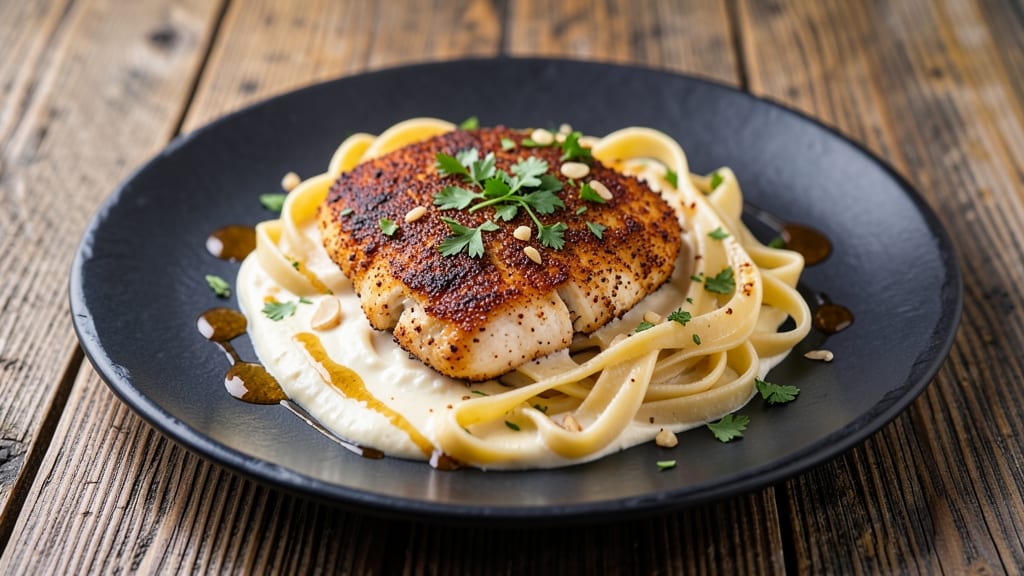
This Red Lobster Cajun Chicken Alfredo copycat recipe brings the restaurant’s bold, creamy heat straight to your stove—without the bill.
The secret lies in properly seasoning the chicken with Cajun spices before searing it to a golden crust, then building a rich alfredo sauce from scratch that perfectly balances heat and creaminess. I've perfected this technique after years of refining restaurant-style copycat recipes in my professional kitchen.
This one-pan method transforms simple ingredients into a restaurant-quality dish that's surprisingly straightforward. The Cajun-spiced chicken cooks in its own juices while developing a flavorful crust, then gets tossed into a velvety alfredo sauce that's been thickened just enough to cling beautifully to both chicken and fettuccine.
The key is developing a proper roux for the sauce foundation, which creates that signature depth of flavor.
What you'll end up with is tender, spicy chicken swimming in a creamy alfredo sauce that's perfectly balanced—no overpowering heat, no thin sauce. The dish arrives at your table looking just like the restaurant version, with that inviting golden hue and appetizing presentation.
This is the kind of recipe that makes weeknight dinners feel like a special occasion without requiring hours in the kitchen.
The best part? This recipe scales perfectly for families or gatherings, and the leftovers reheat beautifully while maintaining that creamy texture. Let's get started on creating your own restaurant-quality Cajun chicken alfredo at home.
Ingredients for red lobster cajun chicken alfredo copycat
The foundation of this restaurant-quality dish starts with premium ingredients that deliver bold Cajun heat and velvety alfredo perfection.
| Ingredient | Amount | Notes |
|---|---|---|
| Boneless, Skinless Chicken Breast Cutlets 🍗 | 1 ½ lb | Pounded to even 1/4-inch thickness |
| Cajun Seasoning 🌶️ | 2 tbsp | High-quality blend, not pre-mixed packets |
| Unsalted Butter 🧈 | ½ cup | Cold, cut into 1-inch pieces |
| Heavy Cream 🥛 | 1 ½ cups | Full-fat for optimal creaminess |
| Fettuccine Pasta 🍝 | 12 oz | High-quality, dried pasta |
| Garlic Cloves 🧄 | 4 cloves | Fresh, peeled, minced |
| Shallots 🧅 | 2 whole | Minced, or substitute 2 tbsp onion |
| Diamond Crystal Kosher Salt 🧂 | 1 ½ tsp | Fine grain preferred |
| Freshly Ground Black Pepper 🌶️ | ½ tsp | Coarse grind preferred |
| Extra-Virgin Olive Oil 🫒 | 2 tbsp | High-quality, fruity variety |
| Dried Parsley 🌿 | 1 tbsp | For garnish, or fresh chopped |
| Red Pepper Flakes 🔥 | ½ tsp | Adjust for desired heat level |
| All-Purpose Flour 🌾 | ½ cup | For roux, not pre-mixed |
The chicken cutlets are non-negotiable for this recipe. Look for boneless, skinless chicken breasts at your local butcher shop or high-end grocery store like Whole Foods—they'll have better quality than the standard supermarket cuts. Pound them to an even 1/4-inch thickness using a meat mallet or rolling pin. This ensures even cooking and maximum tenderness. Cajun seasoning should be a high-quality blend—avoid the pre-mixed packets at the store, which often contain fillers. Tony Chachere's or Zatarain's are excellent choices for that authentic Red Lobster flavor profile. If you can't find fresh shallots, substitute with finely minced red onion—just be aware it'll add a slightly different sweetness to the sauce.
For the alfredo sauce, full-fat heavy cream is essential—it creates that signature luxurious texture. Store-brand heavy cream works fine, but if you want to elevate the dish, Organic Valley or Horizon Organic are excellent choices. The extra-virgin olive oil should be fruity and peppery—California Olive Ranch or Bertolli are reliable options. If you're concerned about the roux burning, keep the heat medium-low and stir constantly. The red pepper flakes are optional but recommended for that signature kick—start with 0.5 tsp and adjust to taste. For the pasta, De Cecco or Barilla are both excellent choices that hold up well to the creamy sauce without becoming mushy. If you're using fresh parsley for garnish, store it properly—wrap the stems in a damp paper towel and place in a plastic bag for up to 5 days in the fridge.
This dish reheats beautifully—simply warm in a saucepan over medium heat, stirring occasionally, until thoroughly heated. The sauce will thicken slightly upon reheating, so you may need to add a splash of heavy cream to restore its original consistency. Store leftovers in an airtight container in the refrigerator for up to 4 days, or freeze for 3 months. For freezing, portion the sauce separately from the pasta to maintain texture. When ready to serve, simply reheat the sauce and toss with the pasta. The dish also scales wonderfully—double the recipe for a family gathering, just ensure your pan is large enough to accommodate the increased volume without overcrowding the chicken.
Why You'll Love This Recipe
- No-Fuss Weeknight Win: I swear by this when I’ve got 20 minutes and zero energy. Just pound those chicken cutlets thin, hit ‘em with Cajun seasoning, and let the butter and cream do the rest while you boil pasta—no fancy techniques, no stress.
- Cajun Cream Magic: That first bite? Rich, spicy, and creamy all at once. The Cajun seasoning gives it a kick while the heavy cream mellows it into something dangerously comforting—like Red Lobster’s version, but better because you’re making it yourself.
- Leftover Hero: This sauce clings to the chicken like glue, so it reheats like a dream. Pack it for lunch or freeze portions—toss with extra pasta later, and it’s still as good as day one. (Yes, even on a Tuesday night.)
- Budget-Friendly Luxury: You’re getting restaurant-quality flavor without the price tag. Chicken cutlets and heavy cream stretch further than you’d think, and fettuccine is cheaper than takeout. Honestly, my wallet thanks me every time.
Step-by-step instructions for red lobster Cajun chicken alfredo copycat recipe
Master this one-pan fusion with perfect balance between spicy Cajun heat and rich Alfredo creaminess.
Prepare the Chicken and Create the Cajun Crust
Begin by pounding the 1.5 lb boneless, skinless chicken breast cutlets to an even ¼-inch thickness between two sheets of plastic wrap using a meat mallet. This ensures even cooking and prevents dryness in the center. Season both sides generously with 2 tbsp Cajun seasoning, pressing firmly so the spices adhere completely. Let the seasoned chicken rest for 5 minutes while you prepare the pan.
Heat 2 tbsp extra-virgin olive oil in a large, deep skillet over medium-high heat until shimmering. Add the chicken cutlets and cook undisturbed for 3-4 minutes per side until the edges develop a golden-brown crust and the internal temperature reaches 160°F. The key here is patience—resist the urge to flip prematurely. Once cooked, transfer the chicken to a clean plate and tent loosely with aluminum foil to keep warm.
Build the Cajun-Inspired Roux and Deglaze
Reduce the heat to medium and immediately add 0.5 cup unsalted butter to the same skillet, allowing it to melt and foam. Stir in 0.5 cup all-purpose flour and cook for 1-2 minutes, whisking constantly, until the mixture forms a smooth, nutty-colored roux. This step is critical—it forms the foundation of your creamy sauce and prevents a raw flour taste.
Add 2 whole minced shallots and 4 cloves minced garlic, cooking for 30 seconds until fragrant. Pour in 1.5 cups heavy cream and 0.5 tsp red pepper flakes, stirring vigorously to combine. The sauce should begin to thicken immediately. If it's too thick, add 2-3 tablespoons of pasta water (reserved from later) to reach a velvety consistency. Let the mixture simmer gently for 3-4 minutes until slightly reduced and fully integrated.
Cook the Fettuccine and Finish the Sauce
Bring a separate pot of well-salted water to a rolling boil and cook the 12 oz fettuccine pasta according to package instructions until al dente (1 minute less than recommended). Reserve 1 cup of pasta water before draining, then add the drained pasta directly to the skillet with the sauce. Toss everything together vigorously for 2-3 minutes until the pasta absorbs the creamy Cajun mixture.
Return the chicken cutlets to the skillet, spooning sauce generously over each piece. Simmer together for 2-3 minutes to heat through completely. The final dish should have a perfect balance—creamy yet slightly spicy, with tender chicken and al dente pasta. Season to taste with additional 1.5 tsp diamond crystal kosher salt and 0.5 tsp freshly ground black pepper if needed.
Garnish and Serve Immediately
Transfer the dish to serving plates and sprinkle each portion with 1 tbsp dried parsley for a pop of color and freshness. The sauce should coat the pasta and chicken perfectly, with a glossy sheen that indicates proper emulsification. Serve immediately while the sauce remains velvety and the chicken stays juicy—this isn't a dish that waits.
For optimal presentation, arrange the chicken cutlets prominently on each plate with the fettuccine fanned around them. The contrast of the creamy sauce against the spicy chicken creates the signature Red Lobster experience. Pair with garlic bread or a simple side salad to complete the meal. The key to success lies in the balance—never let the heat overpower the creaminess, and always maintain that perfect al dente texture in the pasta.
Pro Tips For Making Red Lobster Cajun Chicken Alfredo Copycat
- CRUST THE CHICKEN FIRST: Slap that Cajun seasoning on dry chicken cutlets—no moisture—and let them sit for 10 minutes before cooking. I learned this after my first batch turned out bland; the seasoning sticks better and toasts into flavor instead of washing off in the pan. Skip this, and you’re basically seasoning your butter instead of your chicken.
- SWEAT THE BUTTER LOW: Melt the unsalted butter over medium-low heat until it’s just golden, not browned—about 3-4 minutes. After burning two batches of butter (yes, really), I realized the sauce needs that nutty depth, but you don’t want it tasting like a campfire. Keep an eye on it; it’s easy to walk away for "just a sec."
- DON’T BOIL THE CREAM: When adding heavy cream to the butter, bring it to a gentle simmer (tiny bubbles at the edges) and remove it from heat immediately. I used to let it boil, and the sauce would split like a bad relationship—separation city. Stir in the cream, then lower the heat to lowest and let it thicken naturally.
- SALT THE PASTA WATER: Boil your fettuccine in heavily salted water (like the ocean, but not that salty)—about 1½ tablespoons per quart. I know, I know, you’re focused on the sauce, but under-seasoned pasta ruins the whole dish. Taste the water; if it doesn’t taste like tears, add more salt. Trust me, your future self will notice.
Common mistakes when making perfect results
Over-Spicing the Chicken
I’ve seen this happen more times than I can count—someone douses the chicken in Cajun seasoning like it’s a taco night, and suddenly you’re left with a mouthful of heat and no flavor balance.
The recipe calls for 2 tbsp total, split evenly on both sides. That’s enough to give the chicken a bold, spicy crust without overwhelming the creamy alfredo sauce.
If you’re using a particularly strong Cajun blend (like Tony Chachere’s with extra cayenne), start with 1.5 tbsp and taste the seasoned chicken before cooking. The goal is a bold but balanced flavor, not a chili burn. 🌶️
Skipping the Roux
The roux is the backbone of this sauce—it’s what transforms thin, watery cream into a rich, velvety alfredo. I can’t stress enough how critical this step is. If you rush it or skip it entirely, your sauce will taste raw and floury.
Cook the 0.5 cup butter and 0.5 cup flour over medium heat for 1-2 minutes, stirring constantly, until it reaches a nutty brown color. This takes patience, but it’s worth it for that restaurant-quality depth. Pro tip: Use a whisk for smooth, lump-free results. 🧈
Undercooking the Chicken
Nothing ruins a dish faster than dry, rubbery chicken. The cutlets should reach an internal temperature of 160°F before removing them from the pan. I’ve seen home cooks pull the chicken too soon because they’re afraid it’ll dry out—don’t be one of them.
Use a meat thermometer for accuracy, and let the chicken rest for 5 minutes after seasoning before cooking. This helps the spices penetrate the meat evenly. If you’re unsure, cut into one piece—it should be juicy and tender, not tough or pale. 🍗
Ignoring the Pasta Water
This is a common rookie mistake that can turn your creamy sauce into a gluey mess. Always reserve 1 cup of pasta water before draining the fettuccine. The starch in the water acts as a natural emulsifier, helping the sauce cling to the pasta and chicken.
If your sauce starts to thicken too much while tossing, add 2-3 tablespoons of that reserved water to restore its silky consistency. Trust me, this small step makes all the difference in the final texture. 💫
Overcrowding the Pan
Cooking the chicken in a crowded pan steams it instead of searing, leading to soggy, unevenly cooked cutlets. Your skillet should only hold 2-3 cutlets at a time for proper browning. If you’re feeding a crowd, work in batches—this ensures a golden crust and juicy interior.
I use a 12-inch cast-iron skillet for this recipe, which gives me enough space without overcrowding. If your pan is too small, consider using a griddle or cooking the chicken in two rounds. 🔥
Rushing the Sauce Reduction
The sauce needs time to meld and thicken properly. After adding the heavy cream, let it simmer gently for 3-4 minutes—don’t rush it by cranking up the heat. This allows the flavors to develop and the sauce to reach that perfect velvety consistency.
If you’re in a hurry, you’ll end up with a thin, watery sauce that clings poorly to the pasta. Patience here is key—it’s the difference between a restaurant-quality dish and a homemade disappointment. ⏰
Nutrition facts
Frequently asked questions
Can I substitute chicken thighs for breasts in this recipe?
Chicken thighs work beautifully and stay juicier due to their higher fat content. For best results, use 1.5 lb boneless, skinless thighs and adjust cooking time to 5-6 minutes per side until they reach 165°F internally. The skin adds extra flavor, so consider leaving it on for a crispy finish.
How do I make this dish vegetarian?
Replace the chicken with 12 oz sliced portobello mushrooms or extra-firm tofu pressed and pan-seared. For mushrooms, marinate in 2 tbsp Cajun seasoning + 1 tbsp olive oil for 15 minutes before cooking. Use the same sauce technique, but add 1 tbsp nutritional yeast to the roux for depth. The texture will differ but still deliver that creamy, spicy profile.
Why does my sauce get lumpy?
Lumpy sauce usually means the roux wasn't cooked long enough or wasn't whisked properly. Always cook the butter and flour over medium heat for 1-2 minutes until nutty brown, whisking constantly. For extra smoothness, strain the finished sauce through a fine-mesh sieve before combining with pasta.
Can I make this ahead of time?
Yes, but with a few adjustments. Cook the chicken and sauce separately, then refrigerate in airtight containers for up to 2 days. Reheat the sauce gently over low heat, adding a splash of heavy cream if needed. Cook pasta fresh and toss with the reheated sauce just before serving. The texture won't be as velvety as fresh, but it's still delicious.
What's the best way to adjust the heat level?
Start with the 0.5 tsp red pepper flakes called for, then adjust to taste. For milder heat, reduce to 0.25 tsp. For extra spice, add 0.25 tsp cayenne pepper to the sauce or serve with hot sauce on the side. Always taste the sauce before serving—you can't fix it once it's on the plate!