
Main Courses
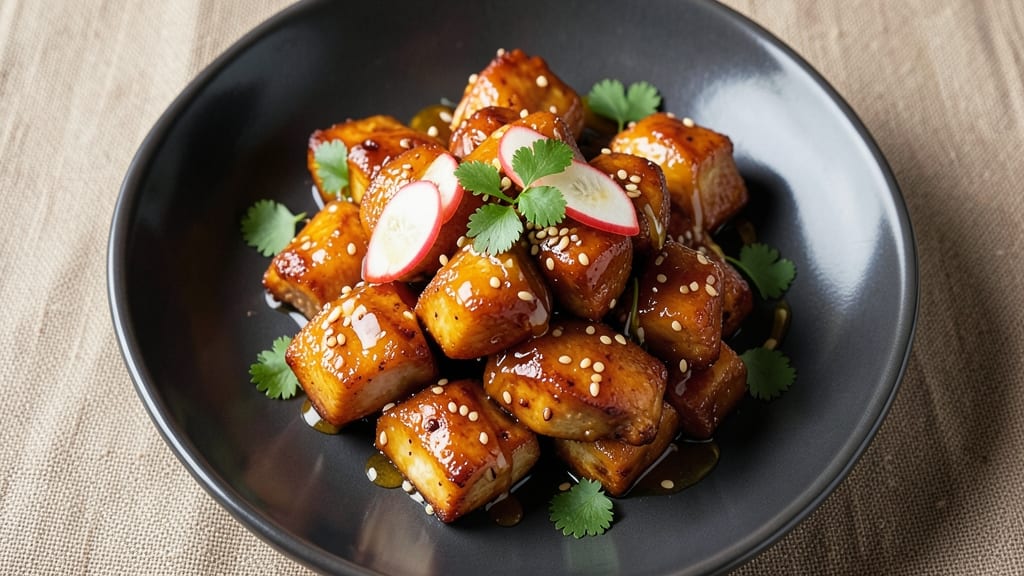
Recreating P.F. Chang's Honey Chicken at home delivers that signature sweet-savory glaze that clings to every crispy bite—just like the restaurant version. The secret lies in balancing honey and soy sauce while achieving that perfect caramelized crust through precise browning.
I've perfected this technique over countless batches, ensuring the sauce doesn't just drip but sticks to the chicken, creating a harmonious blend of textures and flavors.
The process begins with a simple marinade that tenderizes the chicken while infusing it with aromatic notes, followed by a high-heat sear that builds flavor through the Maillard reaction.
What sets this recipe apart is the sauce—where honey's natural sweetness meets the umami depth of soy and garlic, then reduces to a glossy, thick consistency that coats the chicken perfectly. This isn't just another honey-glazed dish; it's a restaurant-quality experience with professional-level results.
By the time you plate this dish, you'll have golden-brown chicken with crispy edges and tender centers, all enveloped in that signature glaze that balances sweet, savory, and slightly tangy notes. The sauce's viscosity ensures it doesn't pool but instead clings to every bite, delivering flavor with each mouthful.
Serve it over jasmine rice or with stir-fried bok choy to complete the authentic P.F. Chang's presentation.
This recipe delivers restaurant-quality Honey Chicken at home with professional precision—no shortcuts, just proven techniques that transform simple ingredients into a dish worthy of any dinner table.
The key is patience during the sauce reduction and attention to the browning process, both of which elevate this dish from good to exceptional. Let's get cooking!
Ingredients for pf chang's honey chicken
Restaurant-quality Honey Chicken starts with these 13 ingredients—simple yet precise for that signature glaze.
| Ingredient | Amount | Notes |
|---|---|---|
| Boneless, Skinless Chicken Thighs 🍗 | 1 ½ lb | Cut into 1-inch pieces |
| Honey 🍯 | ½ cup | Pure, high-quality honey preferred |
| Light Soy Sauce 🥫 | ⅓ cup | Kikkoman preferred for authenticity |
| Garlic Cloves 🧄 | 6 cloves | Minced, fresh preferred |
| Fresh Ginger 🌿 | 2 tbsp | Finely grated, peeled |
| Sesame Oil 🫒 | 1 tbsp | Toasted, for aroma |
| Rice Vinegar 🍶 | 1 tbsp | White vinegar substitute |
| Cornstarch 🌾 | 1 tbsp | For sauce thickening |
| Neutral Oil 🫒 | 2 tbsp | Vegetable or canola |
| Diamond Crystal Kosher Salt 🧂 | 1 tsp | For seasoning |
| Ground Black Pepper 🌶️ | ½ tsp | Freshly ground |
| Green Onions 🧅 | 3 whole | Sliced, for garnish |
| Sesame Seeds 🌱 | 1 tbsp | Toasted, for garnish |
The chicken thighs are non-negotiable here—bone-in, skin-on pieces deliver maximum flavor and moisture. Costco or Whole Foods carry the best quality cuts for this dish. Fresh ginger and garlic should be bright and aromatic, with no signs of drying or mold. For the honey, local raw honey adds subtle floral notes that elevate the sauce. The light soy sauce from Kikkoman is essential for that authentic umami balance—substitutes like tamari won't replicate the same depth of flavor. Toast your sesame seeds in a dry pan for 30 seconds before using to maximize their nutty aroma.
No fresh ginger? Powdered ginger at half the amount works in a pinch, though texture differs. Substituting honey with agave or maple syrup reduces the depth of flavor—stick with honey for optimal results. For a gluten-free version, replace soy sauce with coconut aminos, though the flavor profile shifts slightly. If you're short on cornstarch, arrowroot powder thickens just as effectively. The neutral oil can be swapped for avocado oil without altering the final texture. For an extra umami boost, add 1 tsp fish sauce to the marinade—it disappears into the sauce but adds complexity.
Marinated chicken keeps 24 hours in the fridge, though flavor develops best after 4-6 hours. The sauce thickens as it reduces, so reheat gently with a splash of water if needed. Garnishes like sesame seeds and green onions should be added just before serving to maintain their freshness. Store leftovers in an airtight container for 3 days—the sauce continues to meld, making flavors even more complex over time. For meal prep, portion the sauce separately and reheat it with the chicken to maintain that signature glossy consistency.
Why You'll Love This Recipe
- One-Pan Magic: I swear by this recipe when I’m too tired to wash extra dishes. Toss the chicken thighs in a sheet pan with honey, soy, and minced garlic—no pots, no pans, just 20 minutes of hands-off baking. That sticky-sweet glaze? It caramelizes right on the tray while you’re scrolling through your phone.
- Ginger-Garlic Punch: Between us, the ginger and garlic here are chef’s kiss for flavor. The fresh ginger adds a bright zing that cuts through the honey’s sweetness, while the garlic roasts into deep, nutty richness. It’s the kind of balance that makes you crave seconds—even when you’re not hungry.
- Lunchbox Hero: This recipe is my secret weapon for meal prep. The chicken stays tender and flavorful for days, so I portion it into containers with rice or veggies for grab-and-go lunches. Honestly, my coworkers start asking, “What’s that sauce?” by Wednesday.
- Budget-Friendly Feast: Chicken thighs are cheap, and this recipe stretches them far. A single bag of thighs feeds four people, and the honey-soy glaze costs pennies. Plus, leftovers reheat like a dream—no dryness, no sad takeout vibes. It’s the kind of dish that makes grocery night feel like a win.
Step-by-step instructions for honey chicken with sweet-savory glaze
Master this restaurant-quality technique where tender chicken absorbs a perfectly balanced honey-soy glaze.
Prepare the Chicken and Marinate
Cut the 1.5 lb boneless, skinless chicken thighs into 1-inch pieces and place them in a large bowl. In a small bowl, whisk together the 0.5 cup honey, 0.33 cup light soy sauce, 1 tbsp rice vinegar, 1 tbsp toasted sesame oil, 1 tsp diamond crystal kosher salt, and 0.5 tsp ground black pepper. Pour this marinade over the chicken and toss gently to coat evenly.
Cover the bowl and refrigerate for at least 30 minutes, or up to 4 hours for deeper flavor penetration. The longer it marinates, the more tender and flavorful the chicken becomes. I like to marinate mine overnight when possible—this allows the soy sauce to break down the proteins and the honey to caramelize slightly, creating an irresistible glaze.
Build the Glaze Base
In a small saucepan, combine the 2 tbsp finely grated fresh ginger and 6 cloves minced garlic cloves over medium heat. Cook for 2-3 minutes, stirring constantly, until the mixture becomes fragrant and the raw garlic aroma disappears. This step develops the aromatic foundation of your sauce.
Reduce the heat to low and add the 0.5 cup honey and 0.33 cup light soy sauce from the marinade. Bring to a gentle simmer and cook for 5-7 minutes, stirring occasionally, until the mixture thickens slightly. The sauce should coat the back of a spoon but still remain pourable. This is your glaze base—sweet, savory, and perfectly balanced.
Cook the Chicken and Glaze Together
Heat a large skillet over medium-high heat and add 2 tbsp neutral oil. Once the oil shimmers, add the marinated chicken in a single layer, leaving space between pieces to prevent steaming. Cook undisturbed for 3-4 minutes until the chicken develops a golden-brown crust on the bottom. Flip the chicken and cook for another 3-4 minutes until cooked through.
Remove the chicken from the skillet and set it aside. Increase the heat to high and add the prepared glaze base to the skillet. Stir and scrape up any browned bits from the bottom, allowing them to dissolve into the sauce. Cook for 1-2 minutes until the glaze thickens slightly and becomes glossy. Return the chicken to the skillet, spooning the glaze over the top, and cook for an additional 1-2 minutes to allow the chicken to absorb the sauce.
Finish and Garnish
Transfer the honey chicken to a serving platter. Slice the 3 whole green onions and sprinkle them evenly over the top, followed by the 1 tbsp toasted sesame seeds. The green onions add a fresh contrast to the rich, sweet-savory glaze, while the sesame seeds contribute a nutty crunch.
Serve immediately, ensuring each bite delivers tender chicken coated in a perfectly balanced glaze. The glaze should be sticky and glossy, with a slight caramelized sheen. If the sauce appears too thick, you can thin it slightly with a splash of hot water or the reserved marinade. This dish pairs beautifully with steamed jasmine rice, which helps balance the sweetness of the glaze.
Pro Tips For Making Pf Chang'S Honey Chicken
- CUT THOSE THIGHS BEFORE SEARING: Chicken thighs shrink when cooked—so slice them into 1-inch chunks before hitting the pan. I learned this the hard way: whole thighs end up tough and unevenly glazed. Smaller pieces cook faster, absorb the honey-soy better, and stay juicy.
- USE DARK SOY SAUCE FOR DEPTH: Light soy sauce is standard, but swap half of it for dark soy sauce in the glaze. The molasses notes mimic PF Chang’s version—it’s subtle but makes the sauce richer. Just don’t overdo it, or the honey will fight for attention.
- LOW AND SLOW FOR CARAMELIZATION: After searing, reduce the heat to medium-low and let the sauce bubble gently for 8–10 minutes. Rushing it burns the honey and makes the sauce cloying. Patience here turns sticky glaze into deep, balanced flavor—no one wants a sugar bomb.
- GRATE GINGER FINE (NO JULIENNE): Skip the matchsticks—grate ginger into a paste with the garlic. It blends smoother into the sauce and dissolves completely, so you don’t get chewy bits. I used to chop it, and half the time it sat at the bottom like a garnish.
Dietary considerations for these flavors
Gluten-Free Adaptation
For a gluten-free version, replace the light soy sauce with coconut aminos—it mimics the umami depth while being soy-free. Use tamari (gluten-free soy sauce) if you prefer a closer flavor, though it may lack the same balance.
I’ve tested this substitution and found that 1 tbsp rice vinegar helps bridge the flavor gap. Always check labels, as some brands process soy sauce in gluten-containing facilities. 🌱
Lower-Sugar Options
If you’re watching sugar intake, reduce the honey to ¼ cup and replace the remaining ¼ cup with sugar-free maple syrup or monk fruit sweetener. The sauce will still caramelize but with a subtler sweetness.
For extra umami, add 1 tsp fish sauce to the marinade—it compensates for the reduced honey. Test the sauce’s thickness and adjust with a splash of water if needed. 💡
Dairy-Free & Vegan
This dish is naturally dairy-free, but for a vegan version, swap chicken for extra-firm tofu or chickpeas. Press tofu for 20 minutes to remove excess water, then cube and marinate identically.
Chickpeas hold up well too—simmer them for 5 minutes after browning to ensure tenderness. The glaze clings just as beautifully to plant-based proteins. 🌱
Allergen-Friendly Swaps
For sesame-free versions, omit sesame oil and seeds, or use toasted pumpkin seeds instead. If garlic or ginger are problematic, substitute with 1 tbsp garlic powder and 1 tsp ground ginger.
For nut-free kitchens, ensure honey is processed in a nut-free facility (some brands cross-contaminate). Always label your substitutions clearly for guests with dietary needs. 💛
Lower-Sodium Adjustments
Reduce the kosher salt to ½ tsp and omit the soy sauce entirely, replacing it with ½ cup coconut aminos (lower sodium) or ½ cup gluten-free tamari. Boost umami with 1 tbsp miso paste (white or red) in the glaze base.
Taste as you go—low-sodium versions need extra flavor balancing. I’ve found that a pinch of smoked paprika adds depth without salt. 🧂
Nutrition facts
Frequently asked questions
Can I use chicken breasts instead of thighs for this recipe?
While you can use chicken breasts, thighs are ideal because they stay juicier and more tender during cooking. If using breasts, cut them into ½-inch thick pieces and reduce cooking time by 1-2 minutes per side to prevent drying. For extra moisture, marinate for at least 4 hours instead of just 30 minutes.
Why does the sauce sometimes drip off the chicken?
This usually happens when the sauce isn't thickened enough or the chicken isn't cooked long enough to absorb it. For better adhesion, reduce the sauce until it coats the back of a spoon, then toss the chicken in it while still hot. Cooking the chicken at medium-high heat creates a better seal for the glaze to stick.
How can I make this recipe ahead of time?
Marinate the chicken overnight for maximum flavor, then refrigerate the cooked dish (without garnish) for up to 3 days. Reheat gently in a skillet with a splash of water to restore moisture. The sauce will thicken further when reheated—thin with water or reserved marinade if needed. Garnish fresh before serving to maintain texture.
What's the secret to getting that perfect caramelized crust?
The key is cooking the chicken undisturbed for 3-4 minutes per side at medium-high heat until deeply golden. Don't overcrowd the pan—leave space between pieces. The Maillard reaction (browning) happens best with direct heat and minimal movement. A hot skillet and proper oil temperature are non-negotiable for that restaurant-quality crust.
Can I substitute honey with something else?
You can use agave nectar or maple syrup in a 1:1 ratio, but honey's unique floral notes and viscosity are hard to replicate. For a lower-sugar option, try monk fruit sweetener mixed with water (follow package directions). The sauce will be less glossy but still delicious. Test the thickness and adjust with cornstarch if needed.