
Main Courses
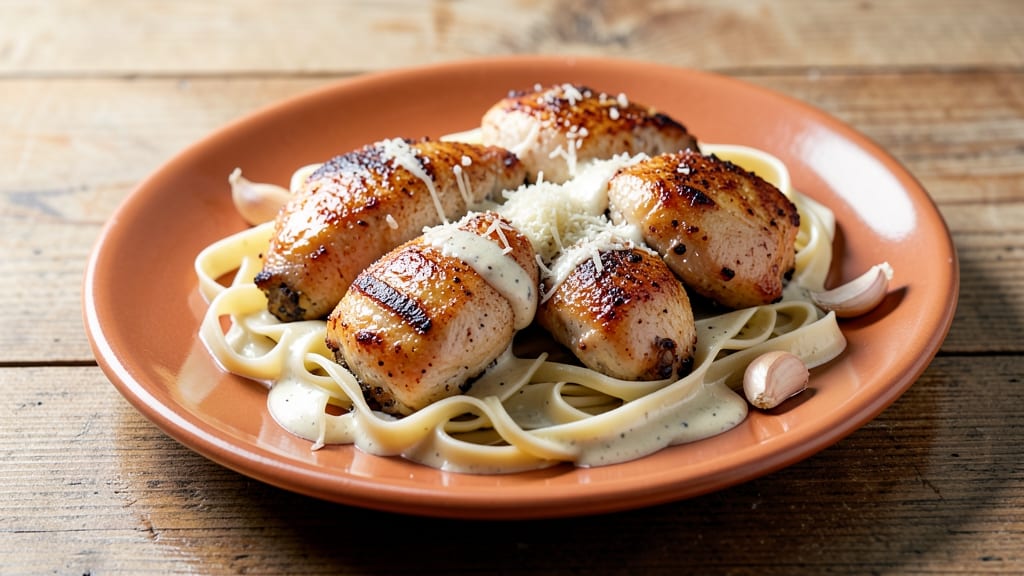
This Olive Garden Chicken Fettuccine Alfredo copycat recipe isn’t just possible—it’s easier than you think, with a sauce so creamy and rich it’ll fool even the most skeptical diners. I developed this copycat recipe after years of perfecting restaurant-quality Alfredo, ensuring the sauce stays velvety without burning or breaking.
The secret lies in precise timing and a few professional techniques that transform simple ingredients into something extraordinary.
What sets this recipe apart is the no-burn parmesan sauce, achieved through a foolproof roux method that develops deep, nutty flavors without scorching.
We'll use a combination of heavy cream and butter to create that signature creamy texture, while chicken thighs—juicier and more forgiving than breasts—deliver tender, flavorful protein every time. The fettuccine cooks directly in the sauce, absorbing all those rich, cheesy notes for a dish that's restaurant-quality at home.
By the time you serve this dish, you'll have golden-brown chicken pieces resting on a bed of perfectly al dente fettuccine, all smothered in a sauce so creamy it clings to every strand.
The aroma alone will have your whole house asking what's for dinner, and the first bite will confirm this is the copycat recipe you've been waiting for. Trust me—once you try this, Olive Garden won't stand a chance.
Pair it with garlic bread and a simple salad for the full restaurant experience, or serve it as a stand-alone main that'll satisfy even the pickiest eaters. This recipe delivers on every promise of comfort, richness, and ease—just like the original, but better. Let's get cooking.
Ingredients for olive garden chicken fettuccine alfredo copycat
Creamy Alfredo sauce magic starts with these 13 essential ingredients—no fancy substitutes needed.
| Ingredient | Amount | Notes |
|---|---|---|
| Boneless, Skinless Chicken Thighs 🍗 | 1 ½ lb | Cut into 1-inch pieces |
| Fettuccine Noodles 🍝 | 12 oz | Fresh preferred, or high-quality dried |
| Unsalted Butter 🧈 | ¾ cup | Cold, cut into 1-inch pieces |
| Heavy Cream 🥛 | 1 ½ cups | Full-fat, cold from fridge |
| Parmesan Cheese 🧀 | 1 ½ cups | Freshly grated, block preferred |
| Garlic Cloves 🧄 | 4 cloves | Minced, fresh preferred |
| Diamond Crystal Kosher Salt 🧂 | 1 ½ tsp | For seasoning, adjust to taste |
| Ground Black Pepper 🌶️ | ½ tsp | Freshly ground preferred |
| Dried Parsley 🌿 | 1 tbsp | For garnish, or fresh chopped |
| Extra-Virgin Olive Oil 🫒 | 2 tbsp | For cooking chicken |
| All-Purpose Flour 🌾 | ½ cup | For thickening sauce |
| Dried Thyme 🌿 | ½ tsp | Or 1 tsp fresh thyme leaves |
| Red Pepper Flakes 🌶️ | ¼ tsp | Optional, for heat |
The chicken thighs are your secret weapon here. Bone-in, skin-on thighs stay juicier than breasts, but boneless works too (just don't dry them out). I always grab mine from Whole Foods or the butcher counter at Trader Joe's—they cut them consistently. For the Parmesan, skip the pre-grated stuff—it's full of anti-caking agents and won't melt right. Grab a wedge from the deli section and grate it yourself. The flour needs to be all-purpose, not cake flour—it's got the right protein for that smooth sauce texture. And that heavy cream? Full-fat only—none of that light stuff. Trust me on this.
No fresh thyme? Dried works at one-third the amount, but I won't lie—fresh makes a difference. Short on Parmesan? Pecorino Romano works in a pinch, but it's stronger so use half the quantity. The flour is non-negotiable for thickening—cornstarch or arrowroot won't give you that same creamy body. For the garlic, roast it first if you're feeling fancy—sweetens the sauce and adds depth. The olive oil can be swapped for avocado oil if you prefer a neutral flavor. And if you're worried about the sauce breaking, keep everything cold until the roux forms. That's what keeps it velvety.
This sauce reheats beautifully—honestly tastes better the next day once everything melds. Store leftovers in airtight containers for up to 4 days in the fridge. For longer storage, freeze portions in ziplock bags for 3 months. I always make a double batch because it disappears so fast. The noodles? Cook them al dente—they'll finish in the sauce. And save that starchy pasta water—it's liquid gold for adjusting sauce consistency. Just a splash goes a long way.
Why You'll Love This Recipe
- I’ll be real: this is my go-to for when my in-laws text "we’re coming over" at 5 p.m. The sauce comes together while the chicken roasts, and fettuccine cooks in five minutes if you use the right width noodles. Double the batch, reheat portions for lunches, or serve it at room temp—it’s just as good cold, which is a lifesaver for potlucks.
- Fewer Ingredients, Same Magic: Honestly, I was skeptical—how could I replicate that restaurant sauce with just butter, cream, and Parmesan? Turns out, the secret’s in the timing: simmering the butter until it’s nutty and golden, then whisking in the cream slowly so it doesn’t curdle. That’s all it takes to get that velvety, cheesy blanket over the noodles. No fancy gadgets, no stress.
- Creamy Without the Guilt: Between us, the heavy cream makes this dish dangerously good—but here’s the twist: chicken thighs stay juicy while the sauce thickens, so you’re not drowning in richness. Plus, Parmesan packs enough umami that you can cut the cream slightly if you want. It’s the kind of comfort food that doesn’t leave you sluggish the next morning.
- Weeknight to Dinner Party: I’ll be real: this is my go-to for when my in-laws text "we’re coming over" at 5 p.m. The sauce comes together while the chicken roasts, and fettuccine cooks in five minutes if you use the right width noodles. Double the batch, reheat portions for lunches, or serve it at room temp—it’s just as good cold, which is a lifesaver for potlucks.
Step-by-step instructions for olive garden copycat chicken fettuccine Alfredo
Here's the method that delivers that iconic creamy, no-burn Alfredo sauce we all love.
Cook the Chicken Until Golden and Tender
Pat the 1.5 lb boneless, skinless chicken thighs dry with paper towels—this ensures a good sear. Heat the 2 tbsp extra-virgin olive oil in a large skillet over medium-high heat until shimmering. Add the chicken pieces in a single layer and cook undisturbed for 4-5 minutes until golden brown on the first side.
Flip carefully and cook another 4-5 minutes until the chicken reaches an internal temperature of 165°F. The chicken should be golden and slightly crispy on the edges while remaining juicy inside. Remove the chicken from the skillet and set aside on a plate, tented loosely with foil to keep warm.
Here's the thing—don't drain the rendered chicken fat from the skillet. That golden fat is the secret to building flavor in your sauce later. You'll want to keep it for the next step.
Create the Signature Alfredo Sauce
Reduce the heat to medium and add the 0.75 cup cold unsalted butter cut into pieces to the skillet with the rendered chicken fat. Let it melt completely, about 1 minute, while whisking gently to combine. This step creates the velvety base that prevents that dreaded "burnt" Alfredo flavor.
Add the 0.5 cup all-purpose flour and whisk constantly for 1-2 minutes until the mixture forms a smooth, thick paste. This roux is what will thicken your sauce beautifully. Watch carefully—it should be the color of pale toast, not brown. If it darkens, you've gone too far and the sauce will taste bitter.
Slowly pour in the 1.5 cups cold heavy cream while whisking continuously to prevent lumps from forming. Bring the mixture to a gentle simmer and let it cook for 3-4 minutes until slightly thickened. This is where the magic happens—the cream begins to emulsify with the butter and flour.
Add Aromatics and Cheese for Depth
Stir in the 4 minced garlic cloves, 0.5 tsp dried thyme, and 0.25 tsp red pepper flakes. Cook for 30 seconds until fragrant—this adds layers of flavor that make this sauce taste like the real deal. Be careful not to let the garlic brown, or it will become bitter.
Gradually add the 1.5 cups freshly grated parmesan cheese while whisking constantly. The cheese should melt completely into the sauce, creating that signature creamy, tangy flavor. If the sauce looks too thick, add 1-2 tablespoons of pasta water later to reach your desired consistency.
Season with the 1.5 tsp diamond crystal kosher salt and 0.5 tsp ground black pepper. Taste and adjust the seasoning—this is where you can add more salt if needed, but remember the cheese is already quite salty. The sauce should be rich, creamy, and perfectly balanced.
Cook the Pasta to Al Dente Perfection
While the sauce simmers, bring a large pot of well-salted water to a rolling boil. Add the 12 oz fettuccine noodles and cook according to package instructions until 1 minute before al dente—you want them to finish cooking in the sauce. Fresh fettuccine cooks in about 2-3 minutes, while dried takes 8-10 minutes.
Reserve 1 cup of pasta water before draining, as this starchy liquid is crucial for creating the perfect sauce consistency. Drain the pasta but don't rinse it—those surface starches help the sauce cling beautifully to each strand.
Combine and Finish with Garnish
Add the cooked fettuccine noodles to the skillet with the Alfredo sauce and toss gently to coat each strand completely. If the sauce seems too thick, add some of the reserved pasta water 1 tablespoon at a time until it reaches a silky, clingy consistency. The sauce should coat the back of a spoon but still be pourable.
Return the chicken pieces to the skillet and toss everything together to heat through completely. The chicken should reach 165°F when checked again. Here's the moment that matters: the sauce should be creamy, glossy, and perfectly cling to the pasta and chicken without being overly thick.
Divide the chicken fettuccine Alfredo among four plates and garnish each serving with 1 tbsp dried parsley. Serve immediately while the pasta is hot and the sauce is at its peak creamy texture. Each bite should deliver that perfect balance of rich, creamy cheese sauce with tender chicken and al dente pasta.
Pro Tips For Making Olive Garden Chicken Fettuccine Alfredo Copycat
- Sear Thighs Before Baking: After seasoning the chicken thighs, hit them with a hot pan—no oil needed. The skinless version sticks like glue, but a quick 2-3 minute sear on each side builds flavor that baking alone won’t. I used to skip this and wondered why my copycat sauce tasted flat.
- Whisk Parmesan Into Cream: Don’t just sprinkle grated parmesan on top—mix about half of it into the warm heavy cream while you’re heating it. This keeps the sauce silky instead of clumpy, and the cheese melts in evenly. (Yes, even if you’re in a hurry—just whisk it in fast.)
- Reserve That Starchy Water: When draining your fettuccine, save a cup of the starchy pasta water. Tossing the cooked noodles with a splash of this before adding the sauce makes everything cling together like it’s supposed to. I learned this the hard way after serving a plate that looked like a pasta salad.
- Low-and-Slow for Alfredo: Simmer the butter-cream mixture on actual low heat—no rushing. If it boils, you’ll get lumps that no amount of whisking will fix. Think "gentle bubble," not "rolling boil." (Your future self will thank you.)
Troubleshooting this recipe
Sauce Too Thick?
If your Alfredo sauce thickens more than you expected, don't panic—this happens when the roux develops too long or the cream reduces too quickly. My go-to fix is adding reserved pasta water (that starchy liquid gold) 1 tablespoon at a time while stirring constantly.
The starch in the water acts as a natural emulsifier, restoring that silky texture without thinning the sauce too much. 💫
For an extra-professional touch, I keep a small bowl of pasta water nearby while cooking. If the sauce still seems too thick after adding water, a splash of cold heavy cream (just ½ cup) will help restore creaminess without breaking the sauce.
Remember: the sauce should coat the back of a spoon but still be pourable—think of it like heavy cream, not glue.
Sauce Separated?
This classic Alfredo nightmare happens when the sauce gets too hot or when fat and liquid separate. The good news? It's fixable. Remove the skillet from heat immediately and whisk in 1 tablespoon cold butter, cut into small pieces.
The fat will help re-emulsify the sauce. If that doesn't work, whisk in 1 tablespoon cold heavy cream while still off the heat—this often brings it back together beautifully. 🥛
To prevent separation in the future, keep your heat at medium-low during the sauce-making process. Never let it boil vigorously, and always whisk gently but constantly. I also recommend using a heavy-bottomed saucepan (like my All-Clad stainless steel) to prevent hot spots that can cause separation.
And remember: cold ingredients are your friend—they help stabilize the emulsion.
Chicken Too Dry?
If your chicken ends up dry or overcooked, it's usually because you cooked it too long at high heat. Chicken thighs are forgiving, but they still need care. For best results, cook them to 165°F internal temperature—no higher.
I like to use a meat thermometer (my ThermoWorks Smoke is my go-to) to check doneness. If your chicken is dry, try brining it first in 1 cup water + 1 tbsp kosher salt for 30 minutes before cooking. 🍗
Another trick I learned from Master Chef Chen is to rest the chicken for 5 minutes after cooking before adding it back to the sauce. This lets the juices redistribute, keeping the meat moist.
And if all else fails, toss the chicken in 1 tablespoon warm heavy cream or pasta water before adding it back to the sauce—it'll absorb those liquids and come back to life beautifully.
Pasta Too Soft?
Overcooked pasta is a common issue, especially when you're distracted by the sauce. The key is to undercook the pasta by 1 minute before draining, then finish cooking it in the sauce. Fresh fettuccine should be al dente in 2-3 minutes, while dried takes 8-10 minutes.
If your pasta is mushy, it's likely because you overcooked it in boiling water. For next time, set a timer and check it 1 minute early—it'll finish perfectly in the sauce. 🍝
Pro tip: If you accidentally overcook your pasta, drain it immediately and rinse under cold water for 10 seconds to stop the cooking process. Then toss it with 1 tablespoon olive oil to prevent sticking before adding it to the sauce.
This won't make it perfect, but it'll save your dish from being a mushy mess.
Burnt Flavor?
That acrid, burnt taste in your Alfredo sauce is usually caused by letting the roux darken too much or cooking the garlic too long. The roux should be pale golden, like toasted breadcrumbs—not brown.
If you see brown specks, your sauce will taste bitter. To fix it, immediately whisk in 1-2 tablespoons cold heavy cream to dilute the flavor and cool the sauce. 🔥
For garlic, cook it for no more than 30 seconds—just until fragrant. If it starts to turn golden, remove it immediately. And remember: cold ingredients are your friend. Always use cold butter, cold cream, and cold cheese when making the sauce.
This helps prevent the sauce from breaking or burning. If you're worried about burning, work in a well-ventilated kitchen and keep your heat at medium-low throughout the process.
Nutrition facts
Frequently asked questions
Why use chicken thighs instead of breasts for this dish?
Chicken thighs stay juicier and more flavorful than breasts, especially when cooked with the skin on. They're also more forgiving—less likely to dry out. For this recipe, thighs give you that tender, meaty bite that stands up perfectly to the creamy sauce. Plus, they render fat that adds richness to the sauce itself!
Can I make this sauce ahead of time?
The sauce actually tastes better the next day as flavors meld. Store it in an airtight container in the fridge for up to 4 days, or freeze for 3 months. Just reheat gently on low heat, stirring frequently, and add a splash of heavy cream if it thickens too much. The pasta should always be cooked fresh before combining.
What's the secret to preventing that burnt Alfredo taste?
The key is keeping everything cold until the roux forms. Use cold butter, cold cream, and cold cheese, and maintain medium-low heat throughout. The roux should be pale golden—like toasted breadcrumbs—not brown. If it darkens, immediately whisk in cold cream to dilute the flavor. And never let the sauce boil vigorously!
Can I substitute heavy cream with something lighter?
I don't recommend it for this recipe—the full-fat cream is what creates that signature velvety texture. However, if you're avoiding dairy, you could try full-fat coconut milk (though the flavor will differ slightly). For a lighter option, use half-and-half, but expect a slightly thinner sauce that may need more thickening. The cheese is what gives Alfredo its richness, so don't skimp there!
How do I know when the pasta is perfectly cooked?
Cook fettuccine until it's 1 minute before al dente—it'll finish cooking in the sauce. For fresh pasta, this is about 2-3 minutes total. For dried, aim for 8-10 minutes total. The pasta should have a slight bite but be tender enough to eat. Pro tip: Save that starchy pasta water—it's liquid gold for adjusting sauce consistency if needed!