
Main Courses
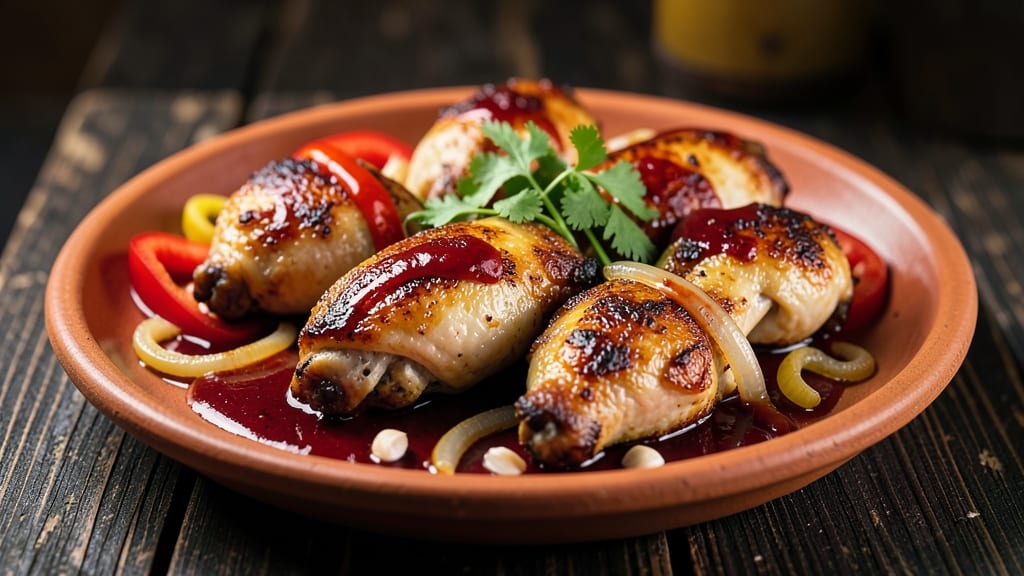
This Nigerian chicken pepper soup delivers the bold, aromatic flavors of West African cuisine with tender meat and a rich, herbal broth that's impossible to resist.
After years of perfecting the blend of spices and cooking techniques, I've created a version that balances heat, depth, and tenderness—just like my grandmother used to make on Sundays.
The secret lies in the slow simmering process that transforms tough chicken into melt-in-your-mouth perfection while building layers of flavor in the broth.
The recipe begins with a marinade of blended peppers, onions, and aromatic spices that infuse the chicken with complex flavors before it even hits the pot.
We then build the signature pepper soup—spicy, herbal, and deeply savory—using a combination of fresh and dried ingredients that create a broth so flavorful it becomes the star of the dish.
This isn't just a recipe; it's a celebration of Nigerian culinary tradition brought to your home kitchen with professional results.
By the time you're done, you'll have perfectly tender chicken swimming in a vibrant broth that's rich with the essence of black pepper, ginger, and traditional herbs.
The aroma alone will have everyone gathering around the table, and the first bite delivers that perfect balance of spice, warmth, and umami that defines this iconic dish. This is comfort food at its finest—heartwarming, satisfying, and full of love.
Serve it with jollof rice or pounded yam for the complete experience, or enjoy it as-is with crusty bread to soak up every last drop of that flavorful broth. Let's get cooking—this recipe transforms a simple weeknight into a taste of home.
Ingredients for nigerian chicken
Bold flavors start with these essential ingredients for authentic Nigerian chicken pepper soup.
| Ingredient | Amount | Notes |
|---|---|---|
| Chicken Thighs 🍗 | 1 ½ lb | Bone-in, skin-on preferred |
| Red Bell Peppers 🌶️ | 2 whole | Seeded and chopped |
| Yellow Onions 🧅 | 1 whole | Chopped into small pieces |
| Fresh Ginger 🌿 | 2 tbsp | Grated, not powdered |
| Scotch Bonnet Peppers 🌶️ | 2 whole | Seeds removed, chopped |
| Garlic Cloves 🧄 | 6 cloves | Minced, fresh preferred |
| Black Peppercorns 🌶️ | 1 tbsp | Crushed, not ground |
| Fresh Thyme 🌿 | ¼ cup | Stems removed, chopped |
| Fresh Parsley 🌿 | ¼ cup | Chopped, for garnish |
| Dried Shrimp 🦐 | ½ oz | Optional, for extra umami |
| Vegetable Oil 🫒 | ½ cup | For cooking chicken |
| Chicken Bouillon Cubes 🍲 | 2 whole | Knorr preferred |
| Salt 🧂 | 1 ½ tsp | Adjust to taste |
| Water 💧 | 4 cups | For broth base |
The chicken thighs are non-negotiable—bone-in, skin-on gives the most flavor. Look for good quality at your local African market or the butcher section; they should smell fresh and have a vibrant color. Fresh ginger is key here, so grab the organic root from the produce section—it’s worth it for that bright, zesty kick. Scotch bonnet peppers are the secret weapon for heat, but if you can’t find them, habanero or cayenne will work in a pinch. Just remember: these peppers pack serious heat, so handle them with care! For the dried shrimp, West African markets or online stores often carry it, but if you can’t find it, skip it—it’s not essential but adds amazing depth.
No Scotch bonnet? Habanero or cayenne pepper will bring the heat, but reduce the amount by half. Fresh thyme and parsley can be swapped for dried at one-third the quantity, but fresh is always better. The bouillon cubes? Knorr is the gold standard—it dissolves perfectly and adds that savory base. If you’re short on time, chicken bouillon powder works too. The vegetable oil can be swapped for any neutral oil like canola or sunflower, but don’t use olive oil—it burns too easily. For extra richness, add a splash of coconut milk at the end, but keep it subtle so the broth stays clear and vibrant.
Store any leftover broth in an airtight container for up to 5 days in the fridge, or freeze for 3 months. The chicken reheats beautifully—just warm it gently on the stove with a splash of water to keep it moist. For a quick meal, keep the broth base in the fridge and add fresh chicken or tofu when ready. The dried shrimp? Store it in a sealed container away from light, and it’ll last for up to a year. This soup tastes even better the next day as the flavors meld together—trust me on this!
Why You'll Love This Recipe
- One-Pot Magic: I swear by this recipe when I’m too tired to scrub pots. The chicken thighs, onions, and peppers all go into one deep pan—no chopping boards, no extra bowls. Just stir, simmer, and let the Scotch bonnet work its heat.
- Flavor Bomb Combo: That ginger and Scotch bonnet? It’s a punch of warmth and brightness that lingers. The bell peppers add a sweet crunch, while the onions caramelize into something rich—like a spicy, tangy hug in every bite.
- Party or Pantry: Between us, this feeds a crowd without stress. Double the batch for gatherings, or make half for easy leftovers that taste even better reheated. My kids grab it straight from the fridge—no complaints, just seconds.
- Budget Hero: Chicken thighs are cheap, and the veggies stretch far. Honestly, I’ve made this for under $10 and still felt like I treated myself. Plus, the leftovers keep for days, so no wasted money or food. Win-win.
Step-by-step instructions for Nigerian chicken pepper soup
Here's how to create a rich, aromatic broth with melt-in-your-mouth chicken every time.
Prepare the Chicken and Aromatics
Pat the 1.5 lb chicken thighs dry with paper towels to remove excess moisture. This helps the skin crisp up nicely during cooking. Season both sides generously with 1.5 tsp salt and set aside for 10 minutes to let the seasoning penetrate the meat.
While the chicken seasons, chop the 2 whole red bell peppers and 1 whole yellow onion into small, even pieces. Remove the seeds from the 2 whole Scotch Bonnet peppers and chop them finely—this ensures a balanced heat without overwhelming bitterness. Grate the 2 tbsp fresh ginger and mince the 6 cloves garlic. Crush the 1 tbsp black peppercorns lightly with a mortar and pestle or roll them in a clean towel to break them up.
Sear the Chicken and Build the Base
Heat 0.5 cup vegetable oil in a large pot over medium-high heat until shimmering. Add the chicken thighs skin-side down and cook for 5-6 minutes until the skin is golden brown and crispy. Flip the chicken and cook for another 3-4 minutes until the meat is no longer pink on the underside. Remove the chicken and set it aside on a plate.
In the same pot, add the chopped red bell peppers, yellow onions, ginger, Scotch Bonnet peppers, and garlic. Sauté for 5-6 minutes until the onions soften and the peppers release their juices. Stir in the crushed black peppercorns and cook for another 30 seconds to toast the spices and deepen their flavor.
Simmer the Broth with Herbs and Bouillon
Pour in the 4 cups water and bring the mixture to a boil. Once boiling, reduce the heat to low and add the 2 whole chicken bouillon cubes, breaking them apart with a spoon. Stir in the 0.25 cup fresh thyme and 0.5 oz dried shrimp (if using) for an extra layer of umami. Return the chicken to the pot, skin-side up, and cover with a lid.
Let the soup simmer gently for 45-50 minutes, stirring occasionally to prevent the chicken from sticking to the bottom. The broth should reduce slightly, becoming richer and more concentrated. The chicken is done when it's tender and easily pulls apart with a fork. If the broth reduces too quickly, add a splash of water to maintain the right consistency.
Finish and Garnish
Once the chicken is tender, carefully remove it from the pot and set it aside on a cutting board. Strain the broth through a fine-mesh sieve into a clean pot, pressing down on the solids to extract all the flavor. Discard the solids or save them for another use, like a quick stir-fry.
Slice the chicken into bite-sized pieces and return it to the pot with the strained broth. Stir in the 0.25 cup fresh parsley and adjust the seasoning with additional salt if needed. Let the soup simmer for another 5 minutes to blend the flavors. Serve the Nigerian Chicken Pepper Soup hot, garnished with extra parsley and a sprinkle of crushed black peppercorns for a pop of color and heat.
Pro Tips For Making Nigerian Chicken
- BLISTER PEPPERS FIRST: Char the red bell peppers and Scotch bonnet over an open flame (or high broiler) until blackened in spots—this unlocks their sweetness and smoky depth. I used to skip this, and the dish always tasted flat until I saw how much richer the flavor became after just 2 minutes of direct heat.
- GINGER PASTE, NOT SLICES: Grate the ginger fine and mix it into a smooth paste with a splash of water before adding it to the pot. Thin slices burn unevenly and leave bitter pockets, while a paste blends seamlessly into the sauce—trust me, your taste buds will notice the difference.
- LOW AND SLOW AFTER SEARING: Once the chicken thighs are golden and the onions caramelize, drop the heat to medium-low and let it simmer uncovered. Rushing this step turns the sauce rubbery; patience here guarantees a thick, velvety consistency that clings to every bite.
- RESERVE THAT BROTH: Strain the cooking liquid through a fine-mesh sieve into a separate bowl before mixing it back in. This removes stray skin bits and ginger fibers that can make the final sauce grainy—your future self will thank you for the silky texture. (Yes, even if you’re impatient like me.)
Flavor customization for nigerian chicken
Spice Level Control
Adjust the heat to your preference by controlling the Scotch bonnet peppers. For mild heat, use just 1 pepper and remove all seeds. For medium heat, use 1.5 peppers with seeds removed. If you love spice, go for 2 whole peppers with seeds intact.
I always keep a bowl of plain yogurt on the table for guests who need to cool their mouths—it works like magic! 🌶️
Herbal Variations
Swap thyme for fresh rosemary or cilantro if you prefer different herbal notes. For a deeper earthy flavor, add 1 tbsp fresh basil at the end.
I once experimented with fresh lemongrass (2 stalks, bruised) for a citrusy twist that pairs beautifully with the spice. Just remember—fresh herbs make all the difference!
Protein Swaps
While chicken is traditional, this soup works beautifully with beef or goat meat for a richer flavor. For a lighter option, use chicken breast instead of thighs, but increase simmering time to 55-60 minutes to ensure tenderness.
I’ve also made a vegetarian version with firm tofu or mushrooms, though the texture won’t be identical. 🍛
Umami Boosters
Add 1 tbsp fish sauce or 1 tsp soy sauce for extra depth—just a splash goes a long way. For a smoky touch, stir in ½ tsp smoked paprika at the end.
My grandmother always added 1 crushed bay leaf while simmering, which I’ve kept in the recipe for that classic aroma. 💫
Broth Consistency
If your broth is too thin, simmer uncovered for 10-15 extra minutes to reduce it. For a thicker soup, mash ½ cup cooked yam or plantains into the broth at the end.
I’ve also had success adding 1 tbsp cornstarch mixed with water as a last-minute thickener—just stir it in and simmer for 2 minutes until it sets. ⚡
Regional Twists
In Eastern Nigeria, they often add utazi leaves (a local herb) for a bitter-sweet note. If you can’t find them, kale or spinach works in a pinch. For a Yoruba-style version, include 1 tbsp palm oil at the end for a rich, velvety finish.
Each region has its own secrets—experiment to find your favorite! 🗺️
Nutrition facts
Frequently asked questions
Why does Nigerian chicken pepper soup need to simmer for so long?
The long simmering time—45-50 minutes—is essential to break down connective tissues in the chicken, creating melt-in-your-mouth tenderness. It also allows the aromatic spices (ginger, thyme, black peppercorns) and Scotch bonnet peppers to fully infuse the broth, building layers of flavor that can't be achieved with quick cooking. Patience here transforms tough meat into restaurant-quality results!
Can I make this soup without Scotch bonnet peppers?
Use habanero or cayenne pepper instead, but reduce the amount by half since they're hotter. For milder heat, swap in red bell peppers only and add ½ tsp cayenne powder for depth. The key is balancing the heat—start with less and adjust to taste. If you're sensitive to spice, keep a bowl of plain yogurt nearby to cool your mouth!
What's the best way to store leftovers?
Store the broth and chicken separately in airtight containers in the fridge for up to 5 days. The broth can also be frozen for 3 months—just thaw it overnight in the fridge before reheating. To reheat, warm the broth first, then add the chicken to avoid drying it out. The flavors actually improve after the first night as the spices meld together!
How can I make this soup less spicy for kids?
Remove all seeds from the Scotch bonnet peppers before chopping, and use just 1 pepper instead of 2. For extra mildness, serve the broth separately and let kids add chicken to their bowls. You can also strain out some of the pepper pieces before serving. A dollop of coconut milk or plain yogurt on top helps balance the heat while keeping the authentic flavors!
What sides pair best with this pepper soup?
Traditional pairings include jollof rice (the perfect spice match) or pounded yam for a heartier meal. For a lighter option, serve with garri (semovita) or crusty bread to soak up the broth. My personal favorite is fufu or eba—the neutral starch helps balance the soup's bold flavors beautifully!