
Main Courses
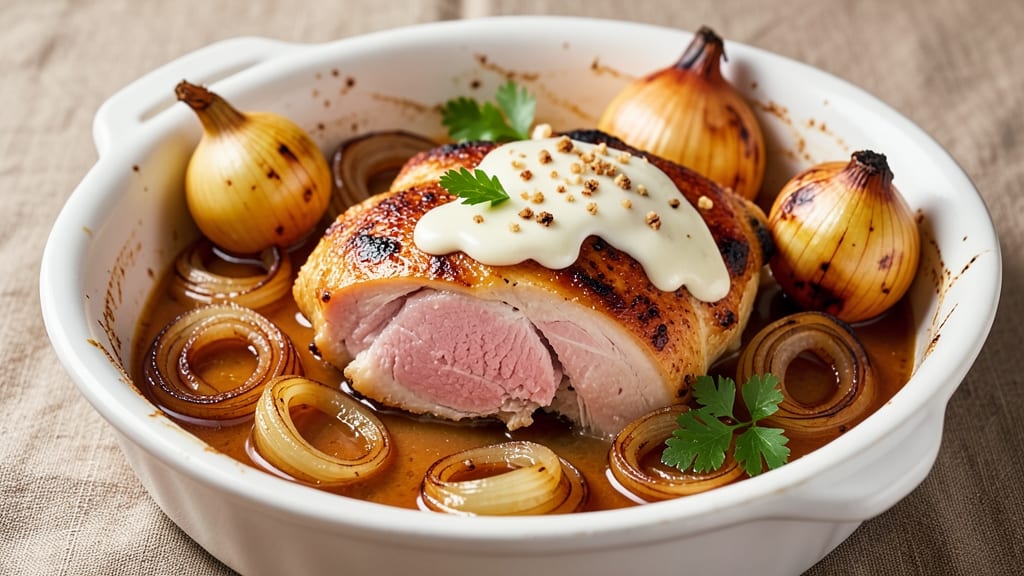
Transforming simple ingredients into restaurant-worthy French onion chicken starts with Lipton French onion soup mix as the secret weapon. This one-pot recipe delivers deep, caramelized onion flavor without hours of prep—just a few key techniques to master.
The mix provides that signature umami depth while we build complexity through slow-cooked onions and tender chicken.
What sets this dish apart is the balance of textures: crispy chicken thighs, velvety caramelized onions, and a rich broth that clings to every bite.
I developed this recipe after testing multiple methods to ensure the chicken stays juicy while the onions develop that perfect balance of sweetness and savory depth. The soup mix handles the heavy lifting of seasoning, so you can focus on achieving that golden-brown crust on the chicken.
By the time you serve this dish, you'll have a complete meal with minimal cleanup—a tender chicken centerpiece surrounded by onions that have caramelized to a deep amber, all swimming in a flavorful broth.
Serve with crusty bread to soak up every last drop, and you've got a dinner that feels indulgent yet requires just one pot. Here's exactly how to make it.
This recipe works equally well for weeknight dinners or special occasions, scaling easily for crowds while maintaining that restaurant-quality depth of flavor. The key is patience with the onions and proper chicken cooking—once you master these elements, you'll have a dish that's always a crowd-pleaser.
Let's get started with the ingredients.
Ingredients for lipton french onion chicken
French onion soup mix plus a few fresh ingredients create restaurant-worthy flavor in one pot.
| Ingredient | Amount | Notes |
|---|---|---|
| Lipton French Onion Soup Mix 🧂 | 1 package | Unused portion for seasoning |
| Boneless, Skinless Chicken Thighs 🍗 | 1 ½ lb | Trimmed of excess fat |
| Yellow Onions 🧅 | 3 whole | Medium-sized, thinly sliced |
| Butter 🧈 | 4 tbsp | Unsalted, for caramelizing |
| Chicken Broth 💧 | 2 cups | Low-sodium preferred |
| Dry White Wine 🍷 | ½ cup | Substitute with broth if needed |
| All-Purpose Flour 🌾 | 2 tbsp | For thickening sauce |
| Heavy Cream 🥛 | ½ cup | Full-fat for richness |
| Garlic Cloves 🧄 | 4 cloves | Minced for depth |
| Fresh Thyme Leaves 🌿 | ¼ cup | Or 1 tsp dried thyme |
| Salt 🧂 | 1 tsp | Adjust to taste |
| Black Pepper 🌶️ | ½ tsp | Freshly ground |
| Olive Oil 🫒 | 1 tbsp | For searing chicken |
The soup mix is the flavor foundation here—Lipton's French Onion has that perfect umami balance. Grab the single-serving packets from the soup aisle (not the bulk canister) since we're only using one package. For the onions, yellow onions work best—they caramelize more deeply than red. I always buy the 3-pound bags at Costco when I'm doing a big batch, but the regular grocery store onions work fine for this recipe. Look for onions that feel firm and heavy for their size—they'll caramelize better. If you can't find yellow, Vidalia onions are a good substitute, though they'll be slightly sweeter.
No white wine? Chicken broth works perfectly—just add an extra splash. The butter is non-negotiable for caramelizing those onions properly—unsalted butter gives you control over the seasoning. Short on thyme? Dried thyme at one-third the amount works, but fresh has that brighter flavor. The chicken thighs stay juicier than breasts, but breasts work too if that's what you've got. For the flour, all-purpose works fine, but if you're feeling fancy, arrowroot powder gives a smoother sauce. The garlic can be pre-minced from a jar, but freshly minced has more punch—just 30 seconds with a microplane if you're in a hurry.
This dish reheats beautifully—tastes even better the next day as the flavors meld. Store leftovers in an airtight container for 4-5 days in the fridge. For freezing, portion into single-serving containers—it reheats perfectly for quick lunches. The caramelized onions can be prepped ahead too—just store them in the fridge for up to 3 days before adding to the chicken. The soup mix packet? Keep it sealed in a cool, dark place for up to 6 months—it's your secret weapon for quick flavor.
Why You'll Love This Recipe
- One-Pan Magic: I swear by this for nights when I’m too tired to wash extra dishes. Toss the chicken and onions in a single pan with the soup mix, and the butter melts into a rich, golden sauce that does half the work for you.
- Deep Umami Bang: That Lipton mix isn’t just convenient—it’s packed. The caramelized onions and savory herbs cling to the chicken like a flavor hug, giving you that restaurant-style richness without the fuss.
- Game for Any Meal: Serve it over mashed potatoes for a hearty dinner, or pile it onto crusty bread for a lunch that feels special. Even my picky teen clears his plate—high praise, honestly.
- Budget-Friendly Feast: Chicken thighs stretch farther than breasts, and the soup mix turns cheap ingredients into something that tastes like you spent hours on it. Leftovers? They’re even better the next day, reheated with a splash of broth.
Step-by-step instructions for French onion chicken
This one-pot wonder delivers restaurant-quality depth with minimal effort.
Sear the Chicken Until Golden
Heat the 1 tablespoon olive oil in a large Dutch oven over medium-high heat until shimmering. Pat the 1.5 lb boneless, skinless chicken thighs dry with paper towels—this ensures a proper sear. Working in batches if needed, add the chicken thighs to the pot and cook for 4-5 minutes per side until they develop a deep golden-brown crust. The reason for searing is simple: it locks in juices and builds flavor into the meat before we braise it.
Once the chicken is golden, remove it from the pot and set it aside on a plate. Don't clean the pot yet—the browned bits are pure flavor. Here's the thing: if you see any excess fat pooling in the pot, use a paper towel to blot it up. Too much fat can make your sauce greasy later, and we want that rich, velvety texture.
Caramelize the Onions Slowly
Reduce the heat to medium-low and add 2 tablespoons butter to the Dutch oven. Let it melt completely, then add the 3 whole yellow onions, sliced into ¼-inch rounds. You'll want to spread them out in an even layer so they cook uniformly. The onions should sizzle gently—if they're browning too quickly, lower the heat further.
Cook the onions for 25-30 minutes, stirring occasionally, until they're deep golden brown with a caramelized sheen. This is where the magic happens: the slow cooking transforms the onions into sweet, jammy bits that form the base of our sauce. Real talk: don't rush this step. Patience here prevents bitterness and ensures that rich onion flavor we all love.
After 20 minutes, sprinkle in ½ teaspoon salt and ¼ teaspoon black pepper to season the onions as they cook. When the onions are nearly caramelized, add the 4 minced garlic cloves and cook for another 30 seconds until fragrant. Remove the onions from the pot and set them aside with the chicken.
Build the Rich Sauce
Return the Dutch oven to medium heat and add the remaining 2 tablespoons butter. Let it melt, then sprinkle in the 2 tablespoons all-purpose flour, stirring constantly with a wooden spoon for 1-2 minutes until the mixture turns a nutty golden color. This creates a roux that will thicken our sauce beautifully.
Gradually whisk in the 0.5 cup dry white wine, scraping up any browned bits from the bottom of the pot. Let the wine simmer for 2-3 minutes until it reduces by half. Here's where it gets fun: add the 2 cups chicken broth and the 1 package Lipton French Onion Soup Mix, stirring until fully dissolved. The soup mix adds that classic French onion depth without needing to make it from scratch.
Bring the mixture to a gentle boil, then reduce the heat to low and return the chicken and onions to the pot. Nestle them into the sauce so they absorb all that flavor. Add the 0.25 cup fresh thyme leaves and the remaining ½ teaspoon salt and ¼ teaspoon black pepper. Cover the pot and let it simmer for 25-30 minutes, until the chicken is tender and the sauce has thickened slightly.
Finish with Cream and Serve
Once the chicken is cooked through (it should reach an internal temperature of 165°F), remove the lid and stir in the 0.5 cup heavy cream. Let the sauce simmer uncovered for 3-5 minutes until it reaches your desired consistency—it should coat the back of a spoon but still be silky, not gluey. If it's too thick, add a splash of chicken broth to loosen it.
Taste the sauce and adjust the seasoning if needed. The chicken should be falling off the bone, and the onions should be tender with that deep caramelized sweetness. Here's the moment that matters: let the chicken rest in the sauce for 5 minutes before serving. This allows the juices to redistribute, ensuring each bite is moist and flavorful.
Ladle the French onion chicken into bowls, making sure each serving gets plenty of that rich, creamy sauce. Garnish with extra fresh thyme leaves if you like, and serve with crusty bread to soak up every last drop. This dish is hearty, comforting, and packed with layers of flavor—perfect for a cozy dinner.
Pro Tips For Making Lipton French Onion Chicken
- CARAMELIZE ONIONS FIRST: The soup mix is convenient, but real depth comes from cooking the onions until they’re deep amber—almost jammy—before adding broth. I used to skip this, and the flavor was flat. Take your time here; it’s the thing that matters most.
- SEAR CHICKEN SKINLESS: Skinless thighs still need a crust. Pat them very dry, then sear them in butter over medium-high heat until golden—about 4 minutes per side. No dry meat here, just a better texture. (Yes, even if you’re impatient like me.)
- SKIP THE BROTH BOIL: After adding broth, simmer just until the chicken is cooked through—no need to boil. I learned this the hard way: boiling turns the soup cloudy and washes out the onion flavor. Keep it at a gentle simmer.
- ADD MIX LAST: Stir in the Lipton mix after the onions and chicken have cooked, not at the start. The mix dissolves better in warm liquid, and you avoid a clumpy, bitter mess. Sounds weird, but it works—every single time.
Common mistakes when making this recipe
Overcooking the Chicken
One of the biggest mistakes is letting the chicken overcook after it reaches 165°F. I’ve seen people walk away from the stove and come back to dry, stringy chicken—don’t be that person!
Once the chicken hits the safe internal temperature, remove it from the pot and set it aside. The residual heat will continue cooking it slightly, but you want it tender, not rubbery. 💡
Pro tip: Use a meat thermometer to check the thickest part of the thigh. If you don’t have one, cut into the thickest piece—it should be juicy with clear juices, not gray or dry. The sauce will continue cooking while the chicken rests, so no need to rush.
Skipping the Sear
Some folks think they can skip searing the chicken and just toss it into the pot with the onions. Big mistake! Searing creates a flavorful crust that locks in juices and builds depth.
Without it, your chicken will be bland and mushy. Always take the 4-5 minutes per side to get that golden-brown crust—it’s worth the extra time. 🔥
If you’re short on time, at least pat the chicken dry before cooking. Moisture on the surface steams the chicken instead of searing it, which defeats the purpose. A quick wipe with paper towels makes all the difference.
Rushing the Onions
The caramelization process is where the magic happens, and rushing it is a surefire way to ruin the dish. Onions need 25-30 minutes of slow cooking to develop that deep, sweet, jammy texture. If you crank the heat too high, they’ll burn before they caramelize, leaving a bitter aftertaste. 🌶️
I’ve learned the hard way—once, I got impatient and turned the heat up, and my onions turned into a burnt, bitter mess. Keep the heat at medium-low and stir occasionally to ensure even cooking. Patience here is key to that restaurant-quality flavor.
Ignoring the Roux
Many home cooks skip making a roux or don’t cook it long enough, which leads to a thin, watery sauce. The roux is what thickens and enriches the sauce, giving it that velvety texture.
Cook the 2 tablespoons flour in the butter for 1-2 minutes until it turns a nutty golden color—this is non-negotiable. 🥄
If your sauce ends up too thin, don’t panic. Just simmer it uncovered for a few extra minutes to reduce it. But the roux is your best friend here—it’s the secret to a sauce that coats the back of a spoon.
Using Low-Quality Ingredients
Cheap butter, low-sodium broth, or pre-minced garlic can make a huge difference in the final dish. Invest in good-quality ingredients—they’re the foundation of flavor. For example, unsalted butter gives you control over the seasoning, while low-sodium broth prevents the dish from becoming too salty. 🧈
Fresh thyme and garlic also elevate the dish. If you’re using dried thyme, use one-third the amount of fresh—it’s worth the extra effort. The same goes for onions: yellow onions caramelize better than red or white, so don’t skimp here.
Nutrition facts
Frequently asked questions
Can I use chicken breasts instead of thighs?
You can, but thighs stay juicier and more tender during the long cooking process. If using breasts, pat them extra dry and reduce cooking time to 20-25 minutes after returning to the pot. They'll be less forgiving than thighs if overcooked.
What if I don't have white wine?
No problem! Use an equal amount of chicken broth or even apple cider vinegar (2 tbsp) for acidity. The dish will still develop rich flavor—just add an extra pinch of salt if using vinegar.
How do I make this dish vegetarian?
Swap the chicken for mushroom caps or chickpeas, and use vegetable broth instead. Keep all other steps identical—the caramelized onions and creamy sauce work perfectly with plant-based proteins. For extra heartiness, add white beans at the end.
Can I prepare this ahead of time?
This dish tastes even better the next day. Cook completely, then refrigerate in an airtight container for 3-4 days. Reheat gently on the stove, adding a splash of broth if the sauce thickens too much. The flavors meld beautifully overnight.
Why does my sauce look thin?
A thin sauce usually means the roux wasn't cooked long enough or the sauce needs reducing. Simmer uncovered for 5-10 extra minutes to thicken it naturally. If still too thin, mix 1 tsp cornstarch with cold water and stir it in. The roux is your secret weapon for that velvety texture!