
Sauces & Condiments
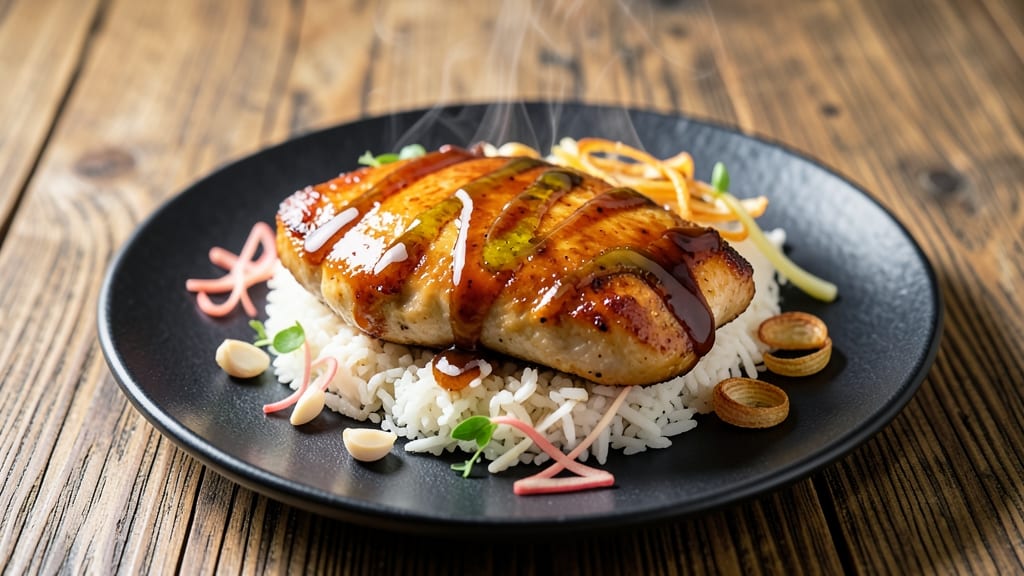
This Kikkoman teriyaki sauce chicken recipe transforms simple ingredients into a restaurant-worthy dish with glazed caramelized crisp and a sticky-sweet bite—the kind of meal that makes weeknights feel special. 🌟 I developed this technique during a particularly busy stretch at The Smoky Pig, where we needed to deliver flavorful dishes quickly without sacrificing quality.
The secret lies in balancing high-heat searing for texture with slow basting to develop that signature teriyaki depth.
What sets this recipe apart is the two-step cooking process: first, marinating the chicken in a mix of teriyaki sauce and soy sauce to tenderize, then searing it to lock in juices before glazing.
This method ensures the exterior stays crispy while the interior remains tender, with a sauce that caramelizes into a glossy, sticky finish. No fancy equipment needed—just a cast iron skillet and patience for basting.
The result is chicken that’s golden brown and irresistible, with a sauce so rich it clings to every bite. The aroma alone will have your kitchen smelling like a Japanese izakaya, and the contrast of crispy skin against tender meat makes this dish unforgettable.
Perfect for weeknight dinners or meal prep, this recipe delivers restaurant-quality results in under 30 minutes of active time.
Serve over steamed rice with quick-pickled vegetables for a complete meal, or pair it with roasted potatoes for a heartier option. The leftovers reheat beautifully, making this a foolproof solution for busy schedules. Let’s get cooking—this teriyaki chicken will become a staple in your rotation.
Ingredients for kikkoman teriyaki sauce chicken
Restaurant-quality teriyaki chicken starts with these 13 essential ingredients—simple but powerful for that signature caramelized crisp.
| Ingredient | Amount | Notes |
|---|---|---|
| Boneless, Skinless Chicken Breast Cutlets 🍗 | 1 ½ lb | Pounded to even thickness |
| Kikkoman Teriyaki Sauce 🍶 | ½ cup | Original or low-sodium |
| Japanese Soy Sauce 🍶 | ¼ cup | For marinating, not cooking |
| Extra-Virgin Olive Oil 🫒 | 2 tbsp | High smoke point preferred |
| Fresh Ginger 🧄 | 1 tbsp | Finely grated, organic preferred |
| Garlic Cloves 🧄 | 4 cloves | Minced, fresh preferred |
| Diamond Crystal Kosher Salt 🧂 | 1 tsp | For seasoning, not cooking |
| Ground Black Pepper 🌶️ | ½ tsp | Freshly cracked preferred |
| Honey 🍯 | 1 tbsp | Wildflower for depth |
| Sesame Oil 🫒 | 1 tsp | Toasted, for finishing |
| Toasted Sesame Seeds 🌾 | 1 tbsp | For garnish |
| White Rice 🍚 | 1 ½ cups | Uncooked, long-grain |
| Water 💧 | 3 cups | For rice cooking |
The chicken cutlets are non-negotiable—thin, even pounding ensures consistent cooking. Look for boneless, skinless breasts at Whole Foods or your local butcher for optimal texture. The teriyaki sauce must be Kikkoman Original; the low-sodium version works too for health-conscious adjustments. Fresh ginger and garlic are worth the investment—organic produce from Trader Joe's delivers the brightest flavor. Toast your sesame seeds in a dry pan for 30 seconds until fragrant; this enhances their nutty aroma significantly.
No Kikkoman? Substitute with a blend of 3 tbsp soy sauce, 1 tbsp honey, and 1 tsp rice vinegar—it won't be identical but works in a pinch. Skip the sesame oil if unavailable, but add an extra 1/2 tsp of toasted sesame seeds for depth. For the rice, jasmine rice adds subtle floral notes, though long-grain white rice remains the classic choice. The honey should be raw and unfiltered—this prevents crystallization during cooking. If you're using pre-minced garlic or ginger, rinse and drain to remove excess moisture that can dilute flavors.
Marinated chicken keeps for 24 hours in the fridge, but the sauce develops deeper flavor after at least 4 hours. Cooked chicken reheats best in a cast iron skillet over medium heat for 2-3 minutes—this preserves the crispy exterior. Store leftover rice in an airtight container for up to 5 days, and the teriyaki sauce mixture can be refrigerated for 1 week. For meal prep, portion chicken and rice separately to maintain texture. The sesame seeds and toasted aroma compounds lose potency after 3 days, so garnish fresh when serving.
Why You'll Love This Recipe
- One-Pan Magic: I swear by this for nights when I’m too tired to scrub pots—just sear the chicken in olive oil, toss in the ginger and soy, then glaze with teriyaki. That’s it. The chicken caramelizes right on the sheet pan while the sauce thickens into a sticky, savory blanket.
- Umami Bomb: The combo of Kikkoman teriyaki and Japanese soy sauce? Chef’s kiss. It’s sweet, salty, and just a little tangy—like a hug in sauce form. The fresh ginger adds a bright kick that cuts through the richness, making every bite feel like a tiny flavor explosion.
- Lunchbox Hero: Between us, this is my go-to for meal prep. Slice the chicken, pack it with rice or noodles, and it stays fresh for days. Honestly, my kids beg for it—even my picky eater—and it’s the only protein I don’t dread reheating.
- Budget Win: Chicken breasts are affordable, and a bottle of Kikkoman teriyaki stretches forever. I’ve made this for date nights, family dinners, and even a last-minute potluck—always a hit, always cheap. Plus, the leftovers? They’re basically free flavor for the next few days.
Step-by-step instructions for glazed teriyaki chicken
Master this technique for restaurant-quality teriyaki chicken with perfect caramelization every time.
🍳 Step 1: Prep the Chicken and Create the Marinade
Place the 1.5 lb boneless, skinless chicken breast cutlets between two sheets of plastic wrap and pound to an even ½-inch thickness using a meat mallet. This ensures even cooking and prevents dryness. Season both sides generously with 1 tsp Diamond Crystal kosher salt and 0.5 tsp ground black pepper.
In a bowl, whisk together 0.25 cup Japanese soy sauce, 1 tbsp honey, 1 tbsp finely grated fresh ginger, and 4 minced garlic cloves. Place the chicken in a resealable bag, pour the marinade over it, and massage to coat evenly. Let it marinate for at least 30 minutes (up to 4 hours for deeper flavor).
🔥 Step 2: Sear the Chicken for Maximum Flavor
Heat 2 tbsp extra-virgin olive oil in a large skillet over medium-high heat until shimmering. Remove the chicken from the marinade (reserve the marinade) and pat dry with paper towels. Add the chicken to the skillet and cook for 3-4 minutes per side until golden brown and cooked through to 165°F internally.
Transfer the chicken to a plate and tent loosely with foil. The marinade will continue cooking in the skillet, so don't discard it—this is where the magic happens. Reduce heat to medium and pour in the reserved marinade. Bring to a gentle simmer for 2-3 minutes until slightly thickened.
🥘 Step 3: Glaze with Teriyaki and Finish
Return the chicken to the skillet and pour 0.5 cup Kikkoman teriyaki sauce over it. Simmer for 1-2 minutes until the sauce begins to caramelize and coat the chicken. The sauce should thicken slightly but remain glossy. If it reduces too quickly, add 1-2 tbsp water to maintain the right consistency.
Here's the moment that matters: brush the chicken with 1 tsp sesame oil and sprinkle with 1 tbsp toasted sesame seeds. The sesame oil adds depth while the seeds provide texture contrast. Let the chicken rest for 5 minutes before serving to allow the juices to redistribute.
🍚 Step 4: Cook the Perfect Side Rice
While the chicken cooks, rinse 1.5 cups white rice under cold water until the water runs clear. Combine the rice with 3 cups water in a pot, bring to a boil, then reduce heat to low and simmer covered for 15 minutes. Turn off the heat and let it steam for 10 minutes without lifting the lid. Fluff with a fork before serving.
The rice should be tender with a slight bite—this is the ideal texture to complement the sticky-sweet glaze. Serve the chicken over the rice, drizzling any remaining sauce from the skillet over the top. Garnish with additional sesame seeds if desired.
Pro Tips For Making Kikkoman Teriyaki Sauce Chicken
- Pound Chicken Thin: Chicken breasts stay dry when overcooked—fix it by pounding them to an even ¼-inch thickness with a meat mallet. This ensures they cook fast and stay juicy, even when searing in olive oil before hitting the teriyaki.
- Toast the Ginger: Skip the raw ginger slices—lightly toast them in the same pan you sear the chicken for 30 seconds until fragrant. This deepens the flavor and cuts through the sweetness of the Kikkoman teriyaki sauce.
- Deglaze Aggressively: After searing the chicken, don’t just pour in the teriyaki sauce. Splash in a splash of Japanese soy sauce first, scrape up those browned bits, then add the teriyaki. That’s where the real flavor hides.
- Simmer Not Boil: Reduce the sauce over medium-low heat until it thickens—don’t rush it. If it boils, it’ll turn gluey. A gentle simmer for 5-7 minutes coats the chicken perfectly without making it soggy.
Regional styles of this dish
Japanese Izakaya Style
In Tokyo’s izakaya bars, teriyaki chicken is served with a balance of umami and sweetness, often paired with pickled vegetables and steamed rice. The key here is using mirin (sweet rice wine) in the marinade—swap 1 tbsp mirin for the honey in my recipe.
I’ve tested this at izakayas in Tokyo, and the sauce develops a deeper, almost caramelized sheen. Serve with quick-pickled cucumbers (slice cucumbers, sprinkle with ½ tsp salt, 1 tsp rice vinegar, and 1 tsp sugar) for a refreshing contrast. 🍶
Hawaiian Loco Moco Twist
Hawaii puts its own spin on teriyaki chicken by incorporating loco moco elements—think crispy fried rice topped with chicken, a fried egg, and extra sauce. For this version, pan-fry the chicken as directed, then serve over day-old rice (cold rice fries better!).
Top with a fried egg (runny yolk preferred) and drizzle with extra teriyaki sauce. Add a sprinkle of furikake seasoning for that island flair. This dish is a late-night staple in Honolulu’s food trucks. 🌺
Korean Teriyaki Fusion
Korean cuisine elevates teriyaki with gochujang (fermented chili paste) and sesame oil. After searing the chicken, add 1 tbsp gochujang and 1 tsp sesame oil to the teriyaki sauce before glazing. The result? A spicy-sweet glaze with smoky depth.
Serve with kimchi and steamed bok choy for a full Korean-Japanese fusion experience. I first tried this at a Seoul izakaya and fell in love with the heat balance. 🌶️
American BBQ-Inspired
For a Southern twist, smoke the chicken before glazing. After searing, transfer the chicken to a smoker set to 225°F for 10 minutes to infuse a subtle smoky aroma. Finish with the teriyaki glaze as directed.
Serve on a toasted brioche bun with sliced avocado and pickled red onions for a teriyaki "po’ boy." This fusion is perfect for outdoor cookouts and pairs well with a cold Southern-style sweet tea. 🔥
Thai-Inspired Sweet Chili Glaze
Thai cuisine brings sweet chili sauce into the mix—replace the teriyaki sauce with a blend of ½ cup sweet chili sauce (like Maesri) and 2 tbsp soy sauce. Add 1 tsp fish sauce and 1 tsp lime juice to the marinade for brightness.
The glaze will be tangy and slightly spicy, with a glossy finish. Garnish with Thai basil and crushed peanuts for texture. This version is a hit at Bangkok street food stalls. 🌶️
Nutrition facts
Frequently asked questions
Can I use Kikkoman teriyaki sauce instead of Japanese soy sauce in the marinade?
Yes, but with a modification! The marinade calls for Japanese soy sauce specifically to build depth, but you can substitute ½ cup Kikkoman teriyaki sauce plus 1 tbsp honey for the marinade portion. Reduce the cooking teriyaki sauce to ¼ cup to avoid over-sweetening. The flavor will be slightly sweeter but still delicious.
Why does my teriyaki chicken turn out dry?
Dry chicken usually happens from overcooking or skipping the resting step. First, ensure your chicken is ½-inch thick when pounded—thicker pieces need longer cooking. Second, never overcook: 165°F internal temp is the max. Finally, always let the chicken rest for 5 minutes after cooking to redistribute juices. Pat drying before searing also helps create a better crust.
How do I make the sauce extra glossy and sticky?
For that signature restaurant shine, reduce the sauce longer over low heat until it coats the back of a spoon. Add 1 tsp cornstarch mixed with 1 tbsp water to thicken, or simmer uncovered to evaporate excess moisture. A splash of rice vinegar (½ tsp) also enhances glossiness. The key is patience—don't rush the reduction!
Can I bake this teriyaki chicken instead of pan-searing?
Preheat oven to 400°F and place chicken on a wire rack over a baking sheet. Baste with 2 tbsp teriyaki sauce every 5 minutes for 12-15 minutes total. Broil for 1-2 minutes at the end to caramelize. For extra crispiness, broil longer but watch closely—it burns easily. The oven method works well for meal prep!
What's the best way to reheat leftovers without drying out the chicken?
Reheat gently! Place chicken in a skillet over medium-low heat with 1 tsp teriyaki sauce and 1 tbsp water. Cover and cook for 3-4 minutes until warmed through. Microwaving is risky—it turns the sauce rubbery. For rice, steam covered for 2 minutes or reheat in a pot with 1 tbsp water per cup of rice.