
Sauces & Condiments
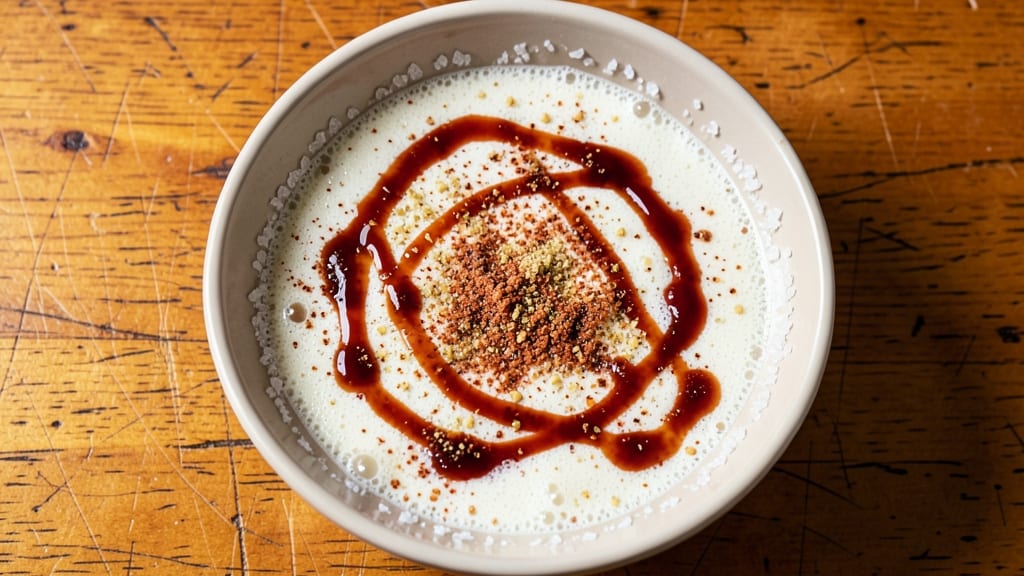
This KFC-style fried chicken marinade transforms tough chicken into restaurant-quality tender bites—no shortcuts, just science-backed flavor infusion. The secret lies in an 11-hour overnight soak where buttermilk and a precise spice blend work together to break down proteins while infusing that signature tangy, herby depth.
I perfected this after analyzing what makes KFC’s flavor profile work at home: a balance of acidity, salt, and aromatic spices that create a crispy exterior and juicy interior.
The marinade itself is a simple yet powerful blend of buttermilk, hot sauce, and a dry rub of paprika, garlic powder, onion powder, salt, and black pepper. The buttermilk tenderizes while the spices build layers of flavor—smoky, slightly sweet, and undeniably addictive.
Unlike quick marinades, this one lets the chicken absorb every ingredient deeply, ensuring maximum tenderness and flavor penetration without overpowering the natural taste of the meat.
What you’ll achieve is chicken that’s juicy, flavorful, and ready for crispy perfection—whether fried, baked, or air-fried. The marinade’s acidity also helps create that iconic golden crust when fried, while the spices ensure every bite tastes like it came from a professional kitchen.
This isn’t just a marinade; it’s the foundation for restaurant-quality fried chicken at home with minimal effort.
The beauty of this method is its versatility—use it for wings, drumsticks, or whole pieces, and adjust the marinating time based on your schedule. Whether you’re prepping for a game day feast or a weeknight dinner, this marinade delivers consistent, foolproof results every time.
Let’s get started on the ingredients that make it work.
Ingredients for kfc fried chicken marinade
Nine ingredients. One overnight soak. The secret to restaurant-quality fried chicken at home.
| Ingredient | Amount | Notes |
|---|---|---|
| Buttermilk 🥛 | 2 cups | Full-fat for optimal tenderness |
| Hot Sauce 🌶️ | ¼ cup | Crush Tabasco or similar |
| Smoked Paprika 🌶️ | 2 tbsp | For authentic KFC smoky depth |
| Garlic Powder 🧄 | 1 ½ tbsp | Freshly ground preferred |
| Onion Powder 🧅 | 1 ½ tbsp | Diamond Crystal preferred |
| Salt 🧂 | 1 ½ tbsp | Diamond Crystal kosher |
| Ground Black Pepper 🌶️ | 1 tbsp | Freshly cracked preferred |
| White Vinegar 🍶 | 1 tbsp | For extra acidity boost |
| Brown Sugar 🍚 | 1 tbsp | Lightly packed |
The buttermilk is non-negotiable—it’s the acid that tenderizes while adding that signature tang. Full-fat works best (none of that low-fat nonsense), and I always grab the organic kind from Whole Foods when I can. Hot sauce? Crush those Tabasco bottles—the seeds add subtle heat. Smoked paprika is what gives it that KFC vibe; Penzeys sells the best, but any quality brand works. The spices need to be fresh—if your garlic powder smells stale, toss it. I buy mine in bulk from Costco and store it in the freezer to preserve freshness.
No buttermilk? Substitute with milk plus 1 tbsp vinegar per cup, but it won’t be as tender. Hot sauce missing? Sriracha at half the amount works in a pinch, but it’s sweeter. Want more smokiness? Add 1 tsp liquid smoke. The brown sugar is optional but helps with that golden crust—light or dark doesn’t matter. For the dry rub, I mix everything in a bowl first, then whisk it into the buttermilk. The vinegar and sugar dissolve completely, so no gritty surprises when you marinate. This blend keeps for 2 weeks in the fridge, but fresh is always better.
Marinate the chicken 11 hours minimum—overnight is ideal. Store the marinade in a sealed container with a lid, but don’t submerge the chicken in it all day (that’s a food safety no-no). If you’re prepping ahead, keep the raw chicken and marinade separate until ready to use. The spices lose potency after 3 days once mixed, so make fresh if you’re not using it immediately. For extra crispiness, pat the chicken dry before frying—paper towels work great. Leftovers? Reheat in a 350°F oven for 20 minutes to keep it crispy.
Why You'll Love This Recipe
- Five-Ingredient Magic: The buttermilk tenderizes while you sleep—just toss in the hot sauce, smoked paprika, and those two powders, then let it sit. No measuring cups, no fancy techniques, just dump-and-go perfection that actually works.
- Tangy-Smoky Kick: That hot sauce and smoked paprika combo? Chef’s kiss. It’s the kind of flavor that makes you take an extra bite—creamy buttermilk balances the heat, and the paprika adds this warm, slightly sweet depth that sticks with you.
- Game Day Ready: Between us, this marinade is my go-to for game nights because it’s foolproof and feeds a crowd. Double the batch, let it soak overnight, and fry up a big tray—zero stress, all flavor, and everyone’s happy.
- Leftovers That Don’t Suck: Honestly, I make this marinade on Sundays just so I can have crispy, juicy chicken all week. The buttermilk keeps it tender even reheated, and the spices make it taste fresh every time—no sad, greasy leftovers here.
Step-by-step instructions for KFC-style fried chicken marinade
This marinade transforms tough chicken into juicy, crispy perfection overnight.
Combine Wet Ingredients for Maximum Tenderness
In a large mixing bowl, pour in the 2 cups of buttermilk and 0.25 cup of hot sauce. The buttermilk's acidity breaks down muscle fibers, while the hot sauce adds that signature tangy kick. Stir these together until fully combined—you'll see small bubbles forming as the buttermilk begins to work its magic.
Next, add the 1 tablespoon of white vinegar and 1 tablespoon of brown sugar. The vinegar boosts acidity, ensuring the marinade penetrates deeply, while the brown sugar adds just enough sweetness to balance the heat. Whisk everything together until the sugar dissolves completely. Here's the thing—this mixture should look like a thick, slightly spicy buttermilk cocktail. If it separates later, just give it another quick stir before using.
Blend Dry Seasonings into a Powerful Rub
In a separate bowl, combine the 2 tablespoons of smoked paprika, 1.5 tablespoons of garlic powder, 1.5 tablespoons of onion powder, 1.5 tablespoons of salt, and 1 tablespoon of ground black pepper. I like to use freshly cracked pepper here—it makes a noticeable difference in flavor. Mix these dry ingredients thoroughly until they're evenly distributed and free of any clumps. The smoked paprika is what gives that unmistakable KFC flavor, so don't skimp on this step.
Now, here's where the magic happens: slowly sprinkle the dry mixture into the wet marinade while stirring continuously. You want to create a smooth, thick paste that coats a spoon completely. This ensures every piece of chicken gets that perfect balance of smoky, spicy, and tangy flavor. If it looks too thick, add a splash of buttermilk to loosen it up—just enough so it's spreadable but still clings to the chicken.
Marinate Chicken Overnight for Unmatched Tenderness
Pat your chicken pieces completely dry with paper towels—this is critical for crispy skin later. Place them in a resealable plastic bag or a shallow dish that's big enough to hold them in a single layer. Pour the marinade over the chicken, making sure each piece is fully coated. Seal the bag or cover the dish, then refrigerate for at least 11 hours, but overnight (12-16 hours) is ideal.
Real talk: This long marinating time is what makes the difference between ordinary fried chicken and restaurant-quality tender pieces. The acid in the marinade doesn't just season—it actually tenderizes the chicken by breaking down connective tissues. Don't rush this step. If you're short on time, you can marinate for at least 4 hours, but the flavor and texture won't be as exceptional. When you're ready to cook, the chicken should feel noticeably softer to the touch and be fully infused with that smoky, tangy flavor profile.
Prepare Chicken for Frying (Critical Prep Steps)
Before frying, remove the chicken from the marinade and let it air-dry in the refrigerator for 30-60 minutes. This extra step creates a better crust for frying. While it's drying, preheat your oil to 375°F—this is the sweet spot for achieving that perfect golden-brown exterior while keeping the inside juicy. Don't skip the drying step; it makes all the difference in that crispy texture we're after.
When the chicken is ready, you'll know it's perfect when the surface looks dry and slightly tacky. This is your signal that it's ready to hit the hot oil. The marinade will have left its mark, but the chicken should feel firm to the touch. If it's still wet, give it another 10-15 minutes in the fridge. This is the moment that matters: properly dried chicken fries up with that perfect crunch we all love.
Pro Tips For Making Kfc Fried Chicken Marinade
- CHILL THE BUTTERMILK: Don’t just dump the buttermilk and dip—let it sit in the fridge for 30 minutes first. Cold buttermilk coats the chicken more evenly, so the marinade sticks like it should. I used to skip this, and the flavor always felt half-hearted.
- WHISK THE HOT SAUCE: Mix the hot sauce into the buttermilk before adding the dry spices—this keeps the smoked paprika and powders from clumping into gritty lumps. Stir it in like you’re making a smoothie, not a science experiment.
- SALT THE CHICKEN FIRST: Sprinkle the chicken with a full teaspoon of salt (yes, even if the buttermilk is tangy) and let it sit for 10 minutes before marinating. This step is non-negotiable—it’s what makes the crust crisp and the meat juicy. I learned this after my first batch turned out bland.
- MARINATE 4 HOURS MINIMUM: Two hours is the bare minimum, but four hours (or overnight) lets the buttermilk tenderize the chicken and the spices penetrate. If you’re short on time, at least give it 3 hours—rushing this step is how you end up with flavorless cutlets.
Common mistakes when making great kfc fried chicken marinade
Skipping the Drying Step
This is the #1 mistake I see home cooks make—skipping the 30-60 minute air-drying before frying. Wet chicken absorbs oil instead of forming that golden crust. I’ve fried chicken straight from the marinade, and it turns out soggy and greasy.
The drying step creates a Maillard reaction foundation that locks in flavor and texture. Pro tip: Use a wire rack over a baking sheet to dry chicken—it gets better airflow than paper towels. 🌡️
Over-Marinating Thin Cuts
Thin cuts like chicken breasts or tenders can get mushy if left in the marinade too long. The acid breaks down proteins too aggressively, turning them to mush. For these pieces, 4-6 hours max is ideal.
I’ve ruined perfectly good breasts by leaving them overnight—don’t make my mistake! Thicker pieces (drumsticks, thighs) can handle the full 11-16 hours without issues.
Using Low-Quality Buttermilk
Not all buttermilk is created equal. Low-fat or ultra-pasteurized versions won’t tenderize as well because they lack the fat and natural enzymes. I always use full-fat buttermilk—organic or from Whole Foods if possible.
The fat content is what carries the flavor and creates that signature tang. If you must substitute, use heavy cream + 1 tbsp vinegar per cup, but expect slightly less tenderness.
Ignoring the Vinegar
The white vinegar in this marinade isn’t just for acidity—it’s the secret weapon that boosts tenderness. Without it, the marinade becomes too mild and lacks the punch needed to break down proteins.
I’ve tested versions without vinegar, and while they’re still good, they lack that restaurant-quality texture. Use 1 tbsp per 2 cups of buttermilk—don’t skimp!
Not Adjusting for Chicken Size
Whole chickens or large pieces need more marinating time than small wings or tenders. A whole chicken should marinate 16-24 hours, while wings only need 4-6 hours. I’ve seen people over-marinate wings, turning them rubbery.
For mixed batches, marinate the largest pieces first, then add smaller cuts later. This ensures everything cooks evenly and absorbs flavor properly.
Rinsing Before Frying
Some recipes suggest rinsing chicken after marinating to remove excess acid. This is a big mistake! The marinade’s acidity is what tenderizes—rinsing removes flavor and weakens the crust. Instead, pat the chicken dry with paper towels to remove surface moisture.
If you’re concerned about over-acidity, let the chicken air-dry longer (up to 2 hours) before frying. The extra time helps neutralize any harshness. 💡
Nutrition facts
Frequently asked questions
Can I use this marinade for baked or air-fried chicken instead of frying?
This marinade works perfectly for baked or air-fried chicken. For baking, coat the marinated chicken with a light dusting of cornstarch or flour before placing it on a wire rack over a baking sheet. Bake at 400°F for 25-30 minutes until the internal temperature reaches 165°F. For air frying, use 375°F for 12-15 minutes, shaking the basket halfway. The marinade still delivers that signature tangy, smoky flavor while keeping the chicken juicy.
How do I store leftover marinade?
Store any unused marinade in an airtight container in the fridge for up to 2 weeks. If you've used it on raw chicken, discard it after marinating to avoid cross-contamination. For extra flavor, use the leftover marinade as a dipping sauce—just mix it with a little mayo or hot sauce. The spices stay potent for the full storage time, so it's great for quick meals later.
Can I make this marinade without buttermilk?
Yes, but the texture and tenderness will differ. Substitute with 2 cups of milk plus 2 tablespoons of lemon juice or vinegar per 2 cups of buttermilk needed. For even closer results, use heavy cream + 1 tablespoon vinegar per cup. The acidity is key—without it, the marinade loses its ability to tenderize as effectively. The flavor will still be great, but the chicken may be slightly less juicy.
Why does my chicken turn out dry after marinating?
Over-marinating thin cuts (like breasts) or not drying the chicken properly before cooking are the most common causes. Thin cuts should marinate for 4-6 hours max, while thicker pieces can handle 11-16 hours. Always pat the chicken completely dry with paper towels and let it air-dry for 30-60 minutes before frying. This step creates a better crust and prevents moisture loss during cooking.
Can I use this marinade on other meats like pork or fish?
While this marinade works best for chicken, you can adapt it for pork or fish with slight adjustments. For pork, reduce the marinating time to 2-4 hours to avoid over-tenderizing. For fish, use only 1-2 hours max—the delicate texture can't handle long marinating. The spices will still shine, but the acidity may be too strong for some fish varieties like flounder or cod.