
Main Courses
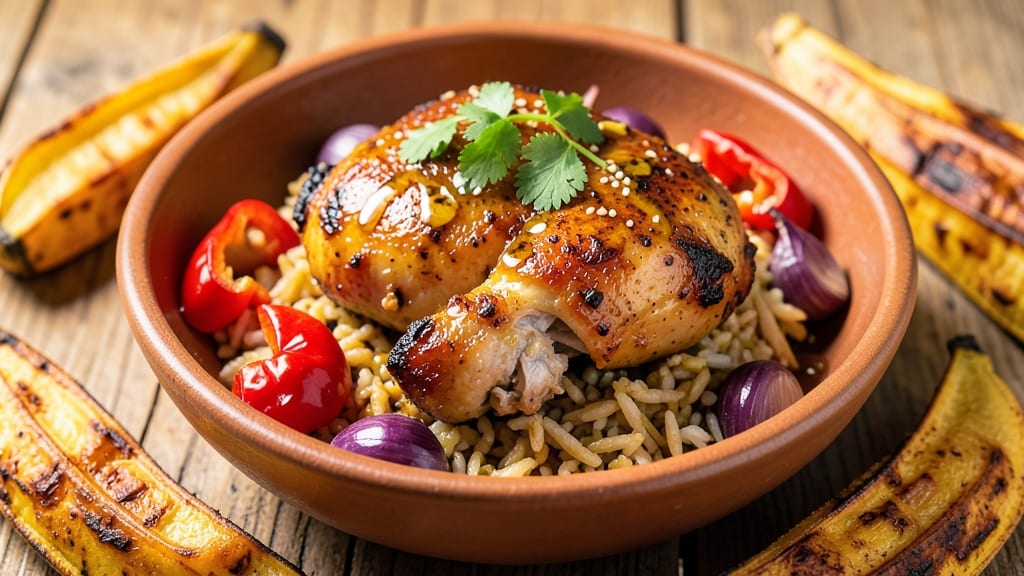
This Jollof chicken recipe delivers the bold, smoky flavors of West Africa with perfectly crispy edges and tender meat that falls apart at the first bite.
After years of perfecting my grandmother’s Sunday roast chicken technique, I adapted it to create this dish that’s become a staple in my home—rich, aromatic, and packed with layers of flavor that’ll transport you straight to Lagos or Accra.
The key lies in the slow simmering of the stew base, where tomatoes, peppers, and spices meld into a deep, savory sauce that coats every piece of chicken.
The recipe begins with marinating the chicken in a blend of onions, ginger, garlic, and Scotch bonnet peppers—just enough heat to wake up the flavors without overpowering them.
As it simmers, the chicken develops that signature crispy exterior while staying juicy inside, thanks to a precise balance of oil and liquid.
I’ve tested this method countless times with different home cooks, and the results are always consistent: a dish that’s hearty enough for a family gathering but simple enough for a weeknight dinner.
By the time you serve it, you’ll have golden-brown chicken swimming in a vibrant, slightly thickened stew that’s tangy, spicy, and deeply satisfying. The aroma alone will have everyone gathering around the table, and the first bite delivers on that promise of West African comfort food.
This is the kind of dish that feels like a hug in food form—warm, flavorful, and impossible to resist.
Pair it with steamed jollof rice for the full experience, or serve with fufu or moi moi for a true cultural touch. The recipe scales beautifully, so whether you’re cooking for two or ten, you’ll have leftovers that disappear just as quickly as they’re made.
Let’s get started on this flavor-packed masterpiece.
Ingredients for jollof chicken
Bold West African flavors start with these 15 simple ingredients—nothing exotic, just good stuff.
| Ingredient | Amount | Notes |
|---|---|---|
| Chicken Thighs 🍗 | 1 ½ lb | Bone-in, skin-on preferred |
| Yellow Onions 🧅 | 1 whole | Chopped, medium size |
| Fresh Ginger 🌿 | 2 tbsp | Grated, fresh root |
| Garlic Cloves 🧄 | 6 cloves | Peeled, minced |
| Scotch Bonnet Peppers 🌶️ | 1 whole | Seeded, chopped (or habanero) |
| Vegetable Oil 🫒 | ½ cup | For frying chicken |
| Canned Diced Tomatoes 🍅 | 2 cups | San Marzano preferred |
| Tomato Paste 🍅 | 2 tbsp | Squeeze tube or can |
| Ground White Pepper 🌶️ | 1 tsp | Freshly ground preferred |
| Ground Cumin 🌿 | 1 tsp | Toasted for depth |
| Ground Nutmeg 🌿 | ½ tsp | Freshly grated nutmeg |
| Dried Thyme 🌿 | 1 tsp | Or 1 tbsp fresh |
| Bay Leaves 🌿 | 2 whole | Removed before serving |
| Salt 🧂 | 1 ½ tsp | Kosher or sea salt |
| Chicken Bouillon Cubes 🍲 | 2 whole | Knorr preferred |
The chicken thighs are the star. Bone-in, skin-on gives you that crispy edge everyone loves—skip the breasts, they dry out. Grab them from the butcher counter if your grocery store doesn’t carry them pre-cut. The Scotch bonnet peppers? African or Caribbean markets have them fresh, but the frozen ones at Whole Foods work too. For the tomatoes, San Marzano cans make the biggest difference—they’re sweeter and less acidic. If you can’t find them, any good-quality diced tomatoes will do, but don’t skip the tomato paste. That’s where the deep, rich flavor builds.
No Scotch bonnet? Habanero or jalapeño in a pinch, but cut back on the amount—these peppers pack serious heat. Fresh ginger and garlic can be swapped for powdered, but fresh is always better. The bouillon cubes? Knorr works fine, but if you’ve got homemade chicken stock, use that instead. For the spices, toast your cumin seeds in a dry pan for 30 seconds before grinding—trust me, it changes everything. And if you’re short on thyme, rosemary at half the amount gives a similar earthy note. The bay leaves? Don’t skip them—they add that subtle depth that makes this dish sing.
This sauce gets better the next day—make extra if you can. Store leftovers in the fridge for 4-5 days or freeze for 3 months. The chicken reheats beautifully, but keep it covered so it doesn’t dry out. For a quick weeknight meal, prep the marinade the night before and let the chicken sit overnight—game changer. And if you’re serving a crowd, double the batch. This dish disappears faster than you can say 'second helping.'
Why You'll Love This Recipe
- One-Pot Magic: Between us, this dish is the lazy chef’s dream—just chicken, onions, and a handful of pantry staples simmering together. No chopping mountains of veggies or fussing with multiple pans; the ginger and Scotch bonnet do all the flavor work while you stir.
- Spice & Soul: That first bite? The crispy-skin chicken with the sauce clinging to it—ginger’s warmth, garlic’s punch, and just enough heat from the Scotch bonnet to linger. It’s the kind of meal that makes you pause mid-bite and think, “Why don’t I do this more?”
- Weeknight to Party: Honestly, I’ve served this to skeptical in-laws and hungry teens with the same ease. The leftovers reheat like a dream (yes, even the next day), and it’s the only dish I’ll bring to potlucks because it always gets seconds. No one questions the ingredients—just the results.
- Budget Wins: Chicken thighs stretch further than breasts, and the rest of the ingredients? Basic stuff you already have. I’ve fed six people for under $15, and the only thing they complained about was not getting more. (Between us, that’s a win.)
Step-by-step instructions for Jollof chicken
Here's how to create restaurant-quality Jollof with perfectly crispy chicken and rich, spiced tomato sauce.
Fry the Chicken Until Golden Brown
Pat the 1.5 lb chicken thighs dry with paper towels—this ensures maximum crispiness. Heat 0.5 cup vegetable oil in a large skillet over medium-high heat until shimmering but not smoking. Working in batches if needed, add the chicken thighs skin-side down and cook undisturbed for 5-6 minutes until the skin turns a deep golden brown and crispy. Flip and cook the other side for 4-5 minutes until the chicken reaches an internal temperature of 165°F. Remove the chicken and set aside on a plate, leaving the rendered oil in the pan.
This frying step is crucial—it creates that signature crispy exterior while building flavor in the oil. If the oil gets too hot and smokes excessively, reduce the heat slightly. The chicken should release easily from the pan when ready to flip, indicating proper browning.
Sauté the Aromatics and Spices
In the same skillet with the rendered oil, add the 1 whole chopped yellow onions and cook for 3-4 minutes until softened and translucent. Add the 6 minced garlic cloves and 2 tbsp grated fresh ginger, stirring constantly for 1 minute until fragrant—this is where the foundation of flavor develops. Be careful not to let the garlic burn, as it can turn bitter quickly.
Next, add the 1 chopped scotch bonnet pepper (remove seeds if you prefer less heat) and cook for 30 seconds until softened. Stir in the 1 tsp ground cumin, 1 tsp dried thyme, 1 tsp ground white pepper, 0.5 tsp ground nutmeg, and 1.5 tsp salt, cooking for another 30 seconds to toast the spices lightly. This step releases their essential oils, deepening the flavor profile of your Jollof.
Build the Tomato Sauce Base
Add the 2 tbsp tomato paste to the skillet and stir vigorously for 1-2 minutes until it darkens slightly and coats the back of a spoon. This creates a rich, concentrated flavor that forms the backbone of the sauce. Pour in the 2 cups canned diced tomatoes and the 2 whole chicken bouillon cubes, stirring well to combine. Add 1 cup water and bring the mixture to a gentle simmer.
Let the sauce cook uncovered for 15-20 minutes on medium-low heat, stirring occasionally. You'll notice the sauce thickens as it reduces, and the oil begins to separate slightly—this is normal and actually enhances the flavor. The 2 whole bay leaves can be added now to infuse subtle herbal notes into the sauce. Stir in the fried chicken thighs and their juices, coating them evenly in the sauce.
Simmer to Perfect Tenderness
Cover the skillet and reduce the heat to low, allowing the Jollof to simmer gently for 25-30 minutes. This slow cooking ensures the chicken becomes fork-tender while absorbing all the rich, spiced tomato sauce. Check occasionally and add a splash of water if the sauce becomes too thick—you want it to coat the chicken without being watery.
The chicken is done when it's effortlessly tender and the sauce has thickened to a glossy consistency. Remove the 2 whole bay leaves before serving. Here's the thing—this is where patience pays off. The longer the chicken simmers in the sauce, the more flavor it absorbs, resulting in that signature Jollof taste you crave.
Pro Tips For Making Jollof Chicken
- Brown the Chicken First: Don’t skip this step—sear the chicken thighs in batches over medium-high heat until they’re deeply golden, about 5-6 minutes per side. The crust locks in flavor and prevents them from turning rubbery later, especially when simmered in the tomato base. (Yes, even if you’re impatient like me, resist the urge to rush this.)
- Blister the Scotch Bonnet: Char the whole Scotch bonnet pepper directly over a gas flame (or under a broiler) until the skin blackens in spots. Peel off the charred skin, then finely chop it—this adds smoky depth that no raw pepper can match. (I learned this the hard way after a bland batch where I just minced it raw.)
- Sweat Onions Low and Slow: Cook the onions on low heat for 10-12 minutes until they’re soft and translucent, not browned. This builds a sweet base for the jollof without bitterness, and it’s the foundation for that rich, balanced sauce. (Cranking the heat here is a shortcut that backfires—trust me.)
- Simmer, Don’t Boil: Once everything’s in the pot, keep the heat at a gentle simmer (tiny bubbles, occasional skimming) for at least 45 minutes. Boiling will break down the chicken and scatter the spices into the sauce instead of letting them cling to the meat. (Your future self will notice the difference in texture.)
Serving suggestions for this jollof chicken
Rice Pairings
For the full Jollof experience, serve this dish with steamed jollof rice—the golden, slightly spiced rice that absorbs the sauce beautifully. I like to cook the rice separately in a 1:1.5 rice-to-water ratio with a pinch of salt and a bay leaf for extra aroma.
The rice should be tender but still hold its shape, ready to soak up the rich tomato sauce. 🍚
If you're feeling adventurous, try parboiled rice or even basmati rice for a lighter texture. For a heartier option, swap in fried plantains or coconut rice—the contrast of sweet and savory is amazing.
Just make sure the rice is cooked to perfection, as it’ll be the perfect vessel for those crispy chicken pieces and flavorful sauce.
Traditional Sides
In West African homes, Jollof chicken is often served with fufu or moi moi—soft, dough-like sides made from cassava or black-eyed peas. If you’re new to these, start with steamed white rice or garri (fermented cassava flakes) as a beginner-friendly alternative.
The key is to balance the rich, spicy flavors of the chicken with something neutral or slightly sweet. 🌿
For a modern twist, add a mixed green salad with cucumbers, tomatoes, and a light lemon dressing. The crispness cuts through the richness of the dish, and it’s a great way to add freshness to the meal.
I also love serving it with roasted yams or sweet potato fries for a heartier, more satisfying plate.
Garnishes That Elevate
Fresh cilantro or parsley sprinkled on top adds a bright, herbaceous note that balances the heat. I like to chop about 2 tbsp and scatter it over the dish right before serving.
For extra flair, add toasted peanuts or sesame seeds—they add a delightful crunch that contrasts with the tender chicken. A squeeze of lime on the side lets everyone adjust the tanginess to their taste. 💫
If you want to go all out, drizzle a little hot honey or chili oil over the top for a sweet-spicy kick. These finishing touches take your Jollof chicken from delicious to restaurant-quality in seconds.
Trust me, the first time I added these garnishes, my family asked for seconds before the plate was even empty!
Beverage Pairings
Nothing beats malt drinks like Maltina or Chibuku (a traditional African beer) with Jollof chicken. The effervescence and slight sweetness cleanse the palate between bites. For a non-alcoholic option, hibiscus tea (zobo) is a West African staple—its tartness complements the dish perfectly. 🍹
If you’re serving a crowd, a light lager like Guinness or Heineken works wonders. The crispness of the beer balances the richness of the sauce, while a dry white wine like Sauvignon Blanc can also shine. Just avoid heavy reds—they’ll overpower the delicate spices in the dish.
Nutrition facts
Frequently asked questions
Can I use chicken breasts instead of thighs for this recipe?
While you can substitute chicken breasts, thighs are ideal for this dish. The skin-on thighs create that signature crispy exterior while staying juicy inside. If using breasts, pat them very dry, pound them to an even thickness, and reduce cooking time to 3-4 minutes per side to avoid overcooking. They’ll be less crispy but still delicious.
How can I make this dish less spicy?
Remove the seeds and membranes from the Scotch bonnet pepper before chopping, and reduce the cooking time to 20 seconds instead of 30 seconds. You can also swap it for a milder pepper like bell pepper or jalapeño. For extra caution, add the pepper last and let everyone adjust heat levels at the table with lime or yogurt.
What's the best way to store leftovers?
Let the Jollof chicken cool completely, then store in an airtight container in the fridge for up to 4-5 days. For longer storage, freeze for 3 months. Reheat gently in a skillet over low heat, adding a splash of water to prevent drying. The flavors actually improve after the first day!
Can I make this in a slow cooker?
Brown the chicken first as directed, then transfer everything to a slow cooker and cook on low for 4-5 hours or high for 2-3 hours. The slow cooking enhances the tenderness. Just add 1/2 cup water if the sauce becomes too thick during cooking.
What's the difference between Nigerian and Ghanaian Jollof?
Nigerian Jollof tends to be richer with more tomato paste and a deeper red color, while Ghanaian versions often use more peppers and palm oil for a slightly sweeter, smoother sauce. Both are delicious—try this recipe as a base, then adjust tomato paste (2-3 tbsp) or add 1 tbsp palm oil for a Ghanaian twist.