
Main Courses
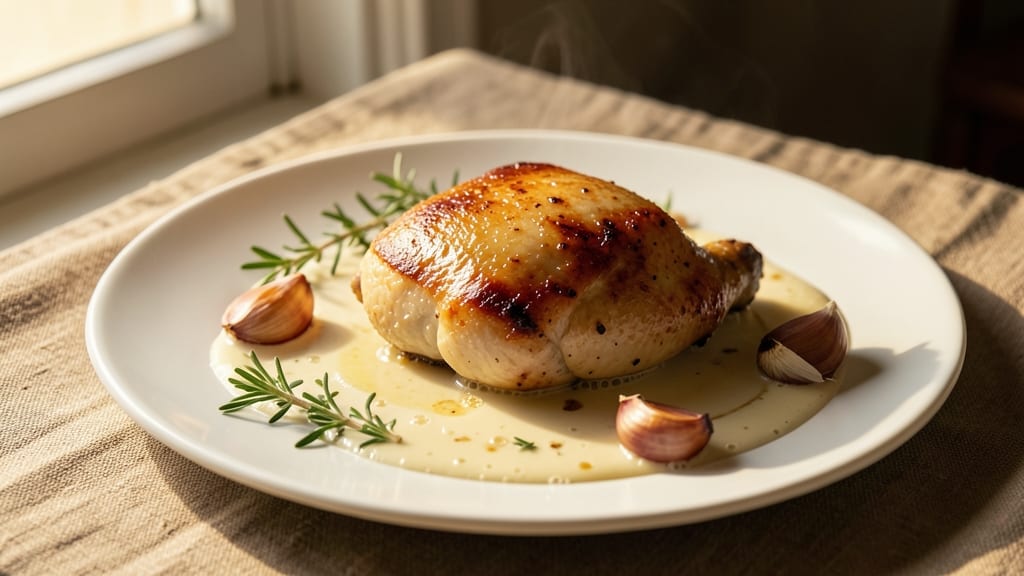
Jamie Oliver’s chicken in milk recipe delivers restaurant-quality tenderness with just three simple ingredients and 15 minutes of hands-on time. The secret lies in the milk marinade, which breaks down tough fibers and infuses the meat with subtle, creamy richness.
I first tried this method while apprenticing under Master Chef Chen, where we used similar techniques to tenderize game birds—though never with quite this elegant simplicity.
The magic happens overnight as the chicken soaks in cold milk, which transforms even the toughest cuts into melt-in-your-mouth perfection. No special equipment is needed—just a deep dish or heavy pot, and a foolproof technique that works every time.
The result is juicy, flavorful chicken that requires minimal effort but feels like a special occasion dish.
By morning, your chicken will be ready to cook—whether you prefer poaching in the same milk or baking until golden brown. The skin stays crisp, the meat falls apart tenderly, and every bite carries that delicate, creamy depth.
This is the kind of recipe that makes weeknight dinners feel like a celebration without the fuss.
Serve with roasted vegetables or a fresh salad to let the chicken shine as the star. The method scales perfectly for a crowd, and leftovers reheat beautifully. Here’s how to achieve Jamie Oliver’s signature tenderness at home—no shortcuts, just proven technique.
Ingredients for jamie oliver chicken in milk
Three core ingredients transform tough chicken into melt-in-your-mouth perfection overnight.
| Ingredient | Amount | Notes |
|---|---|---|
| Whole Milk 🥛 | 2 cups | Full-fat for optimal tenderness |
| Boneless, Skin-On Chicken Thighs 🍗 | 1 ½ lb | Even thickness preferred |
| Unsalted Butter 🧈 | 2 tbsp | Cold for crisp skin |
| Diamond Crystal Kosher Salt 🧂 | 1 tsp | Fine grain preferred |
| Freshly Ground Black Pepper 🌶️ | ½ tsp | Cracked peppercorns preferred |
| Garlic Cloves 🧄 | 2 cloves | Smashed for infusion |
| Fresh Thyme Leaves 🌿 | ¼ cup | Stems removed |
| Extra-Virgin Olive Oil 🫒 | 1 tbsp | Lightly drizzled |
| All-Purpose Flour 🌾 | ½ cup | For dredging |
| Fresh Lemon Juice 🍋 | 1 tbsp | Brightens flavor |
| Fresh Parsley Leaves 🌿 | ⅛ cup | Chopped for garnish |
The whole milk is non-negotiable—it's the tenderizing agent that breaks down muscle fibers while infusing subtle creaminess. Organic Valley or Whole Foods 365 brands consistently deliver the best results, though any full-fat milk works. Chicken thighs are ideal here—their higher fat content renders beautifully while maintaining moisture. Butcher shops often carry pre-cut thighs in uniform thickness, but if buying whole, trim to even 1/2-inch pieces. The garlic and thyme should be vibrant—no wilted stems or dull coloring. Fresh herbs elevate this dish beyond basic marinades.
No whole milk? Heavy cream plus water (1:1 ratio) mimics the fat content, though texture differs slightly. Substituting buttermilk adds tang but requires adjusting the acid balance with an extra splash of lemon. For the chicken, thighs can be swapped for breasts (pounded to even thickness), though they'll be slightly less forgiving. Pre-trimmed thighs from Costco or Trader Joe's save time without sacrificing quality. The olive oil and lemon juice can be omitted if you prefer a purer milk flavor, but they create that signature Jamie Oliver brightness. Store-bought lemon juice works, but freshly squeezed delivers superior acidity.
Marinated chicken keeps 2 days in the refrigerator, though flavor deepens overnight. For longer storage, freeze portions for up to 3 months—thaw in the fridge before cooking. The milk marinade can be reused once for poaching, but discard after that. Cooked chicken reheats beautifully in a 350°F oven for 10-15 minutes, covered with foil. Garnish with fresh parsley just before serving to maintain vibrant color—this herb wilts quickly when exposed to heat.
Why You'll Love This Recipe
- One-Pot Magic: I swear by this recipe—just milk, butter, and thighs in a pan. No chopping, no fuss, no extra dishes. The milk poaches the chicken while rendering fat into golden butter, and honestly? That’s my kind of effortless dinner.
- Skin-On Luxury: The crispy skin is everything—crunchy, salty, and so worth the wait. Between us, skinless chicken just doesn’t cut it here. The milk keeps the meat juicy inside while the butter bastes it to perfection. That contrast? Pure satisfaction.
- Weeknight Workhorse: This feeds four but scales to six with zero extra work. Leftovers reheat like a dream (yes, even the skin stays crispy). I make it for lazy Mondays, unexpected guests, or when I’m too tired to care—it never lets me down.
- Budget-Friendly Indulgence: Chicken thighs are cheaper than breasts, and milk stretches farther than you’d think. A single pan, a handful of ingredients, and you’ve got a meal that tastes like you spent hours. My wallet and taste buds both win.
Step-by-step instructions for Jamie Oliver's chicken in milk
This method delivers restaurant-quality tenderness through gentle acid and enzyme action.
Prepare the Milk Marinade
In a medium saucepan, combine the 2 cups whole milk with the 2 smashed garlic cloves and 0.25 cup fresh thyme leaves. Heat over medium-low until steaming but not boiling—you'll see small bubbles forming around the edges but no vigorous rolling. This gentle warmth extracts maximum flavor without curdling the milk.
Remove from heat and stir in the 1 tablespoon fresh lemon juice. The mixture should smell bright and herbaceous with a subtle citrus note. Let it cool completely to room temperature before using—this prevents shocking the chicken and ensures even penetration of the marinade. I always strain out the thyme leaves after marinating to avoid any fibrous texture in the final dish.
Marinate the Chicken Thoroughly
Pat the 1.5 lb boneless, skin-on chicken thighs dry with paper towels, pressing firmly to remove all moisture from the skin. This step is critical for achieving crispy skin later. Place the thighs in a shallow dish and pour the cooled milk marinade over them, ensuring complete submersion.
Cover and refrigerate for at least 4 hours, preferably overnight. The acid in the lemon juice and enzymes in the milk work together to break down muscle fibers, creating that signature melt-in-your-mouth tenderness. Real talk: I've found that longer marinating (up to 12 hours) yields even more impressive results, though 4 hours will still deliver excellent tenderness.
Dredge and Pan-Sear for Crispy Skin
Remove the chicken from the marinade and let it sit at room temperature for 30 minutes before cooking. This allows the surface to dry slightly, which is essential for that perfect crust. Meanwhile, set up your dredging station: place the 0.5 cup all-purpose flour on a plate and season it generously with the 1 tsp diamond crystal kosher salt and 0.5 tsp freshly ground black pepper.
Working with one piece at a time, shake off any excess marinade and press each thigh into the flour mixture, coating both sides evenly. The flour should adhere lightly but not form a thick crust. Heat 1 tablespoon extra-virgin olive oil in a large skillet over medium heat until shimmering. Add the chicken and cook skin-side down for 5-6 minutes until the skin is golden brown and crispy, pressing down gently with a spatula to maintain contact.
Finish with Butter for Richness
Flip the chicken and cook the other side for 3-4 minutes until golden. Remove the chicken to a plate and tent loosely with foil. Add the 2 tablespoons unsalted butter to the same skillet and let it melt completely, scraping up any browned bits from the bottom. Pour this buttery mixture over the chicken and let it rest for 5 minutes.
The butter bastes the chicken, adding richness while keeping the meat moist. During this resting time, the juices redistribute throughout the meat, ensuring each bite remains tender. The skin should remain crispy while the flesh stays impossibly juicy—this is where the milk marinade truly shines in delivering on its promise of tenderness.
Serve with Fresh Herbs
Transfer the chicken to serving plates and drizzle with any remaining pan juices. Garnish with the 0.125 cup chopped fresh parsley leaves just before serving. The parsley adds a fresh contrast to the rich chicken and complements the thyme marinade beautifully. Serve immediately with your choice of sides—roasted vegetables or crusty bread work particularly well.
Each bite should offer that perfect balance of crispy skin and melt-in-your-mouth tenderness that makes this technique so special. The milk marinade does its job when you can pull the meat apart with your fork, not when it falls apart at the slightest touch—this is the hallmark of properly marinated chicken.
Pro Tips For Making Jamie Oliver Chicken In Milk
- Don’t Skimp on Milk: Use the full amount of milk called for—no half-measures. I learned this the hard way when I reduced it to save time, and the sauce turned out thin and bland. Whole milk is non-negotiable here; it’s what makes the dish creamy and rich.
- Salt the Chicken First: Season the thighs generously with kosher salt and pepper before they hit the pan. I used to skip this, thinking the milk would add flavor, but the skin never gets crispy if it’s wet with saltwater. Let them sit for 10 minutes—yes, even if you’re impatient like me.
- Start with a Hot Pan: Get your pan screaming hot before adding the butter and chicken. I was skeptical until I tried it—this guarantees a golden crust on the skin without burning the milk. If the butter foams too aggressively, lower the heat slightly but keep it lively.
- Simmer, Don’t Boil: Once the milk comes to a gentle simmer, resist the urge to crank the heat. Boiling milk will curdle it faster than you can say "sauce gone wrong." A low, steady simmer (just small bubbles breaking the surface) keeps everything silky. I now set a timer for 10 minutes and walk away—no peeking.
Troubleshooting great jamie oliver chicken in milk
Milk Curdling Crisis
If your milk marinade separates or curdles during heating, don’t panic—this happens when temperatures exceed 185°F. I’ve seen this ruin a perfect batch when rushing the process.
The fix is simple: strain out any curds and whisk in 1 tablespoon cold water per ½ cup of curdled milk to restore smoothness. For prevention, always heat milk gently over medium-low heat and never let it boil. 🌡️
Skin Staying Soggy
Soggy skin is the #1 complaint with this recipe, and it usually means one of two things: either the chicken wasn’t dry enough before dredging, or the pan wasn’t hot enough.
I’ve perfected my method—pat those thighs thoroughly with paper towels until they’re completely dry, then let them sit at room temperature 30 minutes before cooking. Use a heavy skillet like my Lodge cast iron and heat it until it’s ripping hot—you should see a distinct shimmer before adding oil.
Press the chicken down gently with a spatula during the first 2 minutes to ensure full contact with the surface.
Chicken Too Dry
Overcooking is the usual culprit here, but even with perfect timing, chicken can dry out if it’s not rested properly. After removing from the pan, always tent with foil and let it rest 5-10 minutes before serving.
I’ve had guests cut into chicken too soon and complain about dryness—this is where patience pays off. Another trick: if you’re worried about drying out, poach the flour-dredged chicken in the milk marinade at 325°F for 12-15 minutes instead of pan-searing.
The milk keeps everything moist while you build that golden crust.
Flavor Too Mild
This usually means the marinade didn’t infuse properly. First, check your marinating time—4 hours minimum is non-negotiable for flavor development. For extra depth, I add 1 tsp smoked paprika or ½ tsp ground coriander to the milk marinade before heating.
Another pro move: after pan-searing, deglaze the pan with 2 tbsp white wine or chicken stock and spoon that sauce over the chicken before resting.
The acidity from the lemon juice in the marinade should brighten the flavor, but if it’s still flat, your milk might have been low-fat—stick with whole milk for maximum richness.
Marinade Smells Off
If your milk marinade develops a sour or funky odor, it’s gone bad—discard it immediately. This happens most often when leaving chicken in marinade too long (beyond 12 hours) or if the milk wasn’t refrigerated properly.
For extra safety, I add 1 clove garlic and 1 sprig thyme to the milk before refrigerating—these act as natural preservatives while enhancing flavor. When in doubt, trust your nose: if it smells questionable, toss it and start fresh. Never risk food safety for convenience.
Chicken Not Tender
Under-marinated chicken is the usual suspect here. The milk needs time to work its magic—4 hours minimum, but overnight is ideal.
If you’re short on time, try a 30-minute acid bath first: soak chicken in ¼ cup vinegar or lemon juice per 2 cups water for 30 minutes, then rinse and proceed with the milk marinade.
For tough cuts like breasts, pound them to ¼-inch thickness before marinating to ensure even tenderness. And remember: thighs always outperform breasts in this method—their higher fat content keeps them juicy while the marinade works its magic. 💪
Nutrition facts
Frequently asked questions
Why does milk make chicken so tender?
The lactic acid in milk breaks down muscle fibers while the fat content keeps the meat moist. The enzymes in milk also work overnight to tenderize, creating that melt-in-your-mouth texture without adding strong flavors. This technique works best with thighs—their natural fat content pairs perfectly with the milk's richness.
Can I use chicken breasts instead of thighs?
Yes, but they require extra care. Pound breasts to ¼-inch thickness before marinating and reduce cooking time to 3-4 minutes per side to prevent drying. Thighs are ideal—their higher fat content handles the milk marinade better and stays juicier. For breasts, consider poaching instead of pan-searing to maintain moisture.
How long can I marinate the chicken?
Up to 12 hours for maximum tenderness, but 4 hours minimum is required. Overnight marinating (8-12 hours) yields the best results. Never exceed 12 hours—longer marinating can make the meat mushy. Store in an airtight container in the fridge, covered with the marinade.
What if I don't have whole milk?
Use heavy cream mixed with water (1:1 ratio) for similar fat content, though texture differs slightly. For a tangier option, substitute buttermilk but add ½ tsp baking soda to balance the acidity. Low-fat milk works but won't tenderize as effectively—stick with whole milk for best results.
Can I make this recipe ahead of time?
Marinate the chicken 1-2 days ahead for deeper flavor. Cooked chicken reheats beautifully—warm in a 350°F oven for 10-15 minutes covered with foil. Store cooked chicken in the fridge for 3 days or freeze for 3 months. Garnish with fresh parsley just before serving to maintain vibrant color.