
Sauces & Condiments
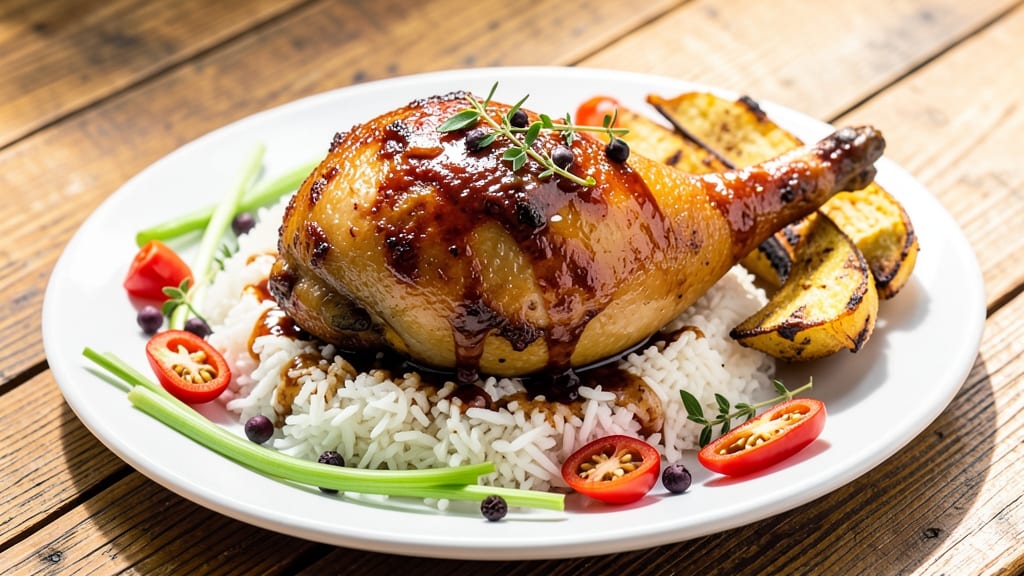
This Jamaican jerk chicken marinade recipe delivers the fiery-sweet, smoky complexity that makes Caribbean flavors unforgettable. The blend of allspice, Scotch bonnet peppers, and thyme creates a signature depth that transforms ordinary chicken into restaurant-quality centerpiece.
I developed this marinade after years of refining the balance between heat and sweetness—too much of either flattens the profile, so precision matters.
The secret lies in the acid-base ratio: lime juice tenderizes while vinegar cuts through the richness, ensuring every bite is juicy and bold. Let the marinade work its magic for at least 4 hours (overnight is ideal) to develop maximum flavor penetration without overcooking the meat.
Safety note: always use gloves when handling Scotch bonnet peppers, and never skip the resting time—this is where the true magic happens.
What you'll achieve is chicken with a deep caramelized crust, tender yet firm meat, and a flavor profile that's perfectly balanced—smoky from the allspice, tangy from the citrus, and just enough heat to linger.
The marinade doubles as a basting sauce, so you'll have no leftovers to waste. This isn't just a marinade; it's the foundation of an authentic Jamaican experience.
Store unused marinade in airtight containers for up to 5 days in the fridge or freeze for 3 months—perfect for meal prep or batch cooking. Pair with grilled pineapple for a complete dish that transports you straight to the island. Let's get started with the ingredients you'll need.
Ingredients for jamaican jerk chicken marinade
Twelve ingredients transform ordinary chicken into restaurant-quality jerk masterpiece.
| Ingredient | Amount | Notes |
|---|---|---|
| Scotch Bonnet Peppers 🌶️ | 2 whole | Fresh, seeds removed, gloves recommended |
| Fresh Allspice Berries 🌿 | 1 ½ tbsp | Crushed between fingers, not ground powder |
| Fresh Thyme Sprigs 🌿 | ½ cup | Loosely packed, stems removed |
| Garlic Cloves 🧄 | 6 cloves | Roughly chopped, not minced |
| Fresh Ginger Root 🌿 | 1 tbsp | Finely grated, not powdered |
| Brown Sugar 🍯 | ½ cup | Light or dark, packed |
| White Vinegar 💧 | ¼ cup | Distilled preferred, not apple cider |
| Fresh Lime Juice 🍋 | ½ cup | Strained, seeds removed |
| Ground Cinnamon 🌶️ | 1 tsp | Freshly ground preferred |
| Ground Nutmeg 🌶️ | ½ tsp | Freshly grated nutmeg better |
| Sea Salt 🧂 | 1 ½ tbsp | Diamond Crystal preferred |
| Black Peppercorns 🌶️ | 1 tsp | Crushed, not ground |
| Olive Oil 🫒 | ½ cup | Extra-virgin, fruity variety |
The Scotch bonnet peppers are non-negotiable—this is what delivers that signature Jamaican heat. Caribbean markets or specialty stores carry them fresh year-round, but if you can't find them, habanero peppers work in a pinch (use half the amount). Always wear gloves when handling them, and remove seeds to control spice level. For allspice, whole berries from Penzeys or bulk bins at Whole Foods give the best flavor—ground powder lacks depth. The thyme should smell vibrant, not musty, and Trader Joe's often has great quality in the freezer section. Ginger root needs to be fresh and firm; avoid the powdered stuff—it's a game-changer for that bright, citrusy kick.
No Scotch bonnet? Habanero peppers at half the amount get you close, but expect more heat. Fresh allspice berries unavailable? Ground allspice at half the amount works, but toast the ground version first for better flavor. Substituting brown sugar? Coconut sugar or turbinado both work well—they've got that caramelized depth. Vinegar options? White vinegar is standard, but apple cider vinegar adds subtle complexity. The lime juice is critical—Mexican key limes if available, but regular limes work fine. For the spices, Diamond Crystal kosher salt is ideal, but any fine sea salt works. Black peppercorns should be crushed, not ground, to avoid bitterness. The olive oil? Use something fruity and peppery—none of that bland supermarket stuff.
This marinade keeps beautifully—5 days in the fridge or 3 months frozen. I always make a double batch and freeze half in ice cube trays for single servings later. The oil will separate when refrigerated, but just shake it up before using. For best results, let the chicken marinate for at least 4 hours, but overnight is ideal. The flavors meld beautifully, and the chicken develops that signature caramelized crust. Use any leftover marinade as a basting sauce—just reduce it slightly on the stove first to thicken it up.
Why You'll Love This Recipe
- Same marinade, endless uses: grill it for summer BBQs, bake it for lazy Sundays, or even toss it with tofu for veggie nights. My kids ask for it more than pizza—(yes, even on a Tuesday night).
- Blender Magic: I swear by this marinade—just toss everything into a blender with the chicken, hit pulse, and walk away. No straining, no mess, and honestly, the heat from the Scotch bonnet softens the meat better than any knife work ever could.
- Fiery Complexity: That first bite? Smoky, sweet, and spicy—the allspice and thyme team up like old friends while the ginger cuts through the heat. It’s not just flavor; it’s a full sensory experience that sticks with you.
- Weeknight to Party: Same marinade, endless uses: grill it for summer BBQs, bake it for lazy Sundays, or even toss it with tofu for veggie nights. My kids ask for it more than pizza—(yes, even on a Tuesday night).
Step-by-step instructions for Jamaican jerk chicken marinade
Let's blend these bold flavors into a marinade that transforms ordinary chicken into a smoky, fiery masterpiece.
Prepare the Aromatic Base
In a food processor, combine the 2 whole Scotch Bonnet peppers, 1.5 tablespoons of crushed fresh allspice berries, and 0.5 cup of fresh thyme sprigs. Pulse until the peppers are finely chopped but not pureed—you want visible texture for maximum flavor impact. The mixture should smell intensely fruity with a sharp, almost electric heat from the Scotch Bonnets.
Transfer this vibrant paste to a mixing bowl. Here's the thing—Scotch Bonnets are potent, so wear gloves if you're sensitive to heat. The goal is to distribute that fiery flavor evenly without overwhelming the other ingredients. If you're unsure about the heat level, you can remove the membranes and seeds first, but leave some for authentic Jamaican punch.
Incorporate the Fresh Ingredients
Add the 6 roughly chopped garlic cloves, 1 tablespoon of finely grated fresh ginger root, and 0.5 cup of brown sugar to the mixing bowl. Stir vigorously with a wooden spoon until the sugar dissolves completely and the mixture becomes a thick, glossy paste. The brown sugar will help balance the heat while adding a caramelized depth that develops beautifully during grilling.
Next, pour in the 0.5 cup of fresh lime juice and 0.25 cup of white vinegar. The acidity from these ingredients will brighten the marinade and help tenderize the chicken. Give it another thorough mix, scraping the sides of the bowl to ensure all the spices are fully incorporated. You'll notice the mixture become slightly runny—this is normal and will thicken as it sits.
Add the Spices and Bind the Marinade
In a small bowl, whisk together the 1 teaspoon of ground cinnamon, 0.5 teaspoon of ground nutmeg, 1.5 tablespoons of sea salt, and 1 teaspoon of crushed black peppercorns. Sprinkle this spice blend evenly over the wet ingredients in your mixing bowl. The nutmeg adds warmth, while the cinnamon brings subtle sweetness that complements the heat.
Finally, drizzle in the 0.5 cup of extra-virgin olive oil while continuing to stir. The oil will bind all the ingredients together into a cohesive marinade with a luxurious, velvety texture. Taste the mixture before proceeding—it should be a perfect balance of sweet, spicy, tangy, and savory. If you find it needs more heat, add a pinch of the reserved Scotch Bonnet seeds. If it's too intense, a splash more lime juice can help mellow the flavors.
Rest and Develop the Flavors
Transfer the marinade to a non-reactive container with a tight-fitting lid. Let it rest at room temperature for 30 minutes before using. This resting period allows the flavors to meld together, creating a more complex profile. You'll notice the colors deepen and the aroma becomes even more intoxicating—this is your cue that the marinade is ready to work its magic.
For best results, marinate the chicken for at least 4 hours or overnight in the refrigerator. The acidity in the lime and vinegar will begin to tenderize the meat, while the spices will penetrate deeply. When you're ready to cook, pat the chicken dry before applying the marinade to ensure maximum browning and crispiness on the grill or in the oven.
Pro Tips For Making Jamaican Jerk Chicken Marinade
- Toast the Spices First: Dry-toast your allspice berries and thyme sprigs in a hot pan for 30 seconds until fragrant—this deepens their flavor and cuts through the heat of the Scotch bonnet. I used to skip this, but now it’s non-negotiable for a marinade that doesn’t taste like raw spices.
- Mince the Ginger Roughly: Grate or finely chop the ginger with the skin on for a sharper bite, but don’t go too fine—it’ll turn bitter in the marinade. I learned this the hard way after making ginger paste that turned my jerk chicken into a mouthful of heat without depth.
- Wear Gloves for Peppers: Handle Scotch bonnet peppers with rubber gloves—even a tiny nick on your skin will make your hands feel like they’re on fire for hours. Trust me, you’ll thank yourself when you’re not crying over a blistered finger while chopping.
- Marinate Overnight, But Not Too Long: Let the chicken sit in the marinade for at least 4 hours, but no more than 12—any longer and the acid from the peppers will start breaking down the meat. I once left mine 24 hours, and the result was sad, rubbery chicken. Balance is key.
Troubleshooting this dish
Marinade Too Thin?
If your marinade ends up too runny after mixing, don't worry—this is common with fresh ingredients. The solution is simple: reduce it on the stovetop. Pour the marinade into a small saucepan and simmer over medium-low heat for 5-7 minutes, stirring constantly.
The liquid will evaporate, leaving you with a thicker, more concentrated sauce perfect for basting. For extra richness, add 1 tablespoon of honey or 1 teaspoon of brown sugar while reducing to enhance the sweet-spicy balance. 🔥
Chicken Not Tenderizing?
If your chicken feels tough after marinating, the issue is likely marinating time or acid balance. First, ensure you're marinating for at least 4 hours—overnight is ideal. If using bone-in pieces, increase marinating time to 6-8 hours since bones conduct heat differently.
Also, check your acid ratio: the lime juice and vinegar should make up about 30% of the total liquid. If your marinade tastes too mild, add 1 extra tablespoon of lime juice or 1 teaspoon of vinegar and let it sit for another 30 minutes before applying.
Heat Level Too Mild?
For a more authentic Jamaican heat, focus on the Scotch bonnet peppers. If your marinade lacks fire, try these fixes: add ½ teaspoon of Scotch bonnet seeds (the hottest part) to the mixture, or blend in 1 extra pepper (seeds and all).
For a safer approach, add ½ teaspoon of cayenne pepper or ¼ teaspoon of red pepper flakes. Remember, heat builds during cooking, so taste the marinade after it's rested—this gives you a better idea of the final intensity. 🌶️
Marinade Separating?
This happens when the oil and liquid ingredients aren't fully emulsified. The fix is simple: whisk vigorously with a fork or blend briefly in a food processor. For a more permanent solution, add 1 tablespoon of cornstarch or 1 teaspoon of arrowroot powder to thicken the mixture.
If storing, use a jar with a tight-sealing lid and shake well before each use. The marinade will re-emulsify naturally as you stir it during application to the chicken.
Burnt or Bitter Flavor?
Overcooking the marinade or using too much vinegar can lead to bitterness. If this happens, balance it with sweetness: stir in 1 tablespoon of honey or 1 teaspoon of brown sugar to mellow the flavors.
For a smoky depth without bitterness, add ½ teaspoon of smoked paprika or a pinch of liquid smoke (just ¼ teaspoon). Always taste as you go—this marinade should be complex, not harsh. If the bitterness persists, reduce the vinegar by 1 tablespoon in future batches.
Marinade Too Strong?
If the flavors are overwhelming, dilute the marinade with 2 tablespoons of water or 1 tablespoon of chicken broth to mellow the intensity. For a more subtle approach, reduce the amount of allspice or Scotch bonnet by ½ teaspoon in future batches.
Another trick is to let the chicken marinate for a shorter time—2-3 hours instead of overnight—to allow less flavor penetration. Always pat the chicken dry before cooking to prevent excess marinade from burning and creating a bitter crust.
Nutrition facts
Frequently asked questions about Jamaican jerk marinades
Can I use habanero peppers instead of Scotch bonnet?
Yes, but adjust carefully! Habaneros are hotter, so use half the amount (1 habanero = ½ Scotch bonnet). For milder heat, remove seeds and membranes first. The flavor will be slightly different—habaneros have a fruity tang while Scotch bonnets are more floral.
How long can I marinate chicken in this blend?
For best results, marinate 4-24 hours in the fridge. Beyond 24 hours, the acidity may start breaking down the meat fibers. Bone-in pieces need 6-8 hours minimum. Never marinate at room temperature—bacteria multiply too quickly.
What's the best way to store leftover marinade?
Transfer to an airtight container and refrigerate for up to 5 days or freeze for 3 months. The oil will separate—just shake before use. For single servings, freeze in ice cube trays. Always cook any leftover marinade that touched raw meat to 165°F.
Can I make this marinade without fresh allspice?
Yes! Use ¾ teaspoon ground allspice instead, but toast it first in a dry pan for 1 minute to enhance flavor. Fresh allspice berries give the best depth, but ground works in a pinch. For extra warmth, add ¼ teaspoon cinnamon or nutmeg.
Why does my jerk chicken taste bitter?
Bitterness usually comes from overcooking the marinade or too much vinegar. Fix it by adding 1 tablespoon honey or brown sugar to balance. For future batches, reduce vinegar by 1 tablespoon or use apple cider vinegar instead. Taste as you go!