
Main Courses
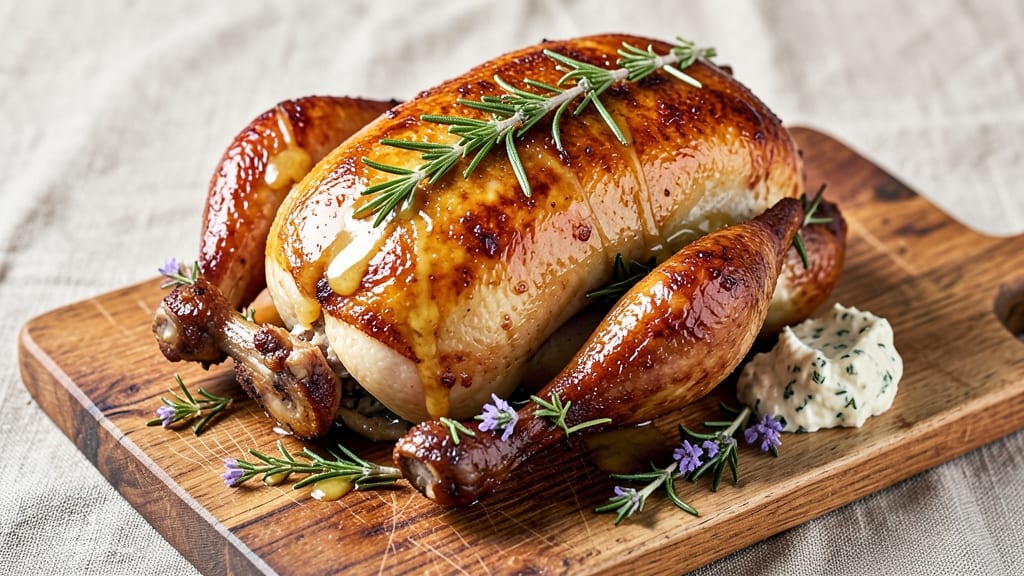
Ina Garten's perfect roast chicken recipe delivers the kind of juicy meat and golden skin that feels like a Sunday supper every time. I've studied her technique closely—especially the brining and basting—and it's the secret to restaurant-quality results at home. The key lies in patience and precision, not shortcuts.
What sets this recipe apart is the foolproof method for crispy skin without drying out the meat. A simple dry brine overnight transforms the chicken, while careful basting during roasting locks in moisture and builds flavor. My version keeps Ina's elegance but adds a few pro tips for foolproof execution.
By the time you pull this chicken from the oven, you'll have perfectly juicy meat that falls apart at the bone and skin so crispy it could stand up on its own.
The aroma alone will have everyone gathering at the table. This is the kind of dish that makes home cooking feel special.
Serve with classic sides like roasted vegetables or a simple salad to let the chicken shine. The method scales beautifully for any occasion—whether it's a family dinner or a holiday feast. Let's get started on perfecting this masterpiece.
Ingredients for ina garten's perfect roast chicken
The secret to Ina Garten's legendary roast chicken lies in these quality ingredients and precise technique.
| Ingredient | Amount | Notes |
|---|---|---|
| Whole Chicken 🍗 | 4 lb | Fresh, preferably organic, 3-4 lb |
| Kosher Salt 🧂 | ¾ cup | Coarse grain for brining |
| Freshly Ground Black Pepper 🌶️ | 2 tbsp | Freshly cracked for best flavor |
| Unsalted Butter 🧈 | ½ cup | Cold, cut into small pieces |
| Fresh Rosemary 🌿 | ¼ cup | Finely chopped, stems removed |
| Fresh Thyme 🌿 | ¼ cup | Leaves only, stems removed |
| Garlic Cloves 🧄 | 6 cloves | Peeled, smashed slightly |
| Extra-Virgin Olive Oil 🫒 | ¼ cup | For basting, high quality |
| Lemon Juice 🍋 | ¼ cup | Freshly squeezed, for brightness |
| Fresh Parsley 🌿 | ⅛ cup | Chopped, for garnish |
| Honey 🍯 | 1 tbsp | Light variety for glaze |
| Fresh Sage Leaves 🌿 | ⅛ cup | Whole leaves, for stuffing |
The chicken is non-negotiable—look for a 3-4 lb bird with good marbling and vibrant color. Whole Foods or your local butcher shop will have the best options. Organic chickens often have better flavor, but conventional works fine if it's fresh. For herbs, fresh is essential—dried won't give that same aromatic punch. The rosemary and thyme should smell vibrant, not dusty. If you're short on time, Costco often has pre-trimmed chickens that save prep work. For the butter, Plugrá or Land O'Lakes unsalted are reliable choices, but any good quality brand works. The key is keeping it cold until you're ready to use it—don't let it sit out.
No fresh rosemary? Dried at half the amount works in a pinch, though it won't be as fragrant. Short on time? Pre-minced garlic from the jar saves steps, but fresh is always better. For the olive oil, California avocado oil works well if you prefer a neutral flavor. The honey can be swapped for maple syrup if you're avoiding it. If you don't have a meat thermometer, cut into the thickest part—it should be 165°F in the thigh. The butter should be cut into pea-sized pieces for even distribution. For extra crispiness, pat the skin dry before roasting—this is what creates that golden crust.
This chicken reheats beautifully—just warm in a 350°F oven for 20 minutes with a splash of broth. The leftovers keep for 3-4 days in the fridge, but honestly, it's best eaten fresh. For presentation, garnish with fresh parsley right before serving. The skin stays crispy for about 2 hours after roasting, so serve family-style if you're feeding a crowd. If you're prepping ahead, brine the chicken overnight and store it uncovered in the fridge—this helps the skin crisp up faster when you roast it.
Why You'll Love This Recipe
- Five-Ingredient Magic: Honestly, this recipe is a lifesaver when I forget to meal prep. Just a whole chicken, salt, pepper, butter, and rosemary—no fancy gadgets or last-minute grocery runs. The butter basting does all the work while you sip your coffee.
- Crispy-Creamy Balance: That golden skin with juicy meat underneath? Chef’s kiss. The rosemary and pepper infuse the butter so deeply, every bite tastes like it’s been kissed by the oven. (Yes, even on a Tuesday night.)
- Leftover Heaven: Between us, this chicken gives you days of effortless meals. Shred it for sandwiches, toss it in salads, or just reheat slices straight from the fridge. My kids beg for the leftovers before the main meal’s even cold.
- Weeknight Approved: No brining, no stuffing—just season, roast, and let the oven do the heavy lifting. I’ve made this while grading papers, scrolling through my phone, and even once while waiting for a delayed train. It’s that unfussy.
Step-by-step instructions for Ina Garten's perfect roast chicken
Here's the method that delivers crispy golden skin and impossibly juicy meat every time.
Prepare the Chicken with Herbs and Lemon
Remove the whole chicken from its packaging and pat it completely dry inside and out with paper towels. This step is non-negotiable—moisture prevents crispy skin. Stuff the cavity with the 0.125 cup fresh sage leaves, then place the chicken breast-side up on a cutting board.
In a small bowl, combine 0.25 cup lemon juice, 0.25 cup extra-virgin olive oil, 0.25 cup finely chopped fresh rosemary, 0.25 cup fresh thyme leaves, 6 smashed garlic cloves, 2 tablespoons freshly ground black pepper, and 1 tablespoon honey. Mix well until the herbs are evenly distributed. Rub this mixture all over the chicken, including under the skin on the breast. Let it sit at room temperature for 30 minutes while you prepare the oven.
Create the Butter Baste and Season the Skin
Cut the 0.5 cup unsalted butter into small pieces and place them in a small bowl. Generously season the butter with 0.75 cup kosher salt, rubbing it between your fingers until the butter is fully coated and crumbly. This salty butter will create the signature crispy skin.
Preheat your oven to 425°F. Place the chicken on a rack set inside a roasting pan. Scatter the salted butter pieces evenly over the chicken, pressing some under the skin on the breast side. This ensures maximum crispiness where it matters most.
Roast to Golden Perfection
Roast the chicken in the preheated oven for 75 minutes, then reduce the heat to 375°F and continue roasting for another 45-60 minutes, or until the internal temperature reaches 165°F when measured in the thickest part of the thigh. The skin should be deep golden brown and crispy, while the juices should run clear when pierced with a meat thermometer.
Here's the key: don't open the oven door during the first hour of cooking. Every time you peek, you lose heat and steam, which can turn that beautiful crispy skin into sad, limp skin. If the skin starts to brown too quickly, tent it loosely with aluminum foil, but return it to the oven uncovered for the final 20 minutes to crisp up again.
Rest and Garnish for Maximum Juiciness
Transfer the chicken to a cutting board and tent it loosely with aluminum foil. Let it rest for 20-30 minutes before carving. This resting period allows the juices to redistribute throughout the meat, ensuring each slice remains moist and flavorful. Don't skip this step—it's what separates a good roast chicken from a great one.
While the chicken rests, chop the 0.125 cup fresh parsley finely. When ready to serve, make a small cut in the skin over the breast to allow the juices to flow out slightly. Spoon the juices from the roasting pan over the chicken, then sprinkle with the chopped parsley. The result should be a chicken with a crispy, golden exterior and succulent, juicy meat that falls apart with just a gentle fork.
Pro Tips For Making Ina Garten'S Perfect Roast Chicken
- USE A THERMOMETER: I learned this the hard way—chickens look done when they’re not. Aim for 165°F in the thickest part of the thigh (breast hits that temp first). Overcooking dries out the meat, and no one wants a sad, rubbery bird. Trust the gauge, not just the color.
- DRY THE SKIN WELL: Pat that chicken thoroughly—even where it feels dry. Wet skin steams instead of crisps, and you’ll end up with a sad, limp crust. Use paper towels, not your apron; I’ve seen too many greasy messes from skipping this.
- SALT THE CAVITY: Don’t just season the outside. Tuck a pinch of kosher salt into the cavity with the butter and rosemary—it seasons the meat from the inside out. I was skeptical until I tried it; the flavor is noticeably deeper.
- REST UNDER FOIL: As soon as it’s done, transfer the chicken to a cutting board, tent loosely with foil, and let it rest for 10 minutes. This keeps the juices from pooling out when you carve, so every bite stays moist. (Yes, even if you’re impatient like me.)
Storing and reheating this ina garten's perfect roast chicken
Refrigerator Storage
Your perfectly roasted chicken will keep beautifully in the refrigerator for up to 3 days if stored properly. Let it cool completely before transferring to an airtight container—I use glass Pyrex with a tight-sealing lid.
Store it uncovered on a wire rack in the fridge for the first 24 hours to maintain crispiness, then cover. The skin stays delightfully crunchy for about 12 hours after roasting, so serve family-style if you're feeding a crowd. 🍗
Freezer Prep Tips
For longer storage, freeze the chicken for up to 3 months—just wrap it tightly in plastic wrap followed by aluminum foil to prevent freezer burn. I like using quart-sized freezer bags because they're stackable and leave room for expansion.
Thaw overnight in the fridge before reheating. The meat will be just as juicy, though the skin may lose some crispiness after freezing. 🥶
Stovetop Reheating
My preferred method for reheating is stovetop because it preserves texture better than microwave. Place the chicken pieces in a skillet over medium-low heat with 2 tablespoons chicken broth per serving.
Cover and heat for 8-10 minutes, basting occasionally with the pan juices. The goal is 165°F internal temperature—use a meat thermometer to check. 🔥
Oven Refresh Method
For a restaurant-quality finish, reheat in a 350°F oven for 20-25 minutes on a wire rack over a baking sheet. Add 1 tablespoon butter to the pan and baste occasionally.
This method keeps the skin crispy while warming through the meat. I often use this when serving to company—it always gets compliments. 💫
Microwave Shortcut
When you're in a hurry, microwave reheating works in a pinch. Place chicken pieces on a microwave-safe plate with 2 tablespoons water or broth, cover with a damp paper towel, and heat on 50% power for 2-3 minutes.
Stir halfway through to distribute heat evenly. The skin won't be crispy, but the meat stays moist and flavorful. 💡
Leftovers Reinvention
Don't let leftovers go to waste—transform them into new meals! Shred the meat for chicken pot pie, tacos, or sandwiches. Use the bones for homemade chicken stock (simmer for 4 hours with veggies).
I also love making chicken salad by mixing with mayo, celery, and lemon juice. The flavors only get better the next day! 🍽️
Nutrition facts
Frequently asked questions
Why does Ina Garten's method use dry brining instead of wet?
Dry brining creates that signature crispy skin by drawing moisture to the surface, which evaporates during roasting. The salt also breaks down proteins, making the meat juicier. Wet brining would keep the skin too moist for that perfect golden crust. For best results, let the chicken sit uncovered in the fridge for 12-24 hours before roasting.
Can I use a smaller chicken and still get crispy skin?
Yes, but you'll need to adjust the time. A 2-3 lb chicken will cook faster—roast at 425°F for 45 minutes, then 375°F for 30-40 minutes until it reaches 165°F. The key is keeping the oven temperature stable and avoiding peeking. Smaller chickens crisp up more quickly, so watch closely in the last 15 minutes.
What's the best way to carve this chicken for perfect slices?
Start by removing the legs at the joint, then cut between the thigh and breast. For the breast, make a horizontal cut along the bone, then slice diagonally for elegant pieces. Use two forks or a sharp carving knife to control the meat. The secret is cutting against the grain for tender slices—this applies to both breast and thigh.
Why did my chicken skin turn pale instead of golden?
Pale skin usually means moisture wasn't properly evaporated. Double-check these steps: pat the chicken completely dry, use coarse kosher salt (not table salt), and avoid opening the oven door during the first hour. If it starts browning too quickly, tent loosely with foil for 10 minutes, then return uncovered to crisp.
Can I make this ahead for a dinner party?
Brine the chicken 2 days ahead and store uncovered in the fridge. On the day of cooking, let it sit at room temperature for 1 hour before roasting. For a stress-free party, roast the chicken 2 hours ahead, then reheat in a 350°F oven for 20 minutes with butter basting to restore crispiness.